
Tag: Interview

How The Shadowboxers Gained 1,200+ New Followers in Two Weeks

Once upon a time, an artist built a following by word of mouth: playing for people live, slowly cultivating fans, and hoping that next time one of those fans would bring a friend. But today, artists can develop a fan base across the world through online platforms.

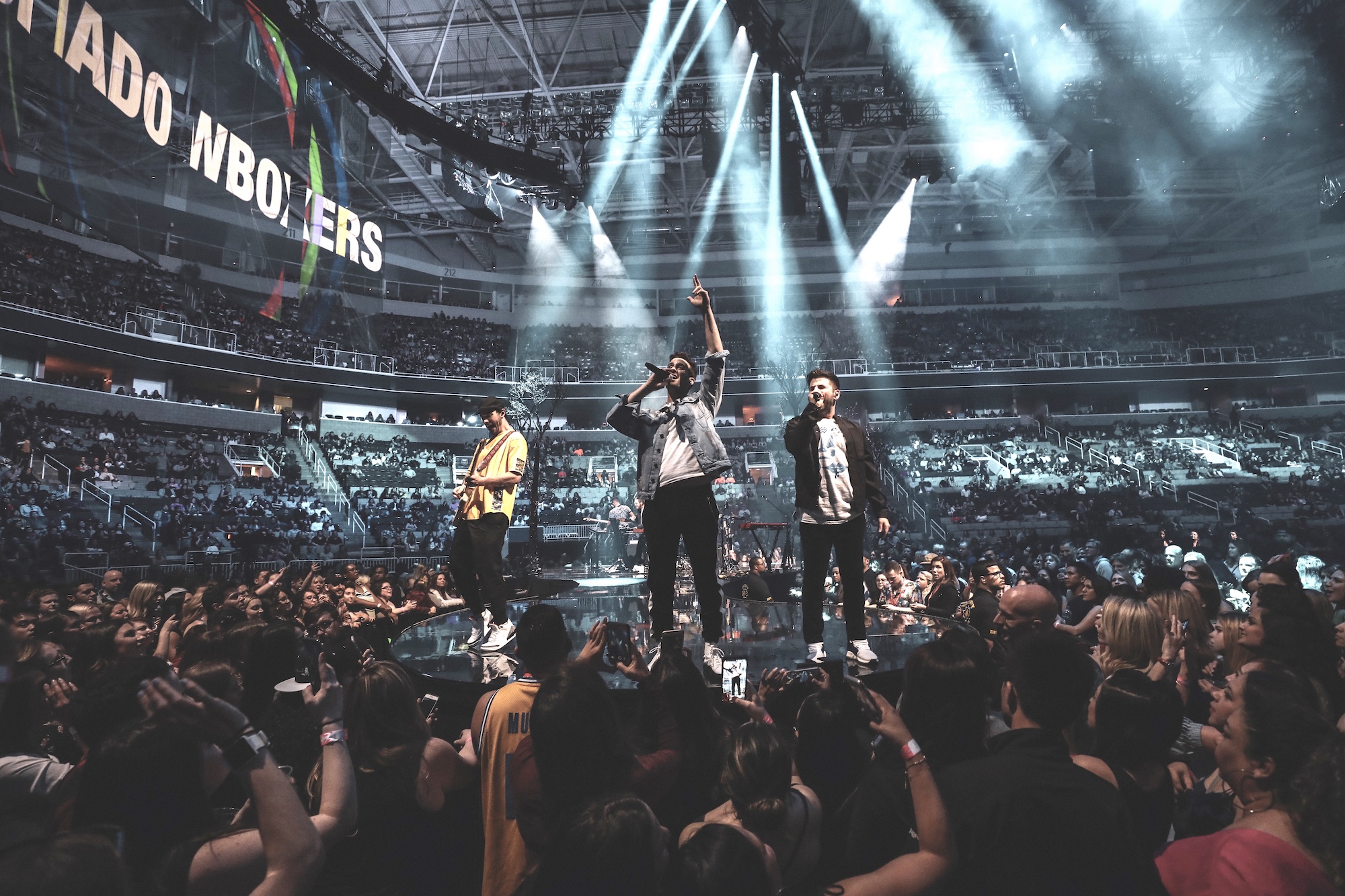
Case in point: Pop group The Shadowboxers has been wildly successful using Kickstarter, Twitter, and Spotify – they drew more than 1,200 new followers to their Spotify page in just two weeks. But if you ask the Nashville, Tennessee-based trio about their social media prowess, they’ll say they just got lucky.

“We kind of feel like we’ve been accidentally good at the internet,” says The Shadowboxers guitarist and singer Adam Hoffman.

In 2012, the group, comprised of Scott Tyler, Matt Lipkins, and Adam Hoffman, used a Kickstarter campaign to fund their first album, “Red Room.” The next year, the band covered Justin Timberlake’s “Pusher Love Girl” and tweeted the YouTube recording to him. Timberlake retweeted it, and signed the group to his label, Villa 40, soon after. This year, The Shadowboxers are opening for Timberlake on his “Man of the Woods” tour across the U.S. and Europe.

“That tweet was absolutely crazy and blew our minds. It’s still kind of hard to wrap our heads around,” says Hoffman. “In a way we felt, from an artist’s side, prepared for that and we had a fan base at that point who were all incredibly stoked to see that tweet. We weren’t existing totally in a vacuum.”

Luck notwithstanding, The Shadowboxers were ready for their big break. The band had been hard at work performing, creating new music, and perfecting their soulful, R&B-leaning sound. Before connecting with Timberlake, they had written albums’ and albums’ worth of unreleased music dating back to when they first connected in 2007. A selection of those tracks was compiled into an EP, “Apollo,” which was released in March. The collection of six songs includes new material and previously released singles, like “Hot Damn!,” with the influence of Timberlake.

The Shadowboxers open for the first leg (33 shows) of Timberlake’s 110-show “Man of the Woods” tour, which kicked off in March. At the beginning of the tour, the trio was looking for a way to engage with as many fans as possible. Their brainstorming led to a text-to-capture communication that encourages fans to follow the group on Spotify and post about it on Instagram.

“We came up with the idea for the Spotify follow because that’s really what we want – to drive people to our music,” says Hoffman.

You know the message you’ll see on a big screen at a concert or pro sports game, prompting you to send a text to a short number for some sort of cool offer? Fans receive that message just after The Shadowboxers set, and those who participate are signed up for an email list. Their first message from the email list prompts them to post a screenshot to Instagram of the band’s page from their Spotify account, showing that they are following the band on Spotify with the hashtag #TSBbacktage. If they do so, they are entered for a chance to meet the band backstage.

“The coolest takeaway from these interactions, which we were not expecting at all, was the relationship and connection after meeting,” says Lipkins. “We just wanted to connect on a more personal level with some fans, but we’ve made lifelong fans from these interactions just by hanging out with people for 30 minutes after a show.”

For fans of The Shadowboxers – whether or not they won the backstage contest – Spotify keeps them up to date on new music releases, tour schedules, and even what the band has been listening to lately. And for musicians, Spotify for Artists allows them to keep track of their most popular music, and where people are listening. For The Shadowboxers, whose music has appeared on Spotify’s Global Viral 50 and New Music Friday curated playlists, the platform has given the band a geographic reach they’ve never had before.

“We get messages on our socials from people from Europe who have heard the songs. We’ve never played over there so the only way they could have heard the stuff is Spotify,” says Tyler. “That’s a really cool feeling for us.”

The Shadowboxers are currently performing for the first leg of Justin Timberlake’s ‘Man of the Woods’ tour. Check out their remaining tour dates, and follow along on Spotify.

My Guilty Pleasures Playlist: Violet Benson, aka Daddy Issues, on R-e-s-p-e-c-t and Rhapsodies

Whether it’s old-school throwbacks, teen top or ‘80s movie soundtracks, everyone has those go-to nostalgic songs. You know, the tracks you play over and over—even if it’s only when no one else is listening.

In Spotify’s Guilty Pleasures series, some favorite influencers and internet personalities are revealing the tunes they can’t help but love.

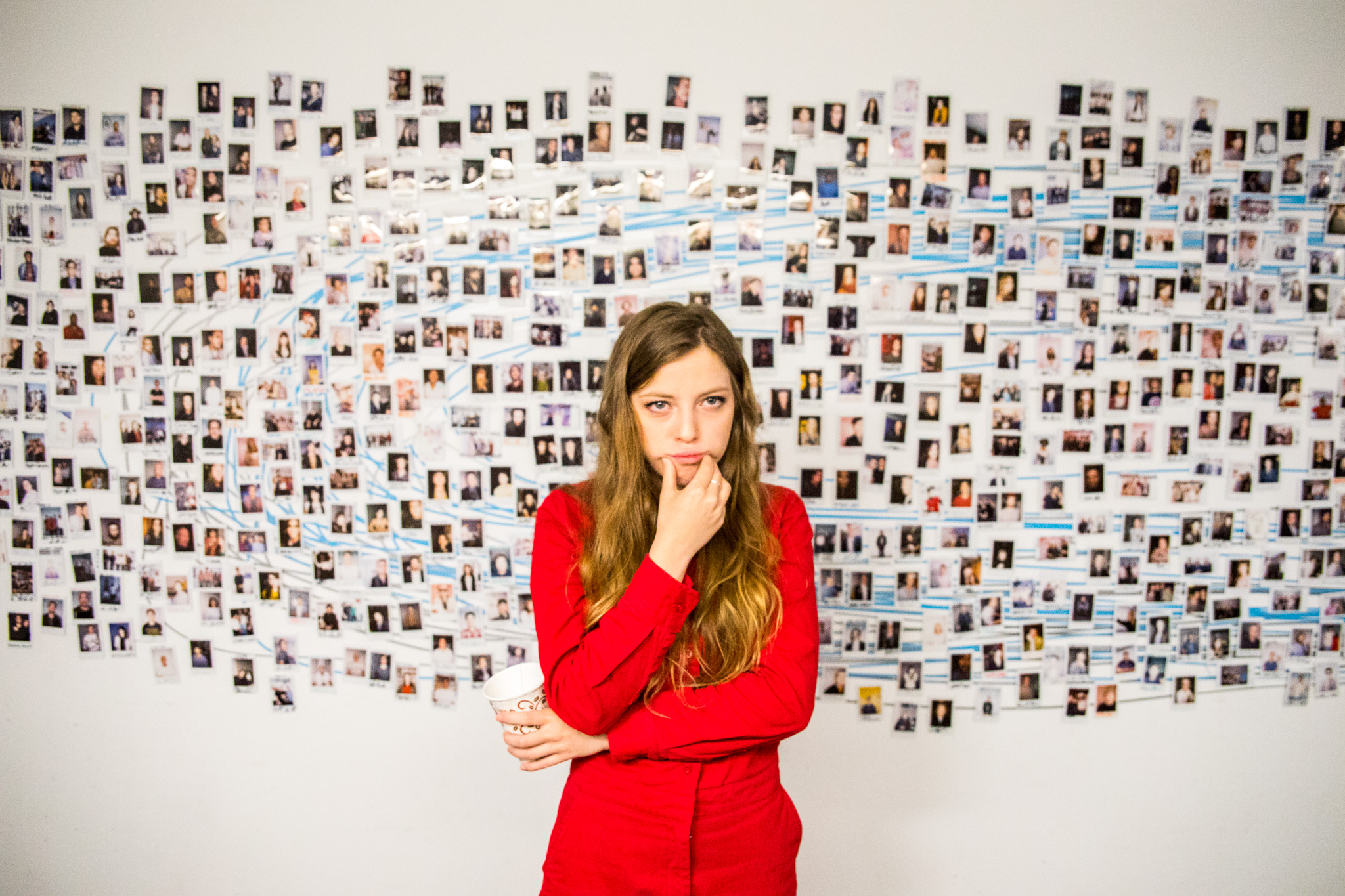
Violet Benson knows a thing or two about keeping a secret. The internet personality is best known for her viral Instagram and Twitter account @daddyissues_, which she started anonymously in 2014 as an escape from her accounting job. Now that her alter ego—that edgy, honest, irreverent voice in your head (or in your group texts)—is no longer a secret, @daddyissues_ has amassed almost 4 million followers, expanded to a blog and online store and earned Benson the title “Instagram Meme Queen” by Vanity Fair. Violet opened up to Spotify about the songs she’s not embarrassed about loving, from classic R&B to the Demi track inspired by her online persona.

  • “Respect” by Aretha Franklin. I can’t walk home from working out without listening to this song and just wanting to burst into a dance in the middle of the street like I’m in High School Musical (which, spoiler alert, I actually do). I love jamming to this and I really don’t care who’s watching… because if they knew what I was listening to, they would understand.
  • “Getting Over You” by Lauv. Honestly, any Lauv song is currently a guilty pleasure of mine. From “I Like Me Better” to “Easy Love” to this one… I just love his voice, and any music he makes is a straight banger that I can’t stop listening to.
  • “Daddy Issues” by Demi Lovato. Of course, this song would make it to my list since I have daddy issues myself. Not only was this song inspired by my Instagram @daddyissues_, which is the coolest thing ever, but the lyrics just speak to me.
  • “Undo It” by Carrie Underwood. There is no way you can listen to this song without singing the chorus super passionately, whether or not you’ve been through a painful breakup. I feel this song in my bones and I can’t help but sing it loudly whenever it comes on, as if my heart was just broken all over again.
  • “Bohemian Rhapsody” by Queen. I love this song because it lets me channel all my different personalities, but sometimes it also makes me wish I had a boyfriend to sing a duet with—because right now it’s really hard for me to sing all the parts on my own.

Amplified on Spotify: Nina Nesbitt

Spotify has helped cultivate the growth and subsequent cultural explosion of many artists across varied musical genres. In the “Amplified on Spotify” series, we’ll be interviewing artists who have not only made their names through the platform, but are shaping it as well.

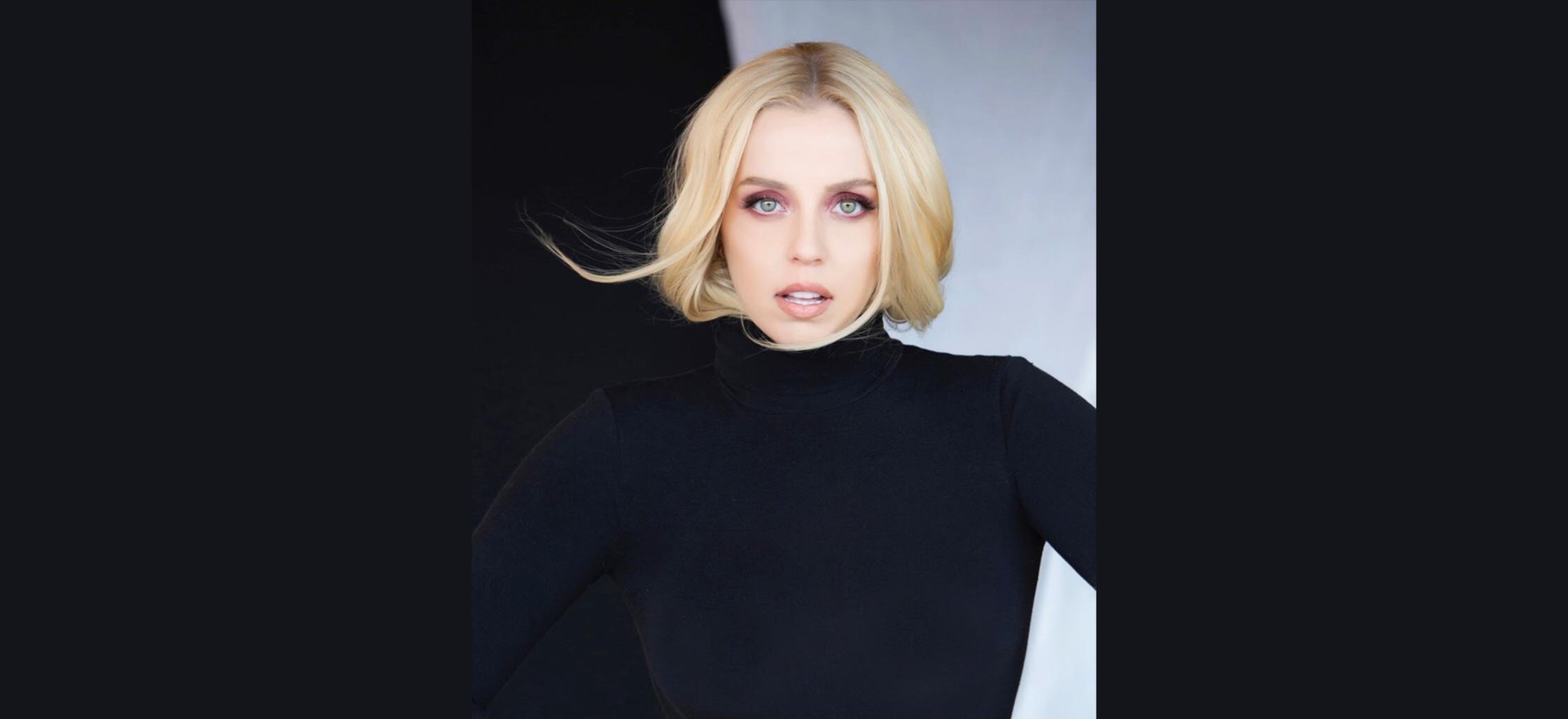
Twenty-three-year-old singer-songwriter Nina Nesbitt has come a long way since writing and recording songs in her childhood bedroom in Edinburgh, Scotland. She experienced some early achievements by posting originally written songs to her YouTube channel and performing in pubs around Edinburgh, but Nesbitt could not have anticipated the success and wide reach of her music.

At only 17, Nesbitt performed in front of Ed Sheeran and asked him for advice—she impressed the fellow UK musician and ultimately landed a spot on his European tour, which launched her music career on the international stage. She’s since toured with artists including Justin Bieber, released her first album and plenty of singles, and is now producing her own songs for her second album, to be released in Spring 2018.

Spotify spoke with Nina to about her creative process, the importance of autonomy and why she loves Spotify—both as a musician and as a listener.

Q: Tell us about your beginnings as a musician.

I started off writing short stories and poems as a kid; I was obsessed with words. Then, I picked up piano at age 10 and put my words to music. When I turned 15 and taught myself guitar, I felt like the songs really took shape. It’s always been about the lyrics for me, and the music kind of accompanies that. I think in the past couple years I’ve taken much more of an interest in melody and chords and it has all come together more.

Q: You were discovered by Ed Sheeran. How did that come about, and how did your life change as a result?

He heard me play a song live [while he was waiting to go on a radio show] and then offered me a support slot [on his 2011 European tour]. It was great experience because I was playing to about 10 people in Edinburgh pubs before that. Playing to thousands of people was terrifying at such a young age and with such little experience, but it was the best thing for me. After the first few tours I did with Ed and [English singer-songwriter] Example, I felt like I could handle any stage. I ended up independently releasing an EP that charted in the UK. Next thing I knew I was signed [by Universal Music Group], so it was quite a turning point.

Q: How did you start producing your own music? How has that changed your creative process?

I’ve always been interested in production. At the time, I had recently left the label I was on because I didn’t like the thought of having to rely on other people to do what I love. I set up a little home [production] setup in my bedroom, and I just started experimenting. I found this massive sample database that I use a lot. It’s an easy way for someone that maybe doesn’t have the luxury of a fancy studio, or expensive equipment, to make music. Then it was just a case of trial and error until I was able to produce my songs. On my upcoming album, [to be released Spring 2018,] I produced some of the songs and had other producers produce some, but I showed them what I wanted in a strong demo. It’s really helpful to be able to create clear demos that you can take to another producer to give them an idea of what you want.

Q: How do new fans typically discover your music?

I’ve found most new fans have come from listening to playlists on Spotify and saving the songs to their libraries. Some people are happy to just listen, while others want to get to know you— which is cool and has been instrumental in promoting my new album. I love how natural the process of discovering new music is; it’s all about whether the song connects. It also gives people from all over the world the opportunity to find my music, which is exciting.

Q: How has the Spotify for Artists platform helped you better understand your fans?

I think the platform has helped me to better understand where the music industry is heading in 2018 and how to prepare for that. The industry has changed so much in the past few years and everyone has quickly had to educate themselves.

Q: How do you discover new music?

I like to put on a lot of chill Spotify playlists and just leave them running until I find something I like. I’m one of those people who likes sticking to the bands and artists I already know and enjoy (which is bad), so it gives me an opportunity to be more open minded and find new music through similar artist recommendations or playlists.

Q: What artists or songs are you obsessed with right now? 

I love “About Time” by Sabrina Claudio. It’s such a beautiful, feminine record. I’ve also been listening to the Peaceful Piano Spotify playlist a lot; it’s so relaxing when I’m cooking or getting into bed.

Q: How has Spotify contributed to your success? 

Spotify has been absolutely instrumental in growing my fan base and kicking off the new album campaign. I think it suits my music because I’m very DIY and I feel like Spotify really clicks with those types of artists. I like that it gives people the option to listen or skip, and gives listeners a real idea of what’s connecting and what’s not. I’m also quite obsessive over the Fan Insights page [now known as Spotify for Artists]—it’s really helpful to see.

Q: What have you learned from working with Spotify?

Spotify is a great indicator of which songs are connecting with the audience. It can also give you an idea of when a song’s life is coming to an end and when to release the next one, thanks to the increases and decreases on the Spotify for Artists audience chart. I was planning on releasing three singles last year but “The Best You Had” just kept escalating, so we just ran with it. Spotify’s insights allow you to be reactive, which is really necessary in 2018. Gone are the days of plans set in stone.