Tag: Colombia

The Collective Ecosystem Behind the Music Industry

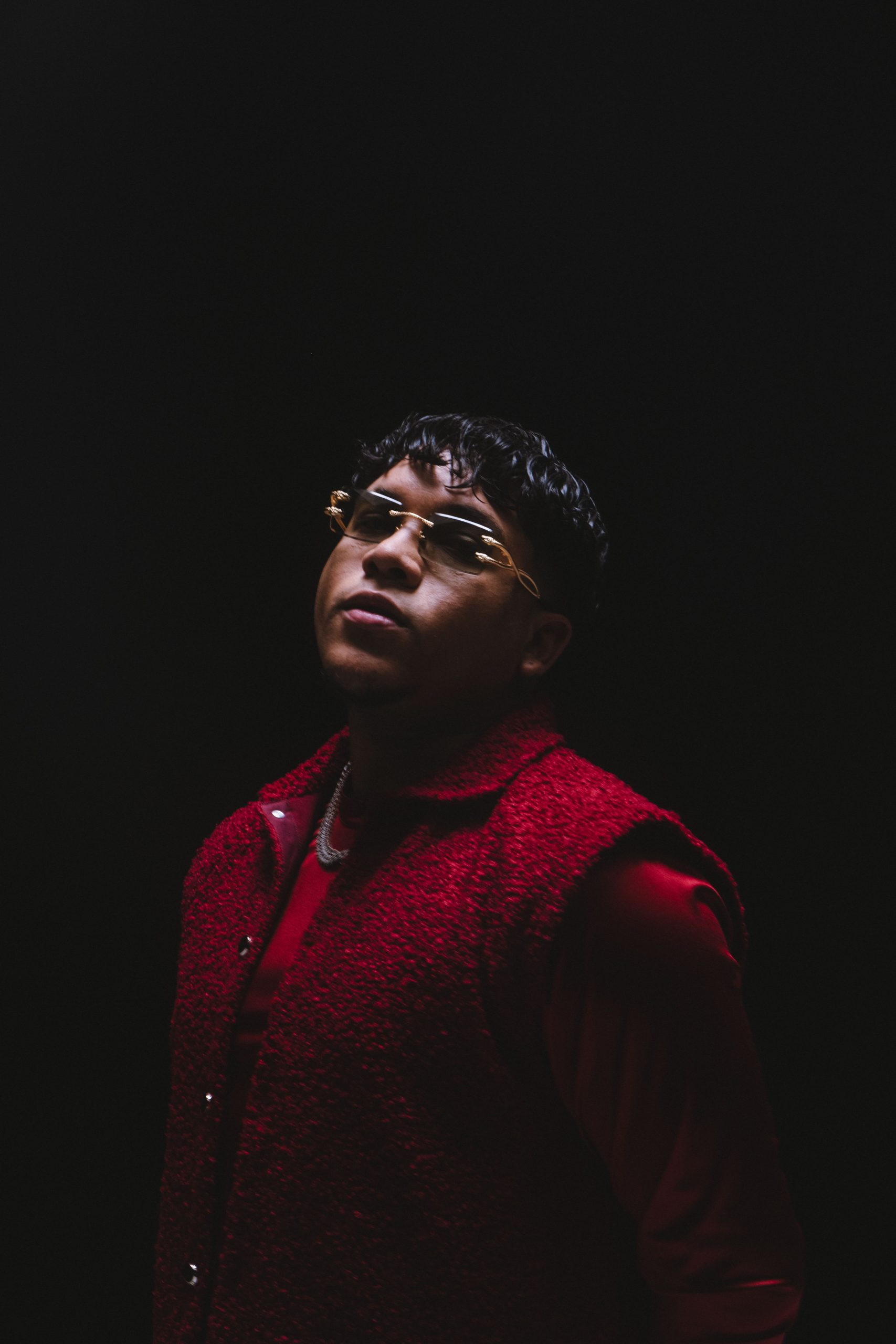
A negative shot of a person walking into frame

For a long time, talking about the music industry meant talking primarily about artists, producers, labels, venues, and songs. While they remain a fundamental part of the industry, music today is also driven by an ever-growing network of voices that listen closely, introduce it to new audiences, and keep it alive in everyday conversations.

Spotify sees this movement up close. Every day, millions of people come to the platform to listen to what they love and discover new songs to soundtrack their daily lives. But music discovery doesn’t happen in just one place, nor does it always begin by pressing play on a song. It also comes from conversations, recommendations, communities, and voices that help shape the culture around music. That’s why we’re introducing Shapers, our new program to highlight the people who lead and amplify those conversations.  

In the streaming era, there is no single path to discovering music. Sometimes it starts with a Spotify playlist and continues through an interview, a Reel, a review, a set, a podcast, a cover story, or a conversation among friends. Other times, it happens the other way around: someone says, “You have to listen to this,” and that recommendation becomes a new favorite song.

For Spotify, these connections matter because music discovery is about much more than finding a song. It’s about connecting artists, fans, creators, and communities. Technology can help discovery happen at scale, while people bring something irreplaceable to the experience: context, judgment, emotion, and their own unique perspective on culture.

That’s why Shapers doesn’t celebrate virality for virality’s sake. It celebrates contribution: the ability to elevate artists, bring scenes into the conversation, explain genres, revive musical memories, build community, and broaden the way we talk about music in Colombia.

These creators are bridges between artists and fans, past and present, and local scenes and digital audiences. They connect songs that are already part of our story and new sounds that are only beginning to find their place.

In Colombia, music runs through regions, accents, celebrations, neighborhoods, family memories, and expressions of identity. That’s why telling its stories well matters deeply. And that’s why we’re highlighting the people who recommend the music, document it, give it context, and help it continue to find listeners, spark conversations, and take on new meaning.

A song may begin in a studio, but its story becomes complete when someone listens to it, shares it, and makes it part of a conversation.

That’s what Shapers do: they help music travel further.

How Do We Select Our Shapers?

A negative photo of two people looking at the camera

Shapers was created to recognize the creators who are helping shape Colombia’s music ecosystem through different formats, perspectives, and communities. These are people who, through their unique point of view, help audiences discover music, bring artists and scenes into the conversation, provide context, and connect sounds with new audiences.

To build this first selection, each profile was evaluated based on five criteria: impact on the ecosystem, depth and context, relevance within the community, authenticity and editorial voice, and the ability to connect culture with audiences.

The selection is rooted in the understanding that today, there is no single way to contribute to music. Discovery and conversation happen across many spaces and formats: from research, interviews, and reviews, to videos, recommendations, podcasts, or conversations that lead someone to a song for the very first time.

That’s why Shapers recognizes contribution, not a specific format. The selected creators may engage with music from very different places within the content creation landscape, but they share one thing: their ability to contribute to the ecosystem and help artists, songs, genres, and scenes find new ways to connect with people.

What Shapers Is — and What It Isn’t

Shapers is a recognition of creators who are contributing to Colombia’s music ecosystem through different perspectives and communities. This selection represents a first wave and aims to reflect some of the many voices shaping how music is discovered, understood, shared, and kept in the conversation today.

It is not a ranking or a definitive list of the country’s best creators. Nor is it an editorial endorsement of all the content produced by the selected creators.Being part of Shapers does not make creators Spotify ambassadors or spokespeople.

Shapers is built around a simple idea: music is shaped by and travels through the work of many amplifiers. Recognizing them also means recognizing that music culture today lives across many spaces, formats, and communities.

¿Cómo seleccionamos a nuestros Shapers?

A negative photo of two people looking at the camera

Shapers nace para reconocer a los creadores que están impulsando el ecosistema musical colombiano desde diferentes formatos, perspectivas y comunidades. Personas que, con una mirada propia, ayudan a descubrir música, poner artistas y escenas en conversación, aportar contexto y conectar sonidos con nuevas audiencias.

Para construir esta primera selección, cada perfil fue evaluado a partir de cinco criterios: impacto en el ecosistema, profundidad y contexto, relevancia dentro de la comunidad, autenticidad y voz editorial, y capacidad para conectar la cultura con las audiencias.

La selección parte de entender que hoy no existe una única manera de contribuir a la música. El descubrimiento y la conversación suceden en muchos lugares y formatos: desde una investigación, una entrevista o una reseña hasta un video, una recomendación, un podcast o una conversación que hace que alguien llegue a una canción por primera vez.

Por eso, Shapers reconoce la contribución, no un formato específico. Los perfiles seleccionados pueden relacionarse con la música desde lugares muy distintos dentro de la creación de contenido, pero comparten algo: su capacidad de aportar al ecosistema y ayudar a que artistas, canciones, géneros y escenas encuentren nuevas formas de conectar con las personas.

Qué es, y qué no es, Shapers

Shapers es un reconocimiento a creadores que están contribuyendo al ecosistema musical colombiano desde diferentes miradas y comunidades. Esta selección representa una primera ola y busca reflejar algunas de las múltiples voces que hoy participan en la manera en que la música se descubre, se entiende, se comparte y se mantiene en conversación.

No es un ranking ni una lista definitiva de los mejores creadores del país. Tampoco es un sello de aprobación editorial sobre todo el contenido de los perfiles seleccionados, ni convierte a sus integrantes en embajadores o voceros de Spotify.

Shapers parte de una idea sencilla: la música se construye y viaja gracias a muchos amplificadores. Reconocerlas es también reconocer que hoy la cultura musical sucede en muchos lugares, formatos y comunidades.

From Buenos Aires to Mexico City, EQUAL Days Bring Latin America Together for Women in Audio

This year, Spotify celebrates the five-year anniversary of EQUAL, our global program dedicated to advancing equity for women in audio. We recently marked the milestone by launching EQUAL: The Podcast, creating an intimate space for women artists to share their stories.

In Latin America, the anniversary has taken shape as a unified regional movement, with Spotify hosting on-the-ground events that brought together artists and industry leaders to forge connections and spark conversations about the future of women in music. The celebration also included the release of Chilean-Mexican artist Mon Laferte’s Spotify Session, the first to be produced entirely by women.

EQUAL has already made a significant impact across the region, supporting more than 200 ambassadors who have collectively generated over 17 billion editorial playlist streams. From Mexico’s Julieta Venegas to Argentina’s María Becerra, Colombia’s ARIA VEGA to Brazil’s Julia Mestre, the program continues to amplify women artists, songwriters, and producers driving Latin music forward.

Here’s a look at how EQUAL Day events unfolded across Argentina, Colombia, Mexico, and Brazil this March.

Argentina

In Buenos Aires, EQUAL took over Casa Spotify for a two-day event that brought together nearly 800 women from across the industry. Highlights included a standout panel featuring Argentine pop star Lali alongside EQUAL ambassadors BLAIR and BB ASUL, live performances from BLAIR and Yami Safdie, a financial empowerment session led by Sabri Castelli of Mujer Financiera, and a live taping with the creators of the En Teoría podcast.

In partnership with the digital outlet HISPA, Spotify also captured exclusive interviews with Yami, BLAIR, and BB ASUL to further amplify their voices.

Stream the EQUAL Argentina playlist and watch the panel with Lali, BB ASUL, and BLAIR.

Fans Enter Bad Bunny’s Universe at Spotify’s Immersive Experience in São Paulo

Last weekend, São Paulo buzzed with energy as Bad Bunny took the stage for two nights of performances. The concerts marked the first time the Puerto Rican star, and Spotify’s 2025 Global Top Artist, performed in Brazil. To honor the occasion, Spotify unveiled an immersive “De Puerto Rico Pa’l Mundo” (“From Puerto Rico to the World”) experience that brought Bad Bunny’s 2025 album, DeBÍ TiRAR MáS FOToS, to life.

Fans, creators, and press explored a physical interpretation of the album’s themes. Each meticulously designed space reflected key elements of its sonic journey, inviting attendees inside Bad Bunny’s universe. The concept, previously brought to life in Mexico and Colombia, proved that the power of Bad Bunny transcends borders.

Spotify Sessions se lanza en Latinoamérica, empoderando a tríos creativos liderados por artistas

El mundo está escuchando a Latinoamérica. Los artistas de la región marcan constantemente el ritmo de la cultura musical global, y para celebrar esa influencia creativa, lanzamos Spotify Sessions, un nuevo proyecto en video que pone la expresión artística al frente.

Spotify Sessions nace de la colaboración de  un trío único: un artista principal, un director musical y un director visual que trabajan juntos como una sola unidad creativa. El resultado es un EP en video de cinco temas que reinterpreta las canciones de un artista a través de una experiencia visual única, combinando sonido e imagen de una forma especial para los fans.

Las Spotify Sessions forman parte de la experiencia de videos musicales en Spotify, disponible para suscriptores Premium en la mayoría de los países y regiones fuera de Estados Unidos. En Brasil y Colombia, los videos musicales también están disponibles para usuarios Free.

Tríos creativos, libertad creativa sin límites

En lugar de seguir un formato preestablecido, Spotify Sessions se basa en la libertad creativa. Los artistas y sus equipos definen cada aspecto de la sesión, desde los arreglos musicales hasta el concepto visual. Algunas se graban en escenarios, otras en lugares inesperados, pero todas reflejan fielmente el universo creativo de cada artista.

Este proyecto continúa el impulso de los videos musicales en Spotify, que ya han fortalecido el vínculo entre artistas y fans en toda Latinoamérica. Es un formato diseñado para celebrar la experimentación y reflejar los cambios culturales que vive la región.

Descubre las primeras Spotify Sessions

La serie ya está disponible con dos sesiones que muestran la diversidad de la música latina actual:

Crudo Means Raw (Colombia)

El rapero y productor se une al director musical Adan Naranjo y al director visual George Gallardo.

“‘X-TRA’’ es un mensaje a los que me escuchan , aprendamos a alimentar el alma con lo orgánico y natural.”, dijo Crudo sobre la canción inédita que presentó. “Cosas buenas para tu salud siempre, espiritual y física. Elegí ‘X-TRA’ porque era el momento perfecto para ella salir a la luz.”

Ana Castela (Brasil)

La cantante de sertanejo colabora con los directores musicales Douglas Moda y Lucas Vaz, y el director visual Edvaldo Raw.

“Tomamos cinco canciones y las transformamos en otros estilos musicales, lo que fue un desafío para mí. Estoy muy feliz de que, entre tantos artistas talentosos, me eligieran para representar mi género, el sertanejo”, dijo Ana Castela. “También es una oportunidad para unir la música de Latinoamérica y llegar a otros países. Es otra forma de mostrar el poder de Brasil.”

Y esto es solo el comienzo. En las próximas semanas se lanzarán nuevas Sessions con talentos innovadores de la región, como:

Una plataforma para la nueva generación

Spotify Sessions representa nuestra apuesta constante en video y nuestra colaboración directa con los artistas y creativos que están dando forma a la próxima ola de música latina.

“Con vídeos en Spotify, los usuarios pueden descubrir música de una forma más completa”, dijo Mia Nygren, General Manager de Spotify para Latinoamérica. “Spotify Sessions está pensada para sorprender a los fans y darles a los artistas un formato donde puedan expresarse realmente. Celebrar la música y creatividad latinoamericana con esta nueva experiencia es un honor y una parte importante de nuestro compromiso con la próxima generación de estrellas de esta región.”

Spotify Sessions Launch in Latin America, Handing Creative Control to Artist-Led Trios

The world is listening to Latin America. The region’s artists are consistently setting the tempo for global music culture, and to celebrate this creative influence, we’re launching Spotify Sessions, a new video project that puts artistry first.

Spotify Sessions are crafted by a unique trio: a lead artist, a music director, and a visual director working as a single creative unit. The result is a five-track video EP that reimagines an artist’s songs through a distinct visual performance, combining sound and vision in a unique way for fans.

Spotify Sessions are part of Spotify’s music video experience, available to Premium subscribers in our beta markets. In Brazil and Colombia, music videos are also available to Free listeners.

Creative trios, complete freedom

Instead of adapting to a preset format, Spotify Sessions are built on creative freedom. Artists and their handpicked teams shape every aspect of the session, from musical arrangements to visual concepts. Some sessions happen on a stage, others in unexpected spaces, but every performance is designed to be true to the artist’s creative world.

This project builds on the momentum of music videos on Spotify, which have already strengthened the connection between artists and fans across Latin America. It’s a format designed to celebrate experimentation and reflect the cultural shifts happening across the region.

Experience the first Spotify Sessions

Crudo Means Raw (Colombia)

Rapper and producer Crudo Means Raw joins forces with music director Adan Naranjo and visual director George Gallardo.

“‘X-TRA’ is a message to those who listen to me: Let’s learn to nourish our souls with what’s organic and natural,” said Crudo about the previously unreleased song he performed. “Always choose what’s good for your health—both spiritual and physical. I chose ‘X-TRA’ because it was the perfect time for it to come to light.”

Ana Castela (Brazil)

Sertanejo singer Ana Castela teams up with music directors Douglas Moda and Lucas Vaz and visual director Edvaldo Raw.

“We took five songs and transformed them into other musical genres — which was challenging for me. I’m very happy that, among so many talented artists, I was chosen to represent my genre, sertanejo,” said Ana Castela. “It’s also a chance to unite music in Latin America and reach other countries. It’s another way to show Brazilian power.”

RØZ (Mexico)

The electronic music duo RØZ collaborates with music directors COASTCITY and visual director Humainleau (Jonathan García).

“Mexico is one of the most powerful cultural markets in Latin America, driving local talent that’s rewriting the rules,” said Manolo Cabrera and Hugo Lara of RØZ. “Our Spotify Session becomes a reflection of the country’s vibrant creative evolution, where we aim to build a deep connection here and around the world.”

KayBlack (Brazil) + Burna Boy

Trap artist KayBlack and Afrobeats icon Burna Boy come together with music directors Fejuca and Nave and visual director Junior Scoz.

“Sharing this Spotify Session with Burna Boy was incredible,” said KayBlack. “We collaborated, exchanged ideas, and were warmly welcomed. I hope everyone feels the vibe we put into these songs and absorbs the message we want to convey.”

Peces Raros (Argentina)

Electronic rock duo Peces Raros teams up with music director Gustavo Borner and visual director Lautaro Esposito.

“We wanted to show everything Peces Raros can be: rock, electronic, at times more song-driven, a bit of jam,” said Lucio Consolo and Marco Viera of Peces Raros. “And something we really wanted people to notice is that the Session is performed completely live—no pre-recorded elements, no edits, no cuts.”

A platform for the next generation

Spotify Sessions represent our continued investment in video and our direct collaboration with the artists and creatives contributing to the next wave of Latin music. 

“With video on Spotify, we’re giving users the opportunity to discover music in a bigger way,” said Mia Nygren, General Manager, Latin America, at Spotify. “Spotify Sessions are developed to surprise fans and give the artists behind them a format where they can truly express themselves. Celebrating Latin American music and creativity through this new experience is an honor and an important part of our work to support the next generation of stars coming from this part of the world.”

Las fans están impulsando el boom de las artistas femeninas en Colombia

En Colombia, el sonido del éxito de las artistas femeninas es inconfundible, y gran parte de ese impulso viene de las fans mujeres. Según datos de Spotify, el 58% de quienes escuchan a artistas femeninas en el país son mujeres, lo que refleja un ecosistema vibrante donde se apoyan y se elevan entre sí.

Y la tendencia es clara: en los últimos cinco años, las reproducciones de artistas femeninas en Colombia se han multiplicado por cinco, mientras que el catálogo de canciones de mujeres colombianas ha crecido un 36%. El impacto va mucho más allá de las fronteras nacionales. A nivel global, las artistas colombianas han visto crecer sus streams 170 veces en la última década, consolidando su estatus como exportadoras culturales que conquistan audiencias en todo el mundo.

Este crecimiento refleja una industria en transformación. Como señala Mia Nygren, Managing Director para América Latina en Spotify: “La industria ha evolucionado enormemente en la década que Spotify lleva en Latinoamérica, y el papel de las mujeres también ha cambiado. Los números lo reflejan: no solo en streams, también en regalías. Aun así, sabemos que queda mucho por hacer, y por eso seguimos creando espacios e iniciativas para visibilizar y potenciar a las mujeres en la música”.

Empowerment Days: Construyendo comunidad en Bogotá

Para mantener este impulso y atender los retos que persisten, Spotify celebró recientemente la tercera edición de Empowerment Days en Casa Spotify Bogotá. Diseñado por y para mujeres de la industria musical, este evento es un pilar de la iniciativa global EQUAL de Spotify. EQUAL, que apoya a mujeres artistas y creadoras dentro y fuera de la plataforma, ha respaldado a más de 1.200 embajadoras en todo el mundo.

Durante dos días, managers, productoras, artistas y creadoras se reunieron para compartir consejos y reflexionar sobre los desafíos únicos que enfrentan las mujeres en la música. Uno de los momentos destacados fue un panel con Mia, la manager Rebeca León y la cantautora ELENA ROSE, donde se abordaron temas como la educación, la independencia y la importancia de la alfabetización financiera.

Women Fans Are Powering the Rise of Female Artists in Colombia

In Colombia, the sound of success for female artists is unmistakable, and much of that success is fueled by female fans. According to Spotify data, 58% of listeners of female artists in the country are women, highlighting a vibrant ecosystem where women are championing and elevating one another.

And the momentum is clear: Over the past five years, streams of female artists in Colombia have increased fivefold, while the catalog of songs by Colombian women has grown by 36%. The impact goes far beyond national borders. Globally, Colombian female artists have seen their streams grow 170 times in the last decade, cementing their status as cultural exports who are captivating audiences worldwide.

This remarkable growth reflects a changing industry. As Mia Nygren, Managing Director for Latin America at Spotify, notes: “The industry has evolved greatly in the decade Spotify has been in Latin America, and women’s roles have shifted as well. The numbers reflect this—not only in streams, but also in royalties. Still, we know there’s much more to be done, and that’s why we continue creating spaces and initiatives to promote and spotlight women in music.”

Empowerment Days: Building community in Bogotá

To fuel this momentum and address ongoing challenges, Spotify recently brought these milestones and conversations to the forefront at the third edition of Empowerment Days at Casa Spotify Bogotá. Designed by and for women in the music industry, the event is a cornerstone of Spotify’s global EQUAL initiative. EQUAL, which champions women artists and creators both on- and off-platform, has supported more than 1,200 ambassadors worldwide.

Across two days, managers, producers, artists, and creators gathered to share advice and reflect on the unique challenges women face in music. A highlight was a panel featuring Mia, manager Rebeca León, and singer-songwriter ELENA ROSE, who discussed topics like education, independence, and the importance of financial literacy.

How a Generation of Latin American and West African Artists Has Come to Speak the Same Language

About 50 kilometers southeast of the Colombian city of Cartagena rests the village of San Basilio de Palenque: the cradle of the country’s distinct cumbia music. Founded in the 17th century as a refuge for escaped enslaved people, its very existence is a testament to resilience and cultural preservation. Here, cumbia’s powerful rhythmic heartbeat began with the resonant beats of African drumming traditions using instruments like the tambora, tambor alegre, and llamador. This African influence blended seamlessly with local flute melodies and European harmonies, creating a vibrant musical language that tells the story of its blended heritage.

This shared DNA, forged centuries ago, is the same sonic foundation that fuels today’s modern musical fusions. It’s why the collaborations between a Nigerian Afrobeats star and a reggaeton artist from Colombia feel less like a trend and more like a rhythmic reunion. The music is, in a way, coming full circle, and this isn’t by chance. Rather, there is a deep reciprocal cultural dialogue where Latin American artists are embracing and reimagining Afrobeats’ sounds through their own perspectives. The proof is in the data: In 2025, Afrobeats listenership in Latin America grew by more than 180% year-on-year, signs of a passionate fan base pressing play more often.

A deeper dive into Spotify data reveals landmarks of Afrobeats’ journey across Latin America. Since 2020, Argentina and Mexico have witnessed more than 400% growth in Afrobeats streams, while Brazil has seen a 500% surge in the same period. Yet no Latin American nation has been more captivated by the Afrobeats phenomenon than Colombia, where 25 million hours of the genre have been streamed so far in 2025. Here, local trailblazers like Kapo and Beéle stand at the forefront of this homegrown embrace, drawing inspiration from the West African sound and boldly propelling it in fresh directions. Their collaborations with Nigerian hitmakers allow for a vibrant reimagining of these infectious tunes.

The Colombia connection

Beéle has been connected to Afrobeats since he was just 12 years old. Ever since hearing Davido’s 2013 hit “Aye,” he has typically looked to fuse Afrobeats with local sounds like champeta and salsa. By the time he was 16, he’d dropped the viral song “Loco,” which became his first Billboard chart entry, proving this genre-bending approach was resonating with a range of listeners. He later doubled down on this musical blend on his debut album, BORONDO, collaborating with Nigerian producers like London and Daramola. This project peeled back the layers, revealing a profound fusion that would forever reshape Colombia’s musical identity.

Another Colombian artist, Kapo, broke out in 2024 with Afrobeats-inspired tracks like “Ohnana” and “Uwaie,” both of which charted on the Billboard Global 200. “Ohnana” earned him his first Billboard No. 1 on the Latin Rhythm Airplay. Kapo’s creative choices, from his melodic cadences to his production style, are clearly rooted in Afrobeats and reinterpreted through his Latin lens. He exemplifies how this isn’t just a trend being dictated from afar; it’s a creative exchange inspiring a new sound for the streets. In an interview, Kapo says he knew that Afrobeats always had the potential to go off in Latin America. “When I was in Panama with Mr. Saik, we’d talk about how Afrobeats could be the next sound to take over Latin America,” he recalls.

This cross-cultural collaboration is a two-way street. When rising Nigerian star Fido enlisted Kapo for a remix of his breakout single “Awolowo,” it made for one of the earliest collaborations between a rising Afrobeats act and a rising Latin act, showing a genuine artist-to-artist dialogue happening organically between the two regions.

A global language of rhythm

This new generation of artists is also forging cross-continental connections through collaborations that introduce new layers to music from both sides of the Atlantic. Puerto Rico’s Rauw Alejandro crafted a defining moment for the culture with his standout track, “Santana,” featuring Afrobeats superstar Ayra Starr and Jamaican producer Rvssian. The song’s success, with over 300 million Spotify streams, earned Ayra Starr the first Latin Diamond certification from the Recording Industry Association of America. The remix of Omah Lay’s “Soso” with Ozuna married Omah Lay’s raw emotional delivery with Ozuna’s reggaetón smoothness, creating a sonic fusion that mirrored both artists’ interest in introspection.

While Latin America’s rising stars are forging these connections, Nigeria’s Afrobeats pioneers have also heavily influenced this exchange. Nigeria’s Mr Eazi and Colombia’s J Balvin present a perfect case study. An organic, brotherly connection formed in 2018 has since evolved into a full-fledged musical partnership. Their collaboration on “Lento” and “Arcoíris” with Tainy showed how these two genres can seamlessly blend into a global smash hit. “Arcoiris” even earned a Latin Grammy, one of the first major industry acknowledgments of an Afrobeats-Latin record.

In an interview with OkayAfrica, Mr Eazi says he had been “fascinated” with the Latino music scene since 2018. This curiosity drove him to “go open for J Balvin for crowds of 20,000 capacity per show of people that don’t even know me or know anything about Afrobeats.” He adds, “I ended up winning a Latin Grammy and I don’t even speak Spanish.” J Balvin’s work with other established Afrobeats artists like Burna Boy on “Rollercoaster” represents another symbolic crossover between Afrofusion and Colombian reggaetón, showing that the dynamic interplay between African and Latin influences is taking place across many genres. 

These artist-driven partnerships go beyond isolated incidents, making it clear that cross-cultural exchange is a growing phenomenon that’s here to stay.

From discovery to community

So, how are these seemingly distant worlds connecting? The answer lies in the democratization of music. The internet and streaming platforms have leveled the playing field, allowing for grassroots cultural and creative interaction between continents. Listeners are discovering the music on their own terms, and the numbers speak for themselves. The growth of subgenres like Latin Afrobeats, which has increased by more than 6,000% since 2020, showcases the growing overlap between the two fan bases.

Listenership of playlists like Afro-Ritmo, which is dedicated to showcasing Latin-African collaborations, has grown by more than 180% in 2025, indicating the increasing popularity of this new wave of music. As Spotify’s Senior Music Editor for Sub-Saharan Africa, Benewaah Boateng, puts it, “We are just a bridge allowing this cultural exchange to flourish and providing a home for these fresh sounds.”

The story of Afrobeats’ ascension in Latin America goes well beyond catchy beats; it speaks to the reclamation of a historical connection that would be lost to history books if not for a new generation of musicians on both continents. Beyond the undeniable grooves, Afrobeats has become a powerful cultural force, reshaping global narratives about Africa and fostering vital connections within the diaspora. Its expanding resonance in regions like Latin America is a bold declaration of a new cultural language that honors the past, electrifies the present, and is unmistakably defining the sound of the future.

Visit our full Afrobeats 2.0 experience on For the Record to discover more.

El Caribe colombiano impulsa el nuevo sonido del país

¡Colombia siempre ha sido potencia en innovación musical! Desde la revolución del reggaetón en Medellín, pasando por las escenas indie y rockeras en Bogotá, y el legado salsero de Cali, los artistas del país han moldeado el sonido de la región. Hoy, la mirada se posa sobre la Costa Caribe colombiana, impulsada por una nueva generación de talentos que están reclamando su espacio con orgullo, creatividad y ambición global.

Con ciudades como Cartagena, Barranquilla, Santa Marta y Valledupar, el Caribe colombiano es un territorio profundamente cultural. Aquí nacieron joyas como el vallenato—con sus historias y el inconfundible acordeón—y la champeta, ese ritmo afrocolombiano nacido en Cartagena que mezcla influencias africanas con percusiones caribeñas.  Muchos de los artistas actuales comenzaron precisamente en la champeta, un género que sigue marcando el pulso de su música. Sin embargo, sus sonidos están en evolución, y hoy integran elementos del Afrobeats, el reggaetón, el pop y otras propuestas experimentales.

Y ojo con los Afrobeats, porque están prendidos en Colombia. No solo en escuchas, también en producción local. El país se está volviendo referencia en este sonido, sobre todo en la costa Caribe y el Pacífico, mezclando ritmos de casa con beats africanos y creando algo nuevo que viaja más allá del mar. Para que te hagas una idea: en Spotify, las reproducciones de Afrobeats en Colombia crecieron más de un 580% desde 2022. Eso habla de una conexión real entre género, fans y creadores.

Los siete artistas que están encendiendo la Costa

Hamilton

Desde Cartagena, Hamilton lidera la movida de Afrobeats en Colombia. Tiene más de 2 millones de oyentes mensuales en Spotify y suena fino, mezclando beats elegantes con melodías costeñas. Sus temas  “Mi Reina,” “A Poca Luz,” y “Madrid”  suman millones de streams, y sus colabs con  Justin Quiles y Ryan Castro  han llevado su música a otro nivel.

Aria Vega

Barranquilla le dio al mundo a ARIA VEGA, una voz que mezcla pop contemporáneo con raíces colombianas. Su sencillo “Costeñita” (2025) junto a DEKKO, grabado en Casa Spotify Medallo, supera 1.5M de streams. Y “La Última” con Juan Duque y Kapo, ya va en 2.4M.

Luister La Voz

Cartagena también tiene a Luister La Voz  (Luis Carlos Cabeza De Ávila), con un sonido que se siente auténtico y cercano. Parte de champeta, parte de balada romántica, conecta fuerte con el público joven. Temas como  “Otra Cosa (Remix)” y “Espacio” lo han puesto varias veces en el Viral 50 Colombia.

Zaider

Más de una década en la música y Zaider sigue innovando. Empezó en champeta, pero ahora combina su flow costeño con Afrobeats.“Alma” junto a Kapo tiene más de 20M de streams, y trabajar con Goyo y Blessd lo ha llevado a nuevos públicos.

Criss & Ronny

Criss & Ronny son unos gemelos cartageneros pasaron del baile al micrófono, y se nota: su música es puro movimiento. Fusionan champeta y Afrobeats con un estilo pegajoso y listo para la pista. Su hit viral “El Sticker” ya pasó los 12M de reproducciones.

LuisRa

Con tan solo 22 años y directamente desde Valledupar, LuisRa le está dando un refresh al vallenato. Lo mezcla con reggaetón y Afrobeats para conquistar a nuevas generaciones. “Como Así” es su tema más escuchado, con más de 5.5M de streams.

Barboza

Cartagena tiene en Barboza a una de las promesas más frescas del Afrobeats colombiano. “Tus Labios”, junto a Jheral, es su hit más fuerte, y en 2025 sus plays crecieron un 5.000%. Su estilo crudo pero fino está llevando la voz del Caribe a todas partes.

Descubre aún más del sonido de Colombia: dale play a la playlist Made in Colombia en Spotify.

Colombia’s Caribbean Coast Leads a New Music Wave

Colombia has long been a powerhouse of musical innovation. From Medellín’s reggaetón revolution to Bogotá’s indie and rock scenes and Cali’s salsa legacy, artists from across the country have helped shape the sound of Latin America. Now, Colombia’s Caribbean coast is stepping into the spotlight, driven by a new generation of artists claiming their space with pride, creativity, and global ambition.

Home to vibrant cities like Cartagena, Barranquilla, Santa Marta, and Valledupar, the Colombian Caribbean is rich in culture. The region’s musical contributions include genres like vallenato, a traditional folk style known for its storytelling and distinctive use of the accordion, and champeta, an Afro-Colombian rhythm from Cartagena that blends African influences with Caribbean percussion. Many local artists got their start in champeta, which continues to shape their music. But their sound is evolving, now inflected with Afrobeats, reggaetón, pop, and experimental styles.

Afrobeats, in particular, are gaining momentum in Colombia—in both listening and local production. Colombia is becoming a regional leader in Afrobeats-inspired music, especially in its Pacific and Caribbean regions. Artists are fusing traditional rhythms with Afrobeats, creating new sounds that are reaching audiences far beyond the coast. In fact, streams of Afrobeats in Colombia have surged by more than 580% since 2022 on Spotify, a sign of just how deeply the genre is resonating with fans and creators alike.

Below, we spotlight seven standout artists from the region, each bringing their own style and energy to Colombia’s evolving music scene.

Meet the artists redefining Colombia’s Caribbean sound

Hamilton

Cartagena’s Hamilton is at the forefront of Colombian Afrobeats. With more than 2 million monthly listeners on Spotify, he blends sleek Afrobeats production with melodies rooted in his hometown. Tracks like “Mi Reina,” “A Poca Luz,” and “Madrid” have racked up millions of streams, while collaborations with artists like Justin Quiles and Ryan Castro have expanded his reach.

Aria Vega

Barranquilla’s ARIA VEGA brings a fresh perspective to urban music, merging contemporary pop with her Colombian roots. Her 2025 single “Costeñita,” a collaboration with DEKKO, was created at Casa Spotify Medallo and has topped 1.5 million streams. Another standout, “La Última” with Juan Duque and Kapo, has reached 2.4 million streams.

Luister La Voz

Cartagena’s Luister La Voz (Luis Carlos Cabeza De Ávila) is known for his heartfelt vocals and a strong coastal identity. Drawing on champeta and romantic melodies, he’s struck a chord with younger listeners. With hits like “Otra Cosa (Remix)” and “Espacio,” his appearances on Colombia’s Viral 50 chart highlight his impact.

Zaider

With more than a decade in music, Zaider is one of the most recognizable voices of the Colombian Caribbean. He started in champeta and now blends Afrobeats into his sound, bringing a distinct coastal style to his tracks. His hit “Alma” with Kapo has been streamed more than 20 million times, and collaborations with artists like Goyo and Blessd have helped him reach new audiences.

Criss & Ronny

Twins from Cartagena, Criss & Ronny first broke onto the scene as dancers—a physicality that comes through in their music. Their fusion of champeta and Afrobeats is made for the dance floor: bold, rhythmic, and catchy. Their viral hit “El Sticker” has amassed more than 12 million streams, and their fanbase continues to grow.

LuisRa

Valledupar’s LuisRa is breathing new life into the classic genre of vallenato. By blending his city’s storytelling traditions with reggaetón and Afrobeats, he’s reaching new generations of listeners. His top track, “Como Así,” has surpassed 5.5 million streams.

Barboza

Cartagena’s Barboza is a fast-rising star in Colombian Afrobeats. “Tus Labios,” his collaboration with Jheral, is his most-streamed track, and in 2025, his plays jumped by more than 5,000%. With a raw-yet-refined style, Barboza is helping bring the Colombian Caribbean’s newest voices to a global audience.

To discover even more of Colombia’s sound, press play on Spotify’s Made in Colombia playlist.