


Tag: Investor Day

Spotify’ın 2026 Investor Day Özeti: Medyanın Yeni Çağı İçin Büyük Hedefler

Spotify Bug next to an Investor Day 2026 logo on a light background

Spotify bugün, 20’nci yıl dönümümüzü kutladığımız bu yılda, finans camiasına, iş modelimiz, ürün stratejimiz ve uzun vadeli vizyonumuz hakkında daha detaylı bir bakış sunmak amacıyla New York’ta üçüncü Investor Day etkinliğini düzenledi. Etkinlikte, 2026’nın başında görevi devralmalarının ardından ilk Investor Day sunumlarını gerçekleştiren eş CEO’larımız Alex Norström ve Gustav Söderström’e, küresel liderlik ekibimizin üyeleri eşlik etti. 

Spotify Machine konseptinin tanıtımından dört yıl sonra etkinlik, bir sonraki evrimi gözler önüne serdi: Kürasyon ve öneri aşamasından içerik oluşturma çağına doğru ilerleyen bir hizmet. Dünyanın en tutkulu hayranlarından gelen günlük 3,4 trilyon taste sinyaliyle beslenen ve özel bir Large Taste Model ile güçlendirilen bu yapı, kullanıcılarımıza üretme, keşfetme ve bağlantı kurma konusunda daha fazla alan açma hedefiyle gerçek anlamda kişisel ve etkileşimli bir medya geleceği inşa ediyor. 

Konuşmacılarımızın öne çıkan mesajları şu şekilde: 

Alex Norström ve Gustav Söderström, Spotify’ın büyümesini değerlendirerek şirketin gelecekteki yol haritasını ortaya koydu

Alex Norström and Gustav Söderström on stage at Spotify Investor Day 2026

Alex Norström and Gustav Söderström

Eş CEO’larımız güne Spotify’ın 20. yıl dönümünü vurgulayarak ve bugün 184 pazarda, 761 milyon aktif kullanıcıyla ulaştığımız ölçeğin altını çizerek başladı. Bugün yaklaşık 300 milyon aboneye sahibiz ve bu da Spotify’ı dünyanın en büyük abonelik tabanlı iş modellerinden biri hâline getiriyor. 

“Spotify, dünyaya yaratıcılık ve kültür sunmak; sanatçıların, içerik üreticilerinin ve yazarların kitleleriyle buluşmasına ve kariyerlerini büyütmesine yardımcı olmak üzerine kurulu bir iş modeline sahip.” diyen Norström, sözlerini şöyle sürdürdü: “Önümüzdeki fırsat ise hiç olmadığı kadar büyük.” 

Eş CEO’lar, 2022’deki bir önceki Investor Day etkinliğinden bu yana kaydedilen ilerlemeye dikkat çekti: FXN gelirlerinde yüzde 18’lik yıllık bileşik büyüme oranı, yüzde 32’lik brüt kar marjı, 18 puanın üzerinde faaliyet kar marjı genişlemesi ve 2025’te yaklaşık 3 milyar Euro serbest nakit akışı.

Norström ve Söderström birlikte, önümüzdeki döneme yön verecek dört temel başlığı ortaya koydular. 

Birincisi, dünyanın bir güç yasası çerçevesinde işlediği. Ve bu, Spotify için önemli bir gelir elde etme olanağı yaratıyor. “Ortalama kullanıcı” diye bir kavram olmadığı için Spotify, en bağlı kitlelerinden daha fazla değer elde etmek amacıyla daha yüksek ARPU’ya (kullanıcı başına ortalama gelir) sahip ürün ve eklentilerden oluşan bir portföy oluşturuyor. Audiobooks+ kullanıcılarının yalnızca Premium kullanıcılarına kıyasla kat kat daha yüksek ömür boyu değer sunmasıyla, bu yaklaşım şimdiden başarılı olduğunu kanıtlıyor. 

İkincisi, Spotify’ın tek oyunculu ve pasif yapıdan çok oyunculu ve etkileşimli bir yapıya doğru ilerlediği. Bu stratejik dönüşümün temelinde, kullanıcı davranışlarına dair gözlemlerimiz yatıyor; kullanıcıların organik olarak birlikte çalma listeleri oluşturup paylaşmaya başladığını gördük. Bugün bu davranış, yaklaşık 50 milyon kişi tarafından kullanılan Jam gibi özellikler ve yaklaşık 50 milyon kişi tarafından dinlenen ortak çalma listeleri sayesinde platform genelinde yaygınlaşıyor; müzik aracılığıyla gerçek dünya ilişkilerini güçlendiren bir ağ etkisi yaratıyor. 

Üçüncüsü yapay zekaya odaklanıyor. Dünya, kullanıcıların üretimin merkezde olduğu yeni bir döneme doğru gidiyor ve bizim amacımız da onlara tam olarak bunu sağlamak. Artık kürasyon ve öneri sistemlerinin ötesine geçen deneyim, her kullanıcının zevki, bağlamı ve niyeti doğrultusunda gerçek zamanlı olarak şekilleniyor. Prompted Playlists ve Taste Profile gibi özelliklerle kullanıcılarımıza daha fazla kontrol sunarken, üretken çağın ilk medya oynatıcısını inşa ediyoruz.

Ve dördüncüsü, “Time Well Spent.” Spotify, sürekli olarak insanların çevrimiçi geçirdikleri en değerli zaman arasında yer alıyor çünkü biz, ne pahasına olursa olsun, etkileşimi en üst düzeye çıkarmaya değil, kullanıcıların kendilerini iyi hissedeceği, uzun ömürlü bir platform oluşturmaya odaklandık. Bu önemli çünkü insanlar sonradan pişman olacakları şeylere zaman harcayabiliyor, bunlar için ödeme yapmaya aynı ölçüde istekli olmuyor. 

Gustav Gyllenhammar, bir milyar aboneye ulaşmak için izlediğimiz stratejiyi paylaştı

Gustav Gyllenhammar on stage at Spotify Investor Day 2026

Gustav Gyllenhammar

Spotify Pazarlar ve Üyeliklerden Sorumlu Kıdemli Başkan Yardımcısı Gustav Gyllenhammar, büyüme için tekrarlanabilir yol haritamızı ve bir gün bir milyar aboneye ulaşacağımıza dair güçlü inancımızı ortaya koydu. Kullanıcı yolculuğu, etkileşimi artıran, kullanıcı alışkanlıklarını şekillendiren ve zaman içinde Premium’a geçişin temelini oluşturan Free deneyimiyle başlıyor. Oradan yola çıkarak değere yatırım yapıyor, kullanıcı bağlılığını derinleştiriyor ve ARPU’yu (ortalama gelir başına kullanıcı) artırıyoruz. Aynı strateji, farklı pazarlarda, kültürlerde ve olgunluk aşamalarında uygulanmaya devam ediyor. Gyllenhammar ayrıca yapay zekanın bu modeli hızlandırmadaki rolüne de dikkat çekti; yapay zeka sayesinde daha hızlı lokalizasyon yapabiliyor ve Freemium dönüşüm hunisini gerçek zamanlı olarak daha kişiselleştirilmiş hâle getirebiliyoruz. 

Gyllenhammar, Spotify iş modelinin gelişmiş, büyüyen ve olgun pazarlardaki gücünü ortaya koyan global örnekler ve içgörüler paylaştı. İsveç’te ücretli kullanım oranı, nüfusun yaklaşık yüzde 50’sine ulaşmış durumda; bu oran küresel ortalamanın 10 katından fazla. ABD’de Midia verileri, son altı yılda Premium pazar payını yüzde 8-10 puan büyüttüğümüzü gösteriyor. Brezilya’da dönüşüm oranı 2016’dan bu yana iki katına çıkarak yüzde 44’e ulaşırken kullanıcı tabanı on dört katına çıktı. Ve aylık aktif kullanıcı sayısına göre en büyük pazarlarımızdan biri olan Hindistan’da ise abone sayımız, geçtiğimiz Investor Day etkinliğindeki duyuruları zamanına kıyasla yedi kat arttı. Pazarlar genelinde bu büyüme, kültürel olarak yankı uyandıran kampanyalardan, yerel ortaklıklardan ve ödeme entegrasyonlarından oluşan derin yerelleştirme sayesinde gerçekleşiyor. 

Nicole Burrow ve Natasa Solticın, “Time Well Spent”in neden temel bir iş stratejisi olduğunu açıklıyor. 

Nicole Burrow on stage at Spotify Investor Day 2026

Nicole Burrow

Ürün Tasarımından Sorumlu Başkan Yardımcısı Nicole Burrow ve Temel Deneyimden Sorumlu Başkan Yardımcısı Natasa Soltic, Spotify’da geçirilen zamanı değerli kılmanın, oluşturduğumuz her şeyi ve işimizi büyütme biçimimizi nasıl şekillendirdiğini aktardı. 

Spotify, ürün ile kültürün buluştuğu yer. Bunun en güçlü kanıtı, 2025 yılında 620 milyondan fazla paylaşım üreten yıllık kişiselleştirilmiş özet deneyimimiz, Wrapped. Spotify, basit bir fikir sayesinde her yıl kültürel bir fenomen haline gelen bir pazarlama kampanyası sunmayı başarıyor: Pişmanlık yok. Ve daha geçen hafta, Spotify’ın 20’nci yaş gününü kutlamak için özel bir uygulama içi deneyim başlattık. İlk altı günde yaklaşık 100 milyon kişi bu uygulama içi deneyimle etkileşim kurdu ve bu süreç Spotify tarihindeki en büyük tek günlük kullanıcı kazanımına katkı sağladı. 

“Her gün, Spotify’da geçirilen zamanın gerçekten değerli hissettirmesi için bilinçli tercihler yapıyoruz. Sıradan anları, yarattığımız deneyimler aracılığıyla daha ilgi çekici, daha kişisel ve daha anlamlı hale getiriyoruz.” diyen Burrow şunları da ekledi: “Bu inanç ve kullanıcıyla güven ilişkisi kurarken yaptığımız seçimler, tasarım sürecimizi şekillendiriyor. Bu insanların değer verdiği ve bilinçli olarak tekrar gelmeyi tercih ettiği deneyimlere odaklanmamızı sağlıyor.” Burrow ayrıca, yakın zamanda yapılan bir marka yakınlığı araştırmasına da dikkat çekti. Araştırmaya göre Spotify, büyük platformlar arasında ‘iyi değerlendirilmiş zaman’ algısında ilk sırada yer aldı. Soru tersinden sorulduğunda, yani kullanmaktan asla pişman olmadıkları platformun hangisi olduğu sorulduğunda da Spotify yine birinci oldu.”  

Natasa Soltic on stage at Spotify Investor Day 2026

Natasa Soltic

Ardından ise Natasa Soltic, ürün ekiplerinin kullanıcı davranışını gözlemleyerek en önemli sinyalleri nasıl belirlediğini anlattı. SongDNA ve About the Song gibi özellikler bu yaklaşımdan yola çıkarak geliştirildi ve hayranların ilgisini daha derin bir bağlama, daha güçlü bir etkileşime ve geri dönmeleri için daha fazla nedene dönüştürdü. Özelliğin Mart ayından lansmanından bu yana, SonDNA, 265 milyondan fazla etkileşim yarattı. Yapay zeka ayrıca vizyondan hayata geçirme aşamasına kadar olan süreci hızlandırarak kullanıcılara daha fazla kontrol, bağlantı ve kişiselleştirme sunan ürünleri geliştirme hızımızı da dönüştürüyor. 

Charlie Hellman, Joe Hadley ve Rene Volker, Spotify’da müziğin geleceğini duyurdu

Charlie Hellman on stage at Spotify Investor Day 2026

Charlie Hellman

Global Müzik Direktörü ve Kıdemli Başkan Yardımcısı Charlie Hellman, Müzik Ortaklıkları ve Kitleden Sorumlu Global Direktör Joe Hadley ve Canlı Etkinlikler Direktörü Rene Volker, işimizin özü olan müzik hakkında konuşmak için sahneye çıktılar. 

Charlie Hellman sektöre olan katkımızın boyutunu paylaşarak söze başladı. Spotify, yıldan yıla yüzde 10’dan fazla artışla, sadece 2025 yılında, müzik endüstrisine 11 milyar doların üzerinde ödeme yaptı. Bu, diğer tüm müzik geliri kaynaklarının birleşik büyüme oranının iki katından fazla. Şimdiye kadar yapılan toplam ödemeler ise 70 milyar doları aştı. 

Hellman ayrıca Spotify’ın, hayranların cover ve remix’ler oluşturabileceği lisanslı bir deneyim üzerinde çalıştığını duyurdu. Onay, kaynak gösterimi ve gelir paylaşımı mekanizmalarının en baştan entegre edildiği bu yapı sayesinde sanatçılar, söz yazarları ve hak sahipleri eserlerinin yarattığı değere doğrudan ortak olabilecek. “Üretken yapay zeka, yaratım sürecini, benzeri görülmemiş bir hızda ivmelendiriyor.” diyen Hellman sözlerine şunları da ekledi: “Yeni ve özgün üretimlerin yanı sıra mevcut müziklerden beslenen cover, remix ve yeniden yorumlamalarda da ciddi bir artış görüyoruz. Doğru bir hak yönetimi sistemi olmadığında sanatçılar eserleri üzerindeki kontrolü kaybedebilir ve yaratılan değer, içerik sahiplerine geri dönmeyebiliyor. Spotify tam da bu tür sorunları çözmek için kuruldu.” 

Joe Hadley on stage at Spotify Investor Day 2026

Joe Hadley

Joe Hadley, yapay zekaya bağımlılığın giderek arttığı bir dünyada insan uzmanlığının daha nadir ve daha kıymetli hale geldiğini vurguladı. Spotify’ın yirmi yıllık editoryal değerlendirme ve kültürel sezgileri, yerel bilgi birikimi ve küresel erişimiyle birleşerek, kimsenin kestirme yoldan ulaşamayacağı kendine özgü bir temel oluşturuyor. Hadley ayrıca müzik videolarının büyümesine de dikkat çekti ve Premium abonelerin üçte ikisinden fazlasının artık Spotify’da müzik videosu izlediğini belirtti.

Rene Volker on stage at Spotify Investor Day 2026

Rene Volker

Rene Volker ise günün en büyük duyurularından biriyle müzik bölümünü kapattı: Reserved by Spotify. İlk kez, artık bir sanatçının Spotify Premium kullanan en sadık hayranları için, biletler genel satışa çıkmadan önce sadece onlara özel iki adet konser bileti rezerve edilecek. Reserved by Spotify, lansman ortağımız Live Nation ile birlikte bu yaz hayata geçirilecek. Spotify, Live Nation biletlerine özel rezerve erişim sunan tek audio streaming platformu olarak, hayranlara ABD’nin en çok beklenen turnelerine erişim imkanı sağlayacak. Deneyimin kısa süre içinde daha fazla pazara genişletilmesi hedefleniyor.”  

Volker, “Her yayın platformunda aynı müzikler var. Reserved ise yalnızca Spotify’ın sunabileceği bir deneyim ve bu da abone olmanın anlamını değiştiriyor.” dedi. 

Roman Wasenmüller ve Maya Prohovnik, podcast’lerin karlı bir ikinci gelir kaynağı olarak geleceğine dair yol haritası çizdi

Roman Wasenmüller on stage at Spotify Investor Day 2026

Roman Wasenmüller

Podcast’lerden Sorumlu Başkan Yardımcısı ve Küresel Podcast Başkanı Roman Wasenmüller ve Podcast Ürünlerinden Sorumlu Başkan Yardımcısı Maya Prohovnik, podcast konusunu derinlemesine ele aldılar.

Wasenmüller, podcast’lerin karlılığının ikinci yılında olduğunu ve büyümenin hızlandığını belirtti. Spotify’ın avantajının üç katmanda faaliyet göstermesinden kaynaklandığını belirtti: Etkileşimi derinleştiren bir tüketici platformu, reklamcılığı ölçeklendiren bir yayıncı ve içerik sahiplerinin gelir elde etmesine ve büyümesine yardımcı olan bir dizi araç olarak.

Ayrıca, uygun içerik sahiplerinin Spotify üzerinden en sadık hayranlarına doğrudan abonelik sunmasına olanak tanıyacak yeni araç seti Memberships’in yakında kullanıma sunulacağını duyurdu. 

Maya Prohovnik on stage at Spotify Investor Day 2026

Maya Prohovnik

Prohovnik; transkriptler, otomatik bölümler ve dinlediğiniz içerikle ilgili gerçek zamanlı sorular gibi, podcast’leri bulmayı kolaylaştıran ve kullanımlarını daha değerli hale getiren ürün yeniliklerini tanıttı. 

Prohovnik ayrıca, kullanıcıların kendi yapay zeka ajanlarıyla özel ses dosyaları oluşturup Spotify’a kaydetmelerine yönelik güçlü talebi gördükten sonra, yakında Spotify içinde doğrudan kısa, özel ve kişiselleştirilmiş ses dosyaları oluşturmayı kolaylaştıracak olan Kişisel Podcast çalışmalarımıza da değindi. 

Son olarak Prohovnik; Peloton iş birliği kapsamında sunulan egzersiz videoları da dahil olmak üzere genişleyen fitness deneyimine dikkat çekti. Yakında kullanıma sunulacak özellikler arasında ise kullanıcıların belirli bir tempo ve hız için Spotify’dan çalma listesi isteyebileceği yönlendirmeli ve uyarlanabilir koşu seansları yer alıyor. 

Owen Smith, sesli kitaplardan kitapların daha geniş dünyasına uzanan genişleme stratejimizi açıkladı

Owen Smith on stage at Spotify Investor Day 2026

Owen Smith

Sesli Kitaplardan Sorumlu Global Başkan Yardımcısı Owen Smith, kitaplardaki hızlı büyümemizi aktardı.

İki yılda Spotify, Premium’da 22 pazardaki sesli kitap içerik sayısını 150.000’den 700.000’in üzerine çıkardı. Sesli kitap dinleyicilerimizin neredeyse yarısı 35 yaşın altında; bu da genel pazara göre anlamlı derecede daha genç bir kitle anlamına geliyor ve yayıncılık sektörünün ulaşılması en zor demografik gruplarından birine, genç erkeklere ulaşmasına yardımcı oluyoruz. Dinleme saatleri 2024’ten 2025’e yüzde 60 büyürken sesli kitap tüketicilerinin neredeyse yarısı son on iki ay içinde dinlemeye başladı.

Ayrıca, kullanıcıların fiziksel veya e-kitap okuma ile sesli kitap dinleme arasında sorunsuz bir şekilde geçiş yapmalarına yardımcı olan Page Match ve kullanıcıların Spotify uygulaması üzerinden basılı kitap satın almalarına olanak tanıyan Bookshop.org ortaklığımız da dahil olmak üzere, okuma formatlarını birbirine bağlayan araçlar geliştirmeye devam ediyoruz.

Smith, Audiobooks+’ın bu temmuz ayında yıllık tekrarlanan gelirde 100 milyon dolara ulaşma yolunda ilerlediğini ve çok okuyan kullanıcılar ile Aile ve Öğrenci planları için daha yüksek saatlik ek paketler sunacaklarını açıkladı. 

Yazarlar için ise Spotify for Authors’ın 10 yeni dile genişleyeceğini duyurdu. Haziran ayı başında beta olarak kullanıma girecek yeni Sesli Kitap Oluşturma Araçları, bağımsız yazarlara doğrudan platforma entegre dijital ses üretim imkânı sunacak ve bunun için herhangi bir özel anlaşma gerekmeyecek. Prompted Playlists da bu yaz sesli kitaplara gelecek ve kitaplarda doğal dil aracılığıyla keşfi ilk kez mümkün kılacak.

Katie English, yeniden inşa edilen Spotify reklam sistemini anlattı

Katie English on stage at Spotify Investor Day 2026

Katie English

Küresel Reklam Ürünlerinden Sorumlu Başkan Katie English, reklam platformumuzu Spotify deneyimi etrafında nasıl yeniden şekillendirdiğimizi anlattı. “Reklam platformumuz Spotify için inşa edilmeli, Spotify’a sonradan eklenmemeli” dedi. English, yeni ve birleşik bir sistemle desteklenen bu yapının, ücretsiz planımızdaki 483 milyon kullanıcıya müzik, podcast ve video genelinde güçlü reklam deneyimleri sunma fırsatı yarattığını vurguladı. 

High Impact Sponsorships ve Scaled Biddable‘ın büyümesine de değinen English, bu iki ürünün reklamcılara kültür, performans ve otomasyon üzerinden Spotify kitleleriyle bağlantı kurmanın daha fazla yolunu sunduğunu belirtti. Biddable kanalları artık reklam işinin üçte birinden fazlasını oluşturuyor, Spotify ise dünya çapında en büyük audio reklam borsalarından birini işletiyor.

English, ayrıca aktif reklam verenlerin yıllık bazda yüzde 68 arttığını, Avrupa, Orta Doğu ve Afrika’da (yıllık bazda yüzde 10 büyüme) ile Latin Amerika’da (yıllık bazda yüzde 25 büyüme) kaydedilen önemli küresel büyüme ile birlikte, birinci çeyrekteki güçlü ivmeye dikkat çekti. English, önümüzdeki dönemde Spotify reklamcılığı pazarını büyütmeye, platformu daha verimli çalıştırma ve Spotify ortamına daha doğal hissettiren yeni reklam deneyimleri inşa etmeye odaklandıklarını vurguladı. 

Gustav Söderström ve Niklas Gustavsson, yapay zekanın işimizi nasıl dönüştürdüğünü açıkladı
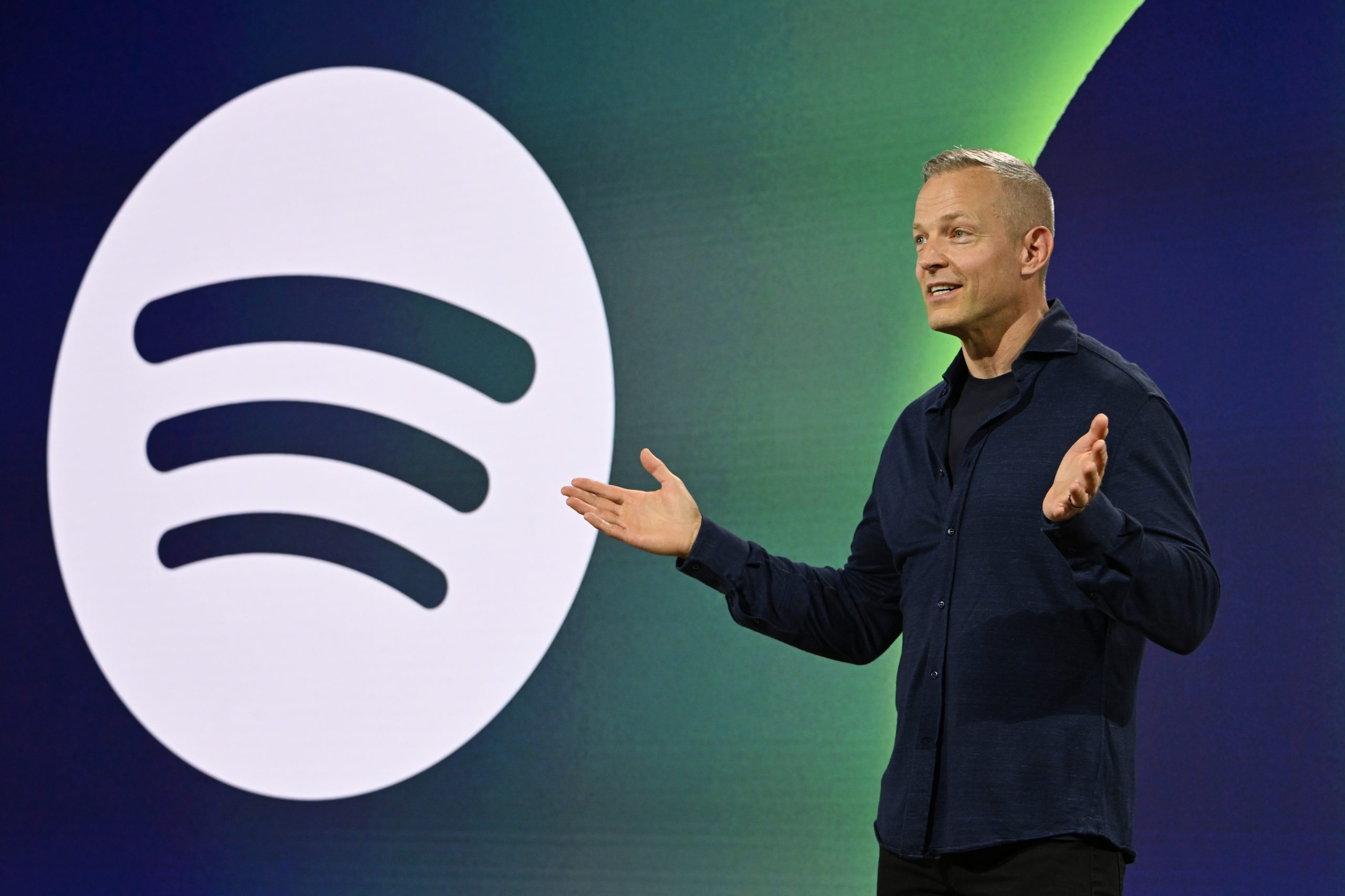
Gustav Söderström, Mühendislikten Sorumlu Başkan Yardımcısı Niklas Gustavsson ile birlikte sahneye dönerek Spotify’ın bir sonraki nesil kişiselleştirilmiş deneyimlerin arkasındaki zekayı ve altyapıyı nasıl inşa ettiğini aktardı.

Söderström, Spotify’ın uzun vadeli yapay zeka avantajının, en son teknoloji büyük dil modelleri (LLM) geliştirmekten değil, müzik, podcast’ler ve sesli kitaplar alanlarında trilyonlarca davranış sinyali ve yıllarca süren kullanıcı etkileşim verileriyle eğitilmiş, şirketin kendi geliştirdiği “Large Taste Model”e genel zeka uygulamaktan kaynaklandığını açıkladı. Söderström, LTM’in kullanıcı davranışı, lisanslı metadata, içerik üretici araçları ve kültürel bağlam dahil birden fazla zeka katmanını bir araya getirerek öneri sistemlerinin ötesine geçtiğini, gerçek zamanlı üretim ve kişiselleştirme sağladığını ifade etti. İlk uygulamalar şimdiden ölçülebilir etkileşim artışlarına yol açıyor; bunlara Otomatik Oynatma şarkı kaydetmelerinde %9’luk bir artış, Ana Sayfadan podcast keşfinde %9’luk bir iyileşme ve DJ mesajlarıyla etkileşimde yaklaşık %20’lik bir artış da dahil. Söderström, yapay zekanın sadece bir maliyet kalemi olmadığını, aynı zamanda müşteri sadakatini artırabilen, yaşam boyu değeri yükseltebilen ve platformun en aktif kullanıcılarına özel, yapay zeka destekli premium deneyimler ve eklentilerle kademeli bir fiyatlandırma modelini destekleyebilen bir gelir yaratma fırsatı olduğunu savundu.

Niklas Gustavsson on stage at Spotify Investor Day 2026

Niklas Gustavsson

Niklas Gustavsson ise yapay zekanın Spotify’ın ürün geliştirme biçimini ve hızını nasıl dönüştürdüğünü vurguladı. Bakım işlerini otomatize eden ve mühendislerin daha az engelle daha hızlı ilerlemesine yardımcı olan Spotify’ın dahili yapay zeka kodlama ajanı Honk’a dikkat çekti. Bugün Spotify mühendislerinin yüzde 99’u yapay zekayı haftalık olarak kullanıyor, kod katkılarının yüzde 73’ünden fazlası yapay zeka destekli ve yapay zeka güdümlü iş akışları şirket genelinde yeni fikirlerin prototiplenmesi, test edilmesi ve doğrulanması için gereken süreyi önemli biçimde kısaltıyor. 

Gustavsson ayrıca kullanıcıların Spotify ile etkileşim biçiminde köklü bir değişimi aktardı. Tarihsel olarak Spotify, atlamalar ve kaydetmeler gibi sinyaller aracılığıyla çıkarımda bulunuyordu. Üretken yapay zeka ile kullanıcılar artık ana dillerinde Spotify’a ne istediklerini doğrudan söyleyebiliyor; DJ, Prompted Playlists ve Taste Profile gibi daha etkileşimli ve kişiselleştirilmiş deneyimler mümkün hale geliyor. 

Gustavsson ayrıca Studio by Spotify Labs’i tanıttı. Personal Podcasts’ı bir adım öteye taşıyan bu bağımsız masaüstü uygulaması, kullanıcıların günlük bültenler gibi özel ve kişiselleştirilmiş ses deneyimleri üretmesine ve bunları doğrudan Spotify’daki kütüphanelerine kaydetmesine imkan tanıyacak. Yakında 20’den fazla pazarda Premium kullanıcılar için Araştırma Önizlemesi olarak kullanıma girecek. Studio, müzik, podcast ve sesli kitaplardaki Spotify zevkinizi anlıyor ve istediğiniz ses içeriğini daha hızlı bulmanıza yardımcı olmak için dünya çağındaki bilgi birikiminden yararlanabiliyor. Ayrıca sizin adınıza işlem yapmasına da izin verebilirsiniz: Konu araştırması yapmak, web tarayıcısı kullanmak, bilgileri düzenlemek ve günlük olarak kullandığınız araçlar genelinde görevleri tamamlamaya yardımcı olmak gibi. 

Christian Luiga, finansal özeti ve disiplinli bir yeniden yatırım çerçevesini paylaştı

Christian Luiga on stage at Spotify Investor Day 2026

Christian Luiga

CFO Christian Luiga, 2022’den bu yana kaydedilen ilerlemeyi ve 2030 hedeflerine giden yolu ele aldı. Brüt kar marjındaki artışın yaklaşık üçte birinin müzik işinden, geri kalanının ise sesli kitaplar ve podcast’lerden geldiğini belirtti ve bugün, hem müzik hem de müzik dışı dikeylerin yüzde 30’un üzerinde brüt kar marjıyla faaliyet gösterdiğini ekledi. 2025 yılında, Marketplace’ten elde ettiğimiz brüt kar, 2021 yılına göre dört kat daha yüksek oldu. 

Luiga, sağlanan iyileştirmelerin disiplinli bir finansal modeli yansıttığını da vurguladı. Kullanıcı ve abone sayısını artırmak, brüt kar marjını genişletmek ve net getiri sağladığını gördüğümüz alanlara yatırım yaparken maliyetleri kontrol altında tutmak. Sadece ABD’de müşteri LTV’sinin 2022’den bu yana yüzde 70’in üzerinde arttığına dikkat çekerek iş modelinin gücünü ve yatırımlarımızın getiri profilini pekiştirdiğini aktardı.

Luiga, 2030’a bakarak temel finansal hedeflerimizi şöyle özetledi: Yüzde 15-18 aralığında bir gelir yıllık bileşik büyüme oranı, yüzde 35 ile 40 arasında bir brüt kar marjı, yüzde 20’nin üzerinde bir faaliyet kar marjı ve serbest nakit akışında güçlü bir büyüme. 

Luiga sözlerine şunları ekledi: “Gün boyunca bu işin teknik detaylarını dinlediniz. Önemsediğimiz performans göstergeleri (KPI’lar) bağlılık, gelir, verimlilik ve müşteri sadakati üzerine odaklanıyor. Audiobooks+’tan DJ’e ve Reserved’e kadar attığımız tüm adımların bu bileşenlere bağlı olarak açıkça tanımlanmış hedefleri var ve bu adımların zaman içinde birbirini desteklemesi, LTV’deki kalıcı iyileşmeler sağlıyor.” 

Eş CEO’larımız, Spotify’ın “Hedefleri Yükseltme Yılı” vizyonunu yeniden vurgulayarak etkinliğin kapanışını yaptı. 

Alex Norström on stage at Spotify Investor Day 2026

Alex Norström

Alex Norström ve Gustav Söderström günün kapanışını Spotify’ın önümüzdeki yıllara ilişkin hedeflerini ve fırsatlarını yeniden vurgulayarak yaptı. Norström, gün boyunca paylaşılan güncellemelerin Spotify’ın geleceğine neden güven duyduğumuzu ortaya koyduğunu; bunun yalnızca bugüne kadar ulaştığımız ölçekten değil, önümüzde duran fırsatlardan da kaynaklandığını ifade etti. 
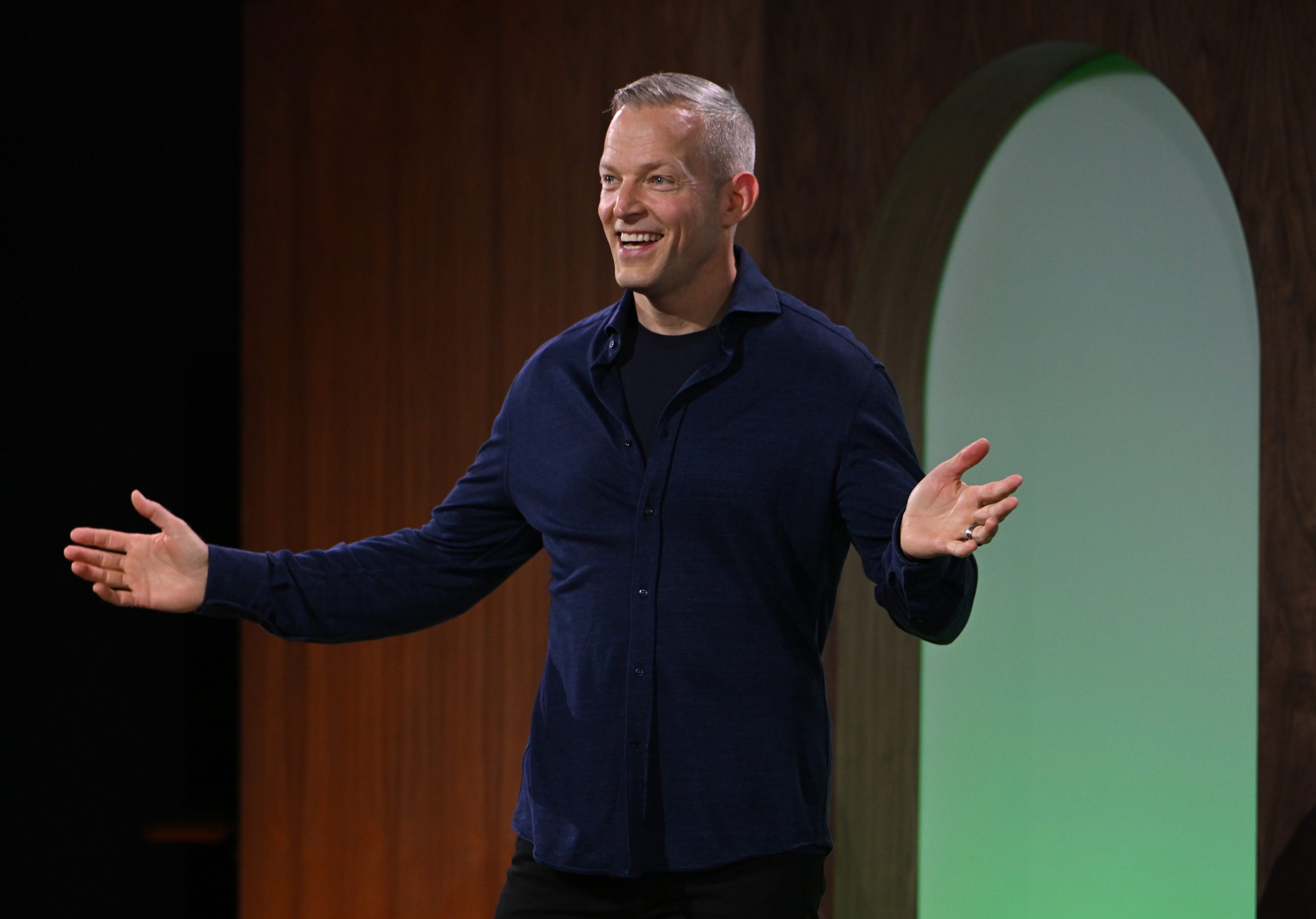
Gustav Söderström on stage at Spotify Investor Day 2026

Gustav Söderström

Söderström ise Spotify’ın dönüşümünün net bir yol izlediğini belirtti: Önce erişim, ardından kişiselleştirme, şimdi ise üretim. Attığımız her adım, Spotify’ın potansiyelini genişletirken, ölçek, veri ve kullanıcı anlayışı konusundaki avantajlarımızı da artırdı. 

Alex Norström sözlerini şöyle sürdürdü: “Bu yeni dönemde en önemli olan şeyler (zevk, güven ve kültür) Spotify için her zaman önemli olmuştur. Varoluş sebebimiz bu. Başarımızın sırrı bu. Ve inşa etmeye devam edeceğimiz şey de bu.” 

Söderström ise “İnşa ettiklerimizden gurur duyuyoruz,” diyerek ekledi: “Ancak bizi daha da heyecanlandıran, önümüzdeki yirmi yıl.” 

Spotify’ın 2026 Investor Day etkinliğinden tüm haber ve duyurularını keşfedin. 


İleriye Dönük İfadeler:

ABD Menkul Kıymetler Yasası’nın 27A. Maddesi ve ABD Menkul Kıymetler Borsası Yasası’nın 21E. Maddesi kapsamında, yukarıdaki belirli ifadelerin “ileriye dönük ifadeler” oluşturduğunu hatırlatmak isteriz. “Yapacak”, “bekliyor”, “inanıyor” gibi ifadeler ileriye dönük ifadeleri belirtmek amacıyla kullanılmıştır. İleriye dönük ifadelere örnekler arasında şirketimizin gelecekteki performansına ilişkin projeksiyonlar veya tahminler sayılabilir; ancak bunlarla sınırlı değildir. Bu tür ileriye dönük ifadeler, gerçek sonuçların tarihsel deneyimimizden ve mevcut beklentilerimizden veya projeksiyonlarımızdan önemli ölçüde farklılaşmasına yol açabilecek önemli riskler, belirsizlikler ve varsayımlar içermektedir. Bu riskler arasında potansiyel kullanıcıları çekme, mevcut kullanıcıları elde tutma ve ürün ve hizmetlerimizi monetize etme kapasitemiz; kullanıcılar, onların zamanı ve reklamverenler için rekabet; uluslararası operasyonlarımızla ilgili riskler; yapay zeka kullanımımıza ilişkin riskler ve ABD Menkul Kıymetler ve Borsa Komisyonu’na yaptığımız başvurularda belirtilen diğer riskler yer almaktadır. Belirtilen tarihten sonra meydana gelen olaylar veya koşullar nedeniyle ileriye dönük ifadeleri güncelleme yükümlülüğümüz bulunmamaktadır.

IFRS Dışı Finansal Ölçütler:

Yukarıdaki tartışma, Uluslararası Finansal Raporlama Standartları (IFRS) çerçevesinde belirlenen finansal ölçütlere alternatif olarak yorumlanmaması gereken IFRS dışı finansal ölçütleri içermektedir. Bu IFRS dışı finansal ölçütlerin en yakın karşılaştırılabilir IFRS ölçütleriyle mutabakatı için web sitemizde yayımlanan Investor Day sunumunun ekine bakınız.
Resumo do Investor Day 2026 do Spotify: elevando a ambição para a próxima era da mídia

Spotify Bug next to an Investor Day 2026 logo on a light background

Hoje, o Spotify realizou seu terceiro Investor Day em Nova York, oferecendo à comunidade financeira uma visão detalhada sobre o negócio e a estratégia de longo prazo da companhia em um ano que também marca o aniversário de 20 anos da plataforma. O evento contou com apresentações dos co-CEOs Alex Norström e Gustav Söderström, que lideraram seu primeiro Investor Day desde que assumiram o comando da empresa no início de 2026, além de outros integrantes da liderança global.

Quatro anos após a apresentação do conceito da Spotify Machine, o evento mostrou a próxima etapa da plataforma: a transição da curadoria e recomendação para uma nova era baseada em geração. Impulsionado pelo Large Taste Model e alimentado por 3,4 trilhões de sinais de preferência (“taste signals”) diários dos usuários, o Spotify está construindo um futuro verdadeiramente pessoal e interativo, com a ambição de oferecer a cada pessoa mais formas de criar, descobrir e se conectar.

Confira abaixo os principais destaques compartilhados pelos porta-vozes da companhia.

Alex Norström e Gustav Söderström refletem sobre o crescimento do Spotify e apontam os caminhos para o futuro

Alex Norström and Gustav Söderström on stage at Spotify Investor Day 2026

Alex Norström and Gustav Söderström

Os co-CEOs abriram o evento celebrando os 20 anos do Spotify e destacando a escala alcançada pela plataforma em 184 mercados, com 761 milhões de usuários ativos. Atualmente, o Spotify conta com quase 300 milhões de assinantes, consolidando-se como um dos maiores negócios de assinatura do mundo.

“O Spotify atua no negócio de levar criatividade e cultura ao mundo, ajudando artistas, criadores e autores a se conectarem com suas audiências e expandirem suas carreiras”, afirmou Alex, acrescentando que “a oportunidade à nossa frente nunca foi tão grande”.

Eles também destacaram os avanços conquistados desde o último Investor Day, em 2022, incluindo CAGR de receita FXN de 18%, margem bruta de 32%, aumento de mais de 18 pontos percentuais na margem operacional e cerca de €3 bilhões em fluxo de caixa livre em 2025.

Juntos, compartilharam quatro grandes ideias que irão definir o próximo capítulo da empresa. 

A primeira é que o mundo funciona segundo uma lei de potência. E para o Spotify, isso abre um leque significativo de possibilidades de monetização. Como não existe um “usuário médio”, o Spotify está construindo um portfólio de produtos e add-ons com maior ARPU (receita média por usuário) para capturar mais valor das audiências mais engajadas. Isso já vem mostrando resultados: usuários do Audiobooks+ geram LTVs (“lifetime value”, ou valor do tempo de vida do cliente) significativamente superiores aos de usuários exclusivamente Premium.

A segunda é que o Spotify está migrando de um modelo para um jogador, passivo, para um modelo multijogador e interativo. Essa mudança estratégica surgiu da observação do comportamento dos usuários, especialmente da forma orgânica como as pessoas compartilham e criam playlists colaborativas. Hoje, esse comportamento escala por toda a plataforma com recursos como Jam, utilizado por quase 50 milhões de pessoas, e playlists colaborativas, reproduzidas por mais de 45 milhões de usuários, criando um efeito de rede que fortalece conexões reais por meio da música.

O terceiro foco está na IA. O mundo está caminhando para uma nova geração, onde nossos usuários têm o controle, e nosso objetivo é justamente proporcionar isso a eles. Mais do que curadoria e recomendação, a experiência passa agora a ser moldada em tempo real em torno dos gostos, contexto e intenção específicos de cada usuário. Com funcionalidades como Prompted Playlists e Taste Profile, o Spotify oferece mais controle aos usuários e constrói o primeiro media player para a era generativa.

A quarta é “Tempo bem gasto”. O Spotify continua se posicionando como um dos ambientes digitais onde as pessoas sentem que seu tempo é melhor aproveitado, porque o foco não está em maximizar engajamento a qualquer custo, mas em construir uma plataforma que faça os usuários se sentirem bem. Isso é especialmente relevante porque, embora as pessoas possam gastar tempo com atividades das quais se arrependem depois, elas tendem a ser menos propensas a pagar por esse tipo de experiência.

Gustav Gyllenhammar compartilha o playbook para alcançar 1 bilhão de assinantes

Gustav Gyllenhammar on stage at Spotify Investor Day 2026

Gustav Gyllenhammar

Gustav Gyllenhammar, SVP de Markets & Subscriptions, apresentou o playbook de crescimento da companhia e a convicção de que o Spotify alcançará, futuramente, 1 bilhão de assinantes.

A jornada do usuário começa no plano Free, impulsionando engajamento, criando hábitos e estabelecendo as bases para a conversão ao Premium ao longo do tempo. A partir daí, a empresa investe em valor, fortalece retenção e amplia o ARPU. Esse mesmo modelo continua escalando em diferentes mercados, culturas e níveis de maturidade.

Gustav também destacou o papel da inteligência artificial na aceleração desse modelo, ajudando a localizar experiências mais rapidamente e personalizar o funil Freemium em tempo real.

Ele compartilhou insights de diferentes regiões do mundo que demonstram a força do negócio do Spotify em mercados desenvolvidos, em expansão e maduros. Na Suécia, a penetração de usuários pagos se aproxima de 50% da população — mais de dez vezes a média global. Nos Estados Unidos, dados da Midia mostram que o Spotify aumentou sua participação no mercado Premium entre 8 e 10 pontos percentuais nos últimos seis anos. No Brasil, a taxa de conversão dobrou, chegando a 44% desde 2016, enquanto a base de usuários cresceu 14 vezes. Na Índia, um dos maiores mercados da empresa em MAUs (usuários ativos mensais), o número de assinantes cresceu sete vezes desde o últimos Investor Day. Em todos os mercados, esse crescimento é impulsionado por uma forte estratégia de localização, que vai desde campanhas culturalmente relevantes até parcerias locais e integrações de pagamento.

Nicole Burrow e Natasa Soltic explicam por que “Time Well Spent” é uma estratégia central para o negócio

Nicole Burrow on stage at Spotify Investor Day 2026

Nicole Burrow

Nicole Burrow, VP de Product Design, e Natasa Soltic, VP de Core Experience, falaram sobre como tornar o tempo das pessoas no Spotify mais valioso influencia tudo o que construímos e a forma como fazemos o negócio crescer.

O Spotify ocupa um ponto de encontro entre produto e cultura. A evidência disso começa com o Wrapped, retrospectiva anual personalizada da plataforma, que gerou mais de 620 milhões de compartilhamentos em 2025. O Spotify consegue transformar uma campanha de marketing em um fenômeno cultural ano após ano graças a uma ideia simples: experiências sem arrependimento. Na semana passada, a empresa lançou uma experiência especial dentro do app para celebrar o aniversário de 20 anos do Spotify. Cerca de 100 milhões de pessoas interagiram com a iniciativa nos primeiros seis dias, impulsionando o maior dia de aquisição de usuários da história da plataforma.

“Todos os dias tomamos decisões deliberadas para garantir que o tempo no Spotify valha a pena.Transformamos momentos comuns em experiências mais envolventes, pessoais e significativas por meio das vivências que criamos”, afirmou Nicole. “Isso nos mantém focados em experiências que as pessoas valorizam e às quais escolhem retornar deliberadamente.” Ela também destacou um estudo recente de afinidade com marcas, mostrando que, entre as principais plataformas, o Spotify ficou em primeiro lugar em termos de tempo bem gasto. Questionados sobre o inverso, qual serviço eles nunca se arrependem de usar, o Spotify novamente ficou em primeiro lugar.”

Natasa Soltic on stage at Spotify Investor Day 2026

Natasa Soltic

Na sequência, Natasa explicou como os times de produto começam observando o comportamento dos usuários e identificando os sinais mais relevantes. Recursos como SongDNA e About the Song surgem dessa abordagem, transformando o interesse dos fãs em mais contexto, maior engajamento e mais razões para voltar à plataforma.

Desde seu lançamento, em março, o SongDNA já gerou mais de 265 milhões de interações. A inteligência artificial também está transformando a velocidade em que aceleramos a execução, permitindo desenvolver produtos que oferecem mais controle, conexão e personalização aos usuários.

Charlie Hellman, Joe Hadley e Rene Volker anunciam o futuro da música no Spotify

Charlie Hellman on stage at Spotify Investor Day 2026

Charlie Hellman

Charlie Hellman, SVP e Global Head of Music; Joe Hadley, Global Head of Music Partnerships & Audience; e Rene Volker, Head of Live Events, subiram ao palco para falar sobre o coração do negócio do Spotify: a música.

Charlie iniciou destacando a dimensão do compromisso da empresa com a indústria musical. Somente em 2025, o Spotify pagou mais de US$ 11 bilhões à indústria da música — crescimento superior a 10% em relação ao ano anterior. Isso representa mais do que o dobro da taxa de crescimento combinada de todas as demais fontes de receita musical. Os pagamentos acumulados ao longo da história já ultrapassam US$ 70 bilhões.

Ele também anunciou acordos de licenciamento históricos com a Universal Music Group e a Universal Music Publishing Group, permitindo que o Spotify lance uma nova ferramenta onde os fãs podem criar covers e remixes a partir dos catálogos de artistas e compositores participantes, com consentimento, crédito e remuneração incluídos desde o início. A nova ferramenta será lançada como um complemento pago para usuários do Spotify Premium e criará uma fonte adicional de renda para artistas e compositores, além do que eles já ganham no Spotify.

“A IA generativa está acelerando a criação em um ritmo sem precedentes”, disse ele. “Junto com trabalhos novos e originais, há uma onda de covers, remixes e reinterpretações baseadas em músicas já existentes. Sem um sistema de direitos autorais em vigor, os artistas podem perder o controle de suas obras, e o valor pode ser criado sem retornar para as pessoas que as produziram… Este é exatamente o tipo de problema que o Spotify foi criado para resolver.”

Joe Hadley on stage at Spotify Investor Day 2026

Joe Hadley

Joe destacou que, em um mundo cada vez mais conectado à inteligência artificial, expertise humano se torna mais raro e valioso. As duas décadas de curadoria editorial e instinto cultural do Spotify, combinadas com conhecimento local e alcance global, formam uma base proprietária difícil de replicar rapidamente.

Ele também ressaltou o crescimento dos videoclipes musicais, com mais de dois terços dos assinantes Premium já tendo assistido a vídeos musicais no Spotify.

Rene Volker on stage at Spotify Investor Day 2026

Rene Volker

Rene encerrou o bloco de música com um dos anúncios mais importantes do dia: o Reserved by Spotify. Pela primeira vez, os fãs mais dedicados de um artista no Spotify Premium terão dois ingressos reservados exclusivamente para eles antes da venda geral. O Reserved by Spotify será lançado neste verão em parceria com a Live Nation. O Spotify será o único serviço de streaming de áudio a oferecer esse tipo de acesso reservado a ingressos da Live Nation, ajudando fãs a garantirem entradas para algumas das turnês mais aguardadas dos Estados Unidos, com expansão rápida para outros mercados.

“Todos os serviços de streaming têm as mesmas músicas”, afirmou Rene. “Reserved é algo que apenas o Spotify pode oferecer — e isso muda o significado de ser assinante.”

Roman Wasenmüller e Maya Prohovnik apresentam os podcasts como um segundo motor rentável

Roman Wasenmüller on stage at Spotify Investor Day 2026

Roman Wasenmüller

Roman Wasenmüller, VP e Global Head of Podcasts, e Maya Prohovnik, VP of Podcast Product, aprofundaram a visão sobre o negócio de podcasts.

Roman destacou que os podcasts já entram em seu segundo ano consecutivo de rentabilidade e que o crescimento continua acelerando. Segundo ele, a vantagem competitiva do Spotify vem da atuação em três frentes: como plataforma de consumo que aprofunda o engajamento, como publisher que escala publicidade e como um conjunto de ferramentas que ajuda criadores a monetizar e expandir suas audiências.

Ele também anunciou o próximo lançamento de Memberships, um novo conjunto de ferramentas que permitirá que criadores elegíveis ofereçam assinaturas diretamente aos seus fãs mais dedicados dentro do Spotify.

Maya Prohovnik on stage at Spotify Investor Day 2026

Maya Prohovnik

Maya, por sua vez, apresentou inovações de produto que tornam os podcasts mais fáceis de descobrir e mais valiosos para os usuários, incluindo transcrições, capítulos automáticos e perguntas em tempo real sobre o conteúdo que está sendo ouvido.

Ela também destacou o trabalho da empresa em Personal Podcasts, explicando que, após observar uma forte demanda de usuários criando áudios personalizados com seus próprios agentes e salvando esse conteúdo no Spotify, em breve será mais fácil gerar áudios curtos, privados e personalizados diretamente dentro da plataforma.

Por fim, Maya destacou a expansão da experiência de fitness da companhia, incluindo vídeos de treino por meio da parceria com a Peloton. Em breve, também serão lançadas sessões de corrida guiadas e adaptativas, nas quais os usuários poderão pedir ao Spotify playlists com ritmo e BPM específicos.

Owen Smith revela a estratégia para expandir dos audiolivros para o universo mais amplo dos livros

Owen Smith on stage at Spotify Investor Day 2026

Owen Smith

Owen Smith, VP e Global Head of Audiobooks, apresentou a rápida expansão do Spotify no universo dos livros.

Em apenas dois anos, o Spotify passou de 150 mil para mais de 700 mil títulos de audiolivros disponíveis no Premium em 22 mercados. Quase metade dos ouvintes de audiolivros da plataforma tem menos de 35 anos — um público consideravelmente mais jovem do que o mercado geral — e o Spotify está ajudando a indústria editorial a alcançar um de seus segmentos mais difíceis: homens jovens. As horas de escuta cresceram 60% entre 2024 e 2025, e quase metade dos consumidores de audiolivros começou a ouvir esse formato nos últimos 12 meses.

A empresa também segue desenvolvendo ferramentas que conectam diferentes formatos de leitura, incluindo o Page Match, recurso que ajuda os usuários a transitarem de forma fluida entre livros físicos, ebooks e audiolivros. Além disso, o Spotify expandiu sua parceria com a Bookshop.org, permitindo a compra de livros impressos diretamente pelo aplicativo.

Owen revelou ainda que o Audiobooks+ está a caminho de alcançar US$ 100 milhões em receita recorrente anualizada já em julho, e que novos add-ons estão sendo lançados com mais horas disponíveis para leitores intensivos, além de planos Family e Student.

Para autores, ele anunciou que o Spotify for Authors será expandido para 10 novos idiomas e que as novas Audiobook Creation Tools — previstas para lançamento em beta no início de junho — permitirão que autores independentes tenham acesso à geração integrada de voz digital diretamente na plataforma, sem necessidade de acordos de exclusividade.

As Prompted Playlists também chegarão aos audiolivros neste verão, levando pela primeira vez a descoberta baseada em linguagem natural ao universo dos livros.

Katie English detalha a nova máquina de publicidade do Spotify

Katie English on stage at Spotify Investor Day 2026

Katie English

Katie English, Senior Director e Global Head of Ad Product, explicou como o Spotify reconstruiu seu negócio publicitário em torno da própria experiência da plataforma. “Nossa plataforma de anúncios precisa ser construída para o Spotify, e não apenas acoplada ou adicionada a ela”, afirmou. Ela também destacou a oportunidade de oferecer grandes experiências publicitárias em música, podcasts e vídeo para os 483 milhões de usuários do plano Free, tudo impulsionado por um novo sistema unificado.

Katie ressaltou o crescimento de High Impact Sponsorships e Scaled Biddable, que juntos oferecem aos anunciantes mais formas de se conectar com as audiências do Spotify por meio de cultura, performance e automação. Os canais Biddable já representam mais de um terço do negócio publicitário, e o Spotify hoje opera uma das maiores exchanges globais de anúncios em áudio.

Ela também destacou os fortes resultados do primeiro trimestre, com crescimento de 68% no número de anunciantes ativos em comparação ao ano anterior, além de expansão significativa na Europa, Oriente Médio e África — quase 10% na comparação anual — e na América Latina, com crescimento de 25%.

Olhando para o futuro, Katie afirmou que a companhia está focada em expandir o mercado publicitário do Spotify, utilizando inteligência artificial para tornar a plataforma mais eficiente e criando experiências publicitárias que pareçam mais nativas ao ecossistema da marca.

Gustav Söderström e Niklas Gustavsson explicam como a IA está transformando o negócio

Gustav Söderström on stage at Spotify Investor Day 2026

Gustav Söderström

Gustav Söderström voltou ao palco ao lado de Niklas Gustavsson, VP of Engineering, para explicar como o Spotify está construindo a inteligência e a infraestrutura por trás da próxima geração de experiências personalizadas.

Gustav explicou que a vantagem de longo prazo da IA ​​do Spotify não vem da construção de LLMs de ponta, mas da aplicação de inteligência geral ao nosso “Modelo de Grandes Gostos” proprietário, treinado com trilhões de sinais comportamentais e anos de dados de interação do usuário em músicas, podcasts e audiolivros. Ele descreveu como o LTM combina múltiplas camadas de inteligência, incluindo comportamento do usuário, metadados licenciados, ferramentas de criação e contexto cultural, para ir além da recomendação e chegar à geração e personalização em tempo real. As primeiras implementações já estão gerando ganhos mensuráveis ​​de engajamento, incluindo um crescimento de 9% nos salvamentos de músicas com reprodução automática, uma melhoria de 9% na descoberta de podcasts a partir da tela inicial e quase 20% mais interação com mensagens de DJs. Gustav argumentou que a IA não é simplesmente uma camada de custo, mas uma oportunidade de monetização que pode aprofundar a retenção, aumentar o valor vitalício do usuário e suportar um modelo de preços escalonado com experiências premium baseadas em IA e complementos personalizados para os usuários mais engajados da plataforma.

Niklas Gustavsson on stage at Spotify Investor Day 2026

Niklas Gustavsson

Niklas então destacou como a IA está transformando tanto a maneira como o Spotify cria produtos quanto a rapidez com que pode lançá-los. Ele mencionou o Honk, o agente de codificação de IA interno do Spotify, que automatiza o trabalho de manutenção e ajuda os engenheiros a trabalharem mais rápido e com menos atrito. Hoje, 99% dos engenheiros do Spotify usam IA semanalmente, mais de 73% das contribuições de código são assistidas por IA e os fluxos de trabalho baseados em IA estão reduzindo drasticamente o tempo necessário para prototipar, testar e validar novas ideias em toda a empresa.

Ele também descreveu uma mudança importante na forma como os usuários interagem com a plataforma. Historicamente, o Spotify interpretava a intenção dos usuários por meio de sinais como skips e saves. Com a IA generativa, os usuários agora podem dizer diretamente ao Spotify o que desejam usando linguagem natural, habilitando experiências mais interativas e personalizadas, como DJ, Prompted Playlists e Taste Profile.

Além disso, Niklas apresentou o Studio by Spotify Labs, um aplicativo para desktop que leva os Personal Podcasts a outro nível, permitindo que usuários gerem experiências privadas e personalizadas de áudio — como briefings diários — e as salvem diretamente em suas bibliotecas pessoais dentro do Spotify. A ferramenta entende os gostos do usuário em música, podcasts e audiolivros, além de utilizar conhecimento do mundo para ajudar as pessoas a encontrarem o áudio que procuram com mais rapidez. Também será possível permitir que o sistema aja em nome do usuário, pesquisando temas, navegando na web, organizando informações e auxiliando na realização de tarefas em ferramentas do dia a dia.

Christian Luiga compartilha resumo financeiro e framework disciplinado de reinvestimento

Christian Luiga on stage at Spotify Investor Day 2026

Christian Luiga

O Chief Financial Officer, Christian Luiga, destacou o progresso alcançado pela companhia desde 2022 e apresentou o caminho rumo às metas estabelecidas para 2030. Ele explicou que aproximadamente um terço da expansão da margem bruta veio do negócio de música, enquanto o restante foi impulsionado pelos audiolivros e podcasts. Atualmente, tanto o segmento musical quanto as verticais não musicais operam com margens brutas superiores a 30%. Em 2025, o lucro bruto gerado pelo Marketplace foi quatro vezes maior do que em 2021.

Christian também reforçou que as melhorias obtidas refletem um modelo financeiro disciplinado: crescer usuários e assinantes, expandir margem bruta e manter rigoroso controle de custos enquanto a empresa investe em áreas com retornos claros. Ele destacou ainda que, somente nos Estados Unidos, o LTV dos clientes cresceu mais de 70% desde 2022, reforçando a solidez do modelo de negócios e o perfil de retorno dos investimentos da companhia.

Olhando para 2030, Christian compartilhou os principais objetivos financeiros do Spotify: CAGR de receita em “mid-teens”, margem bruta entre 35% e 40%, margem operacional acima de 20% e forte crescimento do fluxo de caixa livre.

“Durante o dia, vocês ouviram como tudo isso funciona na prática”, afirmou Christian. “Os KPIs que apresentamos estão centrados em engajamento, receita, eficiência e retenção. Nossas apostas — de Audiobooks+ até DJ e Reserved — possuem objetivos claramente quantificados e conectados a esses indicadores. A forma como essas iniciativas se fortalecem mutuamente é o que impulsionará melhorias sustentáveis de LTV.”

Co-CEOs encerram o Investor Day reafirmando o “Year of Raising Ambition” do Spotify

Alex Norström on stage at Spotify Investor Day 2026

Alex Norström

Alex Norström e Gustav Söderström encerraram o evento reforçando os objetivos e oportunidades do Spotify para os próximos anos. Alex destacou que as novidades apresentadas ao longo do dia demonstram por que a companhia está confiante no futuro do Spotify — não apenas pela escala já construída, mas também pela oportunidade que ainda existe pela frente.

Gustav Söderström on stage at Spotify Investor Day 2026

Gustav Söderström

Gustav acrescentou que a evolução do Spotify seguiu um caminho claro: primeiro acesso, depois personalização e agora geração. Cada etapa expandiu o potencial do que o Spotify pode se tornar, fortalecendo suas vantagens em escala, dados e entendimento do comportamento dos usuários.

Alex disse: “O que mais importa neste próximo capítulo — bom gosto, confiança e cultura — sempre importou para o Spotify. É por isso que existimos. É onde temos sucesso. E é para isso que continuaremos a construir.”

“Estamos orgulhosos do que construímos”, concluiu Gustav, “mas estamos ainda mais animados com os próximos vinte anos.”

Explore todas as notícias e anúncios do Investor Day 2026 de Spotify.


Declarações prospectivas:

Gostaríamos de alertar que algumas das declarações acima constituem “forward-looking statements”, conforme definido na Seção 27A da Lei de Valores Mobiliários dos Estados Unidos de 1933, conforme alterada, e na Seção 21E da Lei do Mercado de Valores Mobiliários dos Estados Unidos de 1934, também alterada.

Termos como “will”, “expect”, “believe” e expressões semelhantes têm como objetivo identificar declarações prospectivas. Exemplos incluem projeções ou estimativas relacionadas ao desempenho futuro da companhia.

Essas declarações envolvem riscos, incertezas e premissas significativas que podem fazer com que os resultados reais sejam materialmente diferentes da experiência histórica da empresa e de suas expectativas ou projeções atuais, incluindo a capacidade de atrair novos usuários, reter usuários existentes e monetizar produtos e serviços; a concorrência por usuários, tempo e anunciantes; riscos associados às operações internacionais e à capacidade de gerenciar o crescimento e a complexidade do negócio; riscos relacionados ao uso de inteligência artificial; e outros fatores descritos nos documentos apresentados à Securities and Exchange Commission (SEC).

A companhia não assume qualquer obrigação de atualizar declarações prospectivas para refletir eventos ou circunstâncias posteriores à data deste documento.

Medidas financeiras não IFRS:

A discussão acima inclui medidas financeiras não IFRS que não devem ser interpretadas como alternativas às medidas financeiras determinadas de acordo com as Normas Internacionais de Relato Financeiro (IFRS). Consulte o apêndice da nossa apresentação para investidores, disponível em nosso site, para obter uma conciliação dessas medidas financeiras não IFRS com as medidas IFRS mais comparáveis.

스포티파이 2026 인베스터 데이(Investor Day): 다음 시대의 미디어를 향한 새로운 비전

Spotify Bug next to an Investor Day 2026 logo on a light background

스포티파이 2026 인베스터 데이: 다음 시대의 미디어를 향한 새로운 비전

오늘 스포티파이는 미국 뉴욕에서 세 번째 인베스터 데이(Investor Day)를 개최하고, 금융 업계 관계자들을 대상으로 스포티파이의 비즈니스와 프로덕트 전략, 그리고 장기적인 비전에 대해 공유했습니다. 올해는 스포티파이의 20주년이 되는 해이기도 합니다.

이번 인베스터 데이는 올해 초 공동 CEO로 취임한 알렉스 노스트롬(Alex Norström) 구스타브 소더스트롬(Gustav Söderström)이 처음으로 Investor Day를 이끌며 발표에 나섰고, 글로벌 리더십 팀 주요 임원들도 함께 자리했습니다.

4년 전 ‘스포티파이 머신(Spotify Machine)’ 이라는 개념을 처음 소개한 이후, 스포티파이는 이제 또 한 번의 진화를 준비하고 있습니다. 단순히 콘텐츠를 큐레이션하고 추천하는 서비스를 넘어, 이제는 유저가 직접 경험을 만들어가는 새로운 생성 중심의 미디어 환경으로 나아가고 있는 것입니다.

스포티파이는 자체 개발한 ‘거대 취향 모델(Large Taste Model, LTM)’과 전 세계 가장 열정적인 팬들이 매일 만들어내는 3조 4천억 건 이상의 취향 시그널(Taste Signals)을 기반으로, 더욱 개인화되고 인터랙티브한 미디어 경험의 미래를 만들어가고 있습니다. 이를 통해 유저들이 더 다양한 방식으로 창작하고, 발견하며, 서로 연결될 수 있도록 하는 것이 스포티파이의 목표입니다.

이번 Investor Day에서 공개된 주요 내용들을 정리했습니다.

알렉스 노스트롬 & 구스타브 소더스트롬 공동 CEO: 스포티파이의 성장과 다음 챕터 

Alex Norström and Gustav Söderström on stage at Spotify Investor Day 2026

Alex Norström and Gustav Söderström

알렉스 노스트롬(Alex Norström)과 구스타브 소더스트롬(Gustav Söderström) 공동 CEO는 스포티파이의 20주년을 돌아보며 발표를 시작했습니다

현재 스포티파이는 전 세계 184개 시장에서 7억 6,100만 명 이상의 월간 활성 사용자(MAU)를 보유하고 있으며, 약 3억 명에 달하는 유료 구독자를 확보하고 있습니다. 이는 스포티파이를 세계 최대 규모의 구독 기반 서비스 중 하나로 자리매김하게 했습니다.

알렉스 노스트롬은 “스포티파이는 전 세계에 창의성과 문화를 전달하고, 아티스트와 크리에이터, 그리고 작가들이 더 많은 사람들과 연결될 수 있도록 돕고 있다”며 “앞으로의 가능성은 그 어느 때보다 크다”고 말했습니다.

두 CEO는 2022년 인베스터 데이 이후 스포티파이가 이룬 성과도 함께 소개했습니다. 고정환율(FXN) 기준 연평균 매출 성장률(CAGR) 18%, 매출총이익률 32%, 18%p 이상의 영업이익률 확대, 그리고 2025년 약 30억 유로 규모의 잉여현금흐름(FCF) 달성 등이 대표적입니다.

이날 스포티파이는 앞으로의 성장을 이끌 네 가지 핵심 방향도 공유했습니다.

첫 번째는 세상이 멱법칙 (Power Law) 구조로 움직인다는 점입니다. 그리고 스포티파이는 이 구조 안에서 새로운 수익화 기회를 만들어가고 있습니다. 스포티파이는 더 이상 ‘평균적인 유저’를 기준으로 생각하지 않습니다. 대신 가장 열성적인 유저들에게 더 높은 가치를 제공할 수 있는 고ARPU(가입자당 평균 매출) 제품과 부가 서비스를 확대하며, 더욱 다양한 방식으로 가치를 만들어가고 있습니다. 실제로 Audiobooks+ 이용자들의 고객생애가치(LTV)는 Premium-only 유저 대비 몇 배 높은 수준을 기록하고 있습니다.

두 번째는 스포티파이가 혼자 소비하는 수동적인 경험을 넘어, 함께 참여하고 상호작용하는 경험을 제공하는 플랫폼으로 진화하고 있다는 점입니다. 이러한 변화는 유저들의 행동을 관찰하는 과정에서 자연스럽게 시작됐습니다. 실제로 많은 유저들이 플레이리스트를 함께 만들고 공유하며 음악을 중심으로 연결되고 있었기 때문입니다. 이러한 행동은 이제 플랫폼 전반으로 확장되고 있습니다. 현재 약 5천만 명이 사용하는 ‘Jam’을 비롯해, 약 5천만 명이 스트리밍한 ‘공유 플레이리스트(Collaborative Playlist)까지, 스포티파이는 음악을 통해 사람들 간의 실제 관계를 더욱 강화하는 네트워크 효과를 만들어가고 있습니다.

세 번째는 AI 입니다. 현재 전 세계는 사용자가 주도하는 생성의 시대로 변화하고 있으며, 스포티파이의 목표 역시 유저가 원하는 바를 정확히 구현해 내는 것 입니다. 단순한 큐레이션과 추천을 넘어, 이제 스포티파이의 경험은 각 유저의 취향과 상황, 의도에 맞춰 실시간으로 구성됩니다.‘Prompted Playlists’‘Taste Profile’ 같은 기능을 통해 유저들은 더 많은 제어권을 갖게 되었으며, 스포티파이는 생성형 시대에 맞는 새로운 형태의 미디어 플레이어를 만들어가고 있습니다.

네 번째는 “가치 있는 시간(Time Well Spent)”입니다. 스포티파이는 사람들이 온라인에서 가장 가치 있게 시간을 보내는 플랫폼 중 하나로 꾸준히 평가받고 있습니다. 이는 어떤 대가를 치르더라도 사용 시간을 늘리는 데 집중하기보다, 유저들이 스스로 만족감을 느낄 수 있는 지속 가능한 플랫폼 경험을 만드는 데 집중하고 있기 때문입니다. 사람들은 때로 후회할 만한 일에 시간을 쓰기도 하지만, 그런 경험에 기꺼이 비용을 지불하지는 않습니다. 그렇기 때문에 ‘Time Well Spent’는 스포티파이의 비즈니스 측면에서도 중요한 의미를 갖습니다.

구스타브 길렌하머: 10억 명 구독자 달성을 위한 성장 전략  

Gustav Gyllenhammar on stage at Spotify Investor Day 2026

Gustav Gyllenhammar

구스타브 길렌하머(Gustav Gyllenhammar) 시장 및 구독 부문 SVP는 스포티파이의 성장 전략과 함께, 장기적으로 10억 명의 구독자를 목표로 하고 있는 이유에 대해 설명했습니다. 스포티파이의 유저 여정은 광고 기반 무료 요금제인 ‘스포티파이 프리(Free)’에서 시작됩니다. 스포티파이 Free는 유저들의 참여를 이끌고, 음악 청취 습관을 만들며, 장기적으로 유료 구독 서비스인 ‘스포티파이 프리미엄(Premium)’ 전환의 기반이 됩니다. 이후 스포티파이는 서비스 가치를 높이고, 유지율을 강화하며, ARPU를 확대하는 데 집중합니다. 이러한 성장 전략은 시장과 문화, 그리고 시장 성숙도와 관계없이 글로벌 전반에서 확장되고 있습니다. 

또한 구스타브 길렌하머는 AI가 이러한 성장 모델을 더욱 가속화하는 데 중요한 역할을 하고 있다고 설명했습니다. AI는 각 시장에 맞는 현지화 작업을 더욱 빠르게 가능하게 하고, 무료 서비스를 사용하는 유저들이 자연스럽게 Premium의 가치를 경험하고 유료 구독으로 이어질 수 있도록, 사용자 경험을 실시간으로 더욱 정교하게 개인화하는 데 기여하고 있습니다.

이어 그는 성장 단계와 시장 성숙도가 서로 다른 글로벌 시장 사례를 통해 스포티파이 비즈니스의 경쟁력을 소개했습니다. 스웨덴에서는 유료 구독자 비율이 전체 인구의 약 50% 수준에 가까워졌으며, 이는 글로벌 평균의 10배가 넘는 수치입니다. 미국에서는 Midia 데이터 기준 지난 6년 동안 Spotify Premium의 시장 점유율이 8~10%p 증가했습니다. 브라질에서는 2016년 이후 유저 수가 14배 성장하는 동안 Premium 전환율이 44%까지 두 배 가까이 상승했습니다. 또한 MAU 기준 주요 시장 중 하나인 인도에서는 지난 인베스터 데이 대비 구독자 수가 7배 성장했습니다.

니콜 버로우, 나타사 솔틱: 왜 ‘Time Well Spent”가 중요한가

Nicole Burrow on stage at Spotify Investor Day 2026

Nicole Burrow

니콜 버로우(Nicole Burrow) 제품 디자인 부문 VP와 나타사 솔틱(Natasa Soltic) 코어 익스피리언스 부문 VP는 스포티파이에서 보내는 시간을 가치 있게 만드는 것이 어떻게 제품 경험과 비즈니스 성장 전반에 영향을 주고 있는지 소개했습니다.

스포티파이는 제품과 문화가 만나는 플랫폼입니다. 대표적인 사례는 연말결산 캠페인 ‘랩드(Wrapped)’입니다. 개인화된 연말 리포트인 Wrapped는 2025년에만 6억 2천만 회 이상 공유되며, 매년 하나의 문화 현상으로 자리 잡고 있습니다. 이러한 현상의 중심에는 ‘후회 없는 경험(no regrets)’이라는 단순한 아이디어가 있습니다. 또한 지난주 공개된 스포티파이 20주년 기념 인앱 경험 역시 출시 후 첫 6일 동안 약 1억 명이 참여하며, 역대 최대 규모의 일일 구독자 유입을 이끌었습니다.

니콜 버로우는 “스포티파이에서 보내는 시간이 가치 있게 느껴질 수 있도록 우리는 매일 의도적인 선택을 한다”며 “평범한 순간들도 더 흥미롭고, 더 개인적이며, 더 의미 있는 경험으로 만들고자 한다”고 말했습니다. 이어 “유저와의 신뢰를 쌓아가는 과정에서 우리가 내리는 선택들이 결국 제품 디자인 방식 자체를 결정한다”며 “사람들이 가치를 느끼고 스스로 다시 찾게 되는 경험에 집중할 수 있도록 만든다”고 덧붙였습니다.

또한 최근 진행된 브랜드 선호도 조사에서 스포티파이는 주요 플랫폼 가운데 ‘가장 가치 있게 시간을 보내는 서비스’ 1위에 선정됐으며, 반대로 ‘사용 후 가장 후회하지 않는 서비스’를 묻는 질문에서도 다시 1위를 기록했습니다.

Natasa Soltic on stage at Spotify Investor Day 2026

Natasa Soltic

이어 나타사 솔틱은 제품팀이 유저 행동을 관찰하고, 그 안에서 가장 중요한 시그널을 발견하는 것에서부터 제품 개발을 시작한다고 설명했습니다. ‘SongDNA’와 ‘About the Song’처럼 곡에 담긴 비하인드 스토리와 맥락을 더 깊이 있게 전달하는 기능들 역시 이러한 접근 방식에서 탄생했습니다. 이를 통해 팬들의 관심은 더 깊은 맥락과 몰입 경험으로 이어지고, 유저들이 다시 플랫폼을 찾게 만드는 이유가 되고 있습니다.

특히 SongDNA는 지난 3월 출시 이후 2억 6,500만 회 이상의 상호작용을 기록했습니다. 또한 AI는 아이디어 단계에서 실제 제품 구현까지의 속도를 크게 단축시키며, 유저들에게 더 높은 수준의 제어권과 연결성, 그리고 개인화 경험을 제공하는 데 중요한 역할을 하고 있습니다.

찰리 헬먼, 조 해들리, 르네 폴커: 스포티파이가 그리는 음악의 미래

Charlie Hellman on stage at Spotify Investor Day 2026

Charlie Hellman

찰리 헬먼(Charlie Hellman) 글로벌 뮤직 부문 SVP, 조 해들리(Joe Hadley) 글로벌 뮤직 파트너십 및 오디언스 총괄, 르네 폴커(Rene Volker) 라이브 이벤트 부문 총괄이 무대에 올라 스포티파이 비즈니스의 핵심인 음악에 대해 이야기했습니다.

찰리 헬먼은 먼저 음악 산업에 대한 스포티파이의 투자 규모를 소개했습니다. 스포티파이는 2025년 한 해 동안 음악 산업에 110억 달러 이상을 지급했으며, 이는 전년 대비 10% 이상 증가한 수치입니다. 이는 다른 모든 음악 수익원 성장률을 합친 것보다 두 배 이상 빠른 수준입니다. 현재까지 누적 지급액은 700억 달러를 넘어섰습니다.

이어 그는 스포티파이가 Universal Music Group(UMG) 및 Universal Music Publishing Group(UMPG)과 새로운 라이선스 계약을 체결했다고 발표했습니다. 이를 통해 팬들은 참여 아티스트와 작곡가의 카탈로그를 기반으로 커버곡과 리믹스를 제작할 수 있는 새로운 기능을 이용할 수 있게 됩니다. 해당 기능에는 창작 초기 단계부터 아티스트와 작곡가의 동의, 크레딧 표기, 보상 체계가 포함되며, 스포티파이 프리미엄 유저를 위한 유료 부가 기능(add-on) 형태로 출시될 예정입니다. 이를 통해 아티스트와 작곡가들은 기존 스포티파이 수익 외에도 추가 수익원을 확보할 수 있게 됩니다.

찰리 헬먼은 “생성형 AI는 전례 없는 속도로 창작을 가속화하고 있다”며 “새로운 오리지널 콘텐츠와 함께 기존 음악을 기반으로 한 커버곡과 리믹스, 재해석 콘텐츠 역시 빠르게 늘어나고 있다”고 말했습니다. 이어 “적절한 권리 체계가 없다면 아티스트들은 자신의 작품에 대한 통제권을 잃게 되고, 그 과정에서 발생하는 가치 역시 창작자에게 돌아가지 않을 수 있다”며 “스포티파이는 바로 이러한 문제를 해결하기 위해 존재한다”고 덧붙였습니다.

Joe Hadley on stage at Spotify Investor Day 2026

Joe Hadley

이어 조 해들리는 AI 의존도가 높아질수록 오히려 사람의 전문성과 큐레이션 감각은 더욱 희소하고 중요한 자산이 될 것이라고 강조했습니다. 그는 스포티파이가 지난 20년 동안 축적해온 ‘Editorial Taste’와 문화적 이해, 지역 시장에 대한 인사이트, 그리고 글로벌 네트워크가 누구도 쉽게 따라올 수 없는 경쟁력이라고 설명했습니다. 또한 그는 뮤직비디오 성장세도 함께 소개했습니다. 현재 프리미엄 유저의 3분의 2 이상이 스포티파이에서 뮤직비디오를 시청한 경험이 있는 것으로 나타났습니다.

Rene Volker on stage at Spotify Investor Day 2026

Rene Volker

르네 폴커는 이날 음악 부문에서 가장 큰 발표 중 하나였던 ‘Reserved by Spotify’를 소개하며 세션을 마무리했습니다.‘Reserved by Spotify’는 스포티파이 Premium 유저 중 아티스트의 가장 열성적인 팬들에게 일반 예매 시작 전 공연 티켓 2장을 우선 선점할 수 있는 기회를 제공하는 기능입니다. 올여름 글로벌 공연 기획사 ‘라이브네이션(Live Nation)’과 손잡고 첫선을 보일 예정이며, 스포티파이는 라이브네이션의 티켓 우선 접근 권한을 제공하는 유일한 오디오 스트리밍 서비스가 됩니다. 이를 통해 팬들은 미국 내에서 가장 기대되는 공연 투어 티켓을 보다 쉽게 확보할 수 있게 되며, 해당 서비스는 향후 더 많은 국가로 확대될 계획입니다. 

그녀는 “모든 스트리밍 서비스는 같은 음악을 제공하지만, ‘Reserved’는 오직 스포티파이만이 제공할 수 있는 경험”이라며 “이것은 스포티파이 구독의 의미 자체를 바꾸게 될 것”이라고 말했습니다.

로만 바센뮬러, 마야 프로호브닉: 수익성 높은 두 번째 성장 엔진으로 자리 잡은 팟캐스트

Roman Wasenmüller on stage at Spotify Investor Day 2026

Roman Wasenmüller

로만 바센뮬러(Roman Wasenmüller) 글로벌 팟캐스트 총괄 VP와 마야 프로호브닉(Maya Prohovnik) 팟캐스트 프로덕트 부문 VP는 팟캐스트 사업의 성장 전략과 미래 방향성에 대해 소개했습니다.

로만 바센뮬러는 팟캐스트 사업이 현재 2년 연속 흑자를 기록하고 있으며, 성장 속도 역시 더욱 가속화되고 있다고 밝혔습니다. 그는 스포티파이의 경쟁력이 세 가지 레이어에서 나온다고 설명했습니다. 첫째, 유저 참여를 더욱 깊게 만드는 소비자 플랫폼으로서의 역할, 둘째, 광고 사업을 확장하는 퍼블리셔로서의 역할, 셋째, 크리에이터들이 수익을 창출하고 성장할 수 있도록 돕는 다양한 툴 제공입니다.

또한 그는 ‘Memberships’ 기능의 출시 계획도 발표했습니다. 이를 통해 일정 요건을 충족한 크리에이터들은 스포티파이에서 가장 충성도 높은 팬들을 대상으로 직접 구독 서비스를 제공할 수 있게 됩니다.

Maya Prohovnik on stage at Spotify Investor Day 2026

Maya Prohovnik

이어 마야 프로호브닉는 팟캐스트를 더 쉽게 발견하고 더욱 가치 있게 활용할 수 있도록 돕는 혁신적인 기능들을 소개했습니다. 여기에는 자막, 자동 챕터 생성 기능, 그리고 청취 중인 콘텐츠에 대해 실시간으로 질문할 수 있는 기능 등이 포함됩니다.

또한 그녀는 ‘Personal Podcasts’ 프로젝트에 대해서도 소개했습니다. 유저들이 자신만의 AI 에이전트를 활용해 맞춤형 오디오 콘텐츠를 제작하고 이를 스포티파이에 저장하는 사례가 늘어나고 있는 가운데, 앞으로는 스포티파이 안에서 직접 짧고 개인화된 오디오 콘텐츠를 보다 쉽게 생성할 수 있도록 지원할 예정입니다.

마지막으로 그녀는 피트니스 경험 확대 계획도 함께 소개했습니다. 여기에는 홈트레이닝 플랫폼 펠로톤(Peloton)과의 파트너십을 통한 운동 영상 콘텐츠가 포함되며, 앞으로는 유저가 원하는 템포와 페이스를 입력하면 그에 맞는 플레이리스트를 생성해주는 가이드형 러닝 세션도 제공될 예정입니다.

오웬 스미스: 오디오북을 넘어 더 넓은 도서 생태계로 확장

Owen Smith on stage at Spotify Investor Day 2026

Owen Smith

오웬 스미스(Owen Smith) 글로벌 오디오북 부문 VP는 스포티파이의 빠른 오디오북 확장 전략과 더 넓은 도서 생태계로의 방향성에 대해 소개했습니다.

스포티파이는 지난 2년 동안 22개 시장의 프리미엄 요금제 내 오디오북 타이틀 수를 15만 권에서 70만 권 이상으로 확대했습니다. 현재 오디오북 청취자의 절반 가까이가 35세 미만으로, 이는 전체 도서 시장 평균 대비 훨씬 젊은 연령층입니다. 특히 스포티파이는 출판 업계가 가장 도달하기 어려워했던 핵심 독자층 중 하나인 젊은 남성 독자층의 유입을 이끌고 있습니다. 오디오북 청취 시간은 2024년 대비 2025년에 60% 증가했으며, 전체 오디오북 이용자의 절반 가까이는 지난 12개월 안에 처음 청취를 시작한 신규 유저인 것으로 나타났습니다.

또한 스포티파이는 서로 다른 독서 경험을 자연스럽게 연결하는 기능 개발도 이어가고 있습니다. 대표적으로  ‘Page Match‘ 기능은 종이책이나 전자책을 읽다가 오디오북 청취로 자연스럽게 이어질 수 있도록 지원하며, Bookshop.org과의 파트너십을 통해서는 스포티파이 앱 안에서 실물 도서를 직접 구매할 수 있도록 했습니다.

오웬 스미스는 ‘Audiobooks+’가 오는 7월 기준 ARR 1억 달러 달성을 앞두고 있다고 밝혔습니다. 또한 다독가를 위한 추가 청취 시간 기반 요금제와 Family 및 Student 플랜도 새롭게 선보일 예정이라고 전했습니다.

저자 지원 기능 역시 확대됩니다. 그는 ‘Spotify for Authors’10개 신규 언어로 확대할 예정이라고 밝혔으며, 6월 초 베타 출시 예정인 ‘Audiobook Creation Tools’를 통해 독립 출판 작가들도 별도의 독점 계약 없이 플랫폼 안에서 디지털 음성 생성 기능을 활용할 수 있게 된다고 소개했습니다.

또한 올여름에는 Prompted Playlists’ 기능이 오디오북에도 적용되어, 도서 분야 최초로 자연어를 활용한 콘텐츠 발견이 가능해집니다. 

케이티 잉글리시: 새롭게 재구축된 스포티파이 광고 플랫폼 전략 

Katie English on stage at Spotify Investor Day 2026

Katie English

글로벌 광고 프로덕트 부문 총괄 케이티 잉글리시(Katie English)는 스포티파이가 광고 비즈니스를 어떻게 ‘스포티파이 경험’ 중심으로 재구축하고 있는지 소개했습니다. 그녀는 “스포티파이 광고 플랫폼은 단순히 스포티파이에 덧붙여지는 형태가 아니라, 스포티파이를 위해 설계되어야 한다”고 말했습니다. 또한 새로운 통합 시스템을 기반으로, Free 요금제를 사용하는 4억 8,300만 명의 유저들에게 음악·팟캐스트·비디오 전반에서 더욱 자연스럽고 완성도 높은 광고 경험을 제공할 수 있는 기회가 열리고 있다고 설명했습니다.

또한 ‘High Impact Sponsorships’과 ‘입찰형 광고(Scaled Biddable)’의 성장세도 함께 소개했습니다. 이를 통해 광고주들은 문화적 맥락과 퍼포먼스, 자동화 기반 솔루션을 활용해 스포티파이 유저들과 더욱 다양한 방식으로 연결될 수 있게 됐습니다. 현재 Biddable 광고 채널은 전체 광고 비즈니스의 3분의 1 이상을 차지하고 있으며, 스포티파이는 세계 최대 규모의 글로벌 오디오 광고 거래 플랫폼 중 하나를 운영하고 있습니다.

케이티 잉글리시는 1분기 광고 사업의 성장세도 함께 공유했습니다. 활성 광고주 수는 전년 동기 대비 68% 증가했으며, 유럽·중동·아프리카(EMEA) 지역은 약 10%, 라틴아메리카 지역은 25% 성장하는 등 글로벌 전반에서 의미 있는 성과를 기록했습니다. 이어 그녀는 스포티파이는 앞으로 AI를 활용해 광고 플랫폼의 효율성을 더욱 높이고, 스포티파이 환경에 자연스럽게 녹아드는 새로운 광고 경험을 구축하는 동시에 스포티파이 광고 시장 자체를 지속적으로 확대해 나갈 계획이라고 밝혔습니다.

구스타브 소더스트롬, 니클라스 구스타브손: AI가 스포티파이 비즈니스를 변화시키는 방식


Gustav Söderström on stage at Spotify Investor Day 2026

Gustav Söderström

구스타브 소더스트롬 공동 CEO와 니클라스 구스타브손(Niklas Gustavsson) 엔지니어링 부문 VP는 스포티파이가 차세대 개인화 경험을 뒷받침할 AI와 인프라를 어떻게 구축하고 있는지 소개했습니다.

구스타브 소더스트롬은 스포티파이의 장기적인 AI 경쟁력은 최첨단 거대언어모델(LLM)을 직접 개발하는 데 있는 것이 아니라, 스포티파이만의 독자적인 LTM에 범용 AI를 결합하는 데 있다고 설명했습니다. 이 모델은 음악, 팟캐스트, 오디오북 전반에서 축적된 수조 개의 행동 시그널과 오랜 기간 쌓인 사용자 상호작용 데이터를 기반으로 학습되었습니다. 그는 LTM이 사용자 행동 데이터와 라이선스 메타데이터, 크리에이터 툴, 문화적 맥락 등 여러 층위의 인텔리전스를 결합해, 단순 추천을 넘어 실시간 생성과 개인화 단계로 진화하고 있다고 설명했습니다. 실제 초기 적용 단계에서도 유의미한 참여 증가가 나타나고 있습니다. 자동 재생(Autoplay) 기반 곡 저장률은 9% 증가했고, 홈 화면에서의 팟캐스트 발견율 역시 9% 향상됐습니다. 또한 DJ 메시지와의 상호작용은 약 20% 가까이 증가했습니다. 그는 AI가 단순히 비용을 유발하는 것이 아니라 새로운 수익화 기회라고 강조했습니다. AI 기반 경험은 사용자 유지율과 LTV를 높일 수 있으며, 핵심 사용자층을 위한 프리미엄 AI 기능과 부가 서비스를 포함한 계층형 가격 모델 구축도 가능하게 한다고 역설했습니다. 

Niklas Gustavsson on stage at Spotify Investor Day 2026

Niklas Gustavsson

이어 니클라스 구스타브손은 AI가 프로덕트 개발 방식과 출시 속도를 얼마나 획기적으로 바꾸고 있는지 설명했습니다. 그는 유지보수 작업을 자동화해 엔지니어들이 번거로운 과정 없이 신속하게 업무를 진행할 수 있도록 돕는 사내 AI 코딩 에이전트인 ‘Honk’를 소개했습니다. 현재 스포티파이 엔지니어의 99%가 매주 AI를 활용하고 있으며, 전체 코드 기여의 73% 이상이 AI의 도움을 받아 이뤄지고 있습니다. 이러한 AI 기반 워크플로우는 프로토타입 제작, 테스트, 검증에 소요되는 시간을 극적으로 단축하여 전사적으로 새로운 아이디어를 검증하는 데 드는 리소스를 획기적으로 줄여주고 있습니다. 

그는 이어 사용자들이 스포티파이를 이용하고 경험하는 방식에 있어 얼마나 큰 변화가 일어나고 있는지에 대해서도 설명했습니다. 과거에 스포티파이는 ‘곡 넘기기(Skips)’나 ‘저장(Saves)’ 같은 간접적인 시그널을 통해 사용자의 의도를 추해야 했습니다. 하지만 이제 생성형 AI 덕분에 사용자들은 자연어로 스포티파이에 원하는 것을 직접 말할 수 있게 되었으며, 이를 통해 ‘AI DJ‘, ‘Prompted Playlists‘, ‘Taste Profile‘처럼 한층 더 인터랙티브하고 개인화된 경험이 가능해졌습니다.

또한 그는 ‘Personal Podcasts‘ 기능을 한 단계 더 발전시킨 독립형 데스크톱 앱Studio by Spotify Labs를 소개했습니다. 이 앱을 통해 사용자들은 매일 아침 브리핑과 같은 프라이빗하고 맞춤화된 오디오 경험을 직접 생성하고, 이를 스포티파이의 ‘내 라이브러리’에 바로 저장할 수 있습니다. ‘스튜디오’ 앱은 20개 이상의 시장에서 프리미엄 유저들을 대상으로 곧 ‘Research Preview’ 형태로 출시될 예정입니다. 스튜디오는 음악, 팟캐스트, 오디오북 전반에 걸친 사용자의 스포티파이 취향을 정확히 이해할 뿐만 아니라, 글로벌 지식을 활용해 사용자가 원하는 오디오 콘텐츠를 더 빠르게 찾을 수 있도록 돕습니다. 나아가 리서치 주제 서칭, 웹 브라우저 사용, 정보 정리, 매일 사용하는 툴 전반의 업무 처리 지원 등 사용자를 대신해 다양한 액션을 수행하도록 설정할 수도 있습니다.

크리스티안 루이가: 재무 성과 요약 및 건전한 재투자 프레임워크

Christian Luiga on stage at Spotify Investor Day 2026

Christian Luiga

크리스티안 루이가(Christian Luiga) CFO는 2022년 이후 거둔 성과와 2030년 목표 달성을 향한 향후 계획을 소개했습니다. 그는 매출총이익률 상승분의 약 3분의 1이 음악 비즈니스에서 발생했으며, 나머지는 오디오북과 팟캐스팅 사업이 견인했다고 설명했습니다. 또한 현재 음악 및 비음악(vertical) 사업 모두 30% 이상의 총이익률을 기록하고 있다고 밝혔습니다. 2025년 마켓플레이스(Marketplace) 사업 부문에서 거둔 매출총이익은 2021년 대비 4배 증가했습니다. 

크리스티안 루이가는 지금까지 달성한 성과들은 건전한 재무 구조 모델을 반영하고 있다는 점을 강조했습니다. 즉, 유저 및 구독자 수를 늘리고, 매출총이익률을 개선하며, 확실한 수익이 예상되는 분야에 투자하는 동시에 비용을 엄격하게 관리해온 결과라는 설명입니다. 그는 미국시장에서만 LTV가 2022년 이후 70% 이상 증가했다는 점을 언급하며, 이는 스포티파이 비즈니스 모델의 견고함과 투자 수익 구조의 강점을 다시 한번 증명하는 것 이라고 강조했습니다. 

그는 2030년을 향한 핵심 재무 목표로 10%대 중반의 연평균 매출 성장률(CAGR), 35%~40% 수준의 매출총이익률, 최소 20% 이상의 영업이익률, 그리고 강력한 잉여현금흐름(FCF) 성장을 제시했습니다.

마지막으로 그는 “오늘 행사를 통해 스포티파이의 사업 운영 메커니즘을 충분히 이해하셨으리라 생각한다. 우리가 가장 집중하는 KPI는 유저 참여도, 매출, 효율성, 그리고 사용자 유지율이다. ‘오디오북 플러스(Audiobooks+)’부터 DJ, ‘리저브드(Reserved)’에 이르기까지 스포티파이가 추진 중인 핵심 사업들은 모두 이러한 성장 동력과 연계된 명확하고 정량적인 목표를 갖고 있다. 그리고 이러한 시도들이 시간이 지남에 따라 서로 시너지를 내며 축적되는 구조야말로 LTV를 지속적으로 높이는 핵심 원동력 .”고 전했습니다. 

공동 CEO, 스포티파이의 “더 큰 목표를 향한 해” 강조하며 마무리 

Alex Norström on stage at Spotify Investor Day 2026

Alex Norström

알렉스 노스트롬과 구스타브 소더스트롬 공동 CEO는 앞으로 스포티파이가 나아갈 목표와 성장 기회를 다시 한번 강조하며 Investor Day를 마무리했습니다. 알렉스 노스트롬 공동 CEO는 이날 공유된 내용들이 스포티파이의 미래에 대한 확신을 보여준다며, 그 이유는 단지 지금까지 구축해온 규모 때문만이 아니라 앞으로 펼쳐질 더 큰 가능성에 있다고 설명했습니다.  

Gustav Söderström on stage at Spotify Investor Day 2026

Gustav Söderström

구스타브 소더스트롬은 스포티파이의 진화가 ‘접근성(Access)’ 확보에서 시작해 ‘개인화(Personalization)’를 거쳐, 이제는 ‘생성(Generation)’의 시대로 이어지는 명확한 흐름 속에서 이뤄져 왔다고 설명했습니다. 그는 각 단계가 스포티파이의 가능성을 지속적으로 확장해왔으며, 동시에 규모·데이터·사용자 이해라는 핵심 경쟁력을 더욱 공고히 하는 과정이었다고 덧붙였습니다. 

알렉스 노스트롬은 앞으로의 스포티파이에서 가장 중요한 가치인 취향, 신뢰, 발견, 문화는 사실 언제나 스포티파이의 본질적인 가치였다”며 “그것이 우리가 존재하는 이유이자 가장 큰 가치를 만들어내는 영역이며, 앞으로도 계속해서 구축해 나갈 미래”라고 전했습니다. 

이어 구스타브 소더스트롬은 “지금까지 이뤄낸 성과도 자랑스럽지만, 앞으로 펼쳐질 다음 20년이 훨씬 더 기대된다”고 포부를 밝혔습니다. 

스포티파이 2026 인베스터 데이의 모든 뉴스와 발표 내용은 스포티파이 뉴스룸에서 확인하실 수 있습니다.


미래 예측 진술 (Forward-looking statements)

위 내용 중 일부는 개정된 1933년 미국 증권법(United States Securities Act of 1933) 제27A조 및 개정된 1934년 미국 증권거래법(United States Securities Exchange Act of 1934) 제21E조에서 정의하는 ‘미래예측진술(forward-looking statements)’에 해당할 수 있음을 알려드립니다. “will”, “expect”, “believe” 및 이와 유사한 표현은 미래예측진술을 식별하기 위해 사용됩니다. 미래예측진술에는 당사의 미래 성과에 대한 전망이나 추정 등이 포함되며, 이에 국한되지 않습니다. 이러한 미래예측진술은 상당한 위험, 불확실성 및 가정을 포함하고 있으며, 실제 결과는 당사의 과거 실적이나 현재의 기대·전망과 크게 달라질 수 있습니다. 여기에는 잠재 사용자 유치, 기존 사용자 유지, 제품 및 서비스 수익화 능력, 사용자·이용 시간·광고주 확보 경쟁, 글로벌 사업 운영 및 성장 관리와 사업 규모·복잡성 확대에 따른 위험, 인공지능(AI) 활용과 관련된 위험, 그리고 미국 증권거래위원회(SEC)에 제출한 공시 자료에 명시된 기타 위험 등이 포함됩니다. 당사는 본 문서 작성일 이후 발생하는 사건이나 상황을 반영하기 위해 미래예측진술을 업데이트할 의무를 부담하지 않습니다. 

비국제회계기준 재무 지표 (Non-IFRS financial measures)

위 논의에는 국제회계기준(IFRS)에 따라 산출된 재무지표의 대안으로 해석되어서는 안 되는 비(非) IFRS 재무지표가 포함되어 있습니다. 이러한 비(非) IFRS 재무지표와 가장 유사한 IFRS 기준 재무지표 간의 조정 내역은 당사 웹사이트에 게시된 Investor Day 프레젠테이션 부록(Appendix)에서 확인하실 수 있습니다.

Rangkuman Investor Day Spotify 2026: Meningkatkan Ambisi untuk Era Media Berikutnya

Spotify Bug next to an Investor Day 2026 logo on a light background

Hari ini, Spotify menyelenggarakan Investor Day yang ketiga di New York City, memberikan komunitas finansial pemahaman yang lebih mendalam tentang bisnis, strategi produk, dan visi jangka panjang kami alam tahun yang juga menandai. Diselenggarakan di tahun yang juga menandai 20 tahun Spotify, acara ini menampilkan presentasi dari Co-CEO Alex Norström and Gustav Söderström, yang memimpin Investor Day pertama mereka sejak mengambil alih kepemimpinan perusahaan di awal tahun 2026, bersama dengan anggota dari tim kepemimpinan global di Spotify. 

Empat tahun setelah memperkenalkan konsep Spotify Machine, acara ini memetakan babak evolusi berikutnya: sebuah layanan yang bergerak dari kurasi dan rekomendasi menuju era generasi. Didukung oleh Large Taste Model milik kami sendiri dan diperkuat oleh 3,4 triliun sinyal preferensi harian dari para penggemar yang begitu antusias di dunia, kami sedang membangun masa depan media yang benar-benar personal dan interaktif – dengan ambisi memberikan lebih banyak cara bagi pengguna untuk berkreasi, menemukan, dan saling terhubung.

Berikut ini rangkuman poin utama dari para pembicara. 

Alex Norström and Gustav Söderström merefleksikan pertumbuhan Spotify dan menggambarkan perjalanan kedepannya

Alex Norström and Gustav Söderström on stage at Spotify Investor Day 2026

Alex Norström and Gustav Söderström

Co-CEO kami membuka acara ini dengan menandai 20 tahun perjalanan Spotify dan menyoroti skala bisnis yang telah kami bangun di 184 negara dan 761 juta pengguna aktif. Saat ini, kami memiliki hampir 300 juta pelanggan berbayar (subscribers), menjadikan Spotify sebagai salah satu bisnis berlangganan terbesar di dunia. 

“Spotify bergerak dalam bisnis menghadirkan kreativitas dan budaya kepada dunia, membantu para artis, kreator, dan penulis terhubung dengan audiens serta mengembangkan karir mereka,” ujar Alex, seraya menambahkan bahwa “peluang kedepannya belum pernah sebesar ini.”

Mereka menyoroti kemajuan yang telah kami capai sejak Investor Day sebelumya pada tahun 2022, termasuk Pertumbuhan Pendapatan Tahunan Majemuk (CAGR) FXN sebesar 18%, Pertumbuhan Pendapatan Majemuk (CAGR) sebesar 18%, margin bruto 32%, ekspansi margin operasional lebih dari 18 poin persentase, serta hampir €3 miliar arus kas bebas pada tahun 2025.

Keduanya kemudian bersama-sama menjabarkan empat ide besar yang akan mendefinisikan perjalanan Spotify selanjutnya. 

Pertama, dunia ini bergerak mengikuti power law. Bagi Spotify, fenomena ini membuka peluang monetisasi yang signifikan. Karena tidak ada yang namanya “pengguna rata-rata”, Spotify membangun portofolio produk dan fitur tambahan (add-ons) dengan ARPU (average revenue per user / pendapatan rata-rata per pengguna) yang lebih tinggi untuk mengoptimalkan nilai ekonomi dari audiens kami yang paling aktif. Strategi ini telah terbukti sukses, di mana pengguna Audiobooks+ menghasilkan lifetime value yang bernilai berkali-kali lipat dibandingkan dengan pengguna yang hanya berlangganan paket Premium.

Poin kedua adalah Spotify tengah bertransformasi dari platform individual dan pasif menjadi platform kolaboratif dan interaktif. Pergeseran strategis ini didorong langsung oleh pengamatan kami terhadap perilaku pengguna, di mana kami melihat pengguna secara organik membagikan dan menyusun playlist bersama-sama. Saat ini, perilaku tersebut berhasil ditingkatkan skalanya di seluruh platform melalui fitur seperti Jam yang telah digunakan oleh hampir 50 juta orang, dan collaborative playlists yang didengarkan oleh hampir 50 juta orang. Hal ini menciptakan efek jaringan (network effect) yang memperkuat hubungan di dunia nyata melalui musik.

Poin ketiga berpusat pada AI (Akal Imitasi). Dunia sedang bergerak menuju era kreasi generatif (generation), di mana pengguna memegang kendali penuh, dan tujuan kami adalah memfasilitasi hal tersebut. Melangkah lebih jauh dari sekadar kurasi dan rekomendasi tradisional, kini pengalaman pengguna dibentuk secara real-time oleh tiap individu berdasarkan selera, konteks, dan intensi spesifik mereka. Melalui fitur-fitur seperti Prompted Playlists dan Taste Profile, kami memberikan lebih banyak kontrol kepada pengguna sekaligus membangun pemutar media pertama untuk era generatif.

Dan keempat, “Time Well Spent” (Waktu yang Dihabiskan dengan Berkualitas). Spotify secara konsisten menempati peringkat teratas di antara aktivitas online yang dianggap paling bernilai bagi pengguna. Hal ini terjadi karena fokus kami bukan memaksimalkan tingkat keterikatan dengan segala cara, melainkan membangun platform yang kokoh dan berkelanjutan yang memberikan impresi positif bagi pengguna. Poin ini menjadi penting karena meskipun orang mungkin menghabiskan waktu pada hal-hal yang akhirnya mereka sesali, mereka cenderung enggan membayar untuk hal-hal tersebut.

Gustav Gyllenhammar memaparkan strategi utama kami untuk mencapai satu miliar pelanggan berbayar

Gustav Gyllenhammar on stage at Spotify Investor Day 2026

Gustav Gyllenhammar

Gustav Gyllenhammar (SVP of Markets & Subscriptions) memaparkan panduan strategi kami untuk mendorong pertumbuhan, serta keyakinan kami untuk mencapai satu miliar pelanggan berbayar di masa mendatang. Perjalanan pengguna dimulai dari layanan Free, yang mendorong keterikatan, membangun kebiasaan pengguna, dan menciptakan fondasi untuk konversi ke paket Premium seiring berjalannya waktu. Dari titik tersebut, kami berinvestasi pada nilai produk, memperkuat retensi, dan meningkatkan ARPU. Strategi yang sama terus ditingkatkan skalanya di berbagai geografi, budaya, dan tingkat kematangan pasar. Gustav juga menyoroti peran AI (akal imitasi) dalam mempercepat model bisnis ini, membantu kami melokalisasi lebih cepat serta mempersonalisasi corong konversi Freemium di waktu yang tepat.

Ia membagikan wawasan global yang menunjukkan kekuatan bisnis Spotify di berbagai kategori pasar, mulai dari yang sedang berkembang, maju, hingga pasar yang sudah matang (mature). Di Swedia, tingkat penetrasi pelanggan berbayar kini mendekati 50% dari total populasi, atau lebih dari 10 kali lipat di atas rata-rata global. 

Di Amerika Serikat, data dari Midia menunjukkan bahwa kami berhasil meningkatkan pangsa pasar Premium sebesar 8 hingga 10 poin persentase selama enam tahun terakhir. Di Brasil, tingkat konversi melonjak dua kali lipat menjadi 44% sejak tahun 2016, seiring dengan pertumbuhan basis pengguna yang melesat hingga empat belas kali lipat.

Sementara di India, yang merupakan salah satu pasar terbesar kami berdasarkan jumlah MAU (monthly active users), jumlah pelanggan berbayar kami telah tumbuh tujuh kali lipat dibandingkan dengan pencapaian yang kami paparkan pada Investor Day sebelumnya. Di berbagai negara di mana Spotify beroperasi, pertumbuhan kami didorong oleh strategi lokalisasi yang mendalam, mulai dari kampanye pemasaran yang relevan dengan budaya setempat, kemitraan lokal, hingga integrasi sistem pembayaran.

Nicole Burrow dan Natasa Soltic menjelaskan mengapa “Time Well Spent” merupakan strategi bisnis yang utama

Nicole Burrow on stage at Spotify Investor Day 2026

Nicole Burrow

Nicole Burrow (VP of Product Design) dan Natasa Soltic (VP of Core Experience) memaparkan bagaimana upaya menjadikan waktu yang dihabiskan di Spotify bernilai dapat membentuk setiap produk yang kami kembangkan dan mendorong pertumbuhan bisnis kami.

Spotify merupakan pertemuan antara produk dan budaya. Buktinya dimulai dari Wrapped, rangkuman musik tahunan yang dipersonalisasi untuk pengguna. Di tahun 2025, Wrapped dibagikan lebih dari 620 juta kali. Spotify mampu menghadirkan kampanye pemasaran yang menjadi fenomena budaya dari tahun ke tahun berkat satu ide sederhana: tanpa penyesalan (no regrets). Dan baru minggu lalu, kami meluncurkan pengalaman khusus dalam aplikasi untuk merayakan ulang tahun ke-20 Spotify. Hampir 100 juta orang berpartisipasi dalam enam hari pertama, yang sekaligus menjadi hari dengan penambahan pelanggan berbayar (subscribers) terbesar sepanjang sejarah kami.

“Setiap hari, kami mengambil keputusan yang matang agar waktu yang dihabiskan di Spotify terasa sepadan. Di dunia yang penuh dengan distraksi, kepercayaan dimenangkan lewat satu sesi demi satu sesi penggunaan,” ujar Nicole. “Keyakinan tersebut dan pilihan yang kami buat seiring dengan kepercayaan yang kami bangun dengan pengguna, membentuk cara kami mendesain dan membangun produk. Hal ini menjaga kami tetap fokus pada pengalaman yang dinilai berharga oleh pengguna, sehingga mereka secara sadar memilih untuk kembali lagi.” 

Ia juga menyoroti studi afinitas merek terbaru yang menunjukkan bahwa di antara platform-platform utama lainnya, Spotify menempati peringkat pertama untuk kategori ‘time well spent’ – ini berarti pengguna merasa bahwa waktu yang mereka habiskan di Spotify itu berharga. Ketika ditanyakan hal sebaliknya, yakni layanan apa yang paling tidak pernah mereka sesali saat digunakan, Spotify kembali menduduki peringkat pertama.

Natasa Soltic on stage at Spotify Investor Day 2026

Natasa Soltic

Natasa kemudian menjelaskan bagaimana tim produk memulai proses dengan mengamati perilaku pengguna dan mengidentifikasi sinyal-sinyal yang paling krusial. Fitur-fitur seperti SongDNA dan About the Song dibangun dari pendekatan tersebut – mengubah ketertarikan penggemar menjadi konteks yang lebih mendalam, engagement yang lebih kuat, serta memberikan lebih banyak alasan bagi pengguna untuk kembali lagi. 

Sejak diluncurkan pada bulan Maret, SongDNA telah menghasilkan lebih dari 265 juta interaksi. AI juga mentransformasi kecepatan kami dalam mengakselerasi jalan dari visi menuju eksekusi, guna menghadirkan produk-produk yang memberikan kontrol, koneksi, dan personalisasi yang lebih besar kepada pengguna.

Charlie Hellman, Joe Hadley, dan Rene Volker Mengumumkan Masa Depan Musik di Spotify

Charlie Hellman on stage at Spotify Investor Day 2026

Charlie Hellman

Charlie Hellman (SVP, Global Head of Music) Joe Hadley (Global Head of Music Partnerships & Audience) and Rene Volker (Head of Live Events) naik ke atas panggung untuk membahas inti dari bisnis kami: musik.

Charlie membuka paparan dengan menjelaskan skala komitmen kami terhadap industri ini. Spotify telah membayar lebih dari USD 11 miliar kepada industri musik pada tahun 2025 saja, mencatatkan peningkatan lebih dari 10% dari tahun ke tahun (year-over-year / YoY). Angka pertumbuhan tersebut melampaui dua kali lipat tingkat pertumbuhan gabungan dari seluruh sumber pendapatan musik lainnya. Total pembayaran sepanjang masa (all-time payouts) kini telah melampaui USD 70 miliar.

Ia juga mengumumkan perjanjian lisensi monumental dengan Universal Music Group dan Universal Music Publishing Group, yang memungkinkan Spotify untuk meluncurkan fitur baru di mana para penggemar dapat membuat lagu covers dan aransemen ulang (remix) dari katalog para artis serta pencipta lagu yang berpartisipasi, dengan izin, kredit, dan kompensasi yang sudah terintegrasi sejak awal. Fitur baru ini akan diluncurkan sebagai produk tambahan berbayar (paid add-on) bagi pengguna Spotify Premium dan menciptakan sumber pendapatan tambahan bagi para artis dan pencipta lagu, di luar pendapatan yang telah mereka terima saat ini di Spotify.

“AI Generatif mempercepat proses kreasi pada tingkat yang belum pernah terjadi sebelumnya,” ujarnya. “Di samping karya baru yang orisinal, terjadi lonjakan covers, remixes, dan reinterpretasi yang dibangun dari musik yang sudah ada. Tanpa adanya sistem hak cipta yang mumpuni, para artis dapat kehilangan kendali atas karya mereka, dan nilai ekonomi bisa tercipta tapi tidak mengalir kembali kepada penciptanya. Spotify hadir dan dirancang untuk menyelesaikan masalah seperti ini.”

Joe Hadley on stage at Spotify Investor Day 2026

Joe Hadley

Joe menekankan bahwa di dunia yang semakin bergantung pada AI, keahlian manusia menjadi semakin langka dan bernilai tinggi. Kurasi berdasarkan editorial taste dan insting budaya yang telah dibangun Spotify selama dua dekade, dipadukan dengan pengetahuan lokal dan jangkauan global, merupakan fondasi kepemilikan yang tidak dapat ditiru secara instan oleh siapa pun. Ia juga menyoroti pertumbuhan video musik, di mana saat ini lebih dari dua pertiga pelanggan Premium telah menonton video musik di Spotify. 

Rene Volker on stage at Spotify Investor Day 2026

Rene Volker

Rene menutup sesi musik dengan salah satu pengumuman terbesar hari ini: Reserved by Spotify. Untuk pertama kalinya, penggemar paling setia dari seorang artis yang berlangganan Spotify Premium akan mendapatkan jaminan dua tiket tur yang disisihkan khusus untuk mereka, sebelum tiket tersebut dijual kepada publik secara umum. 

Reserved by Spotify akan hadir pada musim panas ini dengan menggandeng Live Nation sebagai mitra peluncuran utama kami. Spotify menjadi satu-satunya layanan streaming audio eksklusif yang menawarkan akses pemesanan tiket Live Nation seperti ini, membantu para penggemar mendapatkan akses ke berbagai tur yang paling dinantikan di Amerika Serikat, dan negara lainnya akan segera menyusul dalam waktu dekat.

“Setiap layanan streaming menyediakan musik yang sama,” kata Rene. “Reserved menjadi sesuatu yang hanya bisa ditawarkan oleh Spotify – dan hal ini mengubah arti dari menjadi pelanggan berbayar.”

Roman Wasenmüller dan Maya Prohovnik merumuskan arah strategis podcast sebagai Mesin Pertumbuhan Kedua yang Menguntungkan

Roman Wasenmüller on stage at Spotify Investor Day 2026

Roman Wasenmüller

Roman Wasenmüller (VP, Global Head of Podcasts) dan Maya Prohovnik (VP of Podcast Product) membedah lebih dalam mengenai lini bisnis podcast.

Roman mengatakan bahwa bisnis podcast kini memasuki tahun kedua profitabilitasnya, dan pertumbuhannya terus meningkat. Ia menjelaskan bahwa keunggulan Spotify berasal dari kemampuannya beroperasi di tiga lapisan sekaligus: sebagai platform konsumen yang memperdalam engagement, sebagai publisher yang memperluas skala periklanan, dan sebagai rangkaian tools yang membantu kreator melakukan monetisasi serta mengembangkan audiens mereka.

Ia juga mengumumkan peluncuran fitur yang akan datang, Memberships, sebuah rangkaian tools baru yang memungkinkan kreator yang memenuhi syarat untuk menawarkan skema langganan (subscriptions) langsung kepada penggemar paling setia mereka di Spotify.

Maya Prohovnik on stage at Spotify Investor Day 2026

Maya Prohovnik

Maya menunjukkan berbagai inovasi produk yang membuat podcast lebih mudah ditemukan dan memberikan nilai tambah bagi pengguna, termasuk fitur transkrip, chapter otomatis, dan sesi tanya-jawab secara real-time mengenai konten yang sedang didengarkan pengguna. 

Ia juga menunjuk pada proyek Personal Podcasts kami. Setelah melihat tingginya permintaan dari pengguna yang membuat custom audio menggunakan agen AI mereka sendiri dan menyimpannya di Spotify, kami akan segera mempermudah proses pembuatan audio pendek yang privat dan terpersonalisasi secara langsung di dalam aplikasi Spotify.

Terakhir, ia menyampaikan tentang ekspansi pengalaman kebugaran, termasuk video olahraga melalui kemitraan dengan Peloton. Segera hadir: sesi lari terpandu yang adaptif, di mana pengguna dapat memberikan perintah (prompt) kepada Spotify untuk menyusun playlist dengan tempo dan kecepatan langkah yang spesifik.

Owen Smith mengungkapkan strategi kami untuk mengembangkan audiobook ke dunia yang lebih luas

Owen Smith on stage at Spotify Investor Day 2026

Owen Smith

Owen Smith (VP, Global Head of Audiobooks) menjelaskan ekspansi pesat kami di bisnis buku.

Dalam kurun waktu dua tahun, audiobook di Spotify Premium telah bertumbuh dari 150,000 ke lebih dari 700,000 judul buku di 22 negara. Hampir setengah dari pendengar audiobook kami berusia di bawah 35 tahun— lebih muda dari pasar secara luas—dan kami terus mendukung penerbit menembus salah satu demografi mereka yang paling sulit dijangkau: anak-anak muda. Jam mendengarkan tumbuh 60% dari tahun 2024 hingga 2025, dengan hampir setengah dari konsumen audiobook telah mulai mendengarkan selama 12 bulan terakhir.

Kami juga melanjutkan pembangunan tools yang menghubungkan berbagai format membaca, termasuk Page Match, yang memudahkan pengguna beralih antara membaca buku fisik atau ebook, atau mendengarkan audiobook, serta kerja sama kami dengan Bookshop.com, yang memungkinkan pengguna membeli buku fisik melalui aplikasi Spotify.

Owen mengungkapkan Audiobooks+ masih berada sesuai rencana untuk mencapai USD 100 juta dalam nilai pendapatan berulang tahunan pada Juli ini. Kami juga akan meluncurkan tingkatan tambahan (add-on) dengan jam lebih tinggi untuk pembaca aktif serta paket Family dan Student.

Bagi penulis, Owen menyampaikan bahwa akses Spotify for Authors akan diperluas ke 10 bahasa baru, dan Alat Pembuatan Audiobook (Audiobook Creation Tools) terbaru, diluncurkan uji coba awal Juni, akan memungkinkan penulis independen ke teknologi pembuatan suara digital yang terintegrasi langsung ke dalam platform, tanpa persyaratan kontrak eksklusif. 

Prompted Playlists juga akan hadir untuk audiobook musim panas ini, menghadirkan penemuan buku dengan masukan bahasa sehari-hari untuk pertama kalinya.

Katie English memberikan rincian tentang pembangunan ulang mesin iklan Spotify

Katie English on stage at Spotify Investor Day 2026

Katie English

Katie English (Global Head of Ad Product) menjelaskan bagaimana kami telah membangun ulang bisnis periklanan di seluruh pengalaman Spotify. “Platform iklan kami harus dibangun untuk Spotify, bukan sekadar tambahan,” ujar Katie. Ia menyoroti kesempatan untuk memberikan pengalaman iklan terbaik di berbagai konten musik, podcast, dan video bagi 483 juta orang di tier bebas biaya kami, semuanya didukung sistem baru yang terpadu.

Ia menyoroti pertumbuhan High Impact Sponsorships (Sponsor Berdampak Tinggi) dan Scaled Biddable (Sistem Lelang Terukur), yang secara bersama-sama memberikan lebih banyak opsi bagi pengiklan untuk menjangkau audiens Spotify melalui pendekatan budaya, kinerja (performance), dan otomatisasi. Kanal berbasis lelang (biddable channels) kini menyumbang lebih dari sepertiga dari total lini bisnis periklanan, dan Spotify saat ini mengoperasikan salah satu bursa iklan audio (audio ad exchange) global terbesar.

Dia juga menegaskan momentum kuat pada kuartal pertama, dengan pengiklan aktif meningkat 68% dari tahun-ke-tahun (YoY) dan pertumbuhan global signifikan di Eropa, Timur Tengah, dan Afrika (meningkat hampir 10% YoY), serta Amerika Latin (meningkat 25% YoY). 

Menatap prospek ke depan, Katie menyoroti bahwa Spotify fokus untuk memperluas pasar periklanan, memanfaatkan AI untuk mengoptimalkan kinerja platform agar bekerja lebih efisien, serta membangun pengalaman iklan baru yang terasa lebih menyatu (native) dengan ekosistem kami.

Gustav Söderström dan Niklas Gustavsson memaparkan bagaimana AI mentransformasi bisnis

Gustav Söderström on stage at Spotify Investor Day 2026

Gustav Söderström

Gustav Söderström kembali ke panggung bersama Niklas Gustavsson (VP of Engineering) dan menjelaskan bagaimana Spotify sedang membangun kecerdasan dan infrastruktur dibalik generasi terbaru pengalaman yang dipersonalisasi.

Gustav menjelaskan bahwa keunggulan jangka panjang AI Spotify bukan datang dari pembangunan LLMs tercanggih, tetapi dari pengaplikasian kecerdasan umum ke “Large Taste Model” milik pribadi, dan dilatih menggunakan triliunan sinyal perilaku serta data interaksi pengguna selama bertahun-tahun di berbagai konten musik, podcast, dan audiobook. Ia menguraikan bagaimana LTM menggabungkan berbagai lapisan kecerdasan, termasuk perilaku pengguna, metadata yang terlisensi, tools untuk kreator, dan konteks budaya, guna berpindah melampaui rekomendasi ke generasi dan personalisasi secara realtime.

Implementasi awal sudah mendorong peningkatan engagement yang terukur, termasuk 9% pertumbuhan di lagu-lagu Autoplay yang disimpan, 9% peningkatan di penemuan podcast dari laman awal (home), dan hampir 20% lebih banyak interaksi dengan pesan DJ. Gustav berpendapat bahwa AI bukan sekadar biaya tambahan, melainkan kesempatan monetisasi yang dapat memperdalam retensi, meningkatkan lifetime value, dan mendukung skema harga bertingkat dengan pengalaman premium berbasis AI dan add-ons yang dirancang khusus bagi pengguna aktif. 

Niklas Gustavsson on stage at Spotify Investor Day 2026

Niklas Gustavsson

Niklas kemudian menekankan bagaimana AI mengubah baik cara Spotify membangun produk, maupun seberapa cepat peluncurannya. Contoh yang diberikannya, Honk, agen AI Coding internal Spotify, yang mengotomatisasi kegiatan maintenance dan membantu engineer bekerja lebih cepat dengan hambatan yang lebih sedikit. Saat ini, 99% engineer Spotify menggunakan AI setiap minggu, lebih dari 73% dari kontribusi kode telah dibantu oleh AI, dan alur kerja berbasis AI secara drastis mengurangi waktu yang dibutuhkan untuk membuat prototipe, menguji, dan memvalidasi ide-ide baru di seluruh perusahaan.

Niklas juga menjelaskan pergeseran besar dalam cara pengguna berinteraksi dengan Spotify. Secara historis, Spotify menyimpulkan maksud melalui sinyal seperti lewati dan simpan. Dengan AI generatif, pengguna sekarang dapat langsung memberitahu Spotify apa yang mereka inginkan dalam bahasa sehari-hari, memungkinkan pengalaman yang lebih interaktif dan personal seperti  DJ, Prompted Playlists, dan Taste Profile

Niklas juga memperkenalkan Studio by Spotify Labs, aplikasi desktop mandiri yang membawa Personal Podcasts lebih jauh dan memungkinkan pengguna untuk menghasilkan pengalaman audio pribadi dan personal seperti ringkasan harian yang disimpan langsung ke Your Library di Spotify. Ini akan segera tersedia sebagai Pratinjau Riset untuk pengguna Premium di lebih dari 20 negara. Studio memahami selera pengguna Spotify, mulai dari musik, podcast, dan audiobook serta dapat memanfaatkan pengetahuan umum untuk membantu pengguna menemukan audio yang mereka inginkan lebih cepat. Pengguna juga dapat memilih untuk mengizinkan sistem ini bertindak mewakili mereka: meneliti topik, menggunakan peramban web, mengatur informasi, hingga membantu menyelesaikan tugas di seluruh perangkat kerja (tools) yang digunakan setiap hari.

Christian Luiga memaparkan ringkasan keuangan serta kerangka kerja reinvestasi yang disiplin

Christian Luiga on stage at Spotify Investor Day 2026

Christian Luiga

Chief Financial Officer Christian Luiga menyoroti kemajuan yang telah kami capai sejak tahun 2022 dan rencana ke depan untuk mencapai target kami di tahun 2030. Ia mencatat bahwa sekitar sepertiga dari ekspansi margin kotor berasal dari bisnis musik, sedangkan sisanya didorong oleh audiobook dan podcast—dan bahwa saat ini, baik bisnis musik maupun bisnis non-musik beroperasi dengan margin laba kotor di atas 30%. Pada tahun 2025, laba kotor yang kami hasilkan dari Marketplace tercatat empat kali lipat lebih tinggi dibandingkan dengan pencapaian pada tahun 2021.

Christian juga menekankan bahwa peningkatan yang telah kami capai mencerminkan model keuangan yang disiplin: pertumbuhan pengguna dan pelanggan berbayar, ekspansi margin kotor, serta pengendalian biaya yang disiplin sembari tetap berinvestasi di area yang memberikan imbal hasil yang jelas. Dia mencatat bahwa di Amerika Serikat sendiri, LTV (lifetime value) pelanggan telah meningkat lebih dari 70% sejak tahun 2022, memperkuat kekuatan model bisnis dan profil imbal hasil dari investasi-investasi yang kami.

Menuju tahun 2030, Christian menjabarkan target keuangan utama kami: pertumbuhan Pendapatan Tahunan Majemuk (CAGR) di kisaran belasan persen, margin laba kotor sebesar 35% hingga 40%, margin operasi di atas 20%, dan pertumbuhan arus kas bebas yang kuat.

Christian menambahkan, “Anda telah mendengar tentang mekanisme kerja kami sepanjang hari. KPI yang kami dukung berpusat pada keterlibatan, pendapatan, efisiensi, dan retensi. Investasi kami, dari Audiobooks+ ke DJ hingga Reserved, memiliki target terukur yang jelas terkait dengan pendorong tersebut. Dan cara investasi-investasi ini saling membangun dari waktu ke waktu itulah yang mendorong peningkatan LTV (lifetime value) yang berkelanjutan.”

Co-CEO kami menutup Investor Day Spotify 2026 dengan menegaskan kembali tentang “Tahun untuk Meningkatkan Ambisi”

Alex Norström on stage at Spotify Investor Day 2026

Alex Norström

Alex Norström dan Gustav Söderström menutup hari itu dengan menegaskan kembali tujuan dan peluang Spotify di tahun-tahun mendatang. Alex mengatakan bahwa pembaruan yang dibagikan sepanjang hari menunjukkan mengapa kami yakin dengan masa depan Spotify, bukan hanya karena skala yang telah kami bangun, tetapi juga karena peluang yang masih ada di depan.

Gustav Söderström on stage at Spotify Investor Day 2026

Gustav Söderström

Gustav menambahkan bahwa evolusi Spotify telah mengikuti jalur yang jelas: pertama akses, kemudian personalisasi, dan sekarang generasi. Setiap langkah telah memperluas potensi Spotify, sekaligus memperkuat keunggulan kami dalam hal skala, data, dan pemahaman pengguna.

“Hal yang paling utama dalam babak baru ini, yaitu selera, kepercayaan, dan budaya, selalu menjadi hal yang fundamental bagi Spotify. Itulah alasan mengapa kami ada. Di situlah fokus keunggulan kami. Dan untuk itulah kami akan terus mengembangkannya,” ujar Alex.

Kami bangga atas apa yang telah kami bangun,” ujar Gustav, “namun kami jauh lebih antusias menyongsong dua puluh tahun ke depan.

Temukan semua berita dan pengumuman dari Investor Day Spotify 2026 di sini


Pernyataan mengenai proyeksi masa depan:

Kami mengingatkan bahwa beberapa pernyataan di atas merupakan “pernyataan yang berorientasi ke masa depan” sebagaimana didefinisikan dalam Bagian 27A dari Undang-Undang Sekuritas Amerika Serikat tahun 1933, sebagaimana telah diubah, dan Bagian 21E dari Undang-Undang Bursa Sekuritas Amerika Serikat tahun 1934, sebagaimana telah diubah. Kata-kata “akan,” “mengharapkan,” “percaya,” dan kata-kata serupa dimaksudkan untuk mengidentifikasi pernyataan yang berorientasi ke masa depan. Contoh pernyataan yang berorientasi ke masa depan meliputi, tetapi tidak terbatas pada, pernyataan yang berkaitan dengan proyeksi atau perkiraan tentang kinerja masa depan perusahaan kami. Pernyataan yang berorientasi ke masa depan tersebut melibatkan risiko, ketidakpastian, dan asumsi yang signifikan yang dapat menyebabkan hasil aktual berbeda secara material dari pengalaman historis kami dan harapan atau proyeksi kami saat ini, termasuk kemampuan kami untuk menarik calon pengguna, mempertahankan pengguna yang ada, dan memonetisasi produk dan layanan kami; persaingan untuk pengguna, waktu mereka, dan pengiklan; risiko yang terkait dengan operasi internasional kami dan kemampuan kami untuk mengelola pertumbuhan kami serta ruang lingkup dan kompleksitas bisnis kami; risiko yang berkaitan dengan penggunaan kecerdasan buatan kami; dan risiko lain sebagaimana tercantum dalam pengajuan kami kepada Komisi Sekuritas dan Bursa Amerika Serikat. Kami tidak berkewajiban untuk memperbarui pernyataan prospektif untuk mencerminkan peristiwa atau keadaan yang terjadi setelah tanggal ini.

Ukuran keuangan non-IFRS:

Diskusi di atas termasuk ke dalam ukuran keuangan non-IFRS yang tidak seharusnya ditafsirkan sebagai alternatif ukuran keuangan yang ditentukan sesuai dengan Standar Pelaporan Keuangan Internasional, atau IFRS. Harap mengacu pada lampiran presentasi kami pada Investor Day yang tersedia di situs web kami untuk rekonsiliasi ukuran keuangan non-IFRS ini dengan ukuran IFRS yang paling mendekati.

Resumen del Investor Day 2026 de Spotify: elevando la ambición para la próxima era de los medios

Spotify Bug next to an Investor Day 2026 logo on a light background

Hoy Spotify celebró su tercer Investor Day en Nueva York, donde ofrecimos a la comunidad financiera una mirada más profunda a nuestro negocio, estrategia de producto y visión a largo plazo, en un año que, además, marca nuestro aniversario número 20. El evento incluyó presentaciones de nuestros co-CEOs Alex Norström y Gustav Söderström, quienes lideraron su primer Investor Day desde que asumieron la dirección de la compañía a comienzos de 2026, junto a otros miembros de nuestro equipo de liderazgo global.

Cuatro años después de presentar el concepto de Spotify Machine, el evento mostró nuestra próxima evolución: un servicio que migra de la curaduría y recomendación a una nueva era basada en la generación. Impulsados por nuestro Large Taste Model y alimentados por 3.4 billones de señales de gusto (taste signals) diarias de los fans más dedicados a nivel global, estamos construyendo un futuro verdaderamente personal e interactivo, con la ambición de darles a nuestros usuarios más formas de crear, descubrir y conectar.

Sigue leyendo para conocer los puntos clave que compartieron nuestros voceros.

Alex Norström y Gustav Söderström reflexionan sobre el crecimiento de Spotify y marcan el camino hacia el futuro

Alex Norström and Gustav Söderström on stage at Spotify Investor Day 2026

Alex Norström and Gustav Söderström

Nuestros co-CEOs abrieron la jornada celebrando el aniversario número 20 de Spotify y destacando la escala que hemos construido en 184 mercados y 761 millones de usuarios activos. Hoy contamos con casi 300 millones de suscriptores, lo que convierte a Spotify en uno de los negocios de suscripción más grandes del mundo.

“Spotify está en el negocio de llevar creatividad y cultura al mundo, ayudando a artistas, creadores y autores a conectar con sus audiencias y crecer sus carreras”, dijo Alex, agregando que “la oportunidad que tenemos por delante nunca había sido tan grande”.

También destacaron el progreso que hemos logrado desde nuestro último Investor Day en 2022, incluyendo un CAGR de ingresos FXN del 18%, un margen bruto del 32%, un incremento de más de 18 puntos porcentuales en margen operativo y cerca de €3 mil millones en flujo de caja libre en 2025.

Juntos, compartieron cuatro grandes ideas que definirán nuestro próximo capítulo.

La primera es que el mundo opera como una ley de potencias (power law). Y para Spotify, esto abre una oportunidad de monetización.Como no existe un “usuario promedio”, Spotify está construyendo un portafolio de productos y complementos (add-ons) de mayor ARPU (ingreso promedio por usuario o average revenue per user, en inglés) para capturar más valor de nuestras audiencias más comprometidas. Esto ya está demostrando resultados: los usuarios de Audiobooks+ generan lifetime values (LTV, o “valor de vida útil del cliente”) varias veces superiores a los de usuarios únicamente Premium.

La segunda es que Spotify está migrando de single player y pasivo a multiplayer e interactivo. Este cambio estratégico surgió directamente de observar el comportamiento de los usuarios, viendo cómo las personas compartían y creaban playlists colaborativas de forma orgánica. Hoy, ese comportamiento está escalando en toda la plataforma con funciones como Jam, utilizada por casi 50 millones de personas, y playlists colaborativas, reproducidas por casi 50 millones de usuarios, generando un efecto de red que fortalece relaciones reales a través de la música.

La tercera se centra en la inteligencia artificial. El mundo se está moviendo hacia la generación, donde nuestros usuarios están en control. Nuestra meta es darles exactamente eso. Más allá de la curaduría y recomendación, la experiencia ahora se moldea en tiempo real alrededor de los gustos, contexto e intención específicos de cada usuario. Con funciones como Prompted Playlists y Taste Profile, estamos dando más control a los usuarios y construyendo el primer reproductor multimedia (media player) para la era generativa.

Y la cuarta: “Time Well Spent”. Spotify sigue posicionándose entre los espacios online donde las personas sienten que mejor invierten su tiempo, porque no estamos enfocados en maximizar engagement a cualquier costo, sino en construir una plataforma con la que los usuarios se sientan bien. Esto es relevante porque, si bien las personas pueden dedicarle tiempo a cosas de las que después se arrepienten, están menos dispuestas a pagar por ellas.

Gustav Gyllenhammar comparte nuestro playbook para alcanzar mil millones de suscriptores

Gustav Gyllenhammar on stage at Spotify Investor Day 2026

Gustav Gyllenhammar

Gustav Gyllenhammar, SVP de Markets & Subscriptions, presentó nuestro playbook de crecimiento y nuestra convicción de alcanzar, algún día, mil millones de suscriptores. El recorrido del usuario comienza en Free, impulsando el engagement, construyendo hábitos y creando las bases para la conversión a Premium con el tiempo. A partir de ahí, invertimos en valor, profundizamos la retención y expandimos el ARPU. Este mismo playbook continúa escalando en distintos mercados, culturas y niveles de madurez. Gustav también destacó el rol de la inteligencia artificial para acelerar este modelo, ayudándonos a localizar más rápido y personalizar el embudo Freemium en el momento correcto.

Compartió insights de distintas partes del mundo que reflejan la fortaleza del negocio de Spotify en mercados desarrollados, en crecimiento y maduros. En Suecia, la penetración de usuarios pagos se acerca al 50% de la población, más de diez veces el promedio global. En Estados Unidos, datos de Midia muestran que hemos aumentado nuestra participación de mercado en Premium entre 8 y 10 puntos porcentuales durante los últimos seis años. En Brasil, la tasa de conversión se duplicó hasta llegar al 44% desde 2016, mientras que la base de usuarios creció catorce veces. Y en India, uno de nuestros mercados más grandes en MAUs (usuarios activos mensuales o monthly active users en inglés), la cantidad de suscriptores creció siete veces en comparación con lo que presentamos en nuestro último Investor Day. En todos los mercados, este crecimiento está impulsado por una localización profunda, desde campañas culturalmente relevantes hasta alianzas locales e integraciones de pago.

Nicole Burrow y Natasa Soltic explican por qué “Time Well Spent” es una estrategia central para el negocio

Nicole Burrow on stage at Spotify Investor Day 2026

Nicole Burrow

Nicole Burrow, VP de Product Design, y Natasa Soltic, VP de Core Experience, profundizaron en por qué hacer que el tiempo en Spotify sea valioso (y no solo abundante) es un principio detrás de todo lo que construimos.

Spotify es el punto de encuentro entre el producto y la cultura. La evidencia comienza con Wrapped, nuestro resumen anual personalizado, que generó más de 620 millones de shares en 2025. Spotify logra convertir una campaña de marketing en un fenómeno cultural año tras año gracias a una idea simple: sin arrepentimientos. Y la semana pasada lanzamos una experiencia especial in-app para celebrar el 20° aniversario de Spotify. Cerca de 100 millones de personas interactuaron durante los primeros seis días, ayudando a impulsar el día de incorporación de suscriptores más grande en la historia de Spotify.

“Cada día tomamos decisiones deliberadas para que el tiempo invertido en Spotify valga la pena. Tomamos momentos ordinarios y los hacemos más interactivos, personales y significativos a través de las experiencias que creamos” señaló Nicole. “Esa convicción, junto con las decisiones que tomamos a medida que construimos confianza con el usuario, moldean la forma en que diseñamos. Nos mantiene enfocados en experiencias que las personas valoran y a las que deliberadamente eligen regresar”.

También destacó un reciente estudio de afinidad de marca que mostró que, entre las principales plataformas, Spotify se posicionó #1 en tiempo bien invertido. Cuando se les preguntó lo contrario (qué servicio nunca lamentan usar) Spotify volvió a ocupar el #1.

Natasa Soltic on stage at Spotify Investor Day 2026

Natasa Soltic

Luego, Natasa explicó cómo los equipos de producto comienzan observando el comportamiento de los usuarios e identificando las señales que más importan. Funciones como SongDNA y About the Song nacen de ese enfoque, transformando el interés de los fans en más contexto, mayor engagement y más razones para volver. Desde su lanzamiento en marzo, SongDNA ha generado más de 265 millones de interacciones. La inteligencia artificial también está transformando la velocidad a la que nosotros aceleramos el camino de visión a ejecución, permitiéndonos desarrollar productos que dan a los usuarios más control, conexión y personalización.

Charlie Hellman, Joe Hadley y Rene Volker anuncian el futuro de la música en Spotify

Charlie Hellman on stage at Spotify Investor Day 2026

Charlie Hellman

Charlie Hellman, SVP y Global Head of Music; Joe Hadley, Global Head of Music Partnerships & Audience; y Rene Volker, Head of Live Events, subieron al escenario para hablar sobre el corazón de nuestro negocio: la música.

Charlie abrió destacando la magnitud de nuestro compromiso con la industria. Solo en 2025, Spotify pagó más de $11 mil millones a la industria musical, un crecimiento de más del 10% versus el año anterior. Eso representa más del doble de la tasa de crecimiento de todas las demás fuentes de ingresos musicales combinadas. Los pagos históricos acumulados ya superan los $70 mil millones.

También anunció acuerdos históricos de licenciamiento con Universal Music Group y Universal Music Publishing Group, que permitirán a Spotify lanzar una nueva herramienta donde los fans podrán crear covers y remixes utilizando los catálogos de artistas y compositores participantes, con consentimiento, atribución y compensación incorporados desde el inicio. La nueva herramienta estará disponible como un add-on pago para usuarios de Spotify Premium y generará una fuente adicional de ingresos para artistas y compositores, además de lo que ya obtienen actualmente en Spotify.

“La IA generativa está acelerando la creación a un ritmo sin precedentes”, señaló. “Junto con trabajo nuevo y original, hay un aumento de covers, remixes y reinterpretaciones basadas en música existente. Sin un sistema de derechos establecido, los artistas pueden perder el control de su trabajo, y se puede crear valor sin que fluya de regreso hacia quienes lo hicieron…Este es exactamente el tipo de problema para el que Spotify fue creado.”

Joe Hadley on stage at Spotify Investor Day 2026

Joe Hadley

Joe destacó que, en un mundo cada vez más conectado con la inteligencia artificial, el expertise humano se vuelve más escaso y valioso. Nuestras dos décadas de criterio editorial (editorial taste) e instinto cultural, combinadas con conocimiento local y alcance global, conforman una base propietaria imposible de replicar rápidamente. También resaltó el crecimiento de los videos musicales, con más de dos tercios de los suscriptores Premium habiendo visto videos musicales en Spotify.

Rene Volker on stage at Spotify Investor Day 2026

Rene Volker

Rene cerró la sección de música con uno de los anuncios más importantes del día: Reserved by Spotify. Por primera vez, los fans más dedicados de un artista en Spotify Premium tendrán dos entradas de concierto reservadas exclusivamente para ellos antes de la venta general. Reserved by Spotify llegará este verano junto a Live Nation como nuestro partner de lanzamiento. Spotify será el servicio de streaming de audio exclusivo en ofrecer este tipo de acceso reservado a tickets de Live Nation, ayudando a los fans a acceder a algunas de las giras más esperadas en Estados Unidos, con más mercados sumándose rápidamente.

“Todos los servicios de streaming tienen la misma música”, dijo Rene. “Reserved es algo que solo Spotify puede ofrecer y eso cambia lo que significa ser suscriptor.”

Roman Wasenmüller y Maya Prohovnik trazan el camino de los podcasts como un segundo motor rentable

Roman Wasenmüller on stage at Spotify Investor Day 2026

Roman Wasenmüller

Roman Wasenmüller, VP y Global Head of Podcasts, y Maya Prohovnik, VP of Podcast Product, profundizaron en el negocio de los podcasts.

Roman señaló que los podcasts ya atraviesan su segundo año de rentabilidad y que el crecimiento continúa acelerándose. Explicó que la ventaja de Spotify proviene de operar en tres niveles: como plataforma de consumo que profundiza el engagement, como publisher que escala la publicidad y como un conjunto de herramientas que ayuda a los creadores a monetizar y crecer.

También anunció el próximo lanzamiento de Memberships, un nuevo set de herramientas que permitirá que creadores elegibles ofrezcan suscripciones directamente a sus fans más dedicados en Spotify.

Maya Prohovnik on stage at Spotify Investor Day 2026

Maya Prohovnik

Por su parte, Maya presentó innovaciones de producto que están haciendo que los podcasts sean más fáciles de descubrir y más valiosos de usar, incluyendo transcripciones, capítulos automáticos y preguntas en tiempo real sobre lo que el usuario está escuchando.

También destacó nuestro trabajo en Personal Podcasts, señalando que, tras ver una fuerte demanda de usuarios creando audio personalizado con sus propios agentes y guardándolo en Spotify, pronto será más fácil generar audio corto, privado y personalizado directamente dentro de Spotify.

Finalmente, destacó la expansión de nuestra experiencia de fitness, incluyendo videos de entrenamiento gracias a nuestra alianza con Peloton. Próximamente llegarán sesiones de running guiadas y adaptativas, donde los usuarios podrán pedirle a Spotify playlists con un tempo y ritmo específicos.

Owen Smith revela nuestra estrategia para expandirnos desde los audiolibros hacia el universo más amplio de los libros

Owen Smith on stage at Spotify Investor Day 2026

Owen Smith

Owen Smith, VP y Global Head of Audiobooks, describió nuestra rápida expansión en el mundo de los libros.

En dos años, Spotify pasó de ofrecer 150 mil a más de 700 mil títulos de audiolibros en Premium en 22 mercados. Casi la mitad de quienes escuchan audiolibros en Spotify tienen menos de 35 años (considerablemente más jóvenes que el mercado general) y estamos ayudando a la industria editorial a conectar con uno de sus segmentos más difíciles de alcanzar: los hombres jóvenes. Las horas de escucha crecieron un 60% de 2024 a 2025, y casi la mitad de los consumidores de audiolibros comenzó a escuchar en los últimos doce meses.

También seguimos desarrollando herramientas que conectan distintos formatos de lectura, incluyendo Page Match, que ayuda a los usuarios a pasar de forma fluida entre la lectura física o en ebook y la escucha de audiolibros, además de nuestra alianza con Bookshop.org, que permite comprar libros impresos directamente desde la app de Spotify.

Owen reveló además que Audiobooks+ va en camino a alcanzar los $100 millones en ingresos recurrentes anualizados este julio, y que estamos lanzando nuevos complementos (add-ons) con más horas para lectores intensivos, además de planes Family y Student.

Para autores, anunció que Spotify for Authors se expandirá a 10 nuevos idiomas, y que las nuevas Audiobook Creation Tools (que se lanzarán en versión beta a comienzos de junio) permitirán que autores autopublicados accedan a generación de voz digital integrada directamente en la plataforma, sin necesidad de acuerdos de exclusividad. 

Las Prompted Playlists también llegarán a los audiolibros este verano, llevando por primera vez el descubrimiento mediante lenguaje natural al mundo de los libros.

Katie English detalla la nueva máquina publicitaria de Spotify

Katie English on stage at Spotify Investor Day 2026

Katie English

Katie English, Senior Director, Global Head of Ad Product, explicó cómo hemos reconstruido nuestro negocio publicitario alrededor de la experiencia Spotify. “Nuestra plataforma de anuncios debe estar construida para Spotify, no solo acoplada o añadida en Spotify”, señaló. También destacó la oportunidad de ofrecer grandes experiencias publicitarias en música, podcasts y video para los 483 millones de usuarios de nuestro tier Free, todo impulsado por un nuevo sistema unificado.

Katie destacó el crecimiento de High Impact Sponsorships y Scaled Biddable, que juntos ofrecen a los anunciantes más formas de conectar con las audiencias de Spotify a través de cultura, performance y automatización. Los canales Biddable ya representan más de un tercio del negocio publicitario, y Spotify hoy opera uno de los mayores audio ad exchanges globales.

También resaltó la fuerte tracción del primer trimestre, con un crecimiento del 68% en anunciantes activos comparado al año anterior y un crecimiento global significativo en Europa, el Medio Oriente y África (casi un 10% comparado al año anterior) y América Latina (incrementando un 25% en comparación con el año anterior). De cara al futuro, Katie señaló que estamos enfocados en expandir el mercado publicitario de Spotify, utilizando inteligencia artificial para hacer que la plataforma trabaje de forma más eficiente y construyendo nuevas experiencias de anuncios que se sientan más nativas al ecosistema Spotify.

Gustav Söderström y Niklas Gustavsson explican cómo la IA está transformando el negocio

Gustav Söderström on stage at Spotify Investor Day 2026

Gustav Söderström

Gustav Söderström volvió al escenario junto a Niklas Gustavsson, VP of Engineering, para explicar cómo Spotify está construyendo la inteligencia y la infraestructura detrás de la próxima generación de experiencias personalizadas.

Gustav explicó que la ventaja a largo plazo de Spotify en inteligencia artificial no proviene de construir frontier LLMs, sino de aplicar inteligencia general a nuestro Large Taste Model (LTM), entrenado con billones de señales de comportamiento y años de data de interacción de usuarios a través de música, podcasts y audiolibros. También describió cómo el LTM combina múltiples capas de inteligencia (incluyendo comportamiento de usuarios, metadata licenciada, herramientas para creadores y contexto cultural) para ir más allá de la recomendación y avanzar hacia experiencias de generación y personalización en tiempo real.

Las primeras implementaciones ya están impulsando mejoras medibles en engagement, incluyendo un crecimiento del 9% en canciones guardadas desde Autoplay, una mejora del 9% en descubrimiento de podcasts desde Home y casi un 20% más de interacción con mensajes de DJ. Gustav también señaló que la IA no representa simplemente una capa de costos, sino una oportunidad de monetización capaz de profundizar la retención, aumentar el lifetime value y respaldar un modelo de precios con experiencias premium impulsadas por IA y add-ons diseñados para los usuarios más comprometidos de la plataforma.

Niklas Gustavsson on stage at Spotify Investor Day 2026

Niklas Gustavsson

Niklas destacó luego cómo la inteligencia artificial está transformando tanto la manera en que Spotify construye productos como la velocidad con la que puede lanzarlos. Mencionó Honk, el agente interno de IA para programación de Spotify, que automatiza tareas de mantenimiento y ayuda a los ingenieros a trabajar más rápido y con menos fricción. Actualmente, el 99% de los ingenieros de Spotify utiliza IA semanalmente, más del 73% de las contribuciones de código cuentan con asistencia de inteligencia artificial y los workflows impulsados por IA están reduciendo drásticamente el tiempo necesario para prototipar, probar y validar nuevas ideas en toda la compañía.

Niklas también describió un cambio importante en la forma en que los usuarios interactúan con Spotify. Históricamente, la plataforma interpretaba la intención del usuario a través de señales como skips y saves. Con la IA generativa, ahora pueden decirle directamente a Spotify lo que quieren usando lenguaje natural, habilitando experiencias más interactivas y personalizadas como DJ, Prompted Playlists y Taste Profile

Además, presentó Studio by Spotify Labs, una aplicación para desktop que lleva los Personal Podcasts un paso más allá y permitirá a los usuarios generar experiencias de audio privadas y personalizadas (como briefings diarios), guardándolas directamente en las Bibliotecas personales (Your Library) en Spotify. Estará disponible próximamente como Research Preview para usuarios Premium en más de 20 mercados. Studio entiende tu gusto en Spotify en música, podcasts y audiolibros, y puede recurrir al conocimiento del mundo para ayudarte a encontrar el audio que buscas más rápido. También puedes elegir que actúe en tu nombre: investigando temas, usando un navegador web, organizando información y ayudándote a completar tareas en las herramientas que usas a diario.

Christian Luiga comparte un resumen financiero y un framework disciplinado de reinversión

Christian Luiga on stage at Spotify Investor Day 2026

Christian Luiga

El Chief Financial Officer, Christian Luiga, destacó el progreso que hemos logrado desde 2022 y el camino hacia nuestros objetivos para 2030. Señaló que aproximadamente un tercio de la expansión del margen bruto provino del negocio de música, mientras que el resto fue impulsado por audiolibros y podcasts, y que hoy tanto la música como las verticales no musicales operan con márgenes brutos superiores al 30%. En 2025, la ganancia bruta generada por Marketplace fue cuatro veces mayor que en 2021.

Christian también enfatizó que las mejoras que hemos logrado reflejan un modelo financiero disciplinado: crecer usuarios y suscriptores, expandir el margen bruto y mantener un control riguroso de costos mientras invertimos en áreas donde vemos retornos claros. Destacó que solamente en Estados Unidos el LTV de clientes aumentó más de un 70% desde 2022, reforzando la solidez del modelo de negocio y el perfil de retorno de nuestras inversiones.

Mirando hacia 2030, Christian compartió nuestros principales objetivos financieros: un CAGR de ingresos en mid-teens, un margen bruto entre 35% y 40%, un margen operativo por encima del 20% y un fuerte crecimiento del flujo de caja libre.

Christian agregó: “Durante el día escucharon cómo funciona todo esto en la práctica. Los KPIs que presentamos están centrados en engagement, ingresos, eficiencia y retención. Nuestras apuestas, desde Audiobooks+ hasta DJ y Reserved, tienen objetivos claramente cuantificados y vinculados a esos indicadores. La forma en que estas apuestas se potencian entre sí será lo que impulse mejoras sostenibles en LTV.”

Nuestros co-CEOs cierran reafirmando el “Year of Raising Ambition” de Spotify

Alex Norström on stage at Spotify Investor Day 2026

Alex Norström

Alex Norström y Gustav Söderström cerraron la jornada reafirmando los objetivos y oportunidades de Spotify para los próximos años. Alex señaló que las novedades compartidas a lo largo del día muestran por qué confiamos en el futuro de Spotify, no solo por la escala que hemos construido, sino también por la oportunidad que aún tenemos por delante.

Gustav Söderström on stage at Spotify Investor Day 2026

Gustav Söderström

Gustav agregó que la evolución de Spotify ha seguido un camino claro: primero acceso, luego personalización, ahora generación. Cada etapa ha expandido lo que Spotify puede llegar a ser, potenciando nuestras ventajas en escala, data y entendimiento de los usuarios.

Alex señaló: “Lo que más importa en este próximo capítulo (gusto, confianza, descubrimiento y cultura) siempre ha sido importante para Spotify. Es la razón por la que existimos. Es donde generamos más valor. Y es lo que vamos a seguir construyendo.”

“Estamos orgullosos de lo que hemos construido”, dijo Gustav, “pero estamos aún más entusiasmados por los próximos veinte años.”

Explora todas las noticias y anuncios del Investor Day 2026 de Spotify.


Forward-looking statements

Queremos advertir que algunas de las declaraciones anteriores constituyen “forward-looking statements” según la definición de la Sección 27A de la Ley de Valores de Estados Unidos de 1933, en su versión modificada, y la Sección 21E de la Ley de Mercado de Valores de Estados Unidos de 1934, también modificada. Palabras como “will”, “expect”, “believe” y expresiones similares tienen como objetivo identificar declaraciones prospectivas. Ejemplos de estas declaraciones incluyen, entre otros, proyecciones o estimaciones sobre el desempeño futuro de nuestra compañía.

Estas declaraciones implican riesgos, incertidumbres y supuestos significativos que podrían hacer que los resultados reales difieran materialmente de nuestra experiencia histórica y de nuestras expectativas o proyecciones actuales, incluyendo nuestra capacidad para atraer usuarios potenciales, retener usuarios existentes y monetizar nuestros productos y servicios; la competencia por los usuarios, su tiempo y los anunciantes; riesgos asociados con nuestras operaciones internacionales y nuestra capacidad para gestionar el crecimiento y la complejidad de nuestro negocio; riesgos relacionados con nuestro uso de inteligencia artificial; y otros riesgos establecidos en nuestras presentaciones ante la Comisión de Bolsa y Valores de Estados Unidos (SEC). No asumimos ninguna obligación de actualizar las declaraciones prospectivas para reflejar eventos o circunstancias posteriores a la fecha de este documento.

Medidas financieras no IFRS

La discusión anterior incluye medidas financieras no IFRS que no deben interpretarse como alternativas a las medidas financieras determinadas de acuerdo con las Normas Internacionales de Información Financiera (IFRS). Consulta el apéndice de la presentación de nuestro Investor Day disponible en nuestro sitio web para ver la conciliación de estas medidas financieras no IFRS con las medidas IFRS más comparables.

Il riepilogo dell’Investor Day 2026 di Spotify: eleviamo le ambizioni per la prossima era dei media

Spotify Bug next to an Investor Day 2026 logo on a light background

Oggi, a New York City, Spotify ha presentato il suo terzo Investor Day, offrendo al mondo della finanza uno sguardo più approfondito sul proprio business, sulla strategia di prodotto e una visione a lungo termine, nell’anno che segna anche il suo 20° anniversario. Nel corso dell’evento, si sono tenute le presentazioni dei due co-CEO, Alex Norström e Gustav Söderström, che hanno diretto, insieme ai membri del leadership team globale, il loro primo Investor Day da quando hanno preso il timone all’inizio del 2026.

A quattro anni dall’introduzione del concept Spotify Machine, l’evento di quest’anno ha tracciato l’evoluzione successiva: un servizio che passa dalla cura editoriale e la raccomandazione di contenuti all’era generativa. Spotify sta costruendo un futuro di contenuti veramente personali e interattivi, grazie al Large Taste Model proprietario e 3.400 miliardi di segnali di preferenza giornalieri dai fan più appassionati del mondo. L’ambizione è di offrire agli utenti più modi di creare, scoprire e connettersi.

Continua a leggere per i principali punti chiave dei nostri speaker.

Alex Norström e Gustav Söderström riflettono sulla crescita di Spotify e delineano la strada da percorrere

Alex Norström and Gustav Söderström on stage at Spotify Investor Day 2026

Alex Norström and Gustav Söderström

I Co-CEO hanno aperto la giornata celebrando il ventesimo anniversario di Spotify ed evidenziando la scala che è stata raggiunta con 184 Paesi e 761 milioni di utenti attivi. Ci sono oggi circa 300 milioni di abbonati, rendendo Spotify uno dei più grandi business basati su abbonamenti nel mondo.

“Il business di Spotify si basa sul portare creatività e cultura nel mondo, aiutando artisti, creator e autori a connettersi con il proprio pubblico e a far crescere la propria carriera”, ha commentato Alex, aggiungendo che “l’opportunità che ci attende non è mai stata così grande”.

Hanno messo in luce i progressi compiuti dal precedente Investor Day del 2022, tra cui un CAGR dei ricavi FXN del 18%, un margine lordo del 32%, un’espansione del margine operativo di oltre 18 punti percentuali e quasi 3 miliardi di euro di free cash flow nel 2025.

Insieme, hanno delineato quattro grandi idee che definiranno il prossimo capitolo.

La prima è che il mondo funziona secondo una legge di potenza. E per Spotify, questo apre significative opportunità di monetizzazione. Dato che non esiste “l’utente medio”, Spotify sta costruendo un portafoglio di prodotti e add-on con un ARPU (ricavo medio per utente) più elevato, per catturare maggior valore dagli utenti più partecipi. Questo approccio si sta già dimostrando efficace: gli utenti di Audiobooks+ generano un lifetime value che è molteplici volte superiore rispetto agli utenti solo Premium.

Il secondo è che Spotify si sta trasformando da player singolo e passivo in un player multiplo e interattivo. Questo cambio strategico proviene direttamente dall’osservazione del comportamento degli utenti, che condividono e realizzano organicamente playlist in modo collettivo. Oggi, questo comportamento si estende a tutta la piattaforma con funzionalità come Jam, utilizzata da circa 50 milioni di persone, e playlist collaborative, ascoltate da quasi 50 milioni di persone, creando un effetto rete che rafforza le relazioni nel mondo reale attraverso la musica. 

Il terzo punto è incentrato sull’intelligenza artificiale. Il mondo si sta muovendo verso la generazione; gli utenti di Spotify hanno il pieno controllo e l’obiettivo è dare loro esattamente questo. Uscendo dalla sfera della cura editoriale e la raccomandazione algoritmica di contenuti, l’esperienza è ora plasmata da ogni utente in tempo reale intorno al loro gusto specifico, al contesto, all’intenzione. Con funzionalità come Prompted Playlists e Profilo dei Gusti, l’azienda dà maggiore controllo agli utenti e costruisce il primo media player per l’era generativa.

E il quarto, “Time Well Spent”. Spotify si classifica stabilmente fra i luoghi online in cui le persone maggiormente sentono di trascorrere bene il proprio tempo, perché non punta a massimizzare l’engagement ad ogni costo, piuttosto costruisce una piattaforma longeva in cui le persone possano sentirsi a proprio agio. Questo è rilevante perché le persone sono meno propense a pagare per qualcosa di cui si pentono dopo averci trascorso del tempo.

Gustav Gyllenhammar ha comunicato l’approccio per raggiungere un miliardo di abbonati

Gustav Gyllenhammar on stage at Spotify Investor Day 2026

Gustav Gyllenhammar

Gustav Gyllenhammar, SVP of Markets & Subscriptions, ha illustrato la strategia di crescita e la convinzione di arrivare a raggiungere un giorno un miliardo di abbonati. Il percorso dell’utente inizia con il piano gratuito, che stimola il coinvolgimento, consolida le abitudini e crea le basi per la conversione a Premium nel tempo. Da lì, si investe nel valore, rafforzando la fidelizzazione ed espandendo l’ARPU. La stessa strategia continua a scalare attraverso mercati, culture e fasi di maturità diverse. Gustav ha inoltre sottolineato il ruolo dell’intelligenza artificiale nell’accelerare il modello, aiutando a localizzare più rapidamente e a personalizzare il funnel Freemium al momento giusto.

Ha condiviso dati provenienti da tutto il mondo che dimostrano la solidità del business di Spotify nei mercati sviluppati, in crescita e maturi. In Svezia, la penetrazione degli utenti paganti si avvicina al 50% della popolazione, oltre 10 volte la media globale. Negli Stati Uniti, i dati Midia mostrano un aumento della quota di mercato dei piani Premium di 8-10 punti percentuali negli ultimi sei anni. In Brasile, il tasso di conversione è raddoppiato fino a raggiungere il 44% dal 2016, mentre la base utenti è cresciuta di quattordici volte. E in India, uno dei mercati più grandi per MAU (utenti attivi mensili), il numero di abbonati è cresciuto di sette volte rispetto a quanto presentato nello scorso Investor Day. In tutti i mercati, questa crescita è alimentata da una profonda localizzazione, attraverso campagne culturalmente rilevanti, partnership locali e integrazioni di pagamento. 

Nicole Burrow e Natasa Soltic spiegano perchè “Time Well Spent” è una core business strategy

Nicole Burrow on stage at Spotify Investor Day 2026

Nicole Burrow

Nicole Burrow, VP of Product Design, e Natasa Soltic, VP of Core Experience, hanno approfondito come rendere prezioso il tempo su Spotify sia alla base di tutto ciò che viene realizzato e del modo in cui portiamo il business a crescere.

Spotify è dove si intersecano prodotto e cultura. Wrapped né è una prova, il riepilogo annuale personalizzato che ha generato oltre 620 milioni di condivisioni nel 2025. Spotify ha la capacità di presentare una campagna di marketing che diventa un fenomeno culturale anno dopo anno grazie ad una semplice idea: nessun rimpianto. E proprio la scorsa settimana, è stata introdotta una speciale esperienza in-app per celebrare il ventesimo compleanno Spotify. Quasi 100 milioni di persone hanno interagito nei primi sei giorni, contribuendo a determinare il giorno con il maggior numero di nuovi abbonati di sempre sulla piattaforma.

“Ogni giorno compiamo scelte per far sì che si abbia la sensazione che il tempo su Spotify valga la pena di essere trascorso. Prendiamo i momenti ordinari e li rendiamo più coinvolgenti, più personali e più significativi attraverso le esperienze che creiamo”, ha dichiarato Nicole. “Questa certezza, e le scelte che compiamo guadagnando la fiducia delle persone, guida il modo in cui progettiamo. Ci mantiene concentrati sulle esperienze che le persone apprezzano e scelgono consapevolmente di ripetere”. Ha inoltre evidenziato un recente studio sull’affinità con il brand che mostra come, tra le principali piattaforme, Spotify si sia classificata al primo posto per tempo ben speso. Alla domanda inversa, quale servizio non si rimpiange mai di aver usato, Spotify si è nuovamente classificata al primo posto.

Natasa Soltic on stage at Spotify Investor Day 2026

Natasa Soltic

Natasa ha poi spiegato come i team che sviluppano prodotti partano dall’osservazione dei comportamenti degli utenti e identificando i segnali piú significativi. Funzionalità come SongDNA e About the Song sono state realizzate con questo approccio, trasformando l’interesse dei fan in un contesto più profondo, interazione più stretta e maggiori motivi per tornare. Dal lancio di marzo, SongDNA ha generato oltre 265 milioni di interazioni. L’AI sta anche trasformando la velocità con cui si passa dalla visione all’esecuzione per la creazione di prodotti che danno agli utenti maggior controllo, connessione e personalizzazione.

Charlie Hellman, Joe Hadley, e Rene Volker annunciano il futuro della musica su Spotify

Charlie Hellman on stage at Spotify Investor Day 2026

Charlie Hellman

Charlie Hellman, SVP, Global Head of Music, Joe Hadley, Global Head of Music Partnerships & Audience, e Rene Volker, Head of Live Events, sono saliti sul palco per parlare del cuore di tutte le attività: la musica.

Charlie ha aperto con la dimensione dell’impegno verso il settore. Spotify ha pagato oltre 11 miliardi di dollari all’industria musicale solo nel 2025, un incremento di più del 10% rispetto all’anno precedente. Si tratta di un tasso di crescita più che doppio rispetto a tutte le altre fonti di guadagno musicale messe insieme. Dall’inizio dell’attivitá, Spotify ha pagato oltre 70 miliardi di dollari.

Ha inoltre annunciato accordi di licenza storici con Universal Music Group e Universal Music Publishing Group, che consentiranno a Spotify di lanciare un nuovo strumento con cui i fan potranno creare cover e remix dal catalogo degli artisti e dei compositori aderenti, con il loro consenso, e con crediti e compensi garantiti fin dall’inizio. Il nuovo strumento sarà lanciato come componente aggiuntivo a pagamento per gli utenti Spotify Premium e creerà una fonte di guadagno aggiuntiva per artisti e compositori, oltre a quanto già guadagnano su Spotify. 

“L’intelligenza artificiale generativa sta accelerando la creazione a un ritmo senza precedenti”, ha dichiarato. «Accanto a opere nuove e originali, si assiste a un’ondata di cover, remix e reinterpretazioni costruite sulla musica esistente. Senza un sistema di diritti in atto, gli artisti possono perdere il controllo del proprio lavoro e il valore può essere creato senza tornare nelle mani di chi lo ha prodotto. È esattamente il tipo di problema che Spotify è nata per risolvere”.

Joe Hadley on stage at Spotify Investor Day 2026

Joe Hadley

Joe ha sottolineato che in un mondo sempre più dipendente dall’intelligenza artificiale, la competenza umana diventa più rara e preziosa. Spotify porta con sé due decenni di gusto editoriale e istinto culturale, combinati con una conoscenza locale e una portata globale, e tutto ciò rappresenta un patrimonio che nessuno può arrivare ad eguagliare utilizzando una scorciatoia. Ha inoltre evidenziato la crescita dei video musicali, con più di due terzi degli abbonati Premium che ora hanno guardato video musicali su Spotify.

Rene Volker on stage at Spotify Investor Day 2026

Rene Volker

Rene ha chiuso la sezione musicale con uno degli annunci più importanti della giornata: Reserved by Spotify. Per la prima volta, i fan più fedeli di un artista su Spotify Premium avranno due biglietti del tour riservati per loro, prima che vadano in vendita al pubblico generale. Reserved by Spotify arriva questa estate con Live Nation come partner di lancio. Spotify è l’unico servizio di streaming audio a offrire questo tipo di accesso riservato ai biglietti Live Nation, aiutando i fan ad accedere a molti dei tour più attesi negli Stati Uniti, con altri mercati in arrivo presto. 

“Ogni servizio di streaming ha la stessa musica», ha dichiarato Rene. «Reserved è qualcosa che solo Spotify può offrire — e questo cambia il significato di essere abbonati”.

Roman Wasenmüller e Maya Prohovnik tracciano la rotta per i podcast come secondo motore di reddito

Roman Wasenmüller on stage at Spotify Investor Day 2026

Roman Wasenmüller

Roman Wasenmüller, VP e Global Head of Podcasts, e Maya Prohovnik, VP of Podcast Product, hanno approfondito il tema dei podcast. 

Roman ha dichiarato che i podcast sono ora al loro secondo anno di redditività e che la crescita sta accelerando. Ha spiegato che il vantaggio di Spotify deriva dall’operare su tre livelli: come piattaforma consumer che approfondisce il coinvolgimento, come editore che scala la pubblicità e come insieme di strumenti che aiutano i creator a monetizzare e crescere. 

Ha inoltre annunciato il prossimo lancio delle Membership, un nuovo set di strumenti che consentirà ai fan su Spotify di iscriversi direttamente ai loro creator preferiti, idonei al programma.

Maya Prohovnik on stage at Spotify Investor Day 2026

Maya Prohovnik

Maya ha presentato innovazioni di prodotto che rendono i podcast più facili da trovare e più utili da usare, come trascrizioni, capitoli automatici e domande in tempo reale su ciò che si sta ascoltando. Ha anche evidenziato il lavoro sui Personal Podcast, sottolineando che dopo aver riscontrato una forte domanda da parte degli utenti che creano audio personalizzato con i propri agenti e lo salvano su Spotify, sarà reso presto più semplice generare audio brevi, privati e personalizzati direttamente all’interno di Spotify

Infine, ha menzionato l’esperienza fitness in espansione, inclusi i video di allenamento attraverso la partnership con Peloton. In arrivo: sessioni di corsa guidate e adattive, in cui gli utenti possono chiedere a Spotify una playlist a un ritmo e una velocità specifici.

Owen Smith svela la strategia per espandersi dagli audiolibri al mondo più ampio dei libri

Owen Smith on stage at Spotify Investor Day 2026

Owen Smith

Owen Smith, VP e Global Head of Audiobooks, ha descritto la rapida espansione nel settore dei libri. 

In due anni, Spotify è cresciuta da 150.000 a oltre 700.000 titoli di audiolibri in Premium in 22 mercati. Quasi la metà dei nostri ascoltatori di audiolibri ha meno di 35 anni — significativamente più giovane rispetto al mercato generale — e stiamo aiutando l’editoria a raggiungere uno dei suoi target demografici più difficili: i giovani uomini. Le ore di ascolto sono cresciute del 60% dal 2024 al 2025, con quasi la metà dei consumatori di audiolibri che ha iniziato ad ascoltare negli ultimi dodici mesi. 

Continua inoltre lo sviluppo di strumenti che collegano i diversi formati di lettura, tra cui Page Match, che aiuta gli utenti a passare senza interruzioni dalla lettura di libri fisici o ebook all’ascolto di audiolibri, e la partnership con Bookshop.org che consente agli utenti di acquistare libri cartacei tramite l’app Spotify. 

Owen ha rivelato che Audiobooks+ è sulla buona strada per raggiungere 100 milioni di dollari di ricavi ricorrenti annualizzati questo luglio, e che saranno presentati livelli aggiuntivi con più ore per i lettori più assidui, nonché piani Family e Student. 

Per gli autori, ha annunciato che Spotify for Authors si espande in 10 nuove lingue e che i nuovi Strumenti di Creazione di Audiolibri — in lancio in versione beta all’inizio di giugno — daranno agli autori autopubblicati accesso alla generazione di voci digitali integrata direttamente nella piattaforma, senza requisiti di accordi in esclusiva. 

Le Prompted Playlist saranno disponibili per gli audiolibri questa estate, portando per la prima volta la possibilità di effettuare in linguaggio naturale anche la ricerca di libri.

Katie English illustra il rifacimento della macchina pubblicitaria di Spotify

Katie English on stage at Spotify Investor Day 2026

Katie English

Katie English, Global Head of Ad Product, ha spiegato come sia stato ricostruito il business pubblicitario attorno all’esperienza Spotify. “La nostra piattaforma pubblicitaria deve essere costruita per Spotify, non semplicemente aggiunta a Spotify”, ha dichiarato. Ha evidenziato l’opportunità di offrire grandi esperienze pubblicitarie attraverso musica, podcast e video per le 483 milioni di persone iscritte al piano gratuito, il tutto alimentato da un nuovo sistema unificato.

Ha sottolineato la crescita degli High Impact Sponsorships e dello Scaled Biddable, che insieme offrono agli inserzionisti più modi per connettersi con il pubblico di Spotify attraverso cultura, performance e automazione. I canali Biddable rappresentano ora più di un terzo del business pubblicitario, e Spotify gestisce ora uno dei più grandi exchange pubblicitari audio a livello globale. 

Ha anche evidenziato un forte slancio nel primo trimestre, con gli inserzionisti attivi in crescita del 68% su base annua e una significativa crescita globale in Europa, Medio Oriente e Africa (in crescita di quasi il 10% su base annua) e in America Latina (in crescita del 25% su base annua). Guardando avanti, Katie ha sottolineato di essere concentrati sulla crescita del mercato pubblicitario di Spotify, sull’utilizzo dell’intelligenza artificiale per rendere la piattaforma più efficace e sulla creazione di nuove esperienze pubblicitarie più native all’ambiente Spotify.

Gustav Söderström e Niklas Gustavsson spiegano come l’AI sta trasformando il business

Gustav Söderström on stage at Spotify Investor Day 2026

Gustav Söderström

Gustav Söderström è tornato sul palco insieme a Niklas Gustavsson, VP of Engineering, per spiegare come Spotify stia costruendo l’intelligenza e l’infrastruttura alla base della prossima generazione di esperienze personalizzate. 

Gustav ha spiegato che il vantaggio a lungo termine di Spotify nell’AI non deriva dalla costruzione di LLM di frontiera, ma dall’applicazione dell’intelligenza generale al nostro “Large Taste Model” proprietario, addestrato su migliaia di miliardi di segnali comportamentali e anni di dati di interazione degli utenti attraverso musica, podcast e audiolibri. Ha descritto come il Large Taste Model combini più livelli di intelligenza, tra cui comportamento degli utenti, metadati con licenza, strumenti per i creator e contesto culturale, per andare oltre la raccomandazione e verso la generazione e la personalizzazione in tempo reale. Le prime implementazioni stanno già generando miglioramenti misurabili nel coinvolgimento, tra cui una crescita del 9% nei salvataggi di canzoni in Autoplay, un miglioramento del 9% nella scoperta di podcast dalla Home e quasi il 20% in più di interazioni con i messaggi di DJ. Gustav ha sostenuto che l’AI non è semplicemente una voce di costo, ma un’opportunità di monetizzazione che può approfondire la fidelizzazione, aumentare il valore nel tempo e supportare un modello di pricing a livelli con esperienze premium potenziate dall’IA e add-on su misura per gli utenti più coinvolti della piattaforma. 

Niklas Gustavsson on stage at Spotify Investor Day 2026

Niklas Gustavsson

Niklas ha poi evidenziato come l’AI stia trasformando sia il modo in cui Spotify sviluppa i prodotti, sia la velocità con cui riesce a lanciarli. Ha citato Honk, l’agente di codifica AI interno di Spotify, che automatizza le attività di manutenzione e aiuta gli ingegneri a lavorare più velocemente con meno attrito. Oggi, il 99% degli ingegneri di Spotify utilizza l’AI ogni settimana, oltre il 73% dei contributi al codice è assistito dall’AI e i flussi di lavoro stanno riducendo drasticamente il tempo necessario per prototipare, testare e validare nuove idee in tutta l’azienda. 

Niklas ha anche descritto un cambiamento significativo nel modo in cui gli utenti interagiscono con Spotify. Storicamente, la piattaforma deduceva le intenzioni attraverso segnali come gli skip e i salvataggi. Con l’AI generativa, gli utenti possono ora dire direttamente a Spotify cosa vogliono in linguaggio naturale, abilitando esperienze più interattive e personalizzate come DJ, Prompted Playlist e Profilo del Gusto

Ha inoltre presentato Studio by Spotify Labs, un’app desktop autonoma che porta i Personal Podcast oltre i loro attuali limiti e consentirà agli utenti di generare esperienze audio private e personalizzate, come briefing quotidiani, salvati direttamente nella propria Libreria su Spotify. Sarà disponibile a breve come Research Preview per gli utenti Premium in più di 20 Paesi. Studio comprende i gusti su Spotify attraverso musica, podcast e audiolibri, e può attingere alla conoscenza del mondo per aiutare a trovare l’audio ricercato più velocemente. Si può anche scegliere di permettergli di agire per proprio conto: ricercare argomenti, utilizzare un browser web, organizzare informazioni e aiutare a completare attività attraverso gli strumenti che l’utente usa ogni giorno.

Christian Luiga condivide un riepilogo finanziario e un framework di reinvestimento disciplinato

Christian Luiga on stage at Spotify Investor Day 2026

Christian Luiga

Il Chief Financial Officer, Christian Luiga, ha evidenziato i progressi compiuti dal 2022 e il percorso verso i nostri obiettivi per il 2030. Ha sottolineato che circa un terzo dell’espansione del margine lordo è arrivato dal business musicale, con il resto trainato da audiolibri e podcast — e che oggi sia la musica che i verticali non musicali operano con un margine lordo superiore al 30%. Nel 2025, il margine lordo generato da Marketplace è stato 4 volte superiore a quello del 2021.

Christian ha inoltre sottolineato che i miglioramenti raggiunti riflettono un modello finanziario disciplinato: crescita di utenti e abbonati, espansione del margine lordo e controllo rigoroso dei costi, investendo nelle aree in cui vediamo ritorni chiari. Ha sottolineato che solo negli Stati Uniti, il lifetime value dei clienti è aumentato di oltre il 70% dal 2022, rafforzando la solidità del modello di business e il profilo di ritorno degli investimenti. 

Guardando al 2030, Christian ha delineato i principali obiettivi finanziari: un CAGR dei ricavi intorno al 15%, un margine lordo dal 35% al 40%, un margine operativo superiore al 20% e una forte crescita del free cash flow. 

Christian ha aggiunto: “Nel corso della giornata avete sentito parlare dei meccanismi. I KPI che monitoriamo sono centrati su coinvolgimento, ricavi, efficienza e fidelizzazione. Le nostre scommesse, come Audiobooks+, DJ, Reserved, hanno obiettivi chiaramente quantificati legati a questi driver. Ed è il modo in cui queste scommesse si costruiscono l’una sull’altra nel tempo a generare miglioramenti duraturi nel lifetime value”.

I Co-CEO chiudono riaffermando l’ “Anno della Crescita dell’Ambizione” di Spotify

Alex Norström on stage at Spotify Investor Day 2026

Alex Norström

Alex Norström e Gustav Söderström hanno concluso la giornata riaffermando gli obiettivi e le opportunità di Spotify negli anni a venire. Alex ha dichiarato che gli aggiornamenti condivisi nel corso della giornata mostrano perché siamo fiduciosi nel futuro di Spotify, non solo per la dimensione che abbiamo costruito, ma anche per le opportunità ancora davanti a noi. 

Gustav Söderström on stage at Spotify Investor Day 2026

Gustav Söderström

Gustav ha aggiunto che l’evoluzione di Spotify ha seguito un percorso chiaro: prima l’accesso, poi la personalizzazione, ora la generazione. Ogni passo ha ampliato ciò che Spotify può diventare, moltiplicando i vantaggi in termini di scala, dati e comprensione degli utenti. 

Alex ha dichiarato: “Ciò che conta di più in questo prossimo capitolo — gusto, fiducia, scoperta, cultura — ha sempre avuto importanza per Spotify. È il motivo per cui esistiamo. È dove abbiamo successo. Ed è ciò per cui continueremo a costruire”.

“Siamo orgogliosi di ciò che abbiamo realizzato”, ha dichiarato Gustav, “ma siamo ancora più entusiasti per i prossimi vent’anni”.

Esplora tutte le notizie e gli annunci dall’Investor Day 2026 di Spotify.


Dichiarazioni previsionali:

Desideriamo avvertirvi che alcune delle dichiarazioni di cui sopra costituiscono “dichiarazioni previsionali” ai sensi della Sezione 27A del Securities Act degli Stati Uniti del 1933, come modificato, e della Sezione 21E del Securities Exchange Act degli Stati Uniti del 1934, come modificato. Le parole “sarà”, “si aspetta”, “crede” e termini simili intendono identificare dichiarazioni previsionali. Esempi di dichiarazioni previsionali includono, a titolo non esaustivo, quelle relative a proiezioni o stime sulle prestazioni future della nostra azienda. Tali dichiarazioni previsionali comportano rischi significativi, incertezze e ipotesi che potrebbero far sì che i risultati effettivi differiscano materialmente dalla nostra esperienza storica e dalle nostre aspettative o proiezioni attuali, inclusa la nostra capacità di attrarre potenziali utenti, fidelizzare gli utenti esistenti e monetizzare i nostri prodotti e servizi; la concorrenza per gli utenti, il loro tempo e gli inserzionisti; i rischi associati alle nostre operazioni internazionali e alla nostra capacità di gestire la nostra crescita e la portata e la complessità del nostro business; i rischi relativi al nostro utilizzo dell’intelligenza artificiale; e altri rischi come indicato nei nostri documenti depositati presso la Securities and Exchange Commission degli Stati Uniti. Non ci assumiamo alcun obbligo di aggiornare le dichiarazioni previsionali per riflettere eventi o circostanze verificatisi dopo la data del presente documento.

Misure finanziarie non-IFRS:

La discussione di cui sopra include misure finanziarie non-IFRS che non devono essere interpretate come alternative alle misure finanziarie determinate in conformità con gli International Financial Reporting Standards, o IFRS. Si prega di fare riferimento all’appendice della nostra presentazione per l’Investor Day, disponibile sul nostro sito web, per una riconciliazione di queste misure finanziarie non-IFRS con le misure IFRS più strettamente comparabili.

Récapitulatif de l’Investor Day 2026 de Spotify : Des ambitions renouvelées pour la prochaine ère des médias

Spotify Bug next to an Investor Day 2026 logo on a light background

Aujourd’hui, Spotify a organisé son troisième Investor Day à New York. En pleine célébration de notre 20ème anniversaire, c’était l’occasion de fournir à la communauté financière un aperçu plus approfondi de notre activité, stratégie produit et  vision à long terme. L’événement a réuni nos deux co-CEOs Alex Norström et Gustav Söderström, qui animaient leur premier Investor Day depuis leur prise de fonctions début 2026, aux côtés de plusieurs membres de notre équipe dirigeante mondiale.

Quatre ans après le lancement de Spotify Machine, l’événement a permis de dessiner sa prochaine évolution : un service qui passe de la curation et de la recommandation à une nouvelle ère, celle de la génération. Grâce à notre Large Taste Model, alimenté par 3,4 trillions de signaux de goût quotidiens provenant des fans les plus passionnés au monde, nous construisons l’avenir d’un média véritablement personnel et interactif, avec l’ambition de donner à nos utilisateurs davantage de moyens de créer, découvrir et se connecter.

Poursuivez votre lecture pour connaître les principales annonces faites à l’occasion de cette journée investisseurs.  

Alex Norström et Gustav Söderström reviennent sur la croissance de Spotify et présentent la trajectoire à venir

Alex Norström and Gustav Söderström on stage at Spotify Investor Day 2026

Alex Norström and Gustav Söderström

Ouvrant la journée, et célébrant notre 20ème anniversaire, ils ont rappelé l’ampleur atteinte par Spotify, désormais présent sur 184 marchés et forte de 761 millions d’utilisateurs actifs. Avec près de 300 millions d’abonnés, Spotify est l’un des plus grands services d’abonnement au monde.

“Spotify a pour mission de rendre la créativité et la culture accessibles partout dans le monde, en aidant les artistes, les créateurs et les auteurs à rencontrer leurs audiences et à développer leur carrière”, a déclaré Alex avant d’ajouter que “les opportunités devant nous n’ont jamais été aussi importantes.”

Ils sont revenus sur les progrès réalisés depuis notre dernier Investor Day de 2022, avec une croissance annuelle moyenne du chiffre d’affaires de 18 % hors effets de change, une marge brute de 32 %, une progression de plus de 18 points de pourcentage de la marge opérationnelle, ainsi que près de 3 milliards d’euros de free cash flow en 2025.

Gustav a également abordé la question centrale du rôle de l’IA et présenté notre stratégie. Plutôt que de développer notre propre modèle de raisonnement généraliste, nous concentrons nos efforts sur ce que nous appelons notre « Large Taste Model », qui applique l’IA à nos données uniques et propriétaires sur les goûts des utilisateurs. Ce modèle est continuellement actualisé, fondé sur des comportements réels et très difficile à reproduire. Il nous permet ainsi de conserver des avantages significatifs, tout en bénéficiant immédiatement des avancées les plus récentes dans le domaine de l’IA.

Ensemble, ils ont présenté quatre grandes orientations qui guideront la prochaine étape de notre développement.

Le premier enseignement est que le monde fonctionne selon une logique de puissance de l’engagement. Pour Spotify, cela ouvre des perspectives de monétisation significatives. Puisqu’il n’existe pas d’”utilisateur moyen”, Spotify construit un portefeuille de produits et d’add-ons à ARPU plus élevé (revenu moyen par utilisateur) afin de capter davantage de valeur auprès de ses audiences les plus engagées. Cette stratégie porte déjà ses fruits : les utilisateurs d’Audiobooks+ génèrent une lifetime value plusieurs fois supérieure à celle des utilisateurs Premium uniquement.

Le deuxième enseignement est que Spotify passe d’une expérience individuelle et passive à une expérience multijoueur et interactive.. Cette évolution stratégique s’appuie directement sur l’observation des usages : nous avons vu les utilisateurs partager spontanément de la musique et créer des playlists ensemble. Aujourd’hui, ces comportements se déploient à grande échelle sur la plateforme grâce à des fonctionnalités comme Jam, utilisée par près de 50 millions de personnes, et les playlists collaboratives, écoutées par 50 millions d’autres personnes. Ces usages créent un effet de réseau qui renforce les relations dans la vie réelle grâce à la musique.

Le troisième engagement porte sur l’IA. Le monde entre dans une ère de génération, où nos utilisateurs sont aux commandes. Notre objectif est précisément de leur donner ce contrôle.. Au-delà de la curation et de la recommandation, l’expérience est désormais façonnée en temps réel par chaque utilisateur, en fonction de ses goûts, de son contexte et de son intention. Avec des fonctionnalités comme Prompted Playlists et Taste Profile, nous donnons davantage de contrôle aux utilisateurs et construisons le premier lecteur média pensé pour l’ère générative.

Quatrièmement, le “Time Well Spent”. Spotify fait régulièrement partie des expériences en ligne auxquelles les utilisateurs accordent le plus de valeur, car notre objectif n’est pas de maximiser l’engagement à tout prix, mais de construire une plateforme durable, avec laquelle les utilisateurs se sentent bien. C’est essentiel car les gens peuvent passer du temps sur des contenus qu’ils regrettent ensuite, mais ils sont moins enclins à payer pour ce type d’expérience.

Gustav Gyllenhammar présente notre méthode pour atteindre un milliard d’abonnés

Gustav Gyllenhammar on stage at Spotify Investor Day 2026

Gustav Gyllenhammar

Gustav Gyllenhammar, SVP of Markets & Subscriptions, a présenté notre méthode de croissance, ainsi que notre conviction de pouvoir atteindre un jour un milliard d’abonnés. Le parcours utilisateur commence avec l’offre gratuite, qui stimule l’engagement, installe des habitudes d’usage et crée les conditions d’une conversion progressive vers l’abonnement payant. À partir de là, nous investissons dans la valeur, renforçons la rétention et développons l’ARPU. Cette même méthode continue de se déployer à grande échelle, quels que soient les marchés, les cultures et les niveaux de maturité. Gustav a également souligné le rôle de l’IA pour accélérer ce modèle, en nous aidant à localiser plus rapidement nos offres et à personnaliser le parcours Freemium, au bon moment.

Il a partagé plusieurs enseignements à l’échelle mondiale, qui illustrent la solidité du modèle Spotify sur les marchés développés, en croissance et matures. En Suède, la pénétration payante approche les 50 % de la population, soit plus de dix fois la moyenne mondiale. Aux États-Unis, les données de Midia montrent que notre part de marché Premium a progressé de 8 à 10 points de pourcentage au cours des six dernières années. Au Brésil, le taux de conversion a doublé depuis 2016 pour atteindre 44 %, tandis que la base d’utilisateurs a été multipliée par quatorze. En Inde, l’un de nos plus grands marchés en nombre d’utilisateurs actifs mensuels (MAU), notre nombre d’abonnés a été multiplié par sept depuis notre dernier Investor Day. Sur l’ensemble des marchés, cette croissance repose sur une localisation fine, avec des campagnes culturellement pertinentes, des partenariats locaux et des intégrations de moyens de paiement adaptés.

Nicole Burrow et Natasa Soltic expliquent pourquoi le “Time Well Spent” est une stratégie business à part entière

Nicole Burrow on stage at Spotify Investor Day 2026

Nicole Burrow

Nicole Burrow, VP of Product Design, et Natasa Soltic, VP of Core Experience, ont expliqué pourquoi rendre le temps passé sur Spotify réellement utile est un principe central dans tout ce que nous construisons.

Spotify est le lieu où produit et culture se rencontrent. La preuve commence avec Wrapped, notre récapitulatif annuel personnalisé, qui a généré plus de 620 millions de partages rien qu’en 2025. Spotify parvient à proposer, année après année, une campagne marketing qui devient un phénomène culturel, grâce à une idée simple : aucun regret. Et la semaine dernière, nous avons lancé une expérience spéciale dans l’application pour célébrer les 20 ans de Spotify. Près de 100 millions de personnes y ont participé au cours des six premiers jours, ce qui a contribué à générer notre plus forte journée d’acquisition d’abonnés à ce jour.

“Chaque jour, nous faisons des choix délibérés pour que le temps passé avec Spotify soit perçu comme utile. Nous transformons des moments ordinaires en expériences plus engageantes, plus personnelles et plus significatives,” a déclaré Nicole. “Cette conviction, ainsi que les choix que nous faisons pour construire la confiance avec l’utilisateur, guident notre manière de concevoir nos produits. Cela nous permet de rester concentrés sur des expériences auxquelles les utilisateurs accordent de la valeur et vers lesquelles ils choisissent délibérément de revenir.”

Elle a également mis en avant une récente étude d’affinité de marque montrant que, parmi les grandes plateformes, Spotify se classait premier sur la perception d’un temps bien utilisé. À la question inverse, quel service les utilisateurs ne regrettent jamais d’utiliser, Spotify s’est de nouveau classé premier.

Natasa Soltic on stage at Spotify Investor Day 2026

Natasa Soltic

Natasa a ensuite expliqué comment ce principe de “time well spent” oriente le développement produit. À l’échelle de Spotify, les équipes produit commencent par observer les comportements des utilisateurs et identifier les signaux les plus importants. Des fonctionnalités comme SongDNA et About the Song s’inscrivent dans cette approche : elles transforment l’intérêt des fans en contexte plus riche, en engagement plus fort et en nouvelles raisons de revenir. Depuis son lancement en mars, SongDNA a généré plus de 265 millions d’interactions. L’IA transforme également la vitesse à laquelle nous passons de la vision à l’exécution, pour proposer des produits qui donnent aux utilisateurs davantage de contrôle, de lien et de personnalisation.

Charlie Hellman, Joe Hadley et Rene Volker annoncent l’avenir de la musique sur Spotify

Charlie Hellman on stage at Spotify Investor Day 2026

Charlie Hellman

Charlie Hellman, SVP, Global Head of Music, Joe Hadley, Global Head of Music Partnerships & Audience, et Rene Volker, Head of Live Events, sont intervenus pour parler du cœur de notre activité : la musique.

Charlie a commencé par rappeler l’ampleur de notre engagement auprès de l’industrie musicale. Spotify a reversé plus de 11 milliards de dollars à l’industrie musicale en 2025 seulement, soit une hausse de plus de 10 % sur un an. C’est plus du double du rythme de croissance de toutes les autres sources de revenus de la musique combinées. Les paiements cumulés dépassent désormais 70 milliards de dollars.

Il a également annoncé la conclusion d’accords de licence historiques avec Universal Music Group et Universal Music Publishing Group, permettant à Spotify de lancer un nouvel outil grâce auquel les fans pourront créer des reprises et des remixes à partir des catalogues des artistes et auteurs-compositeurs participants, avec le consentement, la mention des droits d’auteur et la rémunération intégrés dès le départ. Ce nouvel outil sera proposé sous forme d’option payante pour les utilisateurs de Spotify Premium et constituera une source de revenus supplémentaire pour les artistes et les auteurs-compositeurs, en plus de ce qu’ils perçoivent déjà sur Spotify. 

“L’IA générative accélère la création à un rythme sans précédent”, a-t-il déclaré. “À côté des œuvres originales, nouvelles, on observe une forte hausse des covers, remixes et réinterprétations construits à partir de musiques existantes. Sans système de droits adapté, les artistes peuvent perdre le contrôle de leur travail, et de la valeur peut être créée sans revenir aux personnes qui en sont à l’origine… C’est exactement le type de problème que Spotify a été conçu pour résoudre.”

Joe Hadley on stage at Spotify Investor Day 2026

Joe Hadley

Joe a souligné que dans un monde de plus en plus dépendant de l’IA, l’expertise humaine devient plus rare et donc plus précieuse. Les vingt ans de goût éditorial et d’intuition culturelle de Spotify, combinés à notre connaissance locale et à notre portée mondiale, constituent une base qu’aucun acteur ne peut reproduire rapidement. Il a également mis en avant la croissance des clips musicaux, avec plus de deux tiers des abonnés Premium qui ont désormais regardé des vidéos musicales sur Spotify.

Rene Volker on stage at Spotify Investor Day 2026

Rene Volker

Rene a conclu la séquence musique avec l’une des principales annonces de la journée : Reserved by Spotify. Pour la première fois, les fans les plus engagés d’un artiste sur Spotify Premium pourront bénéficier de deux billets de concert réservés spécialement pour eux, avant leur mise en vente au grand public. Reserved by Spotify sera lancé cet été avec Live Nation comme partenaire de lancement. Spotify est le seul service de streaming audio à proposer ce type d’accès réservé aux billets Live Nation, afin d’aider les fans à accéder à certaines des tournées les plus attendues aux États-Unis, avec une extension rapide à d’autres marchés.

“Tous les services de streaming proposent la même musique”, a déclaré Rene. “Reserved est quelque chose que seul Spotify peut offrir et cela change ce que signifie être abonné.”

Roman Wasenmüller et Maya Prohovnik présentent les podcasts comme un deuxième moteur de croissance rentable

Roman Wasenmüller on stage at Spotify Investor Day 2026

Roman Wasenmüller

Roman Wasenmüller, VP, Global Head of Podcasts, et Maya Prohovnik, VP of Podcast Product, ont consacré leur intervention aux podcasts.

Roman a expliqué que les podcasts sont désormais rentables pour la deuxième année consécutive et que leur croissance s’accélère. Il explique que l’avantage de Spotify vient de notre capacité à agir sur trois niveaux : en tant que plateforme grand public qui renforce l’engagement, en tant qu’éditeur qui développe la publicité, et en tant qu’ensemble d’outils permettant aux créateurs de monétiser leurs contenus et de faire croître leur audience.

Il a également annoncé le lancement prochain de Memberships, une nouvelle suite d’outils qui permettra aux créateurs éligibles de proposer directement des abonnements à leurs fans les plus engagés sur Spotify.

Maya Prohovnik on stage at Spotify Investor Day 2026

Maya Prohovnik

Maya a présenté plusieurs innovations produit qui rendent les podcasts plus faciles à trouver et plus utiles à écouter, notamment les transcriptions, les chapitres automatiques et les questions en temps réel sur ce que l’utilisateur est en train d’écouter.

Elle a également évoqué nos avancées autour des Personal Podcasts. Après avoir constaté une forte demande de la part d’utilisateurs qui créent des contenus audio personnalisés avec leurs propres agents avant de les enregistrer sur Spotify, nous allons bientôt faciliter la génération de contenus audio courts, privés et personnalisés directement dans Spotify.

Enfin, elle a mentionné l’élargissement de notre expérience fitness, notamment avec des vidéos d’entraînement grâce à notre partenariat avec Peloton. Prochaine étape : des sessions de course guidées et adaptatives, où les utilisateurs pourront demander à Spotify une playlist à un tempo et à un rythme précis.

Owen Smith dévoile notre stratégie pour passer des audiobooks à l’univers plus large du livre

Owen Smith on stage at Spotify Investor Day 2026

Owen Smith

Owen Smith, VP, Global Head of Audiobooks, a présenté notre expansion rapide dans l’univers du livre.

En deux ans, Spotify est passé de 150 000 à plus de 700 000 titres audiobooks disponibles dans Premium, sur 22 marchés. Près de la moitié de nos auditeurs d’audiobooks ont moins de 35 ans, soit un public nettement plus jeune que celui du marché dans son ensemble. Nous aidons ainsi l’édition à toucher l’une de ses audiences les plus difficiles à atteindre : les jeunes hommes. Les heures d’écoute ont progressé de 60 % entre 2024 et 2025, et près de la moitié des consommateurs d’audiobooks ont commencé à en écouter au cours des douze derniers mois.

Nous continuons également à développer des outils qui relient les différents formats de lecture, notamment Page Match, qui aide les utilisateurs à passer facilement de la lecture papier ou ebook à l’écoute en audiobook, ainsi que notre partenariat avec Bookshop.org, qui permet aux utilisateurs d’acheter des livres imprimés via l’application Spotify.

Owen a révélé qu’Audiobooks+ est en bonne voie pour atteindre 100 millions de dollars de revenus récurrents annualisés en juillet. Nous lançons également des add-ons avec davantage d’heures pour les grands lecteurs, ainsi que pour les offres Family et Student.

Pour les auteurs, il a annoncé que Spotify for Authors serait étendu à 10 nouvelles langues, et que les nouveaux Audiobook Creation Tools donneront aux auteurs autoédités accès à la génération de voix numérique directement intégrée à la plateforme, sans obligation d’exclusivité.

Prompted Playlists arrivera également dans les audiobooks cet été, afin d’apporter pour la première fois la découverte en langage naturel à l’univers du livre.

Katie English détaille le nouveau moteur publicitaire de Spotify

Katie English on stage at Spotify Investor Day 2026

Katie English

Katie English, Senior Director of Ads Product, a expliqué comment nous avons reconstruit notre activité publicitaire autour de l’expérience Spotify. “Notre plateforme publicitaire doit être conçue pour Spotify, et non simplement ajoutée à Spotifyp”, a-t-elle déclaré. Elle a souligné l’opportunité de proposer de grandes expériences publicitaires dans la musique, les podcasts et la vidéo auprès des 483 millions de personnes qui utilisent notre offre Free, le tout grâce à un nouveau système unifié.

Elle a mis en avant la croissance des High Impact Sponsorships et du Scaled Biddable, qui offrent ensemble aux annonceurs davantage de façons de toucher les audiences Spotify, à travers la culture, la performance et l’automatisation. Les canaux Biddable représentent désormais plus d’un tiers de l’activité publicitaire, et Spotify opère aujourd’hui l’un des plus grands ad exchanges audio au monde.

Elle a également souligné la forte dynamique observée au premier trimestre, avec une hausse de 68 % du nombre d’annonceurs actifs sur un an. Pour la suite, Katie a indiqué que nous nous concentrons sur le développement du marché publicitaire de Spotify, sur l’utilisation de l’IA pour rendre la plateforme plus performante, et sur la création de nouvelles expériences publicitaires plus naturellement intégrées à l’environnement Spotify.

Gustav Söderström et Niklas Gustavsson expliquent comment l’IA transforme l’activité

Gustav Söderström on stage at Spotify Investor Day 2026

Gustav Söderström

Gustav Söderström est revenu sur scène aux côtés de Niklas Gustavsson, VP of Engineering, pour expliquer comment Spotify construit l’intelligence et l’infrastructure qui soutiendront la prochaine génération d’expériences personnalisées.

Gustav a expliqué que l’avantage de long terme de Spotify en matière d’IA ne vient pas de la construction de frontier LLMs, mais de l’application de l’intelligence générale à notre Large Taste Model propriétaire, entraîné sur des milliers de milliards de signaux comportementaux et sur des années de données d’interaction des utilisateurs à travers la musique, les podcasts et les livres audio. Il a montré comment le LTM combine plusieurs niveaux d’intelligence (comportements des utilisateurs, métadonnées sous licence, outils pour les créateurs et contexte culturel) afin de dépasser la recommandation et d’entrer dans une logique de génération et de personnalisation en temps réel.

Les premiers déploiements génèrent déjà des gains d’engagement mesurables, avec notamment +9 % de titres sauvegardés via Autoplay, +9 % d’amélioration dans la découverte de podcasts depuis Home, et près de 20 % d’interactions supplémentaires avec les messages de DJ. Gustav a défendu l’idée que l’IA n’est pas simplement une couche de coûts, mais une opportunité de monétisation, capable de renforcer la rétention, d’augmenter la valeur vie client et de soutenir un modèle de tarification par paliers, avec des expériences premium alimentées par l’IA et des options complémentaires adaptées aux utilisateurs les plus engagés de la plateforme.

Niklas Gustavsson on stage at Spotify Investor Day 2026

Niklas Gustavsson

Niklas a ensuite souligné la manière dont l’IA transforme à la fois la façon dont Spotify développe ses produits et la vitesse à laquelle l’entreprise peut les déployer. Il a cité Honk, l’agent de codage IA interne de Spotify, qui automatise les tâches de maintenance et aide les ingénieurs à avancer plus vite, avec moins de frictions. Aujourd’hui, 99 % des ingénieurs de Spotify utilisent l’IA chaque semaine, plus de 73 % des contributions au code sont assistées par l’IA, et les workflows alimentés par l’IA réduisent fortement le temps nécessaire pour prototyper, tester et valider de nouvelles idées dans l’ensemble de l’entreprise.

Niklas a aussi décrit une évolution majeure dans la manière dont les utilisateurs interagissent avec Spotify. Historiquement, Spotify déduisait l’intention des utilisateurs à partir de signaux comme les skips ou les sauvegardes. Avec l’IA générative, les utilisateurs peuvent désormais dire directement à Spotify ce qu’ils souhaitent, en langage naturel, ce qui permet de proposer des expériences plus interactives et personnalisées, comme DJ, Prompted Playlists et Taste Profile.

Il a également présenté Studio by Spotify Labs, une application desktop indépendante qui prolonge l’expérience des Personal Podcasts et permettra aux utilisateurs de générer des expériences audio privées et personnalisées, comme des briefings quotidiens, enregistrés directement dans Your Library sur Spotify. L’application sera bientôt disponible en Research Preview pour les utilisateurs Premium dans plus de 50 marchés.

Christian Luiga a présenté une synthèse financière et un cadre de réinvestissement discipliné

Christian Luiga on stage at Spotify Investor Day 2026

Christian Luiga

Christian Luiga, Chief Financial Officer, a souligné les progrès réalisés depuis 2022 et la trajectoire vers nos objectifs 2030. Il a indiqué qu’environ un tiers de l’expansion de la marge brute provenait de l’activité musique, le reste étant tiré par les audiobooks et les podcasts. Aujourd’hui, la musique comme les verticales non musicales affichent une marge brute supérieure à 30 %. En 2025, le bénéfice brut généré par Marketplace était quatre fois supérieur à celui de 2021.

Christian a également insisté sur le fait que les améliorations obtenues reflètent un modèle financier discipliné : croissance des utilisateurs et des abonnés, expansion de la marge brute, contrôle rigoureux des coûts et investissements ciblés dans les domaines où nous identifions des rendements clairs. Il a indiqué qu’aux États-Unis seulement, la LTV client avait augmenté de plus de 70 % depuis 2022, ce qui confirme la solidité du modèle économique et le profil de rendement de nos investissements.

À horizon 2030, Christian a présenté nos principaux objectifs financiers : une croissance annuelle moyenne du chiffre d’affaires dans la fourchette mid-teens, une marge brute comprise entre 35 % et 40 %, une marge opérationnelle supérieure à 20 %, et une forte croissance du free cash flow.

Christian a ajouté : “Vous avez entendu les mécanismes tout au long de la journée. Les KPIs sur lesquels nous nous engageons sont centrés sur l’engagement, le chiffre d’affaires, l’efficacité et la rétention. Nos paris (d’Audiobooks+ à DJ, en passant par Reserved) reposent sur des objectifs clairement quantifiés, liés à ces moteurs. Et c’est la manière dont ces paris se renforcent mutuellement dans le temps qui génère des améliorations durables de la LTV.”

Nos co-CEOs concluent en réaffirmant le Year of Raising Ambition de Spotify

Alex Norström on stage at Spotify Investor Day 2026

Alex Norström

Alex Norström et Gustav Söderström ont conclu la journée en réaffirmant les objectifs et les opportunités de Spotify pour les années à venir. Alex a expliqué que les annonces et les mises à jour partagées tout au long de la journée montrent pourquoi nous sommes confiants dans l’avenir de Spotify : non seulement grâce à l’ampleur déjà atteinte, mais aussi grâce aux opportunités qui restent devant nous.

Gustav Söderström on stage at Spotify Investor Day 2026

Gustav Söderström

Gustav a ajouté que l’évolution de Spotify suit une trajectoire claire : d’abord l’accès, ensuite la personnalisation, désormais la génération. Chaque étape a élargi ce que Spotify peut devenir, tout en renforçant nos avantages en matière d’échelle, de données et de compréhension des utilisateurs.

Alex a déclaré : “Ce qui comptera le plus dans ce nouveau chapitre, le goût, la confiance et la culture, a toujours compté pour Spotify. C’est la raison pour laquelle nous existons. C’est là que nous réussissons. Et c’est ce que nous continuerons à construire.”

“Nous sommes fiers de ce que nous avons construit”, a déclaré Gustav, “mais nous sommes encore plus enthousiastes à l’idée des vingt prochaines années.”

Découvrez toutes les actualités et annonces de l’Investor Day 2026 de Spotify.


Déclarations prospectives :

Nous souhaitons attirer votre attention sur le fait que certaines des déclarations ci-dessus constituent des « déclarations prospectives » au sens de la Section 27A du United States Securities Act de 1933, tel que modifié, et de la Section 21E du United States Securities Exchange Act de 1934, tel que modifié. Les termes “will”, “expect”, “believe” et autres expressions similaires visent à identifier ces déclarations prospectives. Les déclarations prospectives incluent notamment, sans s’y limiter, celles relatives aux projections ou estimations concernant les performances futures de notre entreprise. Ces déclarations prospectives comportent des risques, incertitudes et hypothèses importants, susceptibles d’entraîner des résultats réels sensiblement différents de notre expérience passée et de nos attentes ou projections actuelles. Ces risques incluent notamment notre capacité à attirer de nouveaux utilisateurs potentiels, à fidéliser les utilisateurs existants et à monétiser nos produits et services ; la concurrence pour attirer les utilisateurs, leur temps et les annonceurs ; les risques associés à nos activités internationales ainsi qu’à notre capacité à gérer notre croissance, l’ampleur et la complexité de notre activité ; les risques liés à notre utilisation de l’intelligence artificielle ; ainsi que les autres risques décrits dans nos documents déposés auprès de la United States Securities and Exchange Commission. Nous ne nous engageons en aucune manière à mettre à jour ces déclarations prospectives afin de refléter des événements ou circonstances postérieurs à la date des présentes.

Indicateurs financiers non-IFRS :

La discussion ci-dessus inclut des indicateurs financiers non-IFRS, qui ne doivent pas être interprétés comme des alternatives aux indicateurs financiers établis conformément aux normes internationales d’information financière, ou IFRS. Pour un rapprochement entre ces indicateurs financiers non-IFRS et les indicateurs IFRS les plus directement comparables, veuillez consulter l’annexe de la présentation Investor Day, disponible sur notre site internet.

Spotifys Investor Day 2026: Ambitioniert in die nächste Ära der Medien

Spotify Bug next to an Investor Day 2026 logo on a light background

Spotify hat heute seinen dritten Investor Day in New York City veranstaltet und der Finanzwelt tiefere Einblicke in das Geschäft, die Produktstrategie und die langfristige Vision des Unternehmens gegeben. Die Veranstaltung fand anlässlich des 20. Spotify Jubiläums statt. Auf der Bühne standen unter anderem die Co-CEOs Alex Norström und Gustav Söderström, die das Unternehmen seit Anfang 2026 gemeinsam leiten und ihren ersten gemeinsamen Investor Day abhielten, sowie weitere Mitglieder des globalen Führungsteams.

Vier Jahre nach der Vorstellung der „Spotify Machine“ präsentierte Spotify nun die nächste Entwicklungsstufe: ein Service, der sich von Kuration und Empfehlung hin zu einer Ära der Generierung entwickelt. Grundlage dafür ist das proprietäre „Large Taste Model“, gespeist von 3,4 Billionen täglichen Geschmackssignalen der weltweit engagiertesten Fans. Damit arbeitet Spotify an einer Zukunft wirklich persönlicher und interaktiver Medien – mit dem Ziel, Hörer*innen mehr Möglichkeiten zu geben, Inhalte zu gestalten, zu entdecken und sich mit anderen zu verbinden.

Im Folgenden die wichtigsten Kernaussagen der Sprecher*innen.

Alex Norström und Gustav Söderström blicken auf Spotifys Wachstum zurück und geben einen Ausblick 

Alex Norström and Gustav Söderström on stage at Spotify Investor Day 2026

Alex Norström and Gustav Söderström

Zum Auftakt des Investor Days blickten die Spotify Co-CEOs Alex Norström und Gustav Söderström auf die Entwicklung des Unternehmens seit der Gründung zurück. Heute ist Spotify in 184 Märkten verfügbar, erreicht 761 Millionen MAU (monatlich aktive Nutzer*innen) und zählt nahezu 300 Millionen Abonnent*innen. Damit gehört Spotify zu den größten Abo-Diensten weltweit.

„Spotify bringt Kreativität und Kultur zu Menschen auf der ganzen Welt. Wir helfen Künstler*innen, Creator*innen und Autor*innen dabei, ihr Publikum zu erreichen und ihre Karrieren auszubauen“, sagte Alex. „Die Chancen, die vor uns liegen, waren nie größer.“

Seit dem letzten Investor Day im Jahr 2022 hat Spotify bedeutende wirtschaftliche Fortschritte erzielt: eine währungsbereinigte jährliche Wachstumsrate von 18 Prozent, eine Bruttomarge von 32 Prozent, eine Verbesserung der operativen Marge um mehr als 18 Prozentpunkte sowie knapp 3 Milliarden Euro Free Cashflow im Jahr 2025.

Für das nächste Kapitel stellte das Führungsduo vier strategische Schwerpunkte vor:

Erstens: In der Welt setzen sich einige wenige Dinge durch – und genau das schafft für Spotify enorme Monetarisierungspotenziale. Da es keine „durchschnittlichen Hörer*innen“ gibt, baut Spotify sein Portfolio an Produkten und Zusatzangeboten mit höherem ARPU (durchschnittlicher Umsatz pro Nutzer*in) weiter aus. So kann das Unternehmen stärker auf die Bedürfnisse besonders aktiver Zielgruppen eingehen und zugleich deren Wertpotenzial besser ausschöpfen. Erste Angebote wie Hörbücher+ zeigen bereits, dass besonders aktive Hörer*innen einen deutlich höheren Customer Lifetime Value erreichen können als reine Premium Nutzer*innen.

Zweitens entwickelt sich Spotify zunehmend von einem individuellen, eher passiven Nutzungserlebnis hin zu einer interaktiven Plattform. Ausgangspunkt dieses strategischen Schritts ist das Verhalten der Nutzer*innen selbst: Spotify hat beobachtet, wie Menschen ganz organisch Playlists miteinander teilen und gemeinsam erstellen. Heute zeigt sich dieses Verhalten plattformweit – etwa bei Spotify Jam, das von fast 50 Millionen Menschen genutzt wird, oder bei gemeinsamen Playlists, die ebenfalls von rund 50 Millionen Menschen gestreamt werden. So entsteht ein Netzwerkeffekt, der reale Beziehungen durch Musik stärkt.

Der dritte Punkt betrifft KI. Die Welt entwickelt sich in Richtung von generativen Technologien, bei denen unsere Nutzer*innen die Kontrolle haben und genau das wollen wir ihnen ermöglichen. Das Spotify Erlebnis geht damit über Kuration und Empfehlung hinaus: Es wird in Echtzeit von den Hörer*innen selbst geprägt – basierend auf ihrem individuellen Geschmack, ihrem Kontext und ihrer konkreten Absicht. Mit Funktionen wie „Prompted Playlists“ und „Taste Profile“ gibt Spotify Nutzer*innen mehr Kontrolle und entwickelt den ersten Media-Player für das generative Zeitalter.

Und viertens: „Time Well Spent“. Spotify zählt kontinuierlich zu den Online-Angeboten, die Menschen als besonders wertvoll empfinden, weil das Unternehmen nicht darauf ausgerichtet ist, Engagement um jeden Preis zu maximieren. Stattdessen baut Spotify eine Plattform, auf der Hörer*innen langfristig gerne Zeit verbringen. Das ist auch wirtschaftlich bedeutsam: Menschen nutzen zwar durchaus Angebote, die sie im Nachhinein bereuen – bereit, dafür zu bezahlen, sind sie jedoch deutlich seltener.

Gustav Gyllenhammar stellt das langfristige Ziel von einer Milliarde Abonnent*innen vor

Gustav Gyllenhammar

Gustav Gyllenhammar

Gustav Gyllenhammar, SVP of Markets & Subscriptions, stellte Spotifys Wachstumsmodell vor – sowie das langfristige Ziel, die Marke von einer Milliarde Abonnent*innen zu erreichen. 

Die User Journey beginnt häufig mit Spotify Free: Es schafft Engagement, etabliert Nutzungsgewohnheiten und legt damit die Grundlage für einen späteren Wechsel zu Spotify Premium. Darauf aufbauend investiert Spotify in weiteren Mehrwert, stärkt die Bindung der Nutzer*innen und steigert den ARPU. Dieses Modell lässt sich über Märkte, Kulturen und unterschiedliche Reifegrade hinweg skalieren. KI spielt dabei eine wichtige Rolle: Sie hilft Spotify, Angebote schneller zu lokalisieren und den „Freemium Funnel“ zur passenden Zeit zu personalisieren.

Ein Blick auf verschiedene Märkte zeigt die Stärke des Spotify Geschäftsmodells – in entwickelten, wachsenden und reifen Märkten gleichermaßen. In Schweden nähert sich die Abo-Durchdringungsrate 50 Prozent der Bevölkerung und liegt damit mehr als zehnmal so hoch wie der globale Durchschnitt. In den USA ist Spotifys Premium-Marktanteil laut Midia in den vergangenen sechs Jahren um 8 bis 10 Prozentpunkte gewachsen. In Brasilien hat sich die Conversion Rate seit 2016 auf 44 Prozent verdoppelt, während die Nutzer*innenbasis um das Vierzehnfache gewachsen ist. Und in Indien, einem der größten Spotify Märkte nach MAU, ist die Zahl der Abonnent*innen im Vergleich zum letzten Investor Day um das Siebenfache gestiegen. Über alle Märkte hinweg basiert dieses Wachstum auf konsequenter Lokalisierung – von kulturell relevanten Kampagnen über lokale Partnerschaften bis hin zu integrierten Zahlungsmöglichkeiten.

Nicole Burrow und Natasa Soltic über „Time Well Spent“ als Kern der Produktstrategie

Nicole Burrow on stage at Spotify Investor Day 2026

Nicole Burrow

Nicole Burrow, VP of Product Design, und Natasa Soltic, VP of Core Experience, erklärten, wie der Anspruch, Zeit auf Spotify wertvoll zu gestalten, die Produktentwicklung prägt – und damit auch das weitere Wachstum des Unternehmens.

Spotify ist der Ort, an dem Produkt und Kultur zusammenkommen. Ein Beispiel dafür ist Wrapped: Der persönliche, interaktive Jahresrückblick wurde 2025 mehr als 620 Millionen Mal geteilt. Dass Spotify Jahr für Jahr eine Marketingkampagne schafft, die zu einem kulturellen Phänomen wird, basiert auf einer einfachen Idee: keine Reue. Erst vergangene Woche haben wir eine besondere In-App Experience zum 20. Spotify Geburtstag gelauncht. Fast 100 Millionen Menschen haben sie in den ersten sechs Tagen entdeckt und bescherten uns damit den erfolgreichsten Tag bei der Neukund*innengewinnung in unserer Geschichte.

„Jeden Tag treffen wir bewusste Entscheidungen, damit sich die Zeit mit Spotify gut anfühlt. Wir verwandeln alltägliche Momente in Erlebnisse, die ansprechender, persönlicher und bedeutungsvoller sind – durch das, was wir gestalten,” sagte Nicole. Dieser Grundsatz prägt, wie wir arbeiten: indem wir das Vertrauen unserer Hörer*innen verdienen und Erlebnisse schaffen, zu denen Menschen gerne und bewusst zurückkehren.” Eine aktuelle Markenaffinitätsstudie zeigt laut Nicole, dass Spotify im Vergleich mit anderen großen Plattformen beim Thema „Time Well Spent” auf Platz 1 liegt. Auch bei der umgekehrten Frage – welchen Service zu nutzen Menschen nie bereuen – belegte Spotify Platz 1.

Natasa Soltic on stage at Spotify Investor Day 2026

Natasa Soltic

Natasa erklärte anschließend, wie Produktteams bei Spotify vorgehen: Sie beobachten zunächst, wie Nutzer*innen die Plattform tatsächlich nutzen, und identifizieren die aussagekräftigsten Signale. Funktionen wie SongDNA und About the Song basieren auf diesem Ansatz: Sie übersetzen das Interesse der Fans in zusätzlichen Kontext, stärkeres Engagement und neue Gründe, zu Spotify zurückzukehren. Seit dem Start im März hat SongDNA mehr als 265 Millionen Interaktionen generiert. KI beschleunigt außerdem den Weg von der Idee zur Umsetzung – und hilft Spotify dabei, Produkte zu entwickeln, die Hörer*innen mehr Kontrolle, Verbindung und Personalisierung bieten.

Charlie Hellman, Joe Hadley und Rene Volker über die Zukunft von Musik auf Spotify

Charlie Hellman

Charlie Hellman

Charlie Hellman, SVP, Global Head of Music, Joe Hadley, Global Head of Music Partnerships & Audience, und Rene Volker, Head of Live Events, sprachen über den Kern des Spotify Geschäfts: Musik.

Zunächst machte Charlie deutlich, welchen Beitrag Spotify für die Musikindustrie leistet. Allein 2025 zahlte Spotify mehr als 11 Milliarden US-Dollar an die Musikindustrie aus – ein Plus von mehr als 10 Prozent gegenüber dem Vorjahr. Damit wuchsen die Auszahlungen mehr als doppelt so stark wie alle anderen Musikumsätze zusammen. Insgesamt belaufen sich die bisherigen Auszahlungen von Spotify an die Musikindustrie auf mehr als 70 Milliarden US-Dollar.

Er kündigte zudem wegweisende Lizenzvereinbarungen mit der Universal Music Group und der Universal Music Publishing Group an. Diese ermöglichen es Spotify, ein neues Tool zu starten, mit dem Fans Cover und Remixe aus den Katalogen teilnehmender Künstler*innen und Songwriter*innen erstellen können – mit Zustimmung, Namensnennung und Vergütung von Anfang an. Das Tool wird als kostenpflichtiges Add-on für Spotify Premium-Nutzer*innen eingeführt und schafft eine zusätzliche Einnahmequelle für Künstler*innen und Songwriter*innen – zusätzlich zu dem, was sie bereits auf Spotify verdienen. 

„Generative KI beschleunigt kreative Prozesse in bislang ungekanntem Tempo“, sagte Charlie. „Neben neuen, originären Werken sehen wir eine starke Zunahme von Covern, Remixes und Neuinterpretationen auf Basis bestehender Musik. Ohne ein funktionierendes Rechtesystem können Künstler*innen die Kontrolle über ihre Werke verlieren. Damit entsteht Wert, der aber nicht zu den Menschen zurückfließt, die diese Werke geschaffen haben. Für die Lösung genau solcher Probleme wurde Spotify gemacht.“

Joe Hadley on stage at Spotify Investor Day 2026

Joe Hadley

Joe betonte, dass menschliche Expertise in einer zunehmend von KI geprägten Welt knapper und wertvoller wird. Zwei Jahrzehnte redaktionellen Musikgeschmacks und kulturellen Gespürs, kombiniert mit lokalem Wissen und globaler Reichweite, bilden für Spotify eine proprietäre Grundlage, die sich nicht einfach kopieren lässt. Zudem verwies Hadley auf das Wachstum von Musikvideos: Mehr als zwei Drittel der Premium-Abonnent*innen haben inzwischen Musikvideos auf Spotify angesehen.

Rene Volker on stage at Spotify Investor Day 2026

Rene Volker

Zum Abschluss des Musikabschnitts stellte Rene eine der wichtigsten Ankündigungen des Tages vor: „Reserved by Spotify“. Mit dem neuen Angebot sollen besonders engagierte Fans auf Spotify Premium erstmals Zugang zu zwei exklusiv für sie reservierten Konzerttickets erhalten, noch bevor diese in den allgemeinen Verkauf gehen. „Reserved by Spotify“ startet in diesem Sommer mit Live Nation als Launch-Partner. Spotify ist der exklusive Audio-Streaming-Subscription-Service, der diese Form des reservierten Zugangs zu Live-Nation-Tickets anbietet – und Fans damit Zugang zu vielen der sehnlichst erwarteten Tourneen in den USA ermöglichen will. Weitere Märkte sollen zeitnah folgen.

„Jeder Streaming Service hat dieselbe Musik“, sagte Rene. „Reserved ist etwas, das nur Spotify bieten kann – das verändert, was es bedeutet, Abonnent*in zu sein.“

Roman Wasenmüller und Maya Prohovnik über die Entwicklung von Podcasts als profitabler zweiter Wachstumsmotor

Roman Wasenmüller on stage at Spotify Investor Day 2026

Roman Wasenmüller

Roman Wasenmüller, VP, Global Head of Podcasts, und Maya Prohovnik, VP of Podcast Product, gaben Einblicke in die Podcast-Strategie von Spotify. 

Roman erklärte, dass Podcasts bereits im zweiten Jahr in Folge profitabel sind und das Wachstum weiter an Tempo gewinnt. Der Vorteil von Spotify liegt dabei im Zusammenspiel aus drei Rollen – als Plattform für Endnutzer*innen, die Engagement vertieft, als Publisher mit skalierbarem Werbegeschäft, und als „Tool Set“, mit dem Creator*innen ihre Inhalte monetarisieren und Reichweite ausbauen können.

Außerdem kündigte Roman die bevorstehende Einführung von „Memberships“ an. Mit dem neuen Tool Set sollen berechtigte Creator*innen ihren besonders engagierten Fans Abonnements direkt auf Spotify anbieten können.

Maya Prohovnik on stage at Spotify Investor Day 2026

Maya Prohovnik

Maya stellte Produktinnovationen vor, die Podcasts leichter auffindbar und im Alltag noch nützlicher machen. Dazu zählen Transkripte, automatische Kapitel und die Möglichkeit, in Echtzeit Fragen zu dem zu stellen, was Nutzer*innen gerade hören.

Darüber hinaus verwies Maya auf die Weiterentwicklung von „Personal Podcasts“. Nachdem viele Nutzer*innen bereits eigene personalisierte Audioinhalte mit ihren Agenten erstellt und auf Spotify gespeichert haben, will Spotify es künftig noch einfacher machen, kurze, private und individuell zugeschnittene Audioinhalte direkt in der App zu generieren.

Auch die Kategorie „Fitness“ wird weiter ausgebaut – unter anderem mit Workout-Videos im Rahmen der Partnerschaft mit Peloton. Als nächstes sind geführte, adaptive Lauf-Sessions geplant, bei denen Hörer*innen Spotify per Prompt um eine Playlist in einem bestimmten Tempo und einer bestimmten Laufgeschwindigkeit bitten können.

Owen Smith über Hörbücher und wie sie Spotify neue Wachstumsmöglichkeiten eröffnen

Owen Smith on stage at Spotify Investor Day 2026

Owen Smith

Owen Smith, VP, Global Head of Audiobooks, gab einen Überblick über die schnelle Entwicklung von Spotify im Hörbuchbereich: Innerhalb von zwei Jahren ist der Hörbuchkatalog in Premium über 22 Märkte hinweg von 150.000 auf mehr als 700.000 Titel gewachsen. Fast die Hälfte der Hörbuch-Hörer*innen auf Spotify ist unter 35 Jahre alt – und damit deutlich jünger als das breitere Hörbuchpublikum. Gleichzeitig erschließt Spotify der Verlagsbranche eine Zielgruppe, die traditionell schwerer zu erreichen ist: junge Männer. Die Hörstunden bei Hörbüchern stiegen von 2024 auf 2025 um 60 Prozent. Darüber hinaus hat fast die Hälfte der Hörbuch-Hörer*innen innerhalb der vergangenen zwölf Monate mit dem Hören begonnen.

Spotify entwickelt außerdem weitere Tools, die verschiedene Lese- und Hörformate miteinander verbinden. Dazu gehört Page Match, das Hörer*innen den nahtlosen Wechsel zwischen gedrucktem Buch, E-Book und Hörbuch erleichtert. Über die Partnerschaft mit Bookshop.org können Hörer*innen zudem Printbücher direkt über die Spotify App kaufen.

Owen erklärte außerdem, dass Hörbücher+ auf Kurs ist, im Juli eine annualisierte wiederkehrende Umsatzrate (ARR) von 100 Millionen US-Dollar zu erreichen. Zusätzlich führt Spotify Add-on-Varianten mit höherem Stundenkontingent für besonders aktive Hörer*innen sowie für Family- und Student-Abos ein.

Für Autor*innen kündigte Owen an, dass Spotify for Authors“ in zehn neue Sprachen ausgeweitet wird. Neue Audiobook Creation Tools, die Anfang Juni als Beta starten, geben Selfpublisher*innen darüber hinaus Zugang zu digitaler Stimmerzeugung direkt auf der Plattform – ohne Exklusivitätsverpflichtung. Auch „Prompted Playlists“ kommen in diesem Sommer zu Hörbüchern und ermöglichen erstmals, Bücher über natürliche Spracheingabe zu entdecken.

Katie English über die Neuausrichtung von Spotifys Werbegeschäft

Katie English on stage at Spotify Investor Day 2026

Katie English

Katie English, Global Head of Ad Product, erläuterte, wie Spotify das Werbegeschäft rund um das Spotify Erlebnis neu aufgebaut hat: „Unsere Werbeplattform sollte für Spotify entwickelt sein – und nicht nachträglich an Spotify angefügt.“ Sie verwies auf die Chance, hochwertige Werbeerlebnisse über Musik, Podcasts und Video hinweg zu schaffen – für die 483 Millionen Menschen, die Spotify Free nutzen. Grundlage dafür ist ein neues, einheitliches System.

Katie hob außerdem das Wachstum von High Impact Sponsorships und Scaled Biddable hervor. Beide Angebote geben Werbekund*innen mehr Möglichkeiten, Spotify Zielgruppen über Kultur, Performance und Automatisierung zu erreichen. Biddable Channels machen inzwischen mehr als ein Drittel des Werbegeschäfts aus. Zudem betreibt Spotify heute eine der größten globalen Audio-Ad-Exchanges.

Auch im ersten Quartal 2026 zeigte sich laut English eine starke Dynamik: Die Zahl aktiver Werbekund*innen stieg im Jahresvergleich um 68 Prozent. Deutliches Wachstum gab es auch in Europa, dem Nahen Osten und Afrikamit einem Plus von knapp 10 Prozent – sowie in Lateinamerika mit einem Plus von 25 Prozent. Künftig will das Unternehmen den Markt für Werbung auf Spotify weiter ausbauen, KI gezielt einsetzen, um die Plattform noch leistungsfähiger zu machen, und neue Werbeerlebnisse entwickeln, die sich natürlicher in das Spotify Umfeld einfügen.

Gustav Söderström und Niklas Gustavsson erklären, wie KI das Geschäft verändert 

Gustav Söderström on stage at Spotify Investor Day 2026

Gustav Söderström

Gemeinsam mit Niklas Gustavsson, VP of Engineering, zeigte Gustav Söderström zudem, wie Spotify die Intelligenz und Infrastruktur für die nächste Generation personalisierter Erlebnisse aufbaut.

Gustav erläuterte, dass Spotifys langfristiger KI-Vorteil nicht darin liegt, eigene Frontier-LLMs zu entwickeln, sondern allgemeine KI-Intelligenz auf das proprietäre „Large Taste Model“ anzuwenden. Das Modell wird mit Billionen von Verhaltenssignalen sowie Nutzer*inneninteraktionen aus den Bereichen Musik, Podcasts und Hörbüchern aus den vergangenen Jahren trainiert. Er beschrieb, wie das LTM verschiedene Intelligenzebenen kombiniert  – darunter Nutzungsverhalten, lizenzierte Metadaten, Creator-Tools und kulturellen Kontext – um über bloße Empfehlungen hinauszugehen und Inhalte in Echtzeit zu generieren und zu personalisieren. Erste Einsätze zeigen bereits messbare Effekte: 9 % mehr gespeicherte Songs über Autoplay, 9 % bessere Podcast-Entdeckung über die Startseite und fast 20 % mehr Interaktionen mit DJ-Nachrichten. Gustav betonte, dass KI für Spotify nicht nur ein Kostenfaktor ist, sondern eine Monetarisierungschance: Sie stärkt die Bindung der Nutzer*innen, erhöht den Lifetime Value und ermöglicht ein gestaffeltes Preismodell mit Premium-KI-Erlebnissen und Add-ons – zugeschnitten auf die engagiertesten Nutzer*innen.

Niklas Gustavsson on stage at Spotify Investor Day 2026

Niklas Gustavsson

Niklas zeigte anschließend, wie KI sowohl die Art, wie Spotify Produkte entwickelt, als auch die Geschwindigkeit, mit der sie auf den Markt gebracht werden, grundlegend verändert. Ein Beispiel dafür ist Honk, Spotifys interner KI-Coding-Agent. Honk automatisiert Wartungsaufgaben und hilft Entwickler*innen, schneller und reibungsloser zu arbeiten. Heute nutzen 99 Prozent der Spotify Entwickler*innen wöchentlich KI, mehr als 73 Prozent der Code-Beiträge werden KI-unterstützt erstellt und KI-gestützte Workflows verkürzen die Zeit für Prototyping, Testing und Validierung neuer Ideen im gesamten Unternehmen erheblich.

Niklas beschrieb außerdem einen grundlegenden Wandel in der Art, wie Nutzer*innen mit Spotify interagieren. Bislang hat Spotify Nutzungsintentionen aus Signalen wie Skips und gespeicherten Songs abgeleitet. Mit generativer KI können Nutzer*innen Spotify jetzt direkt in natürlicher Sprache mitteilen, was sie hören möchten. So entstehen interaktivere und persönlichere Erlebnisse – wie DJ, „Prompted Playlists“ und „Taste Profile“. 

Neu vorgestellt wurde außerdem „Studio by Spotify Labs“, eine eigenständige Desktop-App, die „Personal Podcasts“ weiterentwickelt und es Nutzer*innen ermöglicht, private, personalisierte Audio-Erlebnisse zu erstellen – etwa tägliche Briefings, die direkt in der Spotify-Bibliothek gespeichert werden. Die App wird bald als Research Preview für Premium-Nutzer*innen in mehr als 20 Märkten verfügbar sein. Studio versteht den individuellen Spotify Geschmack über Musik, Podcasts und Hörbücher hinweg und kann auf Weltwissen zurückgreifen, um dabei zu helfen, das Gewünschte schneller zu finden. Mit Zustimmung der Nutzer*innen kann Studio auch aktiv unterstützen: Themen recherchieren, im Web surfen, Informationen strukturieren und Aufgaben in täglich genutzten Tools erledigen.

Christian Luiga teilt Finanzziele bis 2030: Wachstum, Margen und Free Cashflow

Christian Luiga, Chief Financial Officer von Spotify, fasste die wirtschaftliche Entwicklung seit 2022 zusammen – und gab einen Ausblick auf die Ziele bis 2030. Rund ein Drittel der Bruttomargenverbesserung stammt aus dem Musikgeschäft, der restliche Anteil aus Hörbüchern und Podcasts. Heute erzielen sowohl Musik als auch die Nicht-Musik-Bereiche eine Bruttomarge von mehr als 30 Prozent. Im Jahr 2025 war der Bruttogewinn, den wir mit Marketplace erwirtschafteten, viermal höher als 2021.

Christian Luiga on stage at Spotify Investor Day 2026

Christian Luiga

Christian betonte außerdem, dass die erzielten Verbesserungen auf einem disziplinierten Finanzmodell beruhen: wachsende Hörer*innen- und Abonnent*innenzahlen, steigende Bruttomargen und konsequente Kostenkontrolle – verbunden mit gezielten Investitionen in Bereiche, in denen Spotify klare Renditechancen sieht. Allein in den USA ist der Customer Lifetime Value seit 2022 um mehr als 70 Prozent gestiegen. Das unterstreicht die Stärke des Geschäftsmodells und das Renditeprofil der Investitionen.

Mit Blick auf 2030 nannte Christian die wichtigsten finanziellen Ziele: eine jährliche Wachstumsrate im mittleren Zehnerbereich, eine Bruttomarge von 35 bis 40 Prozent, eine operative Marge von über 20 Prozent sowie starkes Wachstum beim Free Cashflow.

„Sie haben heute gehört, wie unsere Mechanik funktioniert. Die KPIs, auf die wir unsere Entscheidungen stützen, konzentrieren sich auf Engagement, Umsatz, Effizienz und Retention“, sagte Christian. „Unsere Initiativen – von Hörbücher+ über DJ bis Reserved – haben klar quantifizierte Ziele, die mit diesen Treibern verknüpft sind. Entscheidend ist, wie diese Initiativen über die Zeit aufeinander aufbauen und nachhaltige Verbesserungen beim Lifetime Value erzielen.“

Co-CEOs bekräftigen Spotifys „Year of Raising Ambition“

Alex Norström on stage at Spotify Investor Day 2026

Alex Norström

Zum Abschluss bekräftigten Alex Norström und Gustav Söderström die Ziele und Chancen von Spotify für die kommenden Jahre. Alex erklärte, die im Laufe des Tages vorgestellten Updates machten deutlich, warum Spotify zuversichtlich in die Zukunft blickt – nicht nur wegen der bereits erreichten Größe, sondern vor allem wegen der zukünftigen Chancen für das Unternehmen.

Gustav Söderström on stage at Spotify Investor Day 2026

Gustav Söderström

Gustav ergänzte, dass die Entwicklung von Spotify einem klaren Weg folge: zuerst Zugang, dann Personalisierung, und nun Generierung. Jede Phase habe erweitert, was Spotify für Hörer*innen, Künstler*innen, Creator*innen und Autor*innen leisten könne.

Alex sagte: „Was in diesem nächsten Kapitel am meisten zählt – Geschmack, Vertrauen und Kultur – hat für Spotify schon immer gezählt. Es ist der Grund, warum wir existieren. Es ist das, worin wir erfolgreich sind. Und es ist das, woran wir weiter bauen werden.”

„Wir sind stolz auf das, was wir aufgebaut haben“, ergänzte Gustav. „Aber noch mehr freuen wir uns auf die nächsten zwanzig Jahre.“

Weitere Informationen und alle Ankündigungen vom Spotify Investor Day 2026 finden Sie hier.


Hinweis zu zukunftsgerichteten Aussagen

Wir möchten darauf hinweisen, dass bestimmte Aussagen in dieser Pressemitteilung „zukunftsgerichtete Aussagen” („forward-looking statements”) im Sinne von Section 27A des US-Wertpapiergesetzes von 1933 (United States Securities Act of 1933) sowie Section 21E des US-Wertpapierhandelsgesetzes von 1934 (United States Securities Exchange Act of 1934), in ihrer jeweils geltenden Fassung, darstellen. Die Wörter „werden”, „erwarten”, „glauben” und ähnliche Begriffe dienen dazu, zukunftsgerichtete Aussagen zu kennzeichnen. Beispiele für zukunftsgerichtete Aussagen sind unter anderem Aussagen, die sich auf Prognosen oder Schätzungen hinsichtlich der künftigen Geschäftsentwicklung unseres Unternehmens beziehen. Solche zukunftsgerichteten Aussagen unterliegen erheblichen Risiken, Ungewissheiten und Annahmen, die dazu führen könnten, dass die tatsächlichen Ergebnisse wesentlich von unseren bisherigen Erfahrungen und unseren derzeitigen Erwartungen oder Prognosen abweichen.

Dazu zählen unter anderem die Fähigkeit von Spotify, potenzielle Nutzer*innen zu gewinnen, bestehende Nutzer*innen zu halten und unsere Produkte und Dienstleistungen zu monetarisieren; der Wettbewerb um Nutzer*innen, deren Zeit und um Werbekund*innen; Risiken im Zusammenhang mit unseren internationalen Geschäftstätigkeiten, sowie unsere Fähigkeit, unser Wachstum und den Umfang und die Komplexität unseres Geschäfts zu steuern; Risiken im Zusammenhang mit unserer Nutzung künstlicher Intelligenz; sowie weitere Risiken, wie sie in unseren bei der U.S. Securities and Exchange Commission eingereichten Unterlagen beschrieben sind. Wir übernehmen keine Verpflichtung, zukunftsgerichtete Aussagen aufgrund von Ereignissen oder Umständen, die nach dem Datum dieser Mitteilung eintreten, zu aktualisieren.

Hinweis zu Nicht-IFRS-Finanzkennzahlen

Diese Pressemitteilung enthält Nicht-IFRS-Finanzkennzahlen, die nicht als Alternative zu Finanzkennzahlen, verstanden werden sollten, die in Übereinstimmung mit den International Financial Reporting Standards (IFRS) ermittelt wurden. Eine Überleitung dieser Nicht-IFRS-Finanzkennzahlen zu den am ehesten vergleichbaren IFRS-Finanzkennzahlen ist im Anhang der Investor Day-Präsentation auf der Spotify Website verfügbar.

Spotify Closes Acquisition of Findaway, a Global Leader in Audiobooks

Today, we’re excited to share that Spotify has closed the acquisition of Findaway, a global leader in digital audiobook distributions. As our CEO, Daniel Ek, said at our 2022 Investor Day last week, “We believe that audiobooks, in their many different forms, will be a massive opportunity.” Now, with Findaway officially part of the band, we are looking forward to innovating, growing, and rethinking what the audiobooks market can be—together. 

Findaway works across the entire audiobook ecosystem with a platform and offerings that serve authors, publishers, and consumers. Their technology will help propel Spotify into the rapidly growing audiobooks industry with substantial market opportunity: the audiobooks market is expected to grow from $3.3 billion to $15 billion by 2027. Our global head of audiobooks, Nir Zicherman, said in his 2022 Investor Day presentation, “We believe this presents a unique opportunity to introduce music and podcast listeners around the world to audiobooks and drastically expand that market.”

In addition to offering the largest catalog of distributed titles, Findaway has actively worked to democratize audiobooks through leading technology tools that independent authors can use to publish and distribute their stories to new audiences. We plan on accelerating the growth of these tools, with the goal of scaling and expanding the audiobooks market overall.

Findaway’s technology infrastructure will enable Spotify to quickly scale its audiobook catalog and innovate on the experience for consumers, simultaneously providing new avenues for publishers and authors to reach audiences around the globe. Chapter one begins today . . . 

Spotify Shares Our Vision To Become the World’s Creator Platform

Today, Spotify hosted our second Investor Day, updating the financial community on the progress we’ve made since our direct listing. Additionally, we shared details about how we’ll continue to innovate and grow over the short and long term. The event, which was held at our New York City office, featured presentations by Spotify’s Chief Executive Officer Daniel Ek, Chief Financial Officer Paul Vogel, and members of the company’s global leadership team. 

When Spotify went public in 2018, we were a music-streaming company, but we’ve evolved dramatically over the last four years—expanding beyond music to become the leading player in audio.  

Throughout the event, Spotify executives highlighted the consistency of our financial performance, our strong momentum, and the potential we see ahead for driving meaningful user, revenue, and bottom-line growth. They also built the case for why our future extends beyond music and podcasting, describing a reality where 50 million artists, writers, labels, publishers, studios, and other creators will be able to manage their businesses and monetize and effectively promote their work to more than one billion users.  

At the center is a set of software, services, products, and business models tailored for specific verticals and bundled into a single consumer experience: The Spotify Machine. 

Read on for top takeaways from our speakers. 

Daniel Ek describes the foundations of our strategy and “The Spotify Machine”

“We’re really investing in building a fantastic multisided platform that has all the ingredients to become one of the truly unique creative platforms in the world,” Daniel shared in his opening remarks. “And based on what we see, we are accelerating our moves to seize that opportunity in the near term. And the value creation opportunity is very high.”

He then outlined at a high level what Spotify has achieved since 2018 and revisited the three key foundations that continue to differentiate Spotify and drive our long-term strategy:

Ubiquity: It’s long been our goal to make Spotify available to anyone on any device. Over the last four years, we’ve gone from approximately 250 partners to more than 2,000 today, with integrations ranging from wearables like watches to all facets of the connected life—including cars and kitchen appliances. Ubiquity has proven to be a significant driver of new users to the platform, with 28% of all our new registrations coming from these partners, up from 14% in 2018.  

Personalization: When you ask listeners what they love most about Spotify, more than 81% cite our personalization, or discoverability. That magic ability to introduce a user to their next favorite song and artist. Spotify listeners view this as the reason not only to sign up for our service, but also to stay. 

Freemium: The combination of our free ad-supported tier and our premium subscription tier. It gives listeners a chance to try Spotify risk-free, enables Spotify to build a funnel toward establishing a larger and growing subscriber base, and has enabled our expansion into new markets due to our low price of entry—we’ve gone from 65 markets around the world to 183 in just four years. 

“We see the opportunity to continue to imagine and explore new verticals across our platform—within audio, but also beyond.” Daniel noted. “And for each vertical, we will develop a unique set of software, services, and products and business models that’s going to be tailored for that specific ecosystem.” 

Chief R&D Officer Gustav Söderström lays out the benefits of a single user experience

Joining the stage after Daniel, Gustav Söderström, Spotify’s Chief R&D Officer, provided a deeper look into that future from a product point of view.

While there’s much that goes on behind the scenes of the Spotify app, the end result is a single intuitive experience for listeners that brings the world’s audio content together in a relevant and personalized way. And that’s what we’ll continue to do as we add new format verticals, like audiobooks, to the Spotify app. 

Gustav also shared how this strategy has been successful over the last few years in compounding our user base. He noted that in 2019 we integrated podcasts into the main app, making them available to over 200M potential listeners. In 2020, we did the same with video podcasts, in 2021 with Live, and in 2022, we’re integrating audiobooks into the main app, making them available to over 400M potential listeners.

Finally, Gustav explained Spotify’s personalization engine, which is shared among all of our content formats. “Investments in this space allow for the personalization engine to get better and better as new formats are added, ultimately giving us a better understanding of every user and how we recommend to them. To a large extent, the value of a service like Spotify is directly related to how much a consumer feels like that service helps them discover new things,” Gustav said. And that’s what Spotify enables. In 2018, we had 10 billion artist discoveries every month on Spotify. Today, there are 22 billion and we’re nowhere near done. 

Global Head of Editorial for Music Sulinna Ong, Global Head of Music Content Strategy Madeleine Bennett, and Vice President and Head of Music Product Charlie Hellman share insights on music, our marketplace, and helping artists monetize more fans

“First and foremost, Spotify is a music company,” Charlie Hellman noted upon taking the mic. “All of our music teams’ strategies ladder up to two primary goals: making a unique and superior music experience for fans, and creating a more open and valuable ecosystem for artists.” 

“We are by far the most global platform, the most tapped into local scenes, and the most capable of developing opportunities for artists at scale,” Sulinna Ong shared. “No other streaming service is better positioned to identify, amplify, and help shape culture than Spotify.”

“We are the preferred destination for artists, because we help to take an active role in achieving their dreams and partner with them on thinking outside the box, working together to help them succeed,” Madeleine Bennett said. “By unlocking the ability of any artist—from anywhere in the world—to connect with listeners everywhere, we are tapping into a potential market of billions of people everywhere.”

One of the reasons that we’re the go-to destination for artists is because we uniquely provide them with a core set of valuable free resources, useful for any stage of an artist’s career, that help them get their music in front of the right fans. In addition to these free tools, we’ve invested in building the most performant and effective commercial tools for promotion in the streaming era.

In 2020, we introduced our Discovery Mode program, which is powered by algorithmic promotion and is loved by those who have tried it. From Q121 through Q122, Discovery Mode had 98% customer retention. And in early testing, artists with tracks opted in to the program increased their listenership by an average of 40%. Almost half of that growth came from listeners who had never listened to the artist before. 

With Marquee—our full-screen, visual, sponsored recommendation of artists’ new releases—we recently expanded access by rolling out a self-serve buying experience in the U.S. As a result, we doubled the number of new customers from Q4021 to Q122 while maintaining an 85% retention rate. And in Q122, revenue grew 224% year over year.

Charlie Hellman

In addition to helping artist teams promote and grow their audiences on an ongoing basis, we’re also focused on helping them earn in more ways. Beyond music, touring and merchandise are significant pieces of the equation. So we’re building solutions for both artists and fans, all while growing new lines of profit for artists and Spotify. 

We’ve integrated listings from top ticketing platforms to sell concert tickets at scale within Spotify. We’ve also enabled artists to sell merch, vinyl, and other offerings directly to fans via their Spotify artist pages through a custom integration with Shopify. And we’ve continued to make great progress with our Fans First program, which uses Spotify data to identify and reward the most passionate fans with exclusive offers, like advance access to concert tickets, exclusive merchandise, or invite-only events. To date, the program has generated more than $300 million in revenue for the music industry. 

We also want to open up ways for artists to directly interact with their audiences, creating meaningful engagement and monetization opportunities. One new experience is exclusive live audio rooms where artists host their top Spotify fans. Here, artists can celebrate a special musical moment like a new release and earn revenue by selling merch, promoting concert tickets, and receiving tips—all inside the live room. 

“As we diversify revenue streams for artists and identify the best ways to increase spending from a user base that is on its way to 1 billion, we will further enrich artists—even outside of their rapidly growing streaming royalties—and deliver margin impact for Spotify,” Charlie concluded.  

Head of Talk Verticals Maya Prohovnik tauts Spotify’s creator tools across podcasting, video, and live  

In just under four years, Spotify went from having few podcasts on-platform to being a global leader in the market. 

Consider the numbers: When Anchor joined Spotify in 2019, there were fewer than 500 thousand podcasts on the platform. Today, there are over 4 million, and Anchor powers more than 75% of them. Those millions of shows being published to Spotify from Anchor are often being made by first-time creators. And as those creators make their content, they share it with their friends and family off-platform. And the result? On average, every new Anchor show brings 2.5 additional monthly active users (MAUs) to Spotify. 

“With that critical mass of both creators and consumption in the same ecosystem, we’re able to do something that has not been possible in nearly 20 years: actually innovating on the podcast format itself,” Maya shared. 

We’re doing this in a few ways. 

First is format innovation

  • Music & Talk makes it possible for creators to include any music track from the Spotify catalog in a show—and for music rights holders to get paid when their tracks are being played as part of the Music & Talk episodes.
  • Video podcasts are a result of more and more consumers’ watching their favorite podcasts—not just listening. Now, creators can upload video podcasts directly to Spotify from Anchor—it’s just as easy as publishing an audio podcast. 

Next is interactivity

  • Q&A and polls are text-based questions that can be posed by the shows’ creators and surfaced to listeners in the Spotify app—creating a direct, on-platform connection between listeners and creators. 
  • Spotify Live makes it easy for the top podcasters to livestream audio to their biggest fans so creators can reach their listeners where they already are.

Finally, monetization

  • Advertising features on Anchor are enabling more creators than ever to participate in the podcast advertising space.
  • Podcast Subscriptions unlock a meaningful revenue model for many creators. Because of the tight connection between creators and their fans on Spotify, the on-platform average subscriber retention rate has been 90% since launch.
  • Spotify Open Access provides customers who are already paying for exclusive content off-platform the ability to connect their existing accounts to Spotify so they can easily find and unlock their content on-platform.

“This has opened up a new world of opportunity to add features and formats to the podcast-listening experience that have never been possible before—so Spotify is now not only differentiated by our catalog of content, but also by delivering a truly superior product for podcast listeners and creators,” she concluded. 

Chief Content & Advertising Business Officer Dawn Ostroff projects podcasting’s long-term power 

Spotify’s origins are rooted in music, but our future is supporting creators across audio—and we’ve taken the learnings from our success in music to propel our podcast business forward. 

Dawn explained that our investments in top-tier exclusive and original content create real value for Spotify in four ways: 

  • We leverage exclusive programming to attract existing podcast listeners from other platforms and bring them to Spotify, as well as introduce non-podcast listeners to the medium for the first time. Most importantly, we engage the music-only audience already on our platform to turn them into music and podcast listeners.  
  • Having top-tier podcasts like Call Her Daddy and Armchair Expert serves as powerful leverage with hardware platforms, many of which are our direct competitors. 
  • The excitement around our Premium content also attracts blue chip advertisers, many of which try podcast advertising for the first time and then keep coming back.
  • Hit originals create a cultural halo effect for Spotify, keeping us front and center with audiences and creators. Just take Batman Unburied, Caso 63, and Gemischtes Hack—soon to be followed by the first series from Kim Kardashian; Archetypes from Meghan Markle, The Duchess of Sussex; and the terrifying first series from Jordan Peele’s Monkeypaw Productions.

This strategy is proving to be successful: “Our original and exclusive shows account for 15 of the top 100 podcasts on Spotify—a significant achievement given that we produce or license only 1,000 of the more than 4 million podcasts currently on the platform,” shared Dawn. “And six of the top 10 shows are Spotify exclusives.” 

To date, we have committed more than a billion dollars to podcasting in order to grow the podcast audience and transform the industry. And this investment brings with it significant long-term upside: In 2021, we generated close to €200 million in podcast revenue. We expect this to increase materially in 2022, and going forward, we believe podcasting in itself will be a multibillion-euro business for Spotify. 

Thinking about the podcasting industry as a whole, before Spotify entered podcasting in 2018, the annual ad spend in the U.S. was approximately $480 million. At that time, it was projected to hit $1.1 billion in 2022. Today, podcasting is expected to exceed $2.1 billion in 2022—almost double the initial projections and over 300% growth since 2018. What’s more, the market is expected to double by 2024 to reach $4.2 billion.

And while the U.S. is a key market for podcast advertising, podcasting adoption is growing internationally, especially in markets such as the U.K., Germany, and Brazil. 

The number of people engaging with podcasts is also growing. Since 2018, we’ve gone from less than 7% of listeners on Spotify spending time with podcasts to 30% of users monthly. Users who listen to both podcasts and music listen twice as much as users who only listen to music. And that extends beyond listeners: In the U.S., when we bundle music and podcast advertising, the average size of the spend on a campaign is four times that of a music-only campaign, so we’re driving bigger spend from advertisers and significantly growing our revenue.

Global Head of Audiobooks Nir Zicherman reads the opportunity in the new medium 

By introducing streaming technology to podcasting, Spotify helped create audio experiences that were not possible before. Like with music and podcasting, we see an extraordinary opportunity to invest, innovate, and grow audiobooks. The vertical holds massive possibilities to build on our ambition to be the destination for a wide array of creators. The global book market is estimated to be around $140 billion, with audiobooks having only a 6%-7% market share.

At the end of 2021, we announced our plans to acquire Findaway and enter the audiobook space. Findaway works across the entire audiobook ecosystem, with a platform and offerings that serve authors, publishers, and consumers. We plan to build on its expertise and infrastructure to deliver tools and resources that will lower the barriers to entry and enable creators to find an audience—expanding the audiobooks market overall, just as we did with podcasting. 

To achieve that scale, we’ll amplify the growth of Findaway’s platform offering, currently called Findaway Voices. This platform connects independent authors and publishers with independent voice actors and manages the production and distribution of their audiobooks. This creates an exciting new channel of scaled creation, with the potential to quickly grow the audiobooks market. 

Head of Machine Learning Tony Jebara illustrates the power of LTV 

Lifetime Value—or LTV—is a metric that many at Spotify spend much time considering, modeling, testing, and refining. We believe this is a metric that provides enormous insight into the true value that we provide to consumers, creators, and our business. We use this powerful instrument to predict which content yields longer-term retention, engagement, and happiness, with the goal being to maximize the lifetime value of all Spotify users. 

Lifetime Value is simple in theory, but complex in practice. Think of it this way: All the future value that you expect a consumer to bring you, across their entire lifetime on the service, discounted to a net present value.

As an experimentation metric, the total LTV seeks to answer the question: If we do X today, what can we expect to be the profit that X will bring to the business and its creators in the future? 

Our machine learning models now tell us which combination of user, content, and monetization gives the most consumer value—and the most creator value—at a certain time, enabling us to maximize the total value of the platform at each moment. 

So, how do we keep on increasing LTV? We plan to repeat what we just did with podcasts by adding audiobooks to the platform. Audiobooks should grow our users’ lifetime multiplied by their value because it’s helping retain users and it’s increasing our gross profit. 

We don’t want to increase lifetime at the expense of gross profit—for example, by dropping prices. And we don’t want to increase gross profit by doing something that a user might accept in the moment but not enjoy in the long term . . . like cranking up their ad load or recommending lower-cost content that isn’t right for them. Both could negatively impact their lifetime on the service. A well-instrumented LTV metric aligns you with your consumers and creator partners, and it “keeps you honest.”  

While it’s still early days, we’re using LTV more and more in our business. Our vision is to have it be the primary driver of all of our business decisions as it allows those decisions to be automated, personalized, and scalable—something that wasn’t possible before.

Tony concluded that Lifetime Value: 

  • Allows us to forecast the profitability of experiments and other initiatives and understand their potential impact on our bottom line.
  • Promotes a thoughtful approach to investment in innovation and content.
  • Predicts which content and experiences yield longer-term retention, engagement, and happiness.

All of these are essential to helping Spotify reach our goal of 50 million creators and 1 billion listeners globally while also ensuring our business grows. 

Chief Freemium Business Officer Alex Norström builds toward an even bigger business

“Right now, we’re on track to more than double our reach to over 1 billion users,” Alex began. “And with our vertical platform strategy, over time our ambition is to build the business toward an annual ARPU of €100. This means, on average, looking at both free and paid, we can significantly increase the total revenue across our entire user base.”

But how do we do that? Alex laid out our existing structure. 

  • First, our Freemium model enables us to create value propositions at different stages of the user life cycle—introducing users with Free and then layering the different subscriber offerings on top of it. 
  • Next, we work on maximizing user intake. Once a user is onboard, our personalization kicks in on the platform. We make sure users can access our service on the devices they use throughout the day. This deepens engagement and retention.
  • As we scale reach and engagement, we unlock growth for our advertising business. This drives average revenue per user, or ARPU.
  • As engagement grows, we’re able to improve subscription growth, whether by a Free user that moves to Premium or a Premium user that upgrades to a multi-account plan. This is what expands our monetization and subscriber base. 
  • Finally, we open up for “a la carte purchases,” which means that users can subscribe to specific creators or buy things one-off. This uncaps ARPU.

We then go back to step one and bundle in a new vertical. We did this, for example, with podcasts in 2019. 

With 422 million users worldwide, Spotify is by far the largest audio streaming subscription service in the world. Subscriptions, in particular, are our super strength. We have more than 182 million subscribers—meaning we have a recurring relationship with 2% of the world’s population.

We’ll continue to innovate across our propositions, tailoring our playbook to the needs of the regions to maximize our user- and revenue-growth opportunities. “As Free users convert, subscribers upgrade, and the ad business scales, the ARPU increases. So we see plenty of potential to further increase ARPU,” Alex said. 

And just as Spotify continues to grow, so too do the industries we play in. We believe the music streaming market alone has room to expand from $30 billion to nearly $80 billion in the next 10 years. We also see the Live Experiences business as a natural extension of Spotify’s existing music business. Because of our scale, the data advantage we can offer to partners, artists, and venues is powerful. 

In the decade ahead, we believe there are additional markets and verticals that are natural fits for our platform and audience. There is a golden opportunity for an audio-first platform like Spotify to add value in categories beyond music, podcasts, and audiobooks. “With our enormous user base, imagine the potential,” Alex said. “With our monetization modalities and LTV optimization, we can ensure that users get access to the right content, at the right price, at the right moment.”

Our current markets of music and podcasts coupled with our multiple modalities of monetization and our extension into Live will build revenue growth that will take us to a global ARPU of 2 times. And as we continue to expand into these new verticals, we’ll deploy our Spotify Machine to apply the same growth playbook. We believe this can unlock our full ARPU potential, creating the opportunity to reach €100—4 times where we are today, inclusive of all our new initiatives. “This,” said Alex, “is our future.” 

Chief Content & Advertising Business Officer Dawn Ostroff details the forces powering our global advertising business

Since 2018, we’ve tripled our ad revenue and established an entirely new business with podcasting, growing it tenfold since 2019 alone. So we not only  have the ingredients to succeed in a competitive ad market, but we’re also already delivering return on our investment to advertisers by leveraging synergies between content formats. 

There’s also a significant opportunity to further implement and improve ad monetization around the world. So as we fully realize our international investments over the next year, we expect to see higher margins and revenue growth. To do this, we’re focusing on three key product areas. 

First, Streaming Ad Insertion (SAI), our game-changing ad tech, unlocks valuable first-party audience data and insights by delivering the most rigorous targeting and reporting available in podcasting today. 

Next, Spotify Audience Network, our audio-first advertising marketplace, makes it possible for advertisers to connect with audiences listening across a broad range of Spotify Original & Exclusive podcasts as well as third-party podcasts, opted-in creators, and publishers. The Spotify Audience Network was born out of our acquisition of Megaphone and strengthened by our more recent acquisitions of Podsights, Chartable, and Whooshkaa—and is helping us lead the charge to revolutionize podcast ad buying. 

“That flywheel of having more creators adding more content to our network means more listeners who will in turn attract even more advertisers,” said Dawn. “This is what makes the Spotify Audience Network so powerful—allowing us to grow our podcast advertising revenue by many multiples.”

Finally, we’re innovating on the audio ad experience itself to make it more interactive for users and more impactful for advertisers. One recent example of this is Call-to-Action cards. Powered by SAI, this format makes it easier for users to engage with promo codes as they listen—and offers advertisers an even more direct way to measure campaign success via clicks. We see this format as the foundation of future ad experiences in podcasting, music, and beyond. 

Gone are the days of ads’ accounting for less than 10%of Spotify’s total revenue. Advertising is now poised to become a key growth driver. Over the long term, we expect ad revenue to be more than 10 billion annually. 

“We’re seeing very strong user growth across the world, and Spotify’s ad machine stands ready to unlock huge value for creators, publishers, and advertisers,” Dawn noted. “In some of our largest markets, including the U.K., Germany, and Japan, we’ve just scratched the surface—and we see a significant opportunity to implement and improve monetization in growing markets across Latin America, Africa, and Southeast Asia.”

We’re also upleveling our measurement offerings, most notably through our acquisition of the leading podcast ad measurement service, Podsights. Podsights offers an advertising attribution solution that is built specifically for podcasting, and it allows advertisers to attribute podcast ad exposures to actions taken on an advertiser’s website or app—helping them to better understand their ROI. Long term, we also intend to extend Podsights’ capabilities beyond podcasts to the full scope of the Spotify platform. 

Additionally, we’re preparing to launch a dynamically priced auction for a segment of audio ads by enhancing our self-serve manager, Ad Studio, which includes features that advertisers have grown accustomed to on other platforms, but with a unique Spotify spin. 

Today we have tens of thousands of advertisers on Spotify, with the majority of our ad revenue coming from the larger brand enterprise category. By making it possible for advertisers to buy based on desired outcomes across music and podcasts, we’ll begin to increase our stable of small- and medium-sized advertisers. In turn, this will unlock massive lower-funnel media budgets, like direct response—a part of advertising currently missing from audio.

Long term, we’re exploring how to bring ad monetization into audiobooks and video podcasts, and how to unlock more ad-supported music listening as we continue to innovate across our Free tier.

Chief Financial Officer Paul Vogel highlights strength of business and financial model 

Today Spotify has roughly 2.5 times more users than we had just four years ago. Our subscribers have grown at a similar rate, topping 180 million. And since going public, we have met or exceeded our guidance ranges for both users and subscribers over 90% of the time. Paul outlined our progress across a variety of metrics. 

  • Retention and churn: We’ve seen strong reductions in Premium churn, with the line moving consistently lower—from 5.5% at year-end 2017 to 3.9% at the end of 2021. And looking at ad-supported users, we’ve seen retention improve over 650 basis points from 2017 to 2021—a testament to our ongoing investment in our Free user experience. 
  • Revenue: Our revenue has grown in line with our user growth, and our gross profit has grown even faster—more than tripling over the last five years. On a constant currency basis, revenue grew at a compound annual growth rate (CAGR) of 26% and gross profit grew at a CAGR of 35% during the same time frame—pointing to a 26.8% gross margin in 2021. Operating expenses have grown at a CAGR of 19% since 2017.
  • Free cash flow: We have generated positive operating cash flow in each year, including more than 1 billion in cumulative free cash flow—even while investing into new areas like podcasting. This has enabled us to finance more than €900 million in mergers and acquisitions while returning more than €600 million in capital to date over the past four years. 

He then moved into our specific business performance, starting with music

Spotify’s music business has been a real source of strength, driving strong revenue growth and gross margin expansion. Music revenues—which consist of Premium subscriptions, ad-supported music, and our Marketplace suite of artist tools—grew at a 24% CAGR. And, importantly, music gross margins have increased over the same time frame, reaching 28.3% in 2021. 

Marketplace, too, is adding significant value to our music business. In 2018, our Marketplace contribution to gross profit was less than €20 million. In 2021, it grew to more than €160 million, eight times the amount in just four years. We expect Marketplace contributions to gross profit to increase another 30% or more in 2022. Marketplace is the quintessential example of our approach to capital allocation. While there was a significant upfront cost to build and launch these offerings, we saw compelling data, which gave us the confidence to double down and invest aggressively against our goals.

He then turned to podcasting. “We continue to invest in podcasting because we believe the long-term margin profile will be accretive to our consolidated margins,” Paul explained. And there are positive signs so far: Users who engage with both music and podcasts have a higher lifetime value than those who engage with only music. And in 2021, podcasting revenue grew more than 300% year over year to nearly €200 million. 

We believe 2022 will be the peak in terms of the negative impact of our investments on gross margins, and we expect podcasting gross margin to turn profitable over the next one to two years and on a meaningful ramp from that point onward.

When it comes to monetizing podcast listening hours, we’re just getting started. Only a minority of podcast time spent was monetized by Spotify in 2021, whether through our O&E inventory or monetizable Spotify Audience Network impressions. Of the 7% of listening hours today coming from podcasts, approximately 14% are currently monetized by us on a global basis. Yet we believe we have a multibillion podcasting advertising opportunity, both on- and off-platform.

Next, Paul moved on to our goals and expectations over the immediate (three to five years) and long term (the next decade). Long term, our goal is to deliver more than 20% revenue growth.

We expect our consolidated gross margin to top 30% in the intermediate term. Favorable margin drivers such as Marketplace and improving international ads monetization should lead to further expansion of our music margin, first to 30% and then over time, to 35%. Over the next three to five years, we believe podcast margins should top 30%, and our long-term view is that this business could reach 40%-50%. Over the long term, our road map has a number of initiatives that we believe will yield even higher incremental margins.

Plus, we won’t hesitate to invest when we see something big to grow our business. This may create lumpiness in our margin progression—but growth isn’t always linear.

“We are excited about the business we are building at Spotify,” Paul concluded. “We have strong momentum with the potential for meaningful user, revenue, and bottom-line growth in both the short and long term. We have the team and the plan to deliver growth in users, subscribers, revenue, and margin, and doing so with positive and growing free cash flow. We have never been more enthusiastic about the opportunity ahead.”

Founder and CEO Daniel Ek concludes with an eye toward the future 

“We are running faster and we are more focused than anyone else in audio. And as you could hear, audio and long-form content is a much bigger business than what many would have thought.” 

“From everything I see, I believe that over the next decade, we will be a company that generates $100 billion in revenue annually and achieves a 40% gross margin and a 20% operating margin.” 

And, among this, we’re accelerating our move from a one-size-fits-all to a far more dynamic and open platform. “A platform that will entertain, inspire, and educate more than 1 billion users around the world,” Daniel explained. “And as the world’s creator platform, we will provide the infrastructure and resources that will enable 50 million artists and creators to grow and manage their own businesses, monetize their work, and effectively promote it.” 

Doing this well will make us more attractive as a home for top and emerging talent. And in turn, these services will also improve the gross margin across our portfolio: a total win. 

Forward-Looking Statements

We would like to caution you that certain of the above statements represent “forward-looking statements” as defined in Section 27A of the United States Securities Act of 1933, as amended, and Section 21E of the United States Securities Exchange Act of 1934, as amended. The words “will,” “expect,” “believe,” and similar words are intended to identify forward-looking statements. Examples of forward-looking statements include, but are not limited to, those relating to projections or estimates about the future performance of our company. Such forward-looking statements involve significant risks, uncertainties, and assumptions that could cause actual results to differ materially from our historical experience and our present expectations or projections, including our ability to attract prospective users, retain existing users, and monetize our products and services; competition for users, user listening time, and advertisers; risks associated with our international operations and our ability to manage our growth; and other risks as set forth in our filings with the United States Securities and Exchange Commission. We undertake no obligation to update forward-looking statements to reflect events or circumstances occurring after the date hereof.

Non-IFRS Financial Measures

The discussion above includes non-IFRS financial measures that should not be construed as alternatives to financial measures determined in accordance with International Financial Reporting Standards, or IFRS. See the appendix to our CFO’s Investor Day presentation available on our website for a reconciliation of these non-IFRS financial measures to the most closely comparable IFRS measures.

Spotify Founder and CEO Daniel Ek’s Investor Day 2022 Remarks

CEO Daniel Ek at Investor Day

Good morning and welcome everyone to Spotify’s 2022 Investor Day. I am Daniel Ek. And thank you all for joining in person and for those of you joining through our webcast.

We are excited to be here with you. And today, you will hear from me and a few members of our team about their own observations on the big bets we are making. And we will cover our progress, our investments and dig into how we evaluate success and how I believe that you should think about our business as investors.

I also want to talk about why I believe our future is a lot bigger, and even a lot more interesting than what you might have heard of previously.

Spotify went public in 2018 and four years into that journey, we have netted some notable accomplishments and we all know that we’ve weathered our share of challenges, but we’ve also morphed pretty dramatically as a business and I’m not sure that journey is fully understood. And frankly, we probably haven’t done a very good job of explaining it.  

So as you assess our progress, let me start with what I am sure some of you are thinking. You think that Spotify is a great product with a great experience. 

But some may also think that we’re a bad business or at least a business with bad margins for the foreseeable future. And others may even think that the audio market is limited and perhaps not that significant. So today we are going to say the quiet part out loud and directly address these assumptions. 

To start, I believe we have a great product and importantly, our business is doing really well. But what’s even more, we’re really investing in building a fantastic, multi-sided platform that has all the ingredients to become one of the truly unique creative platforms in the world. And based on what we see, we are accelerating our moves to seize that opportunity in the near term. And the value creation opportunity is very high.

But nothing inspires confidence like a proven record of success—and success that can be effectively replicated over and over again with better and better results over time. So let’s take a quick look back at what we said we would do, and what we achieved. 

So at our last investor meeting, we spoke about three core foundations that we believed would differentiate Spotify in the market—Ubiquity, Personalization and Freemium.

These are still the same foundations that drive our business today. 

So let’s start with Ubiquity: 

We shared this concept of ubiquity back in 2018—making Spotify available to anyone on any device. And back then, it was something that no one else was really embracing. At that time, we had about 250 partners.

But today, Spotify has more than 2,000 partners—with integrations spanning from wearables like watches to all facets of the connected life—including cars and even kitchen appliances. And this idea of creating a truly frictionless experience for users was really as much about engagement as it was about convenience. 

Today, what’s also different is that listeners not only have access to all the world’s music, but also have access to more than more than 4 million podcasts and an increasing number of audiobooks. And just like in music, thanks to our early investments in ubiquity, users can listen anywhere and everywhere. 

This is something our competitors haven’t prioritized because they don’t have the same approach. This is a key point of differentiation for Spotify. 

Ubiquity has also proven to be a significant driver of new users to the platform, with 28% of all of our new registrations coming from these 2,000 partners. And that’s up from 14% in 2018.  

People who use Spotify on more than one device represent some of our most engaged users, with lower churn and higher lifetime value, and that’s a metric we’ll spend more time on a bit later. Today, 89% of Spotify Premium subscribers use Spotify on multiple devices, up from 75% when we last spoke to you. 

And further, this experience of innovating across different types of hardware with just about every player in the market makes us really well positioned for whatever comes next. And the more deeply that Spotify aligns with multiple devices, the more we also understand the listener, which leads us to our next foundation. Personalization. 

So when you ask our listeners what they most admire about Spotify, more than 81% cite our personalization, and this is what we call discoverability. 

Spotify listeners view this as the reason not only to sign up for the service, but also the reason to stay. And they repeatedly tell us that we are a service that “just gets them.” 

And over time, our ability to find the right content for the right listener has improved significantly – and we are driving more discovery than ever before.

For further proof of the power of discoverability, just look at the success of our annual campaign – “Spotify Wrapped.” So for the last seven years, we’ve created a stop-sign cultural moment when we celebrate how our hundreds of millions of users listened to Spotify by giving them a completely personalized experience to share with the world. 

And while the strength of our brand has been a key point of differentiation for the company, even we have been surprised by the longevity and virality of this campaign. In 2021 was our most successful Wrapped to date, with unprecedented engagement. It was the #1 worldwide trending topic on both Twitter and Tiktok, proving it’s really more of a cultural phenomenon than ever. 

Our expertise in audio personalization is truly unmatched and we have already begun to apply it to podcasts. 

And the final foundation that I want to outline for you in 2018 was Freemium—the combination of our free ad-supported tier and our premium subscription tier. And our strategy was to be available to all consumers on all platforms. So if you wanted to reach the most number of users in a very competitive world, what is the most aggressive strategy you could have? Well, how about lowering the price point to zero? 

And this dual revenue stream approach, which now, by the way, is inspiring a lot of imitation across streaming, gave listeners a chance to try Spotify risk free. And at the same time, it enabled Spotify to build a successful flywheel with our free tier serving as a direct funnel to help us establish a large and growing subscriber base.

And there’s no question that this model has performed exceptionally well. 

The low price of entry also helped propel our expansion into new markets and it also provides a critical safeguard to enable users to continue to have access to our platform—even in uncertain economic times. And it’s really this funnel that has propelled our revenue growth. 

So as a reminder, when Spotify debuted publicly, we were available in 65 markets around the world. And thanks in large part to our unique approach, in just four years, we’ve almost tripled that number to 183 markets and territories. And this includes some of the biggest and most exciting audio markets in the world like India and South Korea and the entire continent of Africa. I am really excited for you to hear more about the impact of this expansion later today.

And at the same time, we’ve also invested in fighting for platform fairness, including more payment choices for users. And I think there’s no question that a fair and open platform enables better consumer experiences and it allows developers to innovate, grow and thrive. 

And just last quarter, we struck a first-of-its-kind payment deal with Google. And while we can’t talk about the terms, I can say they are beneficial to Spotify and overall, there’s no question that that  will lead to new subscriber growth opportunities on Android devices around the world. 

And all of these efforts to enhance our experience have made Spotify more essential than ever. Our monthly subscriber churn rate has declined by nearly 30% over the last four years. 

So it’s clear that investing in building the best product also leads to the strongest growth and healthiest business.

But we are at a financial event. So let’s get to it and talk about how this has translated into our financial goals that we set out.

So first, let’s go back four years. Looking at what the consensus estimates from analysts were, we’ve met or exceeded them. We’ve delivered compounded annual growth rates of 26% for monthly active users, 26% for subscribers and 26% for revenue on a currency adjusted basis. 

From 2018 to today, our investments, really coupled with our clear focus on a core set of fundamentals, have paid off nicely for Spotify. 

The lone outlier—that’s gross margin. 

So there’s two possible explanations for this lower gross margin result. One might be that Spotify simply isn’t that good a business. And the other is that we are investing behind the strength of our business to make the business bigger, stronger and more resilient.

And I will share with you today that the music business is doing much better than you think. But we’re also investing in expanding what Spotify is.

Today, we want to share what we are building, what we call internally the Spotify Machine. And compared to 2018, I believe Spotify is in a much stronger position. We are larger and we have a much more differentiated proposition. 

So let’s dive right into it.

In 2018, Spotify had three revenue generating models: we had subscriptions, we had ads and we had the beginnings of Marketplace. And at the time, these three were only being applied to our music vertical. But with a revenue split of 90/10, we were really just a music service. 

Ads was more of an afterthought and Marketplace was really in its infancy with only €20 million in gross profit contribution. 

But over the last four years, each of these three business models has evolved and grown. And today, they are much more robust in their ability to scale and drive revenue and gross profit. 

So what happened then to our long term goals of 25-35% revenue growth and a gross margin target of 30-35%?

It really comes down to this. We saw the potential to be much more than just a music company. By leveraging what we learned—and all of the technology we built—in music—and across other verticals, our ambitions became much bigger.

And here’s where those investments have taken us: We are now the world’s largest audio streaming platform. But the prize we are going after is actually much greater and as a consequence, the total addressable market is gigantic. 

And this is the Spotify we have been investing behind for the past few years. And this is the unrecognized narrative I referred to earlier. 

And it’s a future that’s much more exciting for listeners, and artists, and songwriters, creators, shareholders, and advertisers. And it has more financial upside because of our ability to successfully combine and bundle multiple business models with multiple verticals into one user experience. 

And it’s really under this one single experience where our model comes to life. It’s a model with multiple verticals that have very different characteristics and gross margins. And I can confidently say that this model, in its totality, is doing way better than you think.

So let’s talk through this evolution. 

So as you all know, our company in 2018 was all about music. And when you isolate music, thanks to our Marketplace products, its gross margin has been steadily climbing. And we are performing much better than you probably suspect—roughly 28 and a half percent—which is significant progress in reaching our 30-35% long term goal.

What’s been dragging it down is our move into podcasting.

We saw such a significant opportunity to expand our platform and our audience, so we decided to go aggressively after podcasting. And this meant making a significant investment, which clearly has brought more listeners to Spotify and deepened the engagement, but it also has impacted our overall gross margin. 

And while the podcast vertical is still largely in investment mode and not yet profitable, we believe it has a 40-50% gross margin potential. 

So looking back, when we jumped into podcasting, there were really huge obstacles to overcome. We were a distant third behind the largest players in the industry and everyone said we wouldn’t be successful incorporating podcasts into what had traditionally been a music app. 

But where others saw challenges, we saw an opportunity to turn a nascent business into one of the most attractive verticals in the media landscape. And we applied the same winning formula as we did to music. 

We were able to build on the large and highly engaged global user base we established in music, giving creators scale from day one, and as a result, we dramatically expanded the entire podcast industry. 

In addition to this, we made big acquisitions starting with Anchor and Gimlet, but then followed by others including The Ringer and Parcast. We’ve invested to bring some of the world’s most popular talent and most iconic franchises exclusively to our platform and we have continued to differentiate ourselves through our owned programming. 

And we’re also enhancing the podcast discovery experience, which you will hear more about later in this program. And I think this ability to leverage state of the art machine learning technology to improve the discoverability of podcasts is really in its early innings of doing, for talk listening, what our personalization did for music listening.

And it works. We are now the number one platform that podcast listeners use the most in numerous  markets around the world, including here the US. In just three years, we’ve not only become a leading platform for creators and listeners, but we’ve expanded the very format of podcasting itself. 

And what’s even more, all of these investments have resulted in user growth, retention and increased engagement, with overall consumption hours reaching all time highs, quarter after quarter. And despite all of this, we still think there is incredible potential in this space. 

So while we may have traded some near term gross margin at the expense of these investments, we really believe the impact they will continue to have on the Life Time Value of users is significant. And you will hear more about this concept of Life Time Value throughout the day. 

This is the primary tool that I use to judge whether our strategy and investments are paying off. So we will talk a lot more about how we think about that and how we know that that drives our business. 

So to sum this point up: What our successes in music and podcasting has clearly demonstrated is that we have built a powerful machine and solid infrastructure that enables us to go after new verticals. 

And we are not waiting around. 

So, several months ago, we announced the agreement to acquire Findaway, a global leader in audiobook distribution. And while we are still waiting for this deal to close, we believe that audiobooks, in their many different forms, will be a massive opportunity. 

Today, the global size of the book market is estimated to be around $140 billion dollars. That’s inclusive of printed books, e-books and audiobooks, with audiobooks having only about a 6-7% market share. 

But when you look at the most penetrated audiobook markets, it’s actually closer to 50% of the market. So call that an annual opportunity of $70 billion dollars for us to expand and eventually compete for. And just as we’ve done in podcasting, expect us to play to win. And, with one major player dominating the space, we believe we will expand the market, and create value for users and creators alike. 

And this third vertical of audiobooks further builds on our ambitions to be the destination for creators. While it’s still early, we expect audiobooks to also have healthy margins, above 40% and be highly accretive to the business. And here again, we will apply the same differentiating foundations of ubiquity, personalization, and Freemium to attract both creators and users, and drive engagement. 

But importantly, we aren’t planning to stop there. We see the opportunity to continue to imagine and explore new verticals across our platform—within audio, but also beyond. And for each vertical, we will develop a unique set of software, services, and products and business models that’s going to be tailored for that specific ecosystem. But again, all of these will live in one consumer experience. 

And while we aren’t ready yet to share the verticals that will come next, I don’t think it’s hard to imagine how we will deploy this proven playbook against them, ultimately winning market share and innovating to expand the categories we go after.  

So to put a fine point on it – this machine we are building really enables us to continue to bundle these verticals and business models into a single consumer experience, and that benefits users, creators, ad partners, developers and Spotify itself. And each vertical we add enriches the consumer and creator proposition and it allows us to increase our margin over time with our fourth foundation: Marketplace products. And this makes our model more and more accretive. 

And this allows us to increase the LTV per user because we are upselling on our existing base. As long as the LTV per user is positive and our Gross Profit grows, we will have more ability to invest to further strengthen our market position. So our team will share more today on how we think about optimizing LTV and our plans to reach long-term profitability. 

I’m not aware of any other company who has been successful in taking a multi-business model and multi-vertical approach within one user experience. 

We’re much further along on this journey than you might think, and I have a tremendous amount of confidence in our ability to succeed!

So what does that success look like? 

We will firmly cement Spotify as the home for some of the greatest artists, creators and educators in the world. And that gets us to that coveted position of being the world’s Creator platform. A place where artists, and writers, and labels, and publishers, studios and creators can come to manage their businesses. 

And with these creators, comes more listeners. And this then allows us the chance to also become the preferred content platform for users. The place that they choose to listen, to learn and be inspired, educated and informed—all while establishing deeper connections with the artists and the creators they love.  

Lastly, with the world’s top talent and hundreds of millions of engaged listeners, this gives Spotify the ability to attract the best brands and product partners. 

And we will keep on evolving and keep on adding more verticals over time and expanding our business models to allow for more types of content and let artists and creators monetize them. 

This is the Spotify Machine. 

And this is the new definition of Spotify that I hope you will reorient yourselves around when you think about our business and build out your models. 

To summarize, looking back at the best companies—think names you are all very familiar with—they are vastly different companies today than when they started. And they might have  made their initial mark in one specific category, think books, search, desktop computers and they then redefined the way we think about those categories by expanding their potential through innovation.

 And these companies didn’t stop there. They’ve continued to expand and build on these strong foundations, applying their learnings and leveraging their customer bases to move into new categories, ultimately broadening their value proposition. And as a result, they built more resilient businesses.

And this is the exact same journey we’re on. 

We’ve moved from being a music discovery and playback service, to a fully-fledged platform where artists and creators can create, engage, and earn. A platform fueled by subscription, advertising and creator service models, applied to music, podcasts, audiobooks and more.

So today, it’s really all about giving you all a much deeper understanding of where we’ve been, where we are, and where we’re headed—and why. 

And in the next couple of hours you will hear more details from our team about what this Spotify machine is capable of.

Next, Gustav Söderström, our Chief R&D Officer, will share more about our consumer experience and why we think we are uniquely positioned. He’s then going to hand it over to a few others who will take you through the verticals in much more detail so you can get a better understanding of each one—how they work and what they mean from a gross margin and revenue perspective. 

And you’ll then hear from Alex Norström, our Chief Freemium Business Officer, who will walk you through how we plan to get to a billion users and he’ll also share additional details about the potential of our revenue generating model.  

And lastly, Paul Vogel, our CFO, will talk you through how all of this translates into our long term financials. 

And then I’ll be back with a few closing remarks and then we’ll be happy to take some of your questions. 

So with that, please welcome Gustav to the stage.


Closing remarks

So we’ve laid it all out for you. And it probably comes down to just one fundamental question for any investor—why should you bet on Spotify? 

Well, we are running faster and we are more focused than anyone else in audio. And as you could hear, audio and long form content is a much bigger business than what many would have thought.  

As a consequence, we are building a model that no other platform has dared to attempt. And this strategy to ensure our success, isn’t just based on just one thing, but literally hundreds if not thousands of things. 

We think by embracing complexity and using machine learning and technology, that we are making a new type of company possible. A bigger and better company.

And we are shooting for the stars. Literally and figuratively. And the opportunity out there is massive. And I continue to believe it’s ours to win, and we will do so with the machine we are building. 

So from everything I see, I believe that over the next decade, we will be a company that can generate $100 billion in revenue annually, and that we can achieve a 40% gross margin and a 20% operating margin. 

And I know it seems challenging to put all this into a financial model, because frankly this type of company has never existed before, that is exactly my point. The businesses that never existed before are always the most valuable to have invested in over the long term.

And this is the Spotify machine: a unique, highly scalable machine that enables a unique platform. 

And we are accelerating our move from a one-size-fits all, to a much more dynamic and open platform. A platform that will entertain, and inspire and educate more than one billion users around the world. And as the world’s creator platform, we will provide the infrastructure and resources that will enable more than 50 million artists and creators to grow and manage their own businesses, to monetize their work and effectively promote it. 

And doing this well will make us more attractive as a home for top and emerging talent. And in turn, these services will also improve the gross margin across our portfolio.

So with every innovation and enhancement, we will turn more listeners into super fans, giving a voice to more types of creators and offering our users multiple ways to interact and engage with the talent that they love. 

Thank you so much for taking the time to join us today. And now I will invite Paul back up to the stage again and we will take some questions from the audience.


Forward-Looking Statements

We would like to caution you that certain of the above statements represent “forward-looking statements” as defined in Section 27A of the United States Securities Act of 1933, as amended, and Section 21E of the United States Securities Exchange Act of 1934, as amended. The words “will,” “expect,” “believe”, and similar words are intended to identify forward-looking statements. Examples of forward-looking statements include, but are not limited to, those relating to projections or estimates about the future performance of our company. Such forward-looking statements involve significant risks, uncertainties and assumptions that could cause actual results to differ materially from our historical experience and our present expectations or projections, including our ability to attract prospective users, retain existing users, and monetize our products and services, competition for users, user listening time, and advertisers, risks associated with our international operations and our ability to manage our growth, and other risks as set forth in our filings with the United States Securities and Exchange Commission. We undertake no obligation to update forward-looking statements to reflect events or circumstances occurring after the date hereof.

Non-IFRS Financial Measures

The discussion above includes a non-IFRS financial measure that should not be construed as alternatives to financial measures determined in accordance with International Financial Reporting Standards, or IFRS. See the appendix to our CFO’s Investor Day presentation available on our website for a reconciliation of this non-IFRS financial measure to the most closely comparable IFRS measure.

Investor Day 2022

Today, Spotify hosted our second Investor Day, updating the financial community on the progress we’ve made since our direct listing. Additionally, we shared details about how we’ll continue to innovate and grow over the short and long term. The event, which was held at our New York City office, featured presentations by Spotify’s Chief Executive Officer Daniel Ek, Chief Financial Officer Paul Vogel, and members of the company’s global leadership team.