Tag: podcast studio

Spotify Toasts to the Future of Podcasting With Creators at Our New Sycamore Studios

On Wednesday in Los Angeles, Spotify welcomed creators and press to a brunch celebrating the soft launch of our brand-new podcast studio, Spotify Sycamore Studios. The event offered attendees an exclusive first look at the state-of-the-art production spaces in Hollywood and a chance to connect with Spotify teams and the talent shaping the future of podcasting.

It came as Spotify announced an estimated $10 billion contributed to the podcast industry over the last five years and celebrated the first anniversary of the Spotify Partner Program by expanding its eligibility to even more creators. The festivities will culminate with the Golden Globes’ first-ever Best Podcast category this Sunday.

Guests included creators Cherie Brooke Luo and Jean Luo (Tiger Sisters), Rachel Lindsay (Higher Learning), Chris Williamson (Modern Wisdom), Joe Santagato (The Basement Yard), and Morgan Absher (Two Hot Takes). As they toured the facility and its video-forward production spaces, Jordan Newman, Spotify’s Head of Content Partnerships & Spotify Partner Program, was on hand to explain the vision. “Video is booming, and creators need spaces designed for that momentum,” he said. “That’s why we designed these studios with video at the center, flexibility in mind, and the kind of production environment that lets creators focus on their work and creativity.”

The studio will serve as a new home for many podcasts from Spotify’s The Ringer, and access will be offered by invitation to other eligible video creators in the Spotify Partner Program.

Go Inside Spotify Sycamore Studios, Our New State-of-the-Art Podcast Studio in Hollywood

This week, all eyes are on the podcast industry as the Golden Globes recognizes the medium for the first time. At Spotify, we’re marking the moment with a slate of festivities that include expanded access to the Spotify Partner Program, new tools that give creators greater control and flexibility to manage sponsorships and distribute video content, our first-ever Golden Week Nominees Night with The Hollywood Reporter, and the opening of Spotify Sycamore Studios, our brand-new podcast studio in Hollywood.

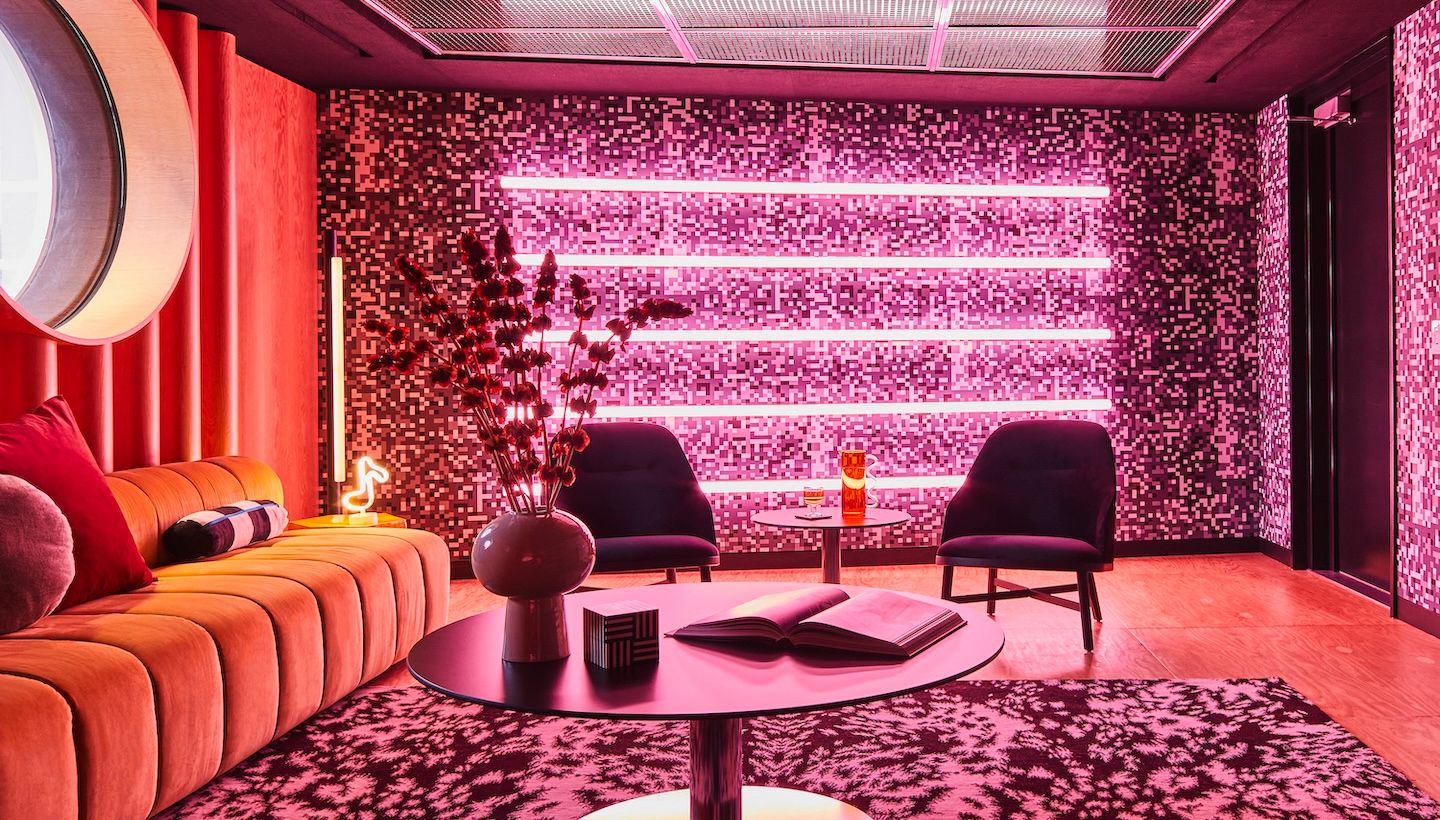
Designed with creators in mind, Spotify Sycamore Studios features flexible recording rooms, multi-camera video setups, and on-site production support—offering a modern, high-quality space where ideas can come to life. The studio will serve as home to Ringer podcasts including The Rewatchables, The Ringer-Verse, and The Hottest Take, among others. Access to Spotify Sycamore Studios will be available by invitation only to video creators in the Spotify Partner Program based on availability and production needs.

Located in one of Los Angeles’s most vibrant creative corridors, the new studios deepen Spotify’s long-standing commitment to the city’s creative community. As a global center for storytelling, LA has long been a place where culture is shaped, and this launch reflects Spotify’s continued investment in the talent driving those conversations every day.

Spotify Sycamore Studios also expands Spotify’s global network of creator studios, joining Spotify podcast studios in Los Angeles’s Arts District, New York, Stockholm, and London. 

“Ambitious shows need spaces that support big ideas,” said Bill Simmons, Founder of The Ringer and Head of Talk Strategy, Spotify. “These studios give teams room to experiment and keep pushing what’s possible. It’s our latest investment in creators, and having this additional home base in LA is vital for the next chapter of our storytelling.” 

Explore the gallery below to step inside Spotify Sycamore Studios.

Spotify Studios LA Offers Support to Creators and Music Industry Professionals Impacted by the Wildfires

Spotify is committed to supporting the creative community, especially during challenging times. In response to the recent wildfires in Los Angeles, Spotify Studios LA is opening its doors to provide recording space and resources to podcast creators and music industry professionals who have been impacted and have lost access to their own studios or equipment.

These events can disrupt creative workflows, and we want to help affected creators and artists continue producing their work. For a limited time, and subject to recording studio availability, we’re offering access to recording studios at our LA Mateo campus, along with technical support and guidance from Spotify’s team.

“At Spotify, creativity is at the heart of everything we do,” said Jordan Newman, Senior Director, Content Partnerships at Spotify. “We understand how challenging this time has been for many impacted creators and artists, which is why we’re extending our Los Angeles studio spaces to ensure that every voice in our community remains amplified.”

This program is primarily for existing Spotify creator partners and artists in Los Angeles who have been affected by the wildfires. Due to high demand and limited availability, not all requests may be fulfilled, and session slots may be restricted. If you’re a podcast creator who has lost access to your recording space or equipment due to the fires, please complete this survey so we can determine how best to support you. Music industry professionals impacted by the fires should complete this survey.

We’re actively evaluating needs based on survey responses and will provide updates as we assess demand and availability. Our goal is to offer affected creators and artists up to three recording sessions each.

We encourage impacted individuals to reach out to discuss their specific circumstances. We’re dedicated to investing in the creative community and providing meaningful resources to help podcasters and artists thrive.

A Peek at Our New Video Podcast, ‘Hits the Spot’

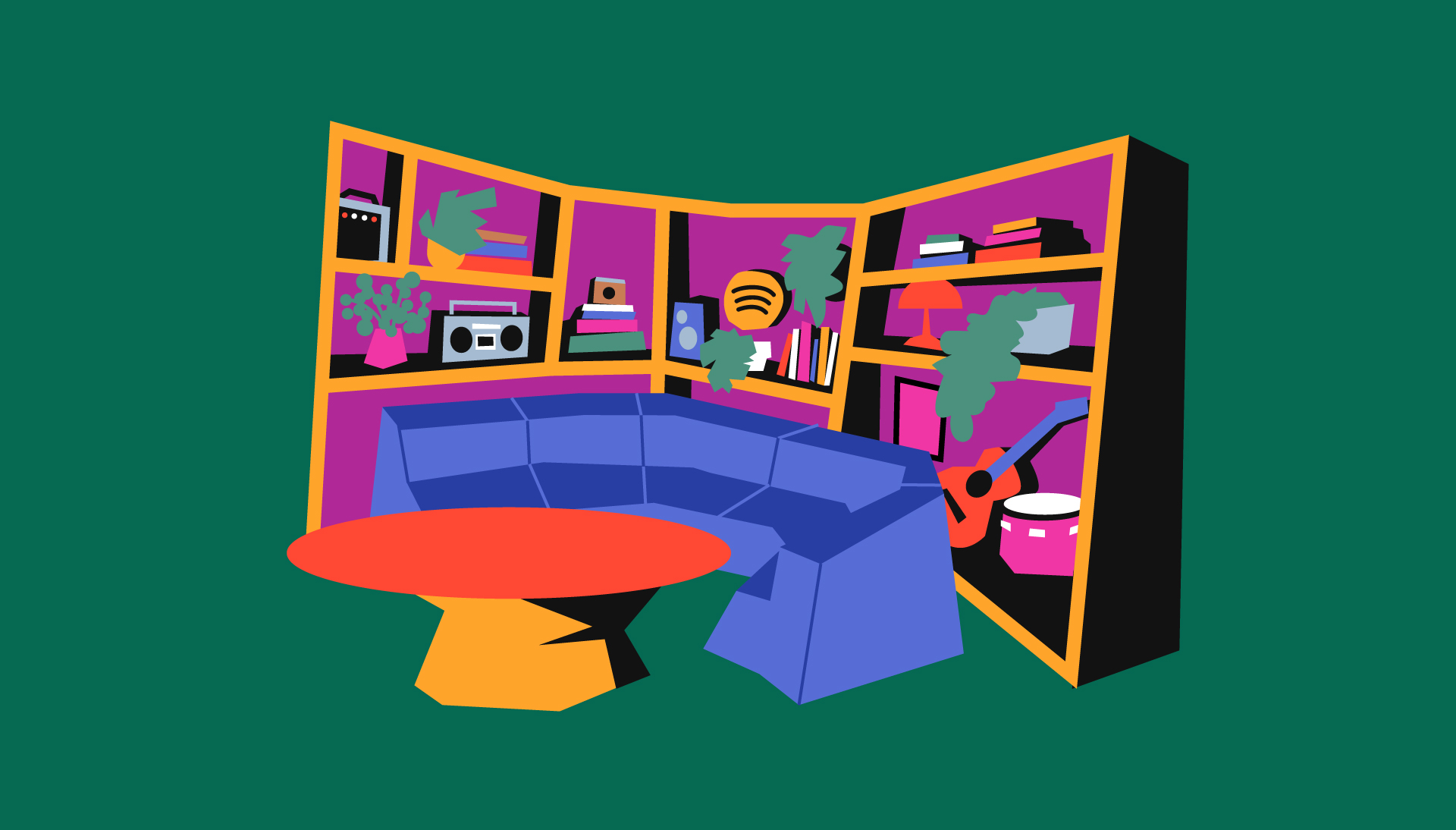
illustration of a podcast studio with a couch booth and bookshelves

Every day, we share Spotify’s story across a variety of channels. Whether you prefer to hear about the company’s latest business developments audibly on our platform, via social media at Spotify News (follow us on X, Instagram, Threads, and LinkedIn), or right here on For the Record, we’ve got you covered.

But just as storytelling technology is constantly evolving, so too is our approach to how we serve it up. We always aim to meet our audiences where they are using methods and mediums they most prefer. Spotify has made a big push into video podcasts, and you’ve told us your preference is to see more of our news in a video format. 

Our new weekly video podcast, Hits the Spot, is the result. 

Each week we discuss Spotify news and developments and host guests from our studio at our New York headquarters. We dig into their Spotify experiences and data and explore how music, trends, and streaming shape their lives.

The team built a vibrant visual identity for the show and new studio that serves as a welcoming creative environment in which to chat. Our season is just getting started, but already we’ve surprised guests with fun insights that can be found only on Spotify, and sparked some fresh stories told to host Lea Palmieri.

From corporate conference room to creative space, scroll through this exclusive look at how our team brought the Hits the Spot studio to life.

Creating a New Podcast Space for Underrepresented Voices in Atlanta

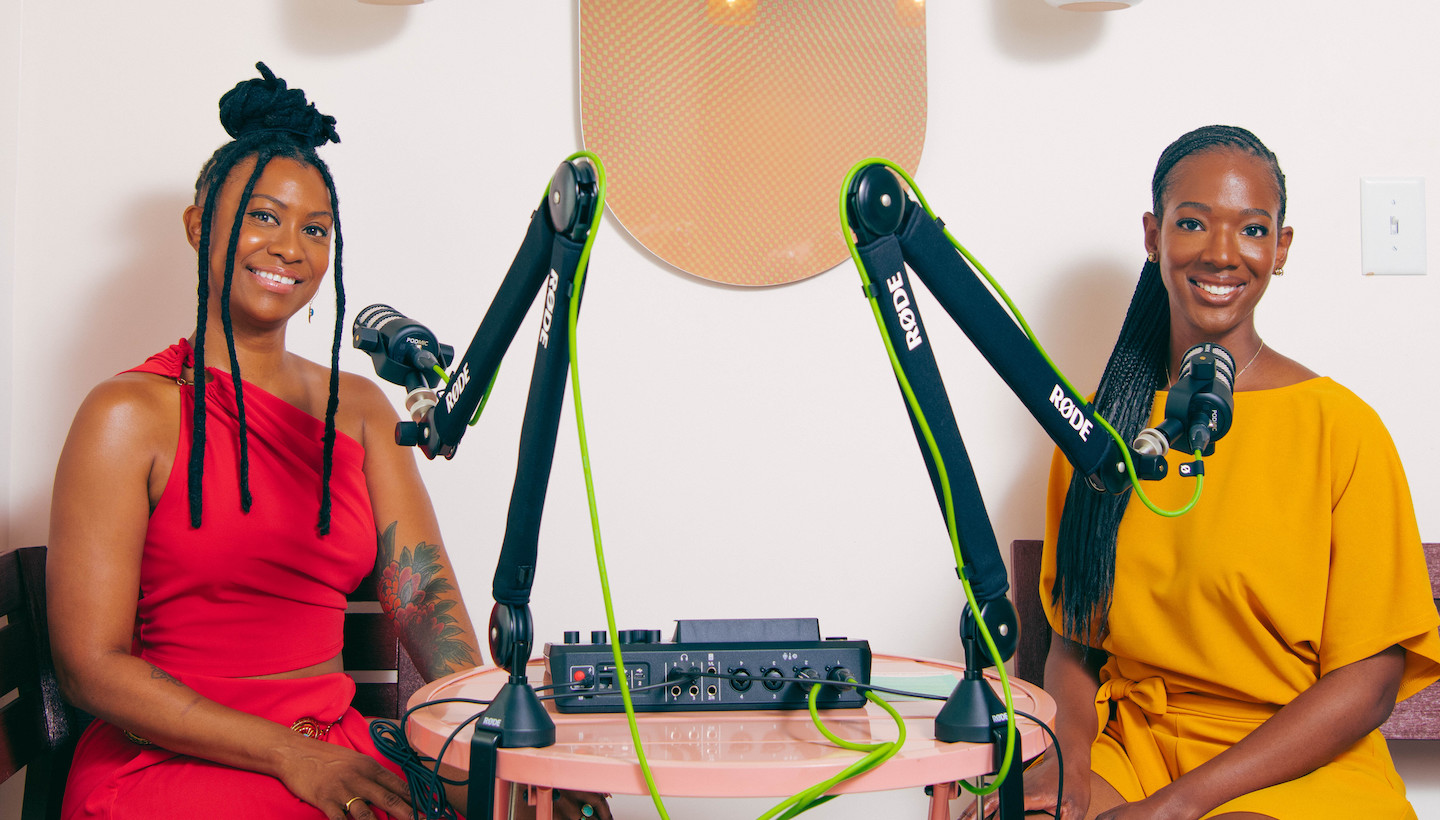
Quianah Upton and Jennifer Lind sitting in the new podcast studio in front of two mics at Nourish Botanica

Removing barriers increases accessibility. Making Space, a Spotify for Podcasters initiative aiming to elevate underrepresented creators by making studio-quality podcasting gear available to communities for free, is our way of doing just that. By partnering with local businesses—Greenville, South Carolina–based Savereign, a plant store, and Curia on the Drag café in Gainesville, Florida, are two recent examples—Spotify provides a safe place for storytellers to share and helps build a more diverse ecosystem of podcast creators.

Our third Making Space studio, which received support from Spotify’s Creator Equity Fund, is in Nourish Botanica, an Atlanta, Georgia, plant shop and community space that offers weekly markets, queer karaoke nights, plant festivals, free plant swaps, and more. 
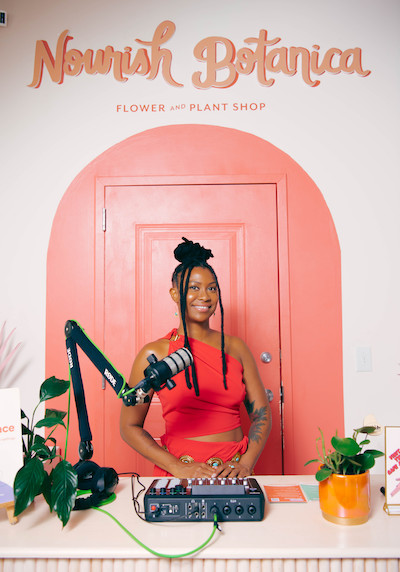
Quianah Upton standing inside nourish botanica in front of the recording equipment

“I really appreciate Spotify partnering with us to model high-level creative entrepreneurship. I love the idea that we can be a Black-owned business in a historically Black neighborhood and provide a level of cool, quirk, and professionalism that you can’t find anywhere else,” shared Quianah Upton, the owner of Nourish Botanica. “It’s also a really good reminder to large companies worldwide how much artists and creative spaces need funding and collaboration support.”

Motivated by her own experiences of childhood food insecurity, Quianah conceived the idea for Nourish Botanica in 2013. Her hope was to create food-based events that featured talks surrounding art, storytelling, gentrification, food sovereignty, and justice issues. Now Nourish Botanica will be joined by a podcast studio. “Making Space will allow us to begin to build a safe space where dialogue, education, and conversation can take place,” Quianah explained. “Storytelling affects social justice, conveys history, builds empathy, and educates audiences by instilling a sense of belonging and community among those listening. Through our storytelling programming, Nourish Botanica works towards building an inclusive and equitable world.”  

Jennifer Lind is one creator who hopes to educate audiences by sharing her family’s history through her podcast, Telling HERstory. The Atlanta native had no podcast experience but was able to bring her idea from concept to fruition in just one month by using Spotify for Podcasters. Jennifer’s show explores the life and legacy of her maternal grandmother, longtime Augusta, Georgia, educator Rosa T. Beard, through interviews with those who were closest to her. 

After launching the podcast in 2020, Jennifer is now part of a thriving Atlanta podcast scene. She explained to For the Record that she’s excited that Spotify’s Making Space studio will provide another low-barrier way for those looking to get involved.

Did you have any idea how to make a podcast?

I really knew nothing about podcasting! But most people who know me know that once I decide that I want to do something, it’s not a matter of if I’m going to do it, but how. When I decided to create the Telling HERstory podcast, I started researching everything I could, and that’s how I discovered the Anchor app, which is now Spotify for Podcasters. I saw that it was not only an all-in-one tool, but also free to use. And within four weeks of deciding that I was going to start a podcast, I actually launched it. To me, that is a testament to what a great tool Spotify for Podcasters is—it makes it possible for just about anyone to become a creator.  

Why do you think a podcast was the perfect medium for sharing your grandmother’s story?

I wanted to not only tell her story, but also the stories of those whose lives she touched, and document them for future generations. Especially as someone who comes from the community of color—and when you think back to our roots, of African American and African history, it involves a lot of oral storytelling. There’s something about podcasting that, in a way, goes back to those roots of documenting stories. And to have people say it in their own voice, it’s really impactful.

For example, I was able to interview Ambassador Larry L. Palmer in episode five. He was one of my grandmother’s former students who went on to become a Senior Foreign Service member and U.S. ambassador, serving under six different U.S. presidents. This is someone who had grown up in the segregated South, so there were a lot of barriers—and yet he was still able to go and do these great things. I interviewed him in January of 2021, and sadly he passed away in April 2021. And so to have his voice documented telling his story . . . that kind of solidified why this is so important. 

How did your grandmother influence your life?

One of the things that impressed me the most about her was her pursuit of education. She received her undergrad degree from Paine College in 1942, which was unusual for women then, especially Black women in the South. And then she followed that up by getting a master’s degree from Columbia University in 1951. So here she was, at a top school for her master’s at a time when most people weren’t even able to go to school. She started a legacy that not only changed the trajectory of her life, but the lives of generations to come. Education has also played a big part in my life. I have a doctor of pharmacy degree and two master’s degrees, as well. 
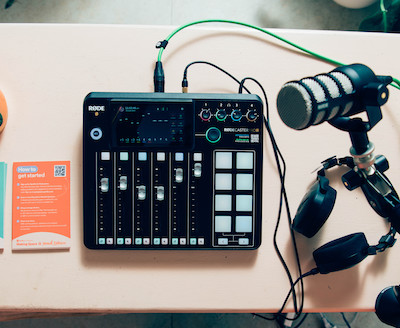
the recording equipment located at nourish botanica

What are you looking forward to most with the new Making Space studio?

I’m excited that other people who want to tell a story now have a free podcasting studio in the community that’s accessible with the tools and the resources they need. I hope that it will give a lot of people the boost in confidence they need to actually start that podcast they’ve been dreaming about.

What’s your advice to others who want to create a podcast but aren’t sure how to get started?

Don’t overthink it. I think we get in our heads and paralyzed by the thought of where to begin. If you have the tools, which we now have, whether you’re using the Spotify for Podcasters app at home or if you’re going into the new Making Space studio in Atlanta, that barrier is removed. 

Also, don’t question your story or your voice. People, me included, are nervous about putting themselves out there. When you start your podcast, know your “why” and know what your motivation is. 

I started The Avana Company LLC, a brand rooted in diversity and creative expression, to focus on amplifying voices and telling our stories because I believe podcasting can open doors. So many doors have been opened to me through this podcasting journey, and I would love to reach back and pull as many people as I can through those doors. A lot of people have asked how I started the podcast, so I decided to make a free launch checklist to help others get started. I want to help as many people as possible realize that it’s not impossible. It’s really about having the confidence to get started. If you have the tools and resources available, it can be a little less intimidating.

Everybody brings a unique perspective from their lived experience to a conversation. And so, the more people we can have out there sharing their stories, the better.


Hear more from Jennifer, and learn about the incredible legacy of Mrs. Rosa T. Beard, in her podcast, Telling HERstory, below.