
Tag: q&a

Songwriter Jin Jin Gets Collaborative at Spotify’s Riffs and Runs Sessions

It takes just the right amount of creativity, collaboration, and inspiration to write a powerful song. And Jin Jin knows quite a bit about that. The British songwriter has seen success writing hit tracks like “Hold My Hand” by Jess Glynne and “You Don’t Know Me” from Jax Jones.

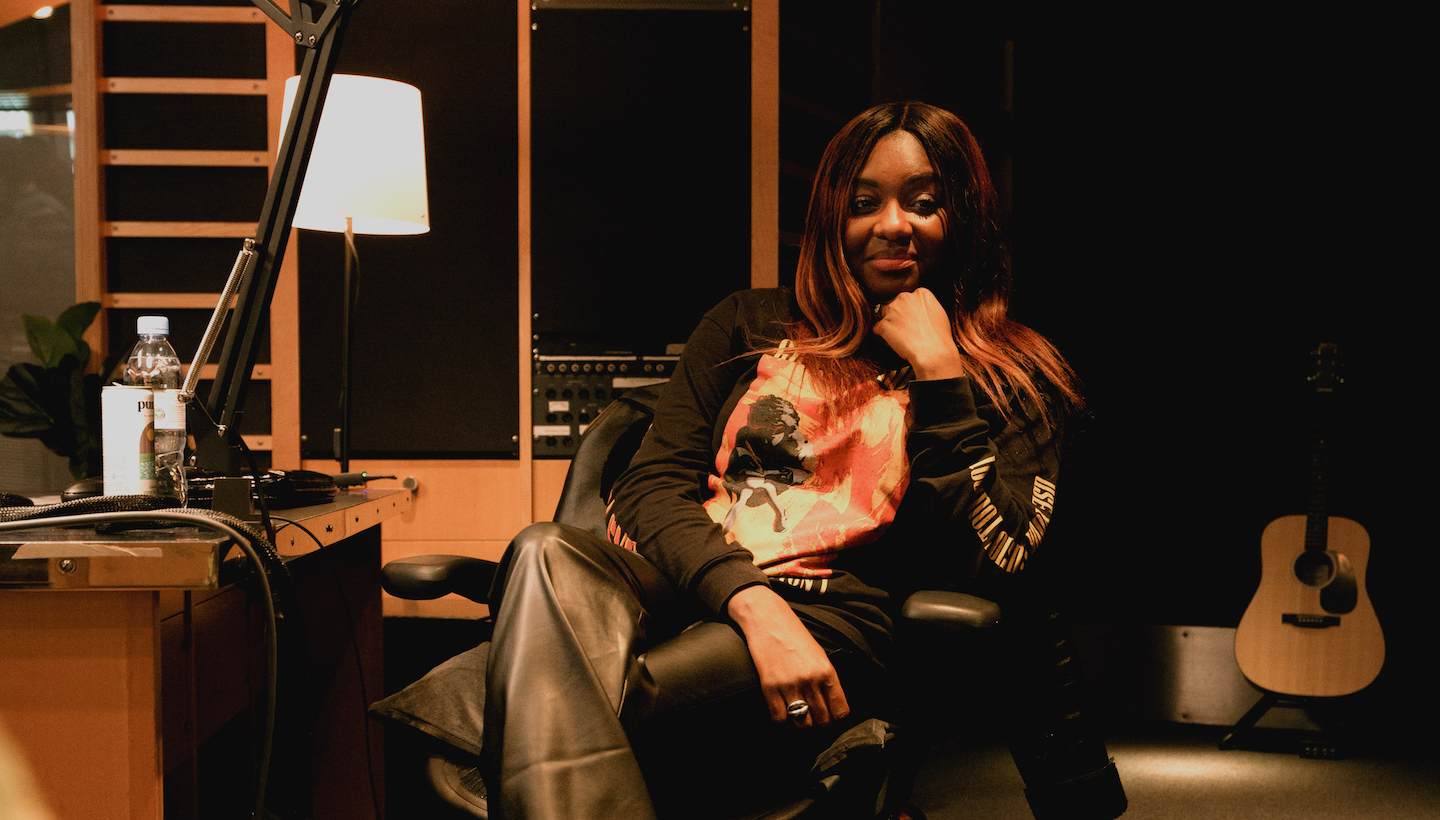
And recently, Jin Jin put her skills to work at Spotify’s Riffs and Runs sessions. The intimate two-day event was a series of songwriting sessions focused specifically on R&B, and it provided a chance for Black songwriters, producers, and artists to come together and connect in a setting where they felt inspired to collaborate. 

The sessions took place at the iconic Metropolis Studios in London and were attended by both established and emerging talent. Production legend Rodney “Darkchild” Jerkins—famous for hits such as “Say My Name,” “The Boy Is Mine,” and “It’s Not Right But It’s Okay”—and ThankGod4Cody, known for producing some of SZA’s hits, worked with artists and songwriters, like Jin Jin, to get the creative juices flowing.

The creators met in the studio, where they first got to know each other over coffee and snacks. After building a rapport, the next step was to determine a concept and start on chords. Then, the magic happened.

For the Record caught up with Jin Jin to learn more about her Riffs and Runs experience, and to get a look behind the scenes at how she collaborates with others to create songs fans love.

Can you tell us about your Riffs and Runs session?

This was the first time that I’ve been involved in the Riffs and Runs sessions. I’ve done other Spotify camps before, but this one was particularly special because it was throwing different artists, producers, and writers in the room and they were all from different places and different cultures. 

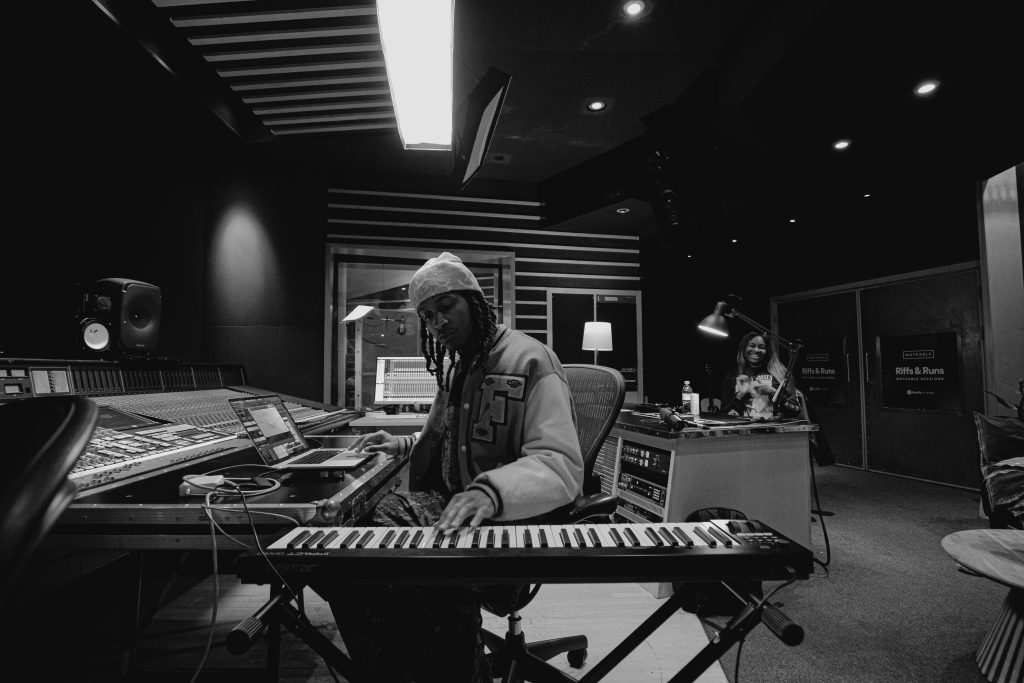
It was brilliant—I really enjoyed it. Metropolis Studios, in Chiswick, is an amazing venue and it’s a really creative space. I was working with ThankGod4Cody, and I also worked with two artists Bellah and Äyanna. They’re both amazing vocalists, so that was a treat. For this session, we all wrote it together, and then it ended up being Äyanna who laid down the first verse, and then Bellah laid down the second verse. And then they both sang the chorus.
What was the song you wrote about?

It had bad b*tch energy. The general story was, they thought that a relationship was gonna go one way. But then, it went another way because both people in the relationship have different perspectives. So it’s an example of women calling a guy out.

What was your favorite part of the Riffs and Runs experience?

My favorite part is when you’re getting to know each other and you’re in the very early stages of creation. It’s where everyone’s a little bit nervous, but really open to each other’s ideas, and you don’t know what you’re gonna make. So it’s pretty nerve-racking as well, but it gets rid of any ego in the room. It’s like, this is a fresh idea, and we don’t know if we’ll be able to make an amazing song but everybody’s there, you know, new to the experience and to that day. 

What’s the secret to a successful collaboration with others while working on a new piece?

I think it’s kind of almost like forgetting what you’ve done before. If you’ve ever had any success or any previous [track] release, just forget about that because the past doesn’t really matter. All that matters is what you create on the day, with these new people—if you’ve got synergy, if you can build a nice relationship with them, and if you can find some sort of common ground and way to communicate so that you can make an amazing song. I think that it’s super important to be open, you know. Somebody might have a different musical style than you, or be from a different background, or be into different things, but maybe that’s their story. 

Is there a particular songwriter who inspires you, or whom you admire?

Oh there’s a lot of different ones. A current, more mainstream, newer writer I love is Tems. She’s amazing at writing and an amazing artist as well—I really love her sentiments. I love the fact that she operates in the Afrobeat world, and her songwriting is beautiful. 

What do you think is your biggest challenge as a songwriter?

I think the biggest challenge is, sometimes, you can get pigeonholed into a certain genre. Or, a lot of people are just holding on to what you did before, sort of thing. I also think it’s a challenge to not fall into a safe space for yourself as a songwriter. It’s really important to keep pushing yourself as well and try new things.

What advice do you have for aspiring songwriters?

To just keep exploring. Try and reach out to as many other songwriters and producers as you can and collaborate as much as you can. Also, listen to genres of music that you wouldn’t necessarily listen to. So if you’re in the space where you only make, like, drill or trap, then maybe listen to some rock music. Listen to some country music. Listen to lots of different genres because as a songwriter, it’s important to understand and appreciate other genres as well.

What represents a successful songwriting session to you?

I think, obviously, coming out with a song that you absolutely love is important, but then if you don’t come up with the song, that’s fine as well. I think it’s about the relationships and the future possibilities of creating music with these newfound colleagues.


Check out the video to learn more about the Riffs and Runs experience.


View this post on Instagram


A post shared by Bellah (@ibebellah)

Get more of Jin Jin by listening to some of the songs she’s written in the playlist below. 
Marie Rönn, Global Group Creative Director, Works Across Spotify To Bring Wrapped 2022 to Life

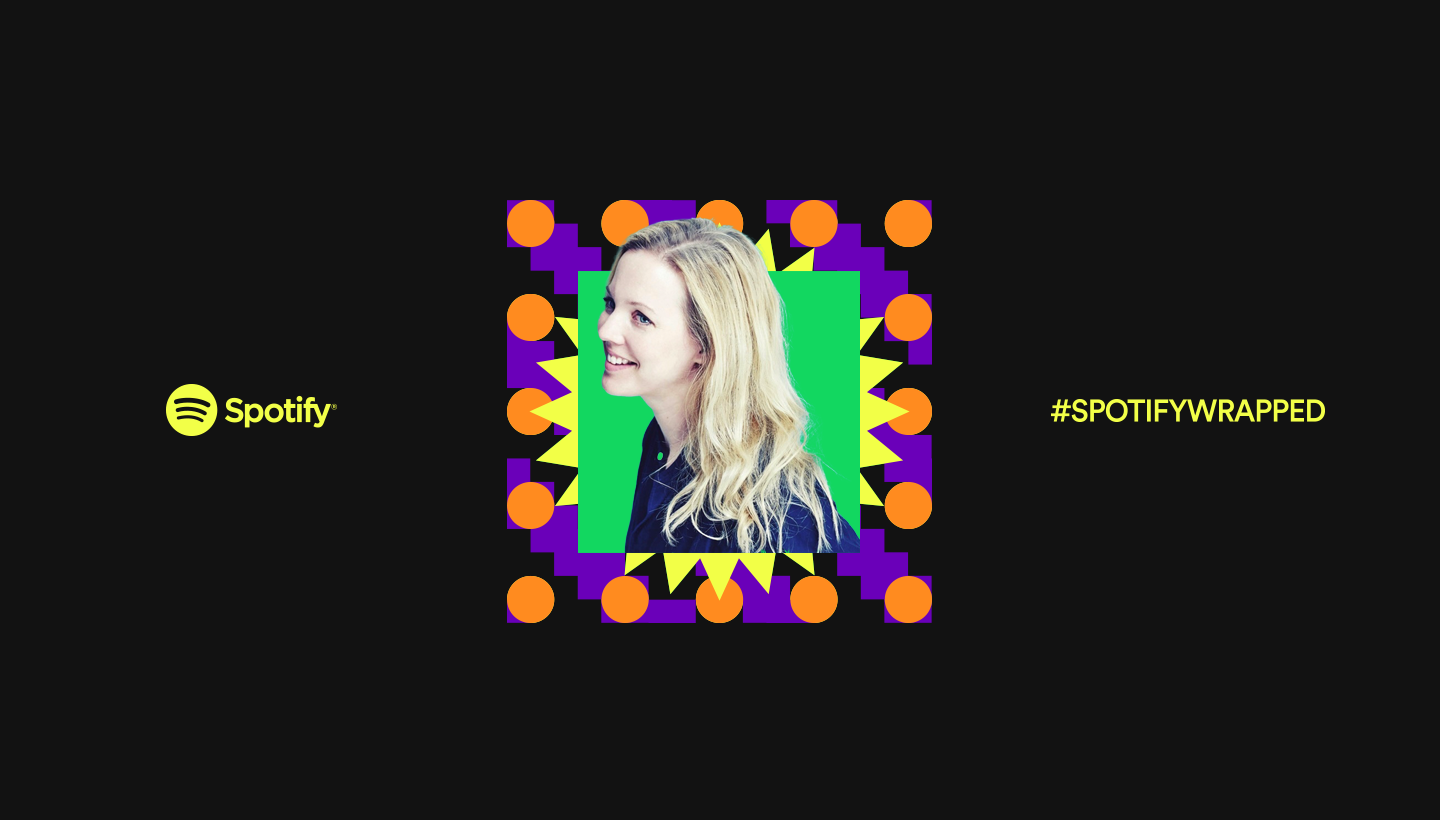
When you open your 2022 Spotify Wrapped, you’ll notice multicolored and multilayered graphics that are as multidimensional as your listening habits. The team behind Wrapped is just as expansive, with data scientists and engineers, copywriters, designers, music and podcast editors, and more. Uniting it all is Marie Rönn, Global Group Creative Director at Spotify. Throughout the year, she and her team ideate on concepts and collaborates with other teams to bring the project to life. 

Ahead of 2022 Wrapped, For the Record chatted with Marie to learn all about her work on the creative campaign. 

Wrapped has become a bit of a cultural phenomenon, with people anticipating its launch all year. When do you start thinking about the campaign? 

We’ve all started thinking about next year’s Wrapped already—before this year’s Wrapped is even over. Officially, I would say I get involved in conversations in March or April. That’s when we start thinking about the brief and working with the creative strategists. This past year we managed to brief writers, art directors, and designers to have them start thinking about both the design and the platform and all of that fun stuff by the end of May. 

What were some of the considerations for Wrapped this year?

We wanted to open the door to more of a joyous every day. To make sure we captured this new energy that has come out of people emerging from their bubbles and being able to meet up again. And so that’s something we were excited to dig into—to be a little bit more playful and irreverent. To have a bit of fun and encourage people to have fun as well. For the campaign, we wanted to invite people not just to get Wrapped, but to play it.

For the data stories, we asked ourselves, “What are people craving?” They want to know about their audio listening for the year, and tap into what is interesting about it—on a more emotional level. And that’s what we explored as we were starting to ideate. We had a lot of ideas—not all of them were feasible—but we worked super closely with the product team and others before landing on a couple of new data stories for this year that really tap into the more emotional side of listening. 

How did that thinking translate into the new data stories for this year, your Listening Personalities and your Audio Day? 

For the Listening Personalities, we were toying with the idea of how we would be able to talk about what your year-in-listening says about your music tastes. And so our team had all sorts of fun ideas of what we could tell about musical taste in terms of how you listen. The beautiful thing was that when we brought our ideas to the product team, they had already been thinking about a very similar concept, and had done tons of research into it. Great minds and teams came together to collaborate closely. Making sure that the Listening Personalities weren’t just for fun, but that they were insightful for listeners. 

For the Audio Day, again, we had great synergy with the product team. We wanted to get more into moods and aesthetics and move away from genres. Genres don’t give you the nuance of what type of mood you’re in, so what we wanted to do there was to try to tell you a little bit about your musical mood throughout the year. What was your musical mood when you listened in the morning versus in the evening, or at night? The inspiration was to just give people a little bit more of a meaningful experience. Genres go deep, but they’re not the only factor in the way we listen. 

Something that’s also new this year is that we added the day that you streamed your most-listened-to song the most. Peppering in a bit of fun and just a little more specific data for you to look back and think, “What was I doing that day?” Hopefully, people enjoy reminiscing. 

What’s one thing you hope fans walk away with after seeing their 2022 Wrapped? 

Hopefully they discover something about their listening that perhaps was a surprise. And that it also inspires them to keep discovering new music. Like, sure, we give you your year in review, but we also want to inspire you to keep the discovery going. 

We did something new this year to this effect: On your Wrapped playlist are your 100 songs you listened to the most. But this year, we also included one song you didn’t listen to. A playful surprise to encourage you to keep exploring.

Head to our Wrapped story hub to learn more about the new data stories for 2022.

Author Colleen Hoover Takes Us on a Journey With a Playlist Inspired by Her New Book, ‘It Starts With Us’

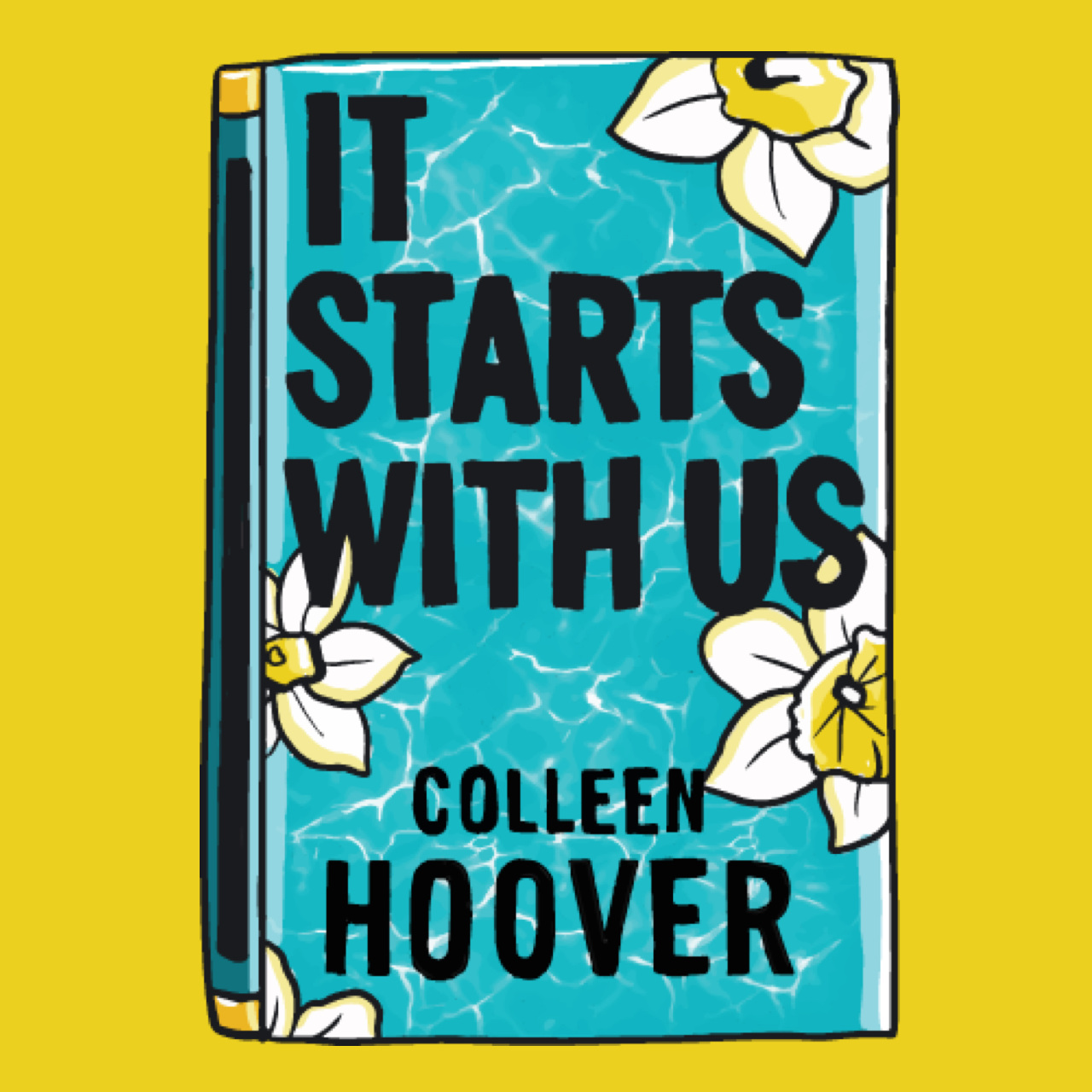
graphic art depiction of the cover of "it starts with us" by colleen hoover

You can’t pin author Colleen Hoover to a specific genre. The Texas native is responsible for both suspense thrillers like Verity and heart-wrenching romances like Reminders of Him. Readers never quite know what story will unfold through the pages. In 2016, Colleen published It Ends With Us, a romance novel that introduced readers to the lives of Lily, Ryle, and Atlas. Fans followed Lily’s journey of love and loss, from Maine to Massachusetts. Now, six years later, her story continues.

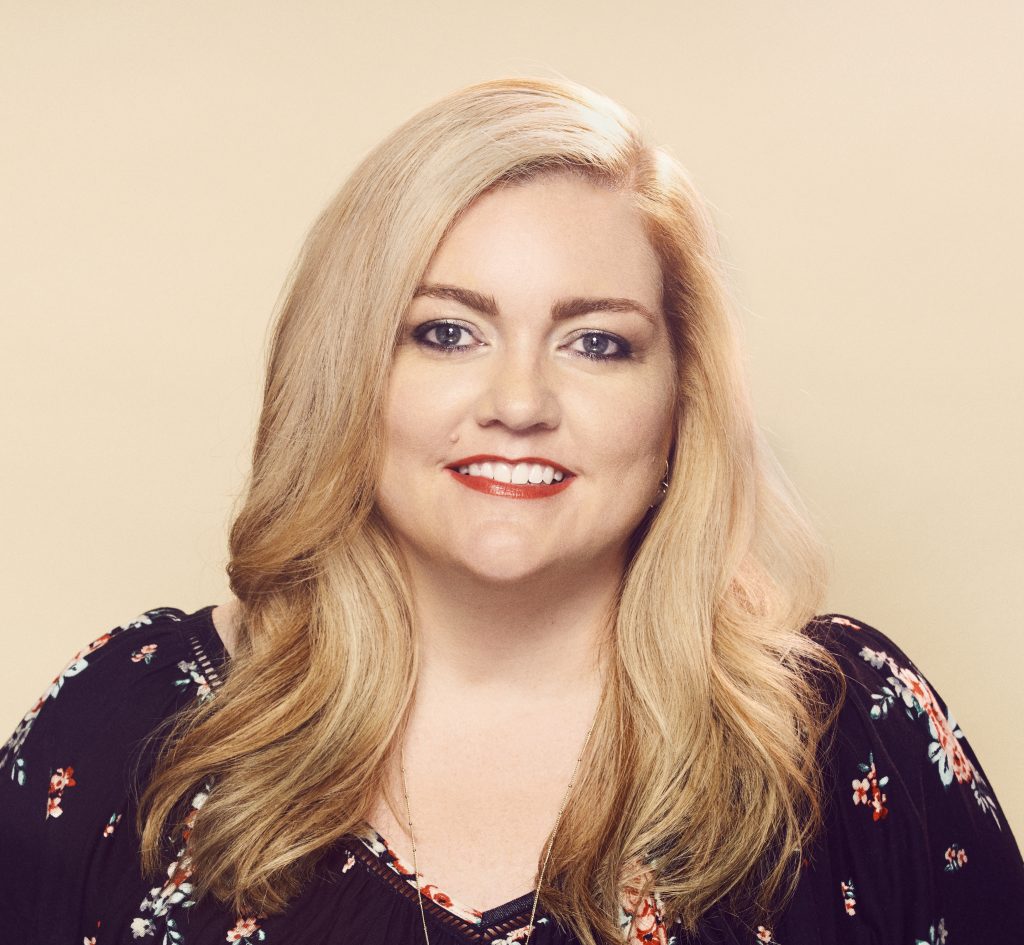
Photo credit: Chad Griffiths

Colleen wasn’t planning to write a sequel to the best-selling book, but requests from readers made her realize she wasn’t quite done. And today, fans can get their hands on the next installment of the story: It Starts With Us. As a bonus, Colleen created a Spotify playlist that incorporates songs that stuck with her as she worked on the novel and built onto the lives of Lily and Atlas. For the Record had a chance to chat with Colleen about her work, her playlist, and audiobooks.

Do you listen to music while writing? Does it help you get into a certain mindset?

I actually can’t listen to anything at all while I’m writing. In fact, if there’s any noise, even the sound of a clock, I have to remove the batteries. Yet music is what inspires books and characters for me, and gets me into the mood to write. And yes, I definitely have to listen to songs that I feel fit with the story. For example, “Bride & Groom” by The Airborne Toxic Event was a big one for me when I would pump myself up to write All Your Perfects. 

Is the music you listened to for It Starts With Us the same as It Ends With Us?

I tend to be a creature of habit when it comes to music. If I want to get into a certain mood, I use music for that. And for me, I’m almost always searching for sad music. 

How did you approach picking the songs on this playlist?

After writing It Ends With Us, I had a lot of readers who would send me songs that remind them of the book. I almost always go listen to the song to see how they interpret the book and the characters. A lot of those songs have stuck with me, so I chose them. Some songs I chose because they are common recommendations, like several of Taylor Swift’s songs. 

Can you tell us about a few of the songs and what they mean to you or your characters?

She Dreams of Boston” by Erick Baker was actually written specifically for Lily. Erick and I met because I had reached out to him years ago regarding his music and hopefully collaborating on something. He was on board immediately and wrote such a perfect song for Lily’s character. 

As for Atlas, I feel like “All For A Woman” by The Airborne Toxic Event is a good fit for him. He just has so much love for Lily, and that song bleeds heartache. 

I’d go back to X Ambassadors for Ryle’s character. The song “HISTORY” is my anthem for Lily to Ryle. I imagine him hearing it and being full of guilt and regret, but knowing there’s nothing he can do to get her back. 

Can you share how The Avett Brothers inspired you to write?

I found their music at a time when I felt lost inspirationally. I had young kids; I worked full time; I was in college. I was going through the motions of being a wife and a mom and an employee, and had absolutely no time for myself. I think I was losing myself, not because I wasn’t happy—because I was—but because I wasn’t spending time nourishing my artistic side. That’s when I found their music. 

Their lyrics spoke to me, and the passion they had when they played made me jealous. I used to have passion like that, and until I saw them play live, I didn’t realize how much I missed being passionate about life and using my imagination. Their music reignited my love for my hobby, and I think that’s a beautiful thing when one artist’s art can remind another artist how important it is to make time for what feeds your soul. After attending my first concert of theirs, I immediately went home and started writing. I’ll always be grateful to their music for that, and to every artist in any area who continues to create. 

Your new book, It Starts With Us, begins right where It Ends With Us left off. Why did you decide to continue with the story of Lily and Atlas?

I honestly never thought I’d continue with their story. I always received pleas for more It Ends With Us, but I thought that was because people wanted Ryle to be redeemed, and I’ll never go that route. But when more people began to read the book and make videos on social media, I’d watch these videos and see them begging firsthand for more Atlas. I love Atlas, so the requests from readers, combined with a storyline that was slowly beginning to build for him, ultimately sparked an idea that I finally felt would be good enough to create a book out of. I may not have intended to write this sequel, but I couldn’t be more excited that I did. 

If Lily and Atlas had a song, what would it be?

Definitely “If It’s The Beaches” by The Avett Brothers. I feel like Atlas would give Lily the world if he could, and that is such a beautiful love song. It always reminds me of the two of them when I hear it. 

For audiobook lovers, how do you think having someone read aloud your words changes the experience for the listener?

If it’s done right and the reader feels that the voice fits the character, I feel like it gives it an entirely extra dimension. Audiobooks breathe a little more life into the story for me. I’m a huge movie lover. Watching movies is my second-favorite pastime after reading, so for me, audiobooks are a way to bridge the gap and enjoy the best of both worlds.  

What aspect of audiobooks do you like, and when do you turn to them in favor of reading from the page?

I love audiobooks! I do a lot of driving and long road trips, so my favorite time to listen to them is when I’m alone in the car for long stretches of time. It makes the trip go by so quickly, especially when it’s an engrossing story.


Let music accompany you along the pages of the upcoming It Starts With Us by listening to Colleen’s playlist below.

The Creative Minds Behind Netflix’s ‘Do Revenge’ Reveal How Its Soundtrack Set the Tone for the Entire Film

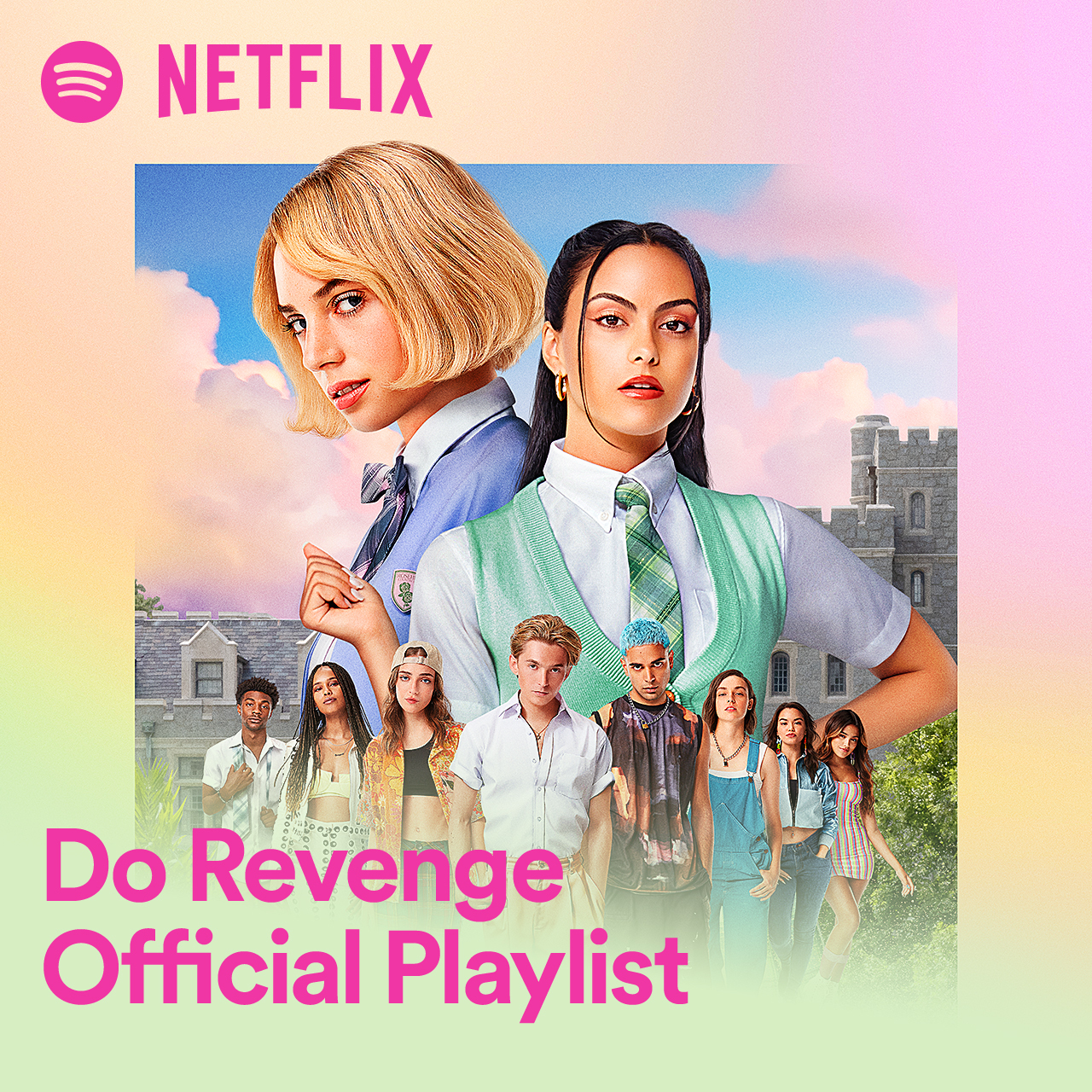
According to the latest Netflix movie, revenge is a dish best served by others. Coming out on September 16, Do Revenge follows two students at a posh high school who form an unlikely friendship as they plot to avenge each other’s tormentors. As fans follow the pair, they’re accompanied by a pop punk soundtrack that includes a mix of ’90s nostalgia and new releases from some of today’s biggest and emerging stars.

For the Record caught up with the movie’s director and cowriter, Jennifer Kaytin Robinson, and music supervisor, Rob Lowry, to hear more about the film and the process behind soundtracking the dark comedy.

What are three words you’d use to describe the vibe of the film Do Revenge?

Jennifer Kaytin Robinson: Twisted. Fun. Camp.

How important is music when thinking through a film and its soundtrack/score?

Jenn: The most important. I think as a writer and director, I can’t create something without knowing what music is going to soundtrack each moment. And so, for me, a scene doesn’t really work until I know what is going there.

I write music into all of my screenplays. So there were a couple little drops that stayed in the film that were in the original script. And if they didn’t stay in the film, I would say that we found something similar in vibe. That vibe was always kind of present and set throughout the film, even from the script process.

Rob Lowry: I think there were like 40 songs scripted into the film. We started talking about music like a year before they shot the film.

Jenn: Rob and I had kind of a running playlist of ’90s songs, and we kind of went back and forth. And, you know, when I was writing, I would be like, “What about this here?” Or “What about this there?” We were in conversation about how the music was going to soundtrack and emotionally drive the film because so much of the film energetically is modulated through the music.

Jennifer Kaytin Robinson standing and posing looking directly at the camera. She is wearing a white crop top and shiny pants

So how do you approach picking which songs make the soundtrack?

Jenn: It’s a lot of trial and error. I like to get the film clean of all music, and then I’ll just sit there with the film open and open Spotify and play things in a really rough way underneath the scene. And I’ll be able to kind of tell, “Oh, this will work” or “Oh, this won’t work.” And then it’s just trial and error, having the editor cut in the songs. And then Rob and I discuss things like, “What do we think about this?” “How do we feel?”

Rob: Yeah, it’s interesting to see how much stuff stays the same and how much some stuff changes from the script stage. How much it evolves from even the first cut to pivoting several times. But then I feel like, there’s probably five to seven really big needle drop moments that I feel like once we kind of found them, it’s like unlocking the puzzle, and then everything else kind of fell into place. Just because there’s so much music, but it all feels super cohesive, even though some of it’s from different eras or different types of genres.

Jenn: They all had a sonic kind of identity in that pop punk space. And we knew that was kind of like the North Star in which we wanted to find other things around it. We wanted the soundtrack to feel cohesive. Something that’s important to me is, if you listen to the soundtrack on its own, I want it to tell a story. And I think if you look at the soundtrack and you look at the track titles, all of that stuff was important to me in considering and putting together the kind of musical story of the film. I wanted the music to feel like an extension of the film, of the story of Drea and Eleanor’s arcs.

What type of emotions do you want to evoke in fans as they listen to the music?

Jenn: I think it’s a weirdly emotional, nostalgic soundtrack. I think that there are two kinds of access points to the soundtrack. One is nostalgia and one is discovery. I think for millennials, there is discovery in the Gen Z tracks and then there’s a lot of nostalgia in the ’90s. And then for Gen Z, there’s discovery in the ’90s stuff. And there’s a lot of, like, not nostalgia but familiarity in the kind of stuff that we did that more Gen Z will recognize. I feel like that is the beauty of the soundtrack.

The two main characters come together from two different worlds. Was there a musical style or a genre you wanted to evoke for each one? 

Jenn: Rather than each of them having a sound, I think it was more focused on them having a sound together. The music that we open the film with, let’s say the Hayley Kiyoko and the Robyn song, was intentional in knowing that we were setting up the soundtrack to be both [nostalgia and discovery]. I knew we needed a current song and we needed a ’90s song in that first set piece. And we wanted it to be that bright, fun pop. So we focused on that rather than it necessarily being like one vibe for each of them. But as you follow the arc of the film, in general, I would say you can see where the music kind of twists and gets darker. And it’s still bright, fun pop, but it’s a song called “Bitter Bitch.” I think [the soundtrack] is about finding those songs that arc and change with the emotional story that we’re telling.

If you could pick an anthem for Eleanor (Maya Hawke) and Drea (Camila Mendes) what would it be?

Jenn: I feel like Eleanor is Taylor Swift’s Reputation album.

Rob: She’s in a Reputation era for sure.

Jenn: But emotionally, I think that Eleanor contains multitudes, just like Taylor. And then Drea would be like Olivia Rodrigo’s Sour.

Rob: Yeah. Because I feel that’s the overlap in the Venn diagram and where the two characters find each other: the Sour and Reputation albums.

What’s your favorite song on the soundtrack? 

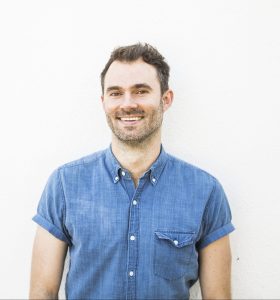
Rob Lowry posing looking directly at the camera and smiling. He is wearing a blue chambray shirt.

Jenn: All of them. Hole‘s “Celebrity Skin” was a song that was written in the script from the very beginning. I saw it in the edit and I was like, “This has to be in the movie. It’s a non-negotiable.” We never tried any other song.

Rob: Same with Olivia Rodigo’s “brutal.”

Jenn: Oh yeah. I shot that scene with Drea sitting and crying at her desk while listening to “brutal” in my headphones. I was watching the scene and timing it into the big drop in the song.

Rob: Every time I’ve watched the film, I’m like, “Oh, this is my favorite moment.” And then you’re like, “Oh, no, no, no, this is.” “Oh, wait, this is my favorite song.” Because it’s just wall to wall, but it doesn’t feel like it’s hitting you over the head because every song complements each scene. Harvey Danger’s “Flagpole Sitta” is definitely one of my favorites.

Jenn: I will say Juliana Madrid is my favorite discovery moment. I don’t want to jinx it, but I hope that Juliana has a Lizzo break moment. I love that song “Pretend.” I think it’s so perfect in that moment. And the only other song I had that kind of reaction to in terms of hearing it and knowing that it w

as perfect for the film was “Happier Than Ever.” That was the other song that, when I put it under the film, I saw that sequence come to life when soundtracked by that Billie Eilish song. I was just texting Rob in all caps. And I was like, “Oh my God, it’s perfect. It’s amazing. I can’t wait for you to see it.”

Rob: And then with Maude Latour, she did a cover of “Kids in America,” and to be able to work with her and tailor the song specifically to this sequence . . . that is the same thing we did with this remix that we did for Chloe Adams and “Dead to Me.” Getting to rework these songs specifically to the cut . . . they just both turned out so well and they’re such big moments in the film.

Are there any other dark comedies/high school films that have an iconic soundtrack that you love?

Jenn: I think a lot of the touchstones for this movie have iconic soundtracks: Cruel Intentions, Ten Things I Hate About You, Clueless. Those were the soundtracks that at least I grew up loving and kind of owning and listening to over and over again and wearing out. And when we were putting together this film, we wanted to pay homage to those soundtracks and for this to be an updated version of what we grew up with.

Rob: I also love Ten Things I Hate About You and Can’t Hardly Wait. Jenn and I always say that we’re musical soulmates, and I think we have the exact same taste. So it always feels like we’re inside each other’s heads. This was two years of sharing our favorite music with each other. It was a really lovely experience.

Jenn: We’re also soulmates in a detrimental way because we will be the only two people that like something, but we have really loud voices in a situation. Everyone else is like, “Guys this doesn’t work.” It was very funny to see the downside of our soulmate-ness. Ninety-nine percent of the time it’s really great. But if the song doesn’t work and we both like it, it’s also such a hilarious disaster.

Are you ready for a double dose of nostalgia and discovery? In addition to the Do Revenge official playlist, which is available on our Netflix hub, Eleanor and Drea have also taken over Netflix’s most PLAYED. Hit play below to start streaming even more of their favorite pop punk hits from the past and present:

Country Crossover Icon Shania Twain Is Spotify’s EQUAL Ambassador of the Month

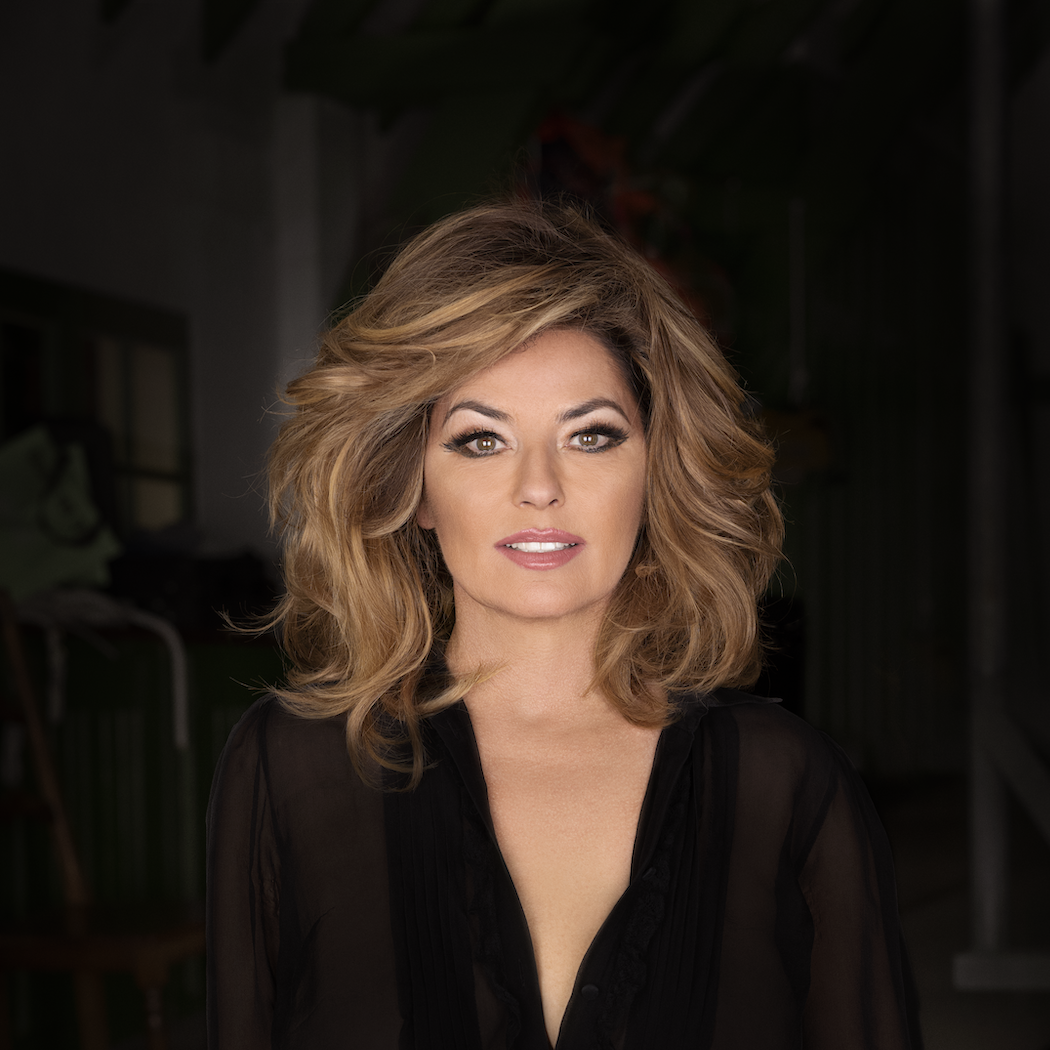
Man! I Feel Like A Woman!” “Any Man of Mine.” “You’re Still The One.” The list of hit singles from country legend Shania Twain goes on and on. And while the Canadian star grew up singing and performing in the ’80s, she really hit her stride in the ’90s when she released three albums that introduced her bold and unapologetic persona to the world.

Shania’s success is unparalleled. She has won five Grammy Awards, sold over 100 million records, and accumulated over 1 billion streams across her Spotify catalog—making her not only the best-selling female artist in country music, but one of the best-selling artists of all time. 

Shania took her career to new heights in 1997 when she released Come On Over, a genre-spanning album that attracted a global fan base and proved she was a pop force to be reckoned with. But even after the release of her Greatest Hits album, Shania continues to push boundaries with her music. This year the singer released the track “Not Just A Girl” as well as a compilation album that is a companion to her new Netflix documentary, Not Just A Girl.

Shania’s boundary-breaking attitude makes her the perfect Ambassador of the Month for Spotify’s EQUAL Global Music Program. EQUAL aims to combat gender disparity in the music industry by amplifying and celebrating the work of women creators around the world. Fans can find Shania’s new song on this month’s EQUAL Global playlist

For the Record caught up with the superstar to learn more about what inspires her and how she’d like to see greater gender equity in the music industry. 

The artists who have most inspired me are _____.

Especially as a kid, artists like Dolly Parton and Tanya Tucker. I thought I could maybe be the next Tanya Tucker, in fact. I really learned a lot of my songwriting from Dolly Parton. Olivia Newton-John was a big inspiration for me. Gladys Knight always being the biggest, most beautiful voice I thought I’d ever heard. When I got into my teens, I started to really draw most of my inspiration from rock singers. I was a big Heart fan. I was getting into the big hair and lots of hairspray. Annie Lennox was one of my absolute favorite singers for her range. I thought it was incredible. And she had such a strong, yet feminine face and such an eye for fashion and her own personal styling. So, I guess my influences evolved as I got older. I started to really get inspired by some of the new, more recent voices as I was especially regaining my own voice after a struggle with it. So I was really targeting the higher voices like Ariana Grande and Sia, with her punch and her power. So in more recent years, I’ve been focusing on the voices that have the most flex and agility, just from my own vocal training. 

One piece of advice I’d give other women artists is _____.

Don’t be a follower. If you really plan on being a leader, then it’s probably not a good idea to get into the habit of following what other people are doing, what other artists are doing stylistically. Just be your own boss.

One way I’d like to see greater gender equity in the music industry is _____.

Acceptance . . . more unity. Music is very uniting. We just need to be celebrating music, regardless of our gender. It’s the artist’s responsibility to put their best foot forward. So it’s not because of your gender that you should be accepted, it’s because of your greatness. But then we, as an audience and as streamers, have to give artists that door. Even if we have to kick the door down, the door still has to be there. So give us a chance to get out there to the fans and let the public decide.

A few up-and-coming women artists I’m excited to watch are _____.

Mickey Guyton—I think you’re incredible. I love your personality and I think you’re going to be around for a really long time. I look forward to everything that you have coming up next. I’m also a big cheerleader for Tiera Kennedy because, Tiera, I believed in you right from the beginning. So just keep it going. Keep those great songs coming; keep songwriting. There’s so many fabulous women that are just in front of you. I mean, Brandi Carlile is one of the best female songwriters I think I’ve ever known. So keep looking to these other great songwriters in front of you, and I look forward to seeing more of you.

My girl-power anthem is _____.

Is this, like, a trick question or something? Cause I know I have at least a dozen or more . . . but I’m going to say right now, in my spirit, it’s “Roar” by Katy Perry.

Hear Shania’s new hit, as well as songs from other women artists, on our EQUAL Global playlist. 

RADAR Global Artist Ayra Starr Is Ready To Bring Her Fierce Yet Soothing Brand of Afrosoul to the World

Since its launch in 2020, RADAR has served as Spotify’s program to showcase emerging artists from all around the world, supporting them and taking their talents to the global musical stage. Now RADAR Global has returned with our latest featured artist, Afrosoul sensation Ayra Starr.

Born in Benin, in West Africa, Ayra was raised between its beach city, Cotonou, and the cultural hub of Lagos, Nigeria. The self-proclaimed celestial being says it’s this mix of cultures that inspires her global approach to music, art, and life. It also helped that she grew up with a music-loving family and began cowriting music with her brother Dami at the age of 10.

Ayra announced herself to the world in 2021 with her self-titled five-track EP, Ayra Starr, which featured the breakout single “Away.” Soon after, her critically acclaimed debut studio album 19 & Dangerous was released. Its lead single, “Bloody Samaritan,” has been streamed more than 30 million times on Spotify to date. 

But the success didn’t stop there. This year, the young artist has reached international audiences by collaborating with Skip Marley on his single “Jane,” as well as Manny Norté, Stalk Ashley, and Tiana Major9 on “Worth My While.”

And for all her hard work, Ayra is now enjoying the recognition that follows: She’s the second-most-nominated artist at the Headies Awards, Africa’s premier music awards, and has a 2022 BET Award nomination for Best New International Act under her belt.

For the Record sat down with Ayra to talk about music, her family, and more.

What are you looking forward to most as Spotify’s latest RADAR artist?

I am really looking forward to being discovered by new people who will find different meanings in my songs. You know, different people need different things at different times of their life, and that’s what music does—it helps fans connect on a deeper level. As an artist, it’s such a surreal feeling to know that there are people out there discovering my music and relating to my lyrics. It’s so beautiful. With RADAR, I am excited for my music to reach new audiences and to be shared on a global platform.

For new fans, how would you describe your sound?

I’d describe it as soothing but fierce yet soulful.

Who have been some of your biggest musical inspirations?

Rihanna, Lijadu Sisters, 2Baba, Nicki Minaj, and a host of others.

You have a pretty musically inclined family. How have they influenced your career?

Oh, in almost every aspect. Having a family with a musical background gave me the confidence to soar and discover my love for the art of music. They encouraged me to pursue my dreams and helped me to navigate my career early on.

Growing up between Benin and Nigeria must have brought with it some vastly different experiences from a cultural and personal standpoint. How has that played a role in your music?

There’s nothing better than having a broad perspective when making music. Coming from a family that’s deeply rooted in different cultures gave me the opportunity to view the world through more than one lens and contributed to my sound.

What message do you want listeners to take away from your music?

I think my music conveys the fact that I am not scared to spread my wings wide, and I would love for listeners to feel like that too. Bet on yourself and never back down. Keep going.

Do you have any advice for other emerging artists?

Know who you are, know your worth, and do you respectfully but unapologetically.

Check out Ayra Starr along with other emerging international talent on the RADAR Global playlist.

Netflix and Mo Amer’s “MO” Crosses Cultures With Comedy, Care, and Music

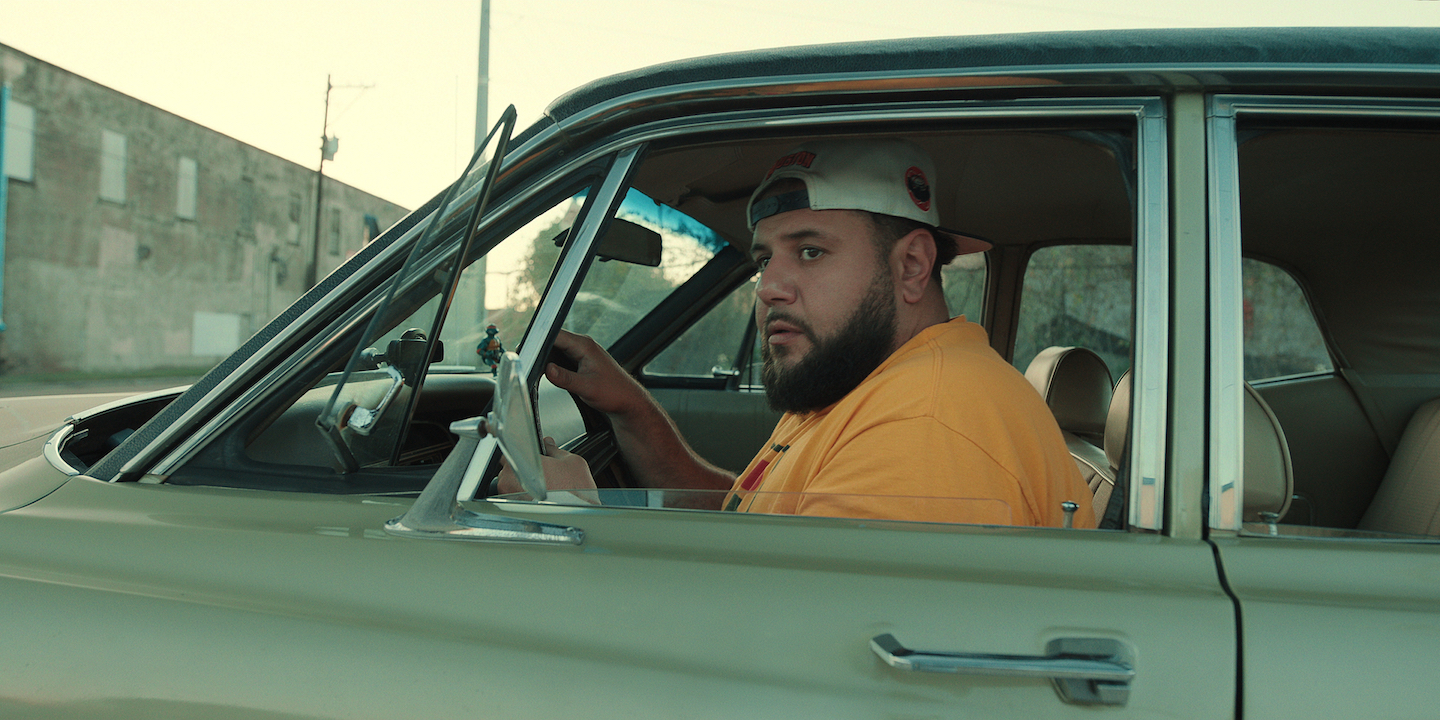
Mo Amer sitting in a car and looking out the open window

When Mo Amer set out to make a comedy TV series about his experience as a Palestinian refugee in Texas, he wished to represent his family and his culture in a way that he had never seen done before on mainstream U.S. television. In the process of doing just that, he also created a musical love letter to the Houston suburb of Alief and to everyone who has ever had to leave home.  

In the Netflix show MO, which debuted last month, the titular character straddles the line between two cultures, three languages, and a pending asylum request while hustling to support his Palestinian family. He navigates the stereotypes and intricacies of a story of displacement with both the sensitivity and humor befitting his stand-up comedy career. 

Accompanying the show is the MO Official Playlist, which amplifies the series’ multicultural and multifaceted themes. It features artists from Palestine and the Palestinian diaspora such as Chilean-Palestinian singer and Spotify RADAR–featured artist Elyanna, and DAM, the first Palestinian hip-hop group. It also incorporates a track from Palestinian American Sammy Shiblaq. Also, highlighted: hip-hop luminary Common, chopped and screwed originator DJ Screw, and regional Mexican duo Los 2 de la S.

“All of the songs that are on there, they are Mo,” Suhel Nafar, the show’s music supervisor, told For the Record in a co-interview with Mo. “If there’s an app one day where people walk and they have a soundtrack all the time around them, that would be this playlist for Mo.” 

Why was it important for you to tell this story—your family’s story? 

Mo: I’ve never seen, first of all, a Palestinian family on American television—nor have I seen an immigrant refugee story ever told in this perspective, from something as grounded in comedy. We have this idea of what a refugee, an immigrant, looks like based on the mainstream news, which is people on boats, fleeing. But we never get the details, the story of what happens after. If you actually survive and get to a new country to explore a new life, you don’t ever really see what the struggles look like there. There’s so much effort that goes into it, not just to survive, but to adjust to a completely different structure, to try to feel seen and to feel like an equal to the person next to you. 

I was really meticulous with this. It’s really, really important not to be over the top with anything. But it’s just like cooking a dish. It has to have the right balance of heat, sweetness, texture—this is the same kind of thing that goes into making a TV show. I wasn’t going to let anything slip by. And it was such an important story that’s never been done before in American television. And it’s such a huge responsibility, such a weight on my shoulders. And I take that very, very seriously. 

What were the types of music you considered for the soundtrack of this show?

Mo: Well, it’s something that I had to dig into myself, since a lot of the show is based off of my life story and grounded in that. What do I listen to? What does my playlist look like? I’m a little bit Palestinian folk music, a little modern Arabic music, but also a lot of hip-hop, a lot of chopped and screwed—I’m from Houston. I am a little bit jazz. I’m a little bit rock and roll, but I’m a little bit country. Suhel and I share the same cultural backgrounds and ethnic backgrounds, and he understood that I had so much to carry that I needed someone that I can just trust in my corner that knows me so well. 

Suhel: It’s definitely a match as I’m also from a Palestinian background; I was born and raised in Palestine and immigrated to the U.S. nine years ago. Hearing Mo’s story, that he learned English through comedy, resonated, as I’m a person that learned English through hip-hop music. So we really found this matching in our stories. For me, it wasn’t just curating for Mo, it’s for everyone who’s going to feel attached to Mo. So the soundtrack represents Black culture in Texas with hip-hop and chopped and screwed, Latin culture with regional Mexican, and Arab culture with traditional hip-hop and Arabic Pop. And if I want to go back to food—because we both love food—the way I would see it, it’s like a food truck in the U.S. that would be selling al pastor. So it looks like shawarma wrapped in a tortilla—and that’s the sound.

We also incorporated some producers like Idrissi and Ramoon, who are really dope producers from Morocco that have produced for people globally. Having that sound in there was really important. Discovery was important as well—we really wanted this to be an opportunity to not just put the big names, not just put the traditional stuff, but also put the new and upcoming artists to get people to go to Spotify, to search for that song after watching. 

Hip-hop may differ across languages and cultures, but so many elements of it remain consistent. What is the power and impact of hip-hop to you? 

Mo: Hip-hop, to me, is the voice of a struggle, the voice of overcoming struggle, and the idea of coming from nothing and assessing your environment, being honest and true to it. It’s poetry as well when it’s done the right way. It has a lot of depth and it’s so layered and sophisticated when done right. And it’s something that I just clung to when I was a kid. And then when chopped and screwed started making its sound in Houston, I was just blown away by it, because once it has a particular melody as it slows down, it puts you in a completely different state. It just slowed down everything in a really special way. So I have a lot of admiration for hip-hop and what it is and what it stands for.

Why do you think non-Palestinians or non-Arabs should experience this show? 

Suhel: The character of Mo in the show, a lot of it, about 90 percent, is what he’s like outside the show too. And what he’s representing—it’s not Arab culture. It’s not Houson culture. It’s not Latino culture or Nigerian culture. It’s a third culture. 

You know, when immigrants or refugee immigrants move to a new place in the world and all those cultures start mixing up, it creates a new culture. It’s the third culture. This is what we call it here, in the diaspora. So you could be a Latino and feel like Mo represents you because you’re feeling that experience of being from a different land. And this third culture concept is what blurs the differences between all of us. And that’s what’s beautiful about Mo in his comedy, in his show, in his storytelling, and in his choices of who he works with in front of the screen and behind the scenes. 

Fall in love with MO through the show’s official playlist, only on Spotify.

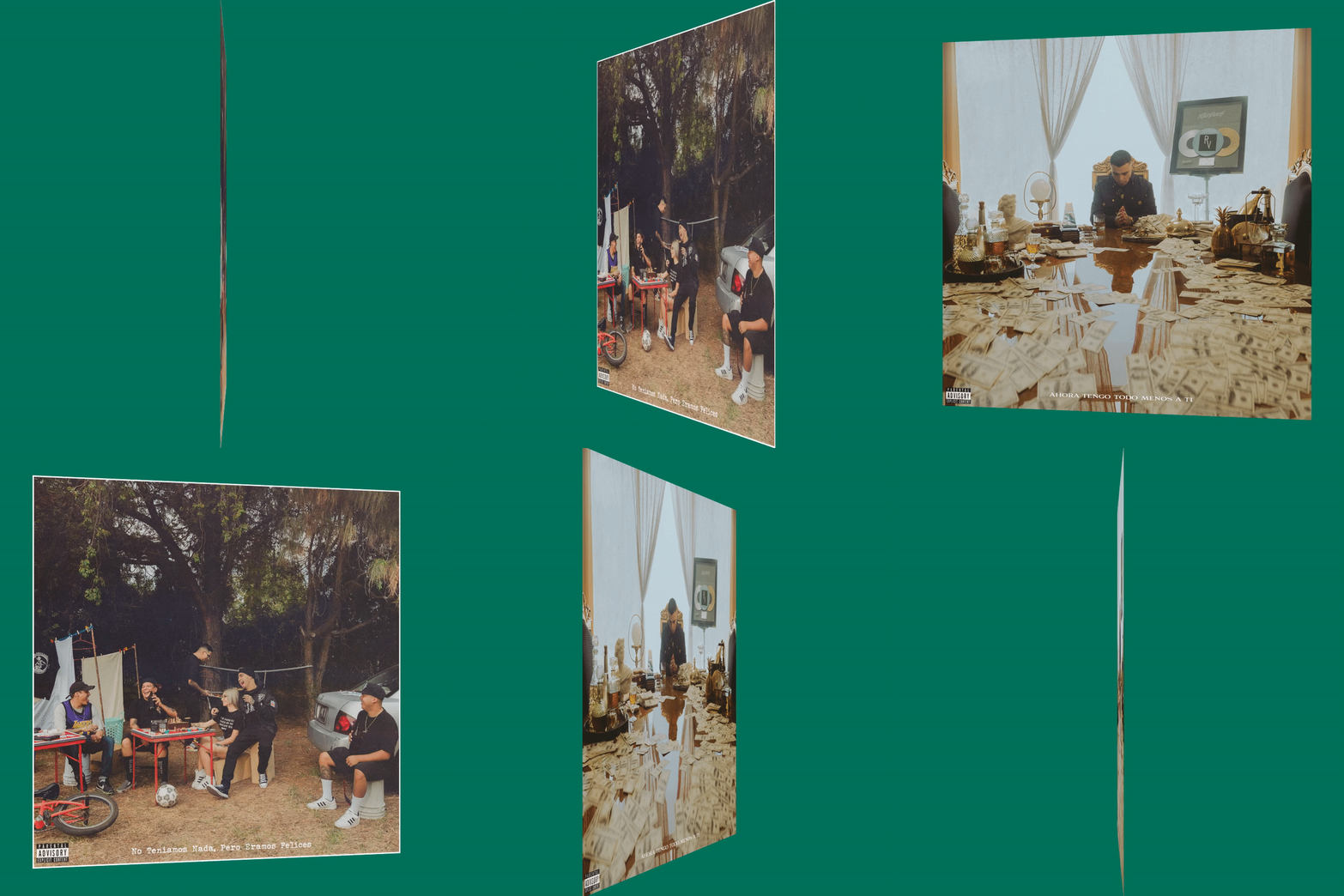
Gera MX revela los giros de su vida en ‘No Teníamos Nada, Pero Éramos Felices’ y ‘Ahora Tengo Todo Menos a Ti’ en una experiencia única para Spotify

La escena del hip-hop mexicano cada vez cobra más relevancia y Gera MX se ha convertido en uno de los artistas más representativos del género. Hoy, el rapero de 28 años de edad, lanza No Teníamos Nada, Pero Éramos Felices y Ahora Tengo Todo Menos a Ti  en una playlist multimedia que narra los giros que ha dado su vida, disponible sólo en Spotify.

El álbum doble es el octavo trabajo de estudio de Gera MX, quien inició su carrera con No Me Mates Antes De Hoy en 2015, seguido de No Veo, No Siento y Precipicio en 2017. El también fundador del sello Rich Vagos, amplió su alcance con El Vicio y la Fama, álbum que incluye colaboraciones en exploración a otros géneros junto Grupo Codiciado hacia los corridos, Celso Piña, la leyenda de la cumbia regia, y Santa Fe Klan. El año pasado lanzó Los No Tan Tristes en colaboración con Nanpa Básico y Charles Ans, además de alcanzar el #4 del chart global de Spotify junto con Christian Nodal con “Botella tras Botella.”  

El rapero nacido en Monterrey ha disparado sus streams en más de 200% en tan solo dos años y hoy cuenta con más de 9.5 millones de oyentes mensuales. En su nuevo épico álbum, que gira en torno al pasado y presente de Gera MX, cuenta con colaboraciones de Snow Tha Product, C-Kan, la estrella emergente del reggaetón colombiano Blessd, y el grupo de corridos tumbados Herencia de Patrones.

Ahora los fans de Gera MX podrán conocer de primera mano la inspiración detrás de canciones como como “Papá”, “El Santo Grial”, y “Dinero sobre Amor” en videos donde el rapero comparte un viaje introspectivo hacia las historias que inspiraron su obra más extensa y personal. 

For the Record tuvo la oportunidad de hablar con Gera sobre el proceso creativo detrás de su último proyecto.

¿Por qué lanzas dos álbumes, en lugar de una sola pieza?

Decidimos hacerlo así porque creemos que representa una dualidad, el lado oscuro y el luminoso. Como el día y la noche, el yin y el yang. Si juntas los títulos de ambos álbumes es como decir “no tenía nada, ahora tengo todo”. Ahí está la historia de mi vida. Por eso decidí hacerlo en dos partes. 

Las letras de las canciones las escribí hace cuatro o cinco años. Era algo muy personal que tenía guardado para mí. Hasta ahora, he publicado muchos álbumes y mucha música, pero este es más mío.

¿Cuál es la temática principal de No Teníamos Nada, Pero Éramos Felices y la de Ahora Tengo Todo Menos a Ti?

Para el primero todo gira en torno a recordar que no se necesita mucho para ser feliz. El segundo se trata de todo lo que hemos pasado después de una década rapeando, de sacar el pecho, agarrar el micrófono y demostrar quién soy en el escenario. A eso se refiere el título: ahora tengo todo, menos a ti. 

¿Por qué es el álbum más íntimo que has hecho hasta ahora?

Porque cada parte del álbum, cada canción, cada vivencia, cada video es una pieza del rompecabezas que conforma la persona que soy. Eso compone a Gera MX en estos momentos: mi equipo, mis canciones, mis conciertos, mis seguidores, mi familia. Creo que si faltara una pieza, me descompensaría completamente. Igual pasa con la música, cada canción que está en el álbum es como una parte del esqueleto, un brazo, el cerebro, el corazón. Así son las canciones de este álbum.

¿Cuál es la canción que mejor te representa en este álbum?

“El Santo Grial” para mí es lo más puro que queda de Gera. Es el espacio donde me permití rapear como a mí me gusta rapear. Como cuando te dan un beat y no hay reglas, como cuando no piensas en una canción que tenga que llevar alguna estrategia detrás. 

Esta canción simplemente es “El Santo Grial”: mi manera de expresar lo que siento, como fluyo, cómo veo el mundo. En la letra hablo sobre cómo pienso realmente, dejando de lado al personaje. En esa canción escribe más Gerardo que Gera MX. 

“Precipicio” es una de las canciones más representativas del álbum del mismo nombre que lanzaste en 2017. ¿Qué le diría el Gera MX de esa época al de “El Santo Grial”?

El Gera de Precipicio al de “Santo Grial” le diría que nunca se rinda y que nunca deje de rapear. Que nunca pierda su esencia y mantenga su estilo, las ganas. También que siga cuidando a su familia y se mantenga firme.

¿Cuáles son las canciones del álbum que más te gustan?

Obviamente la de “Papá” y la de “Diana”. La primera porque es un homenaje, simboliza que recuerdo al viejo con mucho cariño. Y la segunda es un detrás de cámaras de todo lo que no le tocó ver a mi hermana cuando nuestro padre se fue a Estados Unidos y lo que tuvimos que hacer para salir a flote, lidiando con los problemas de un barrio peligroso.

Este álbum doble trata de los giros que ha dado tu vida. ¿Cómo está presente tu padre en esta historia? 

Los giros de vida en los que me acompañó mi papá, prácticamente han sido todos. Me acompañó desde cachorro hasta que me convertí en lobo. No compartí tanto tiempo con él. Pero me llevé el instructivo rudo, el que me ha hecho ser quien soy y sé que me acompaña desde arriba en cada paso, en cada logro, en cada caída, en cada noche que pasamos haciendo música y compartiendo con todos.

Descubre lo nuevo de Gera MX y sumérgete en sus historias y el detrás de cámara en “No Teníamos Nada, Pero Éramos Felices” y “Ahora Tengo Todo Menos a Ti”

Spotify’s Biggest Playlist—RapCaviar—Now Has Its Own Video Podcast Hosted by Brandon ‘Jinx’ Jenkins

Brandon Jinx Jenkins

Brandon “Jinx” Jenkins lives, breathes, and sleeps hip-hop. He’s the host of several podcasts, including Spotify and Gimlet’s Mogul and the Ringer’s No Skips, which he hosts with New York Times bestselling author Shea Serrano. He’s also penning a book, launching a media magazine, and working on pre-production for several upcoming video projects. So he’s a natural choice for the brand-new RapCaviar Podcast, a video podcast that explores the essence of rap and takes Spotfiy’s top playlist, RapCaviar, in a bold new direction. 

The RapCaviar Podcast will settle long-standing debates, challenge theories, and offer fresh takes on hip-hop topics, like who the best rapper is of Kendrick, Drake, and J. Cole; whether My Beautiful Dark Twisted Fantasy is Kanye West’s best album; and who the Godfather of the trap sound really is. Each week starting today, the RapCaviar Podcast host and a panel of guests will dive deep into a main theme. 

For the Record caught up with Jinx to hear more about the podcast. 

How did the RapCaviar Podcast come about? 

The RapCaviar Podcast was something that had been floating around in the Spotify RapCaviar hallways for a minute. I’ve known [Spotify Creative Director/Head of Urban Music] Carl Cherry for years; I’ve been a fan of his work in the hip-hop space. And he had mentioned this idea about how to grow RapCaviar into these other extensions. It’s the most popular playlist in the world, and he wanted it to do more than just serve up artists and music and allow fans to play music. So they started thinking through the things they could build around it. And there have been several experiences born from this—live events, parties, panels. But I think this podcast is one new piece in the arsenal that’s angling toward one of the most important pieces of rap, period, which is the rap debate. And I was really happy that RapCaviar was like, “Hey, let’s get Jinx to do it.”  

What are some of the topics you’re excited to cover? 

We’ll cover everything from nostalgia to where we think this genre’s going and how it might change. Because in the last five years, let alone the last 10 to 20 years, it’s evolved tremendously. So we’re at a super interesting time right now because we had this whole crop of artists for the last decade who are not the new artists anymore. We’re watching Kendrick and J.Cole and Drake and everyone from that field get older, keep doing rap, keep making new music—or leave music. But we’re also embarking on this new era that still feels very much like hip-hop. There are questions of how much of it is rap. I’m interested in pushing the boundaries of what rap is and having some discussions with the new generation about what they think of the rap sphere and what’s happening. 

How has rap changed and matured over your lifetime?

I remember getting my first stereo for Christmas and setting the radio station—I’m from New Jersey, so setting the radio station to Hot97—and I was lucky. I had the rap radio station and the dial never changed. But it has gone through stages. I remember working in the mall, in the shoe store, and we played hip-hop in our store because it was the sneaker store, but you wouldn’t hear rap anywhere else in the mall. I remember when you wouldn’t hear rap in television commercials. 

Then I remember these big moments where I was watching a basketball game and would hear rap, not just in the arena but on the commercial. Or starting to hear it in the mall or see it referenced in pop culture outside the rap radio station and my friends. So for it to just keep getting bigger and bigger, and for the RapCaviar playlist to be the biggest playlist on the biggest streaming platform in the world says a lot about what the genre has done. And I feel super lucky to now be able to contribute to the same thing I’ve enjoyed all these years. 

Brandon Jinx Jenkins

Whom do you hope to invite on as guests? 

We’re going to have a mix of producers, DJs, rap photographers, writers, journalists, executives, fans, YouTubers—just the whole rap sphere, which we know is much bigger than artists and media talking heads. We want to expand this to where it’s not necessarily about your resume right now. It’s really more about the question, Do you love this thing? We want it to be democratized by multiple viewpoints and to let everyone know that all opinions and vantage points are welcome. You don’t have to be working at a record label right now or be working in hip-hop.

This is not just a podcast, but a video podcast. What excites you about this format? 

Fans spend a lot of time experiencing rap visually, whether it’s images, music videos, or the artist’s going live on whatever platform. So I think it makes sense to meet them where they’re at. Rap is such a visual medium, you know: the way you see these people dress, what they look like, how they look when they’re saying the thing. Or even in the rap debate—there’s a moment in a rap conversation where people are sitting down talking, and then someone, to make their point, has to stand up or clap their hands. So much of hip-hop and its adjacent cultures are about emoting. And I think it’s big for Spotify to take that leap and bring the rap audience something to watch. 

What’s your best hip-hop unpopular opinion? 

Everyone thinks the South is the most important region in rap. I very much think it’s the West Coast. They make the best albums. They have the most coherent music, the best positioning of their projects. It bothers me so much that it’s not the East Coast, it’s not New York or New Jersey, but I truly think some of the best music is coming out of the West Coast. So it’s not a hot take, but it’s a hot take when you wear a Yankees hat every day. 

Who are you aiming to reach with the RapCaviar Podcast?

There’s a piece of the RapCaviar playlist that’s for the initiated—it’s for the hyper-fans of rap music who have been following the changing tide of the genre over the years. But it’s also the playlist for the person who is not a hip-hop fan who wants to figure out what’s poppin’ right now. So I say that it’s “for the purist and it’s for the tourist.” The podcast, then, has the same context around the music. So if you really want to know what rap looks like and our feelings about the music you’re playing on the playlist, it’s for you. Tune in. 

Tune in to the first episode of the RapCaviar Podcast below.

Heather McGhee Takes Listeners on a Journey of America’s Possibilities on ‘The Sum of Us’

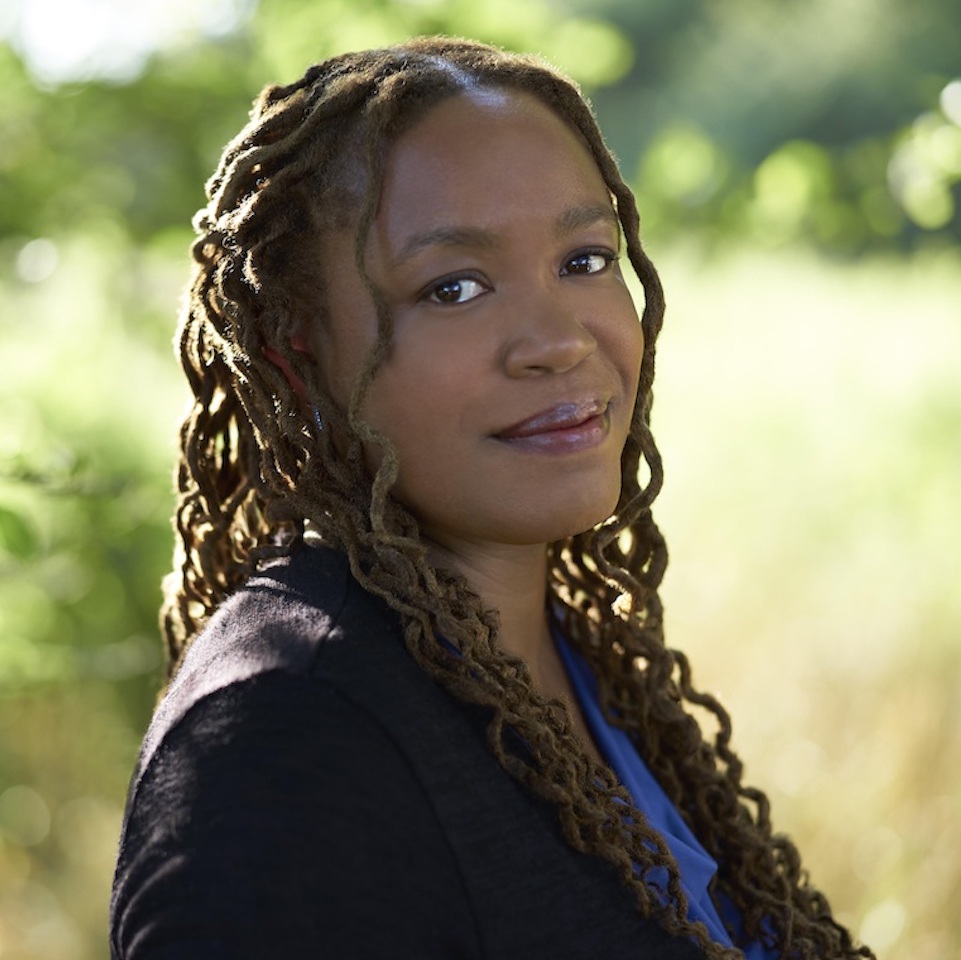
heather mcghee smiles in front of a green pastoral background

Photo credit: Andreas Burgess

Imagine: In 1959, instead of allowing a swimming pool to be racially integrated, the city of Montgomery decided to drain it. In 2022, many would shake their heads at this past reality while relegating it in their minds to exactly that—the past. Yet this choice to restrict access for some, and therefore all, is still happening in America, especially at the policy level. This is something educator, activist, and author Heather McGhee has investigated throughout her career, and especially in her 2021 book The Sum of Us.

“The Sum of Us is the story of my journey across the country that I took in search of answers to why it seems like we can’t have nice things in America,” Heather explained to For the Record. “And by nice things, I mean universal childcare and paid family leave and clean air and clean water and good schools in every neighborhood. And what I discovered is that—more than any other single factor—racism in our politics and our policymaking that leads to a reluctance for people to come together across lines of race and find common solutions to our common problems is holding us back.” 

Heather is bringing this conversation to her podcast of the same name. Debuting today on Spotify, The Sum of Us will take listeners deep into local issues from the perspective of the individuals on the ground. As Heather spotlights communities across the country, she aims to emphasize togetherness, positivity, and hope. In an unjust world where racism has costs for all Americans, The Sum of Us inspires listeners to take a more collective approach to racism through the power of human stories, empathy, and solidarity.

We sat down with Heather to learn more about her new podcast. 

How and why did you decide to create a podcast of The Sum of Us?

At the end of my book, The Sum of Us, I talk about this idea of the “Solidarity Dividend” of gains that can be unlocked by us coming together across lines of race and rediscovering our collective power. It was an idea that I floated at the end of the book, and it resonated with so many readers. And frankly, it stayed in my mind as the country seemed to fall farther and farther apart—the political divisions, the fraying of the solidarity that we had seen at the beginning of the pandemic. 

And so I wanted to hit the road again and really just focus on this idea of people coming together in communities, across their differences, really rebuilding the kind of America that our people deserve. I brought this idea to the Obamas’ production company Higher Ground; the Pulitzer Award-winning Futuro studios, an incredible team of mostly producers and engineers and writers and editors of color; and Spotify. And they were all excited about it, too. So I’ve spent the last nine months on the road finding new stories of people coming together to win in their communities. And it’s left me feeling optimistic, and I hope listeners will feel the same.

You mention your theory of the Solidarity Dividend. Can you explain it for our readers?

Over the course of my journey, I chronicled the ways in which racism ultimately has a cost for everyone because it distorts our public policymaking, makes for bad economic decisions, and erodes the trust that we have in one another, which is necessary to support public goods and public solutions. And so the flip side of that is that, if we can come together across lines of race and see our own struggles in each other or have solidarity for each other’s struggles, then we can unlock what I call “Solidarity Dividends.” And these are the gains that can only come through collective action. And in a multiracial society can really only come through multiracial, collective action. And these are things like cleaner air and water, better-funded schools, higher-paying jobs. Each of the episodes in the Some of Us podcast tackles a different solidarity dividend, something that’s precious, that matters to us all, that people are able to accomplish by coming together. 

What was the process of turning the book into a podcast like? What surprised you?

The entire process surprised me. I had no idea what I was getting into. You know, the first part was that I really tossed the book up in the air. The Sum of Us podcast is not an adaptation of the book The Sum of Us. It’s sort of a spinoff, a takeoff, another journey that’s guided by the same principles: the need to come together across lines of race, the way that racism has a cost for everyone and a real inquiry into what builds empathy and solidarity. Those themes are the same in the book and in the podcast, but the stories are mostly completely new and different. There are two locations that are in the book—Lewiston, Maine, and Kansas City, Missouri—that are also in the podcast. But I take totally different angles on those stories. In fact, in Lewiston, it’s an entirely different cast of characters. And the rest of what we cover are new stories that the incredible teams at Futuro and Higher Ground collaborated on and discovered and unearthed together. So it feels very different.

In the first episode, you share the example of Gary, a white man who, in 2016, professes to you on live TV that he wants to confront his racism and prejudices. You gave him some recommendations for where to begin. Do you think you would respond in the same way in 2022, keeping the events of the past two years in mind?  

If someone like Gary had called in today and said, “I’m prejudiced and I want to change, so what can I do to become a better American?” to be honest, I don’t think my answer would change. 

I think that the assumption might be that now in 2022, maybe a person like Gary should have already done the work. These issues have been alive. The history has been written, the books have been available. The causes have been there to join for centuries. So I totally understand the perspective that might say “you should have already done that work. You shouldn’t have had to call into a radio show or a television show with a Black woman and ask her how to become less prejudiced.” But for me, I think that the humility that it took to admit his prejudice and to ask for help is something that should always be rewarded and matched with kindness.

I think we take for granted sometimes how much work it takes to unlearn biases, to counter the dominant narratives that have supported racist systems. And so we often ask people to do it on their own—this sort of shopping cart approach to racial reconciliation in this country. And I don’t think it’s sufficient. So ideally, there would be a process that our country would go through at the national, state, local, community level. That would take us to a better place and that would teach the truth and that would create avenues for people to come together. Absent that collective effort. I do think it’s important for each one to teach one. 

So many Americans are siloed politically. How do you hope to address that through the podcast?

It’s funny. I was just thinking about what the political kind of color is on the map of the places we visited, I think the vast majority of them are red or purple. I mean, Manhattan Beach, California, is probably the most typically liberal place that we went. And yet, as listeners will learn when they listen to the podcast, the story of Manhattan Beach is a lot more complicated than it seems. 

I think we were intentional in choosing places that had good stories of people coming together against the odds. And to do that, you had to go to some places where there’s deep divisions and where the governments may not have been on the side of justice and progress. So it wasn’t an intentional effort to go to red places or purple places, but that’s where the most interesting stories of people coming together across lines of race ended up being.  

You use humor and the meme-like question of “Why can’t we have nice things?” to address hard topics. How did you decide to orient the podcast in this way?

I think that’s just my personality. I’m a really serious person whose job is focused on the worst problems in American society. But I love to have fun. I love to throw parties. I love to laugh. I have a huge network of friends. I think that ultimately what we’re looking for is a world in which there’s lots of joy and laughter and connection. And so I try to bring that to the journey to get there.


Listen to The Sum of Us hosted by Heather McGhee starting today only on Spotify. 

Hear more directly from Heather on Spotify: Mic Check.

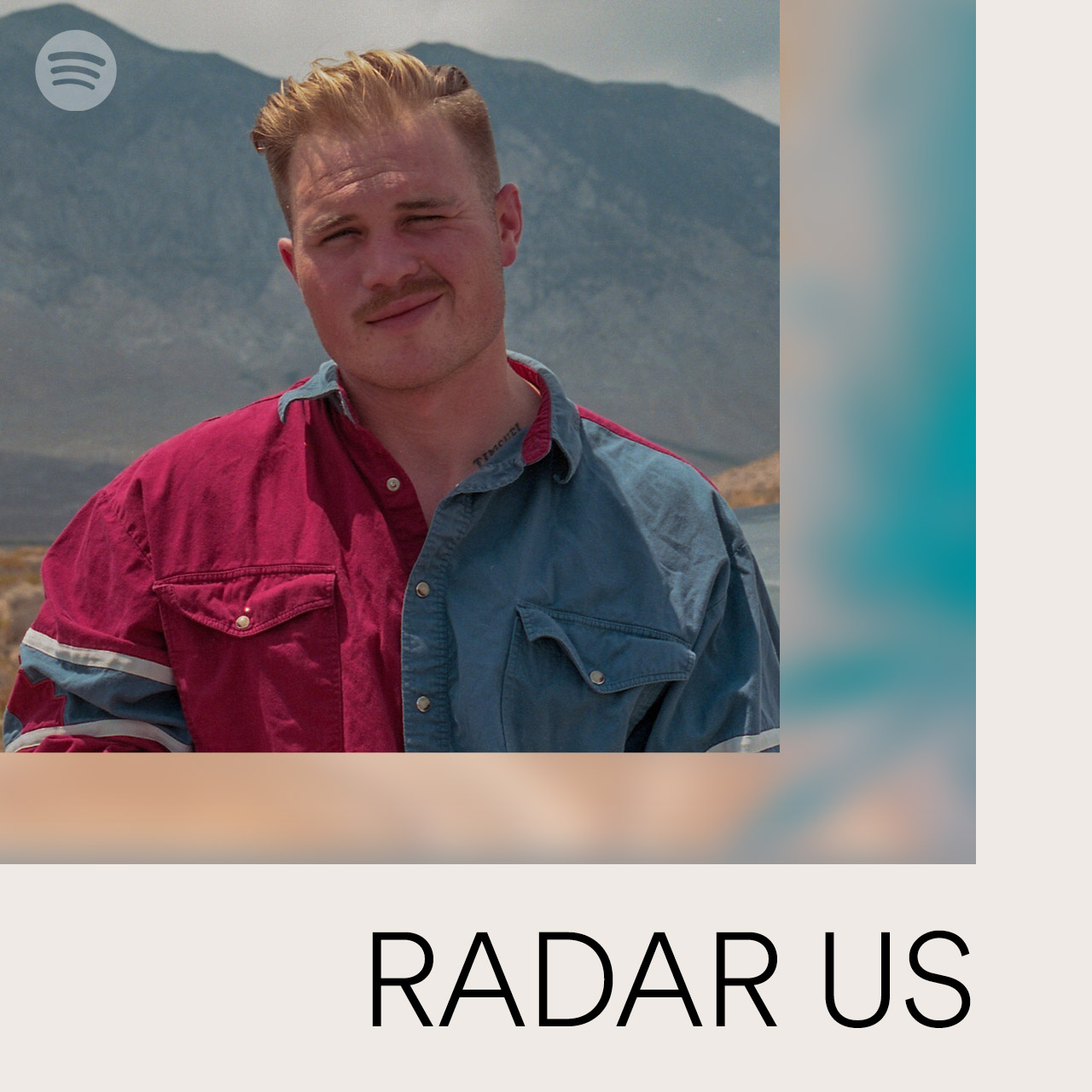
Spotify’s RADAR Program Returns With RADAR US and Announces Zach Bryan as First Country Artist

Spotify’s RADAR US program, an extension of Spotify’s global artist development program, announces its first-ever RADAR US country artist, Zach Bryan. Since launching in 2020, Spotify’s RADAR program has remained committed in supporting artists on their paths to superstardom, helping rising talent at all stages of their development and strengthening their connection to audiences. 

Zach has an enthusiastic fan base on Spotify, with his hit single “Heading South” helping put him on the map. His highly anticipated third album arrives May 20. Why, then, does he feel the same way about his career now as he did when he wrote music for fun on his days off in the military?

“I started writing songs, and I accidentally blew up. I’m so blessed and honored to be a musician because so many people aspire to be in the position I’m in their entire lives. And not a morning goes by that I don’t think about that,” Zach told For the Record. “But also, that switch has not happened yet. I’m still not sure what I want to do with the rest of my life.”

Just one year after he was honorably discharged from the United States Navy, and two years after he was featured on Spotify’s Indigo playlist, Zach is now Spotify’s first-ever RADAR US country artist.

“We saw that our listeners were responding to Zach early on with his stripped-down, salt-of-the-earth sound and honest lyrics. In 2020, he was one of our key artists for the launch of our Indigo playlist and has been a top performer there ever since,” said Rachel Whitney, Head of Editorial, Nashville. “It has been incredible to see his growth over the past two years. His talent is undeniable, and his new music has already begun to reach chart-topping status. This is just the beginning, and we’re so excited to introduce him to a broader fan base through our RADAR US program.” 

As part of RADAR US, artists receive a mixture of Spotify’s best-in-class editorial; on-platform and out-of-home marketing support, like dedicated RADAR social content capturing the many sides of artists, including acoustic performances and short-form videos; a feature in the RADAR US playlist; and an opportunity to collaborate with Spotify on a number of Fans First experiences such as exclusive live rooms with top fans on Spotify Live.

For the Record caught up with Zach to learn more about his life as an emerging artist. 

From your first experiences with a guitar to now, how has your approach to songwriting changed or stayed the same?

What’s interesting is that my approach to songwriting hasn’t changed even remotely, but my life experience has been amplified times 40. As a kid, you don’t have too much to sing about. But as an adult, things get a lot darker for everybody, and things also get a lot happier. When you grow up, everything grows up around you. So, I don’t think that my approach to songwriting is different. I think that the more I did it, the better I got at it. And the more life I lived, the more I had to write about. So it’s all part of the beautiful evolution of how most things go in life.

Which artists have inspired you the most?

So, I actually have some authors—Jack Kerouac and John Steinbeck. The way they described things in their books, it taught me how to describe everything. I read a lot growing up, and those were the two guys I always leaned on. Musically, I’d say Tyler Childers and Jason Isbell. But I also have a lot of other favorites, like John Vincent III and John Moreland out of Tulsa, Oklahoma. Those are simple guys; they’re guys who have guitars and just like to write.

How does it feel to see the growth of your music with Spotify?

Spotify has been really, really good to me in every phase of this process. It’s weird to watch the progression from the first record, when Spotify was first on my side, to now, when they’ve selected me to be their RADAR artist. I feel like I have someone in my corner. So it’s really, really incredible.

I’m also really thankful for the first fans who listened to my music because without them, I wouldn’t be here at all. I sometimes feel like I’m a vessel, like the experiences and words just come through me. They’re not from me, and that’s why making music is just so strange for me. It’s such a blessing to be the guy who gets to do it.

Any advice for fellow emerging artists?

Don’t settle. For anything. Ever, in life and in music. Go to where you’re most happy. Stay there. If your intentions are good and you don’t settle and you want to see the best in everyone around you, you can’t fail. A rising tide raises all ships. That’s how it should be.

What message do you have for your fans?

I love them so much. At the end of the day, for me, it’s all about that one person who hears the song. So, I just want them to know that I’m a human being, and I’m trying my best for the sake of them. We’re all living this life together and trying our absolute damnedest to be better people every day. That’s really important to me. The humanity of all of it is the most important thing.


Fans can catch Zach on a billboard in New York City starting May 17. Keep getting to know him and his fellow RADAR artists by listening to Spotify’s RADAR US playlist. 

Turkish Artist Aleyna Tilki Makes a Splash as Spotify’s EQUAL Ambassador of the Month

Aleyna Tilki is breaking the mold as she makes a name for herself in the music industry. The edgy Turkish singer-songwriter started her singing career at 14 years old, and now, at the age of 22, she already has multiple hits and high-profile collaborations to her name. Add to that the fact that Aleyna is the first Turkish artist that Warner Music Group has signed for international projects, and it’s clear she’s a musical force to be reckoned with.

Aleyna’s signature vocals—whether she’s singing in her native Turkish or in English—and unique style help her fuse genres in her music. Early last year, she released the highly anticipated single, “Retrograde,” cocreated by an all-star team that included Diplo, Dua Lipa, and King Henry. In October of 2021, Aleyna continued to prove her success with the song “Real Love,” which was a collaboration with producer and DJ Dillon Francis. The track was a hit, debuting at number 24 on the Billboard Dance Club Songs chart.

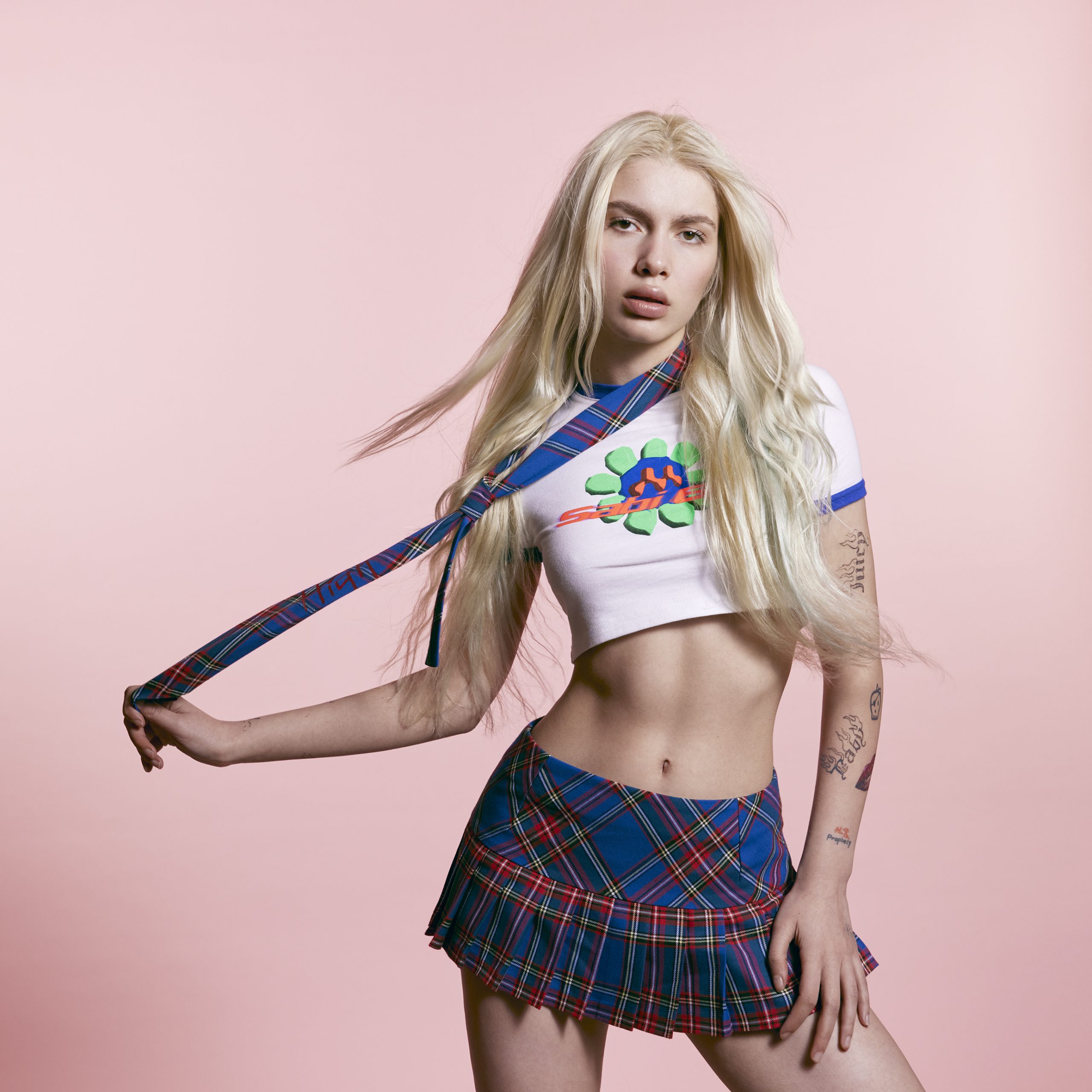
singer aleyna stands in front of a pink backdrop looking directly into the camera.

Now Aleyna continues to gain a global following as the EQUAL Ambassador of the Month for May. Spotify’s EQUAL Global Music Program aims to combat gender disparity in the music industry by amplifying and celebrating the work of women creators around the world. As a part of this month’s spotlight, Aleyna will have her song “Take It or Leave It” at the top of the EQUAL Global playlist, and the artist is featured on the playlist’s cover.

For the Record spoke with Aleyna to learn more about her creative process and some of the notable moments in her career.

The artists who have most inspired me are ____.

Freddie Mercury, Ozzy Osbourne, Billy Idol, and Michael Jackson.

One piece of advice I’d give other women artists is ____.

Your body is your area of freedom. Be free to explore it for your art. Being open about your body does not mean you are open to being abused by anyone.

One notable moment in my career so far is ____.

Being able to collaborate with great artists and big labels for my music, even though it’s really tough to break through globally from my country.

My creative process consists of ____.

Psychoanalysis. It helps me to go deeper into human psychology. But this is not about empathy, rather it’s about how it helps me to express myself in my art.

One way I’d like to see greater gender equity in the music industry is ____.

By people accepting that everything is not about masculinity.

Some women artists I’m excited to watch are ____.

ROSALÍA, Doja Cat, GAYLE, Billie Eilish, and Jessie Ware.

My girl-power anthem right now is ____.

Beyoncé’s “Run the World (Girls)” (of course).


Listen to music from Aleyna, as well as other strong women, on the EQUAL Global playlist.