Tag: brazil

The Latest Stats Are In: Brazilian Artists Generated More Revenue and Reached More Fans on Spotify—Just Ask Anitta

Over the last 10-15 years, the move toward streaming audio has completely transformed the music industry, and Spotify has led that charge. Before streaming, artist paths to success were far more limited and dominated by a select few. But as our Loud & Clear 2024 report shows, streaming continues to create new opportunities for artists.

Loud & Clear—our annual music-streaming economics report—provides a valuable, fact-driven resource for artists, fans, and the industry. Who is generating money? How much are they making? And how has that changed over time? 

Our global Loud & Clear 2024 insights, released earlier this year, showed that Spotify recorded the largest annual payment from a single retailer to the music industry at more than $9 billion in 2023—nearly triple what we paid out six years ago, and a significant portion of the $48 billion we’ve paid out in total. 

Loud & Clear is also looking at the economic impact of music streaming in local and regional markets. And that includes Brazil, where Spotify is helping artists grow their revenues and audiences in big ways. In fact, in 2023, Brazilian artists were discovered by first-time listeners nearly 10 billion times on Spotify. 

But that’s just the start. Here are our top Loud & Clear findings from Brazil.

Spotify is outpacing Brazil’s music industry 

  • Compared to 2022, revenue generated by Brazilian artists on Spotify alone grew 27% last year. 
  • That figure is more than double the 13% revenue growth Brazil’s music industry saw in the same time frame (according to the International Federation of the Phonographic Industry, IFPI).

Spotify royalties keep growing for Brazilian artists

  • Royalties generated by Brazilian artists from Spotify alone have grown 600% since 2017.
  • In 2023, revenues generated by Brazilian artists from Spotify alone reached more than 1.2B BRL, which is more than quadruple 2018’s numbers.

Spotify royalties are boosting artists’ careers at all levels 

  • The number of Brazilian artists who generated more than 100,000 BRL in revenue on Spotify alone has increased more than 500% since 2017. 
  • The number of Brazilian artists who generated more than 50,000 BRL in revenue on Spotify alone has also increased more than 300% since 2018.

Independent Brazilian artists thrive on Spotify

  • More than 70% of all revenue generated by Brazilian artists on Spotify in 2023 was from independent artists or record labels. 

For the Record spoke to Brazilian funk icon Anitta, who has worked closely with Spotify at every major juncture of her career to reach the next level of stardom. Reflecting not just on her career, Anitta also looks back at Brazil’s music industry at large and reveals how Spotify’s arrival in Brazil has helped transform the country’s music industry.

What has helped to grow your audience locally and globally, and how has Spotify helped?

It’s a curious thing, because Brazilian funk suffered from a lot of prejudiced attitudes in our country, similar to hip-hop in the ’90s. You wouldn’t see or hear funk on the radio, in TV shows, or at awards shows. But with Spotify, funk artists no longer needed the support of the larger industry players. They could just upload their own music, and the community could support funk music through their streams and show the country that people love funk. 

How did Spotify help you in the early stages of your career?

Spotify was launching in Brazil at the same time my career was taking off, so we kind of grew together. I was introducing my fans to this new platform at the time, and we did so many things together to figure out how to get the most out of features like artist playlists. It was a big partnership and I think we still have that connection because it was so good for everyone involved.

Overall, how does Spotify positively impact artists’ careers? 

In Brazil, Spotify has become the destination to discover who’s hot, who’s on the rise, and what genres are trending. Spotify is an important part of music culture in Brazil, and artists really celebrate their successes and accomplishments on Spotify. They really understand that it’s a big deal. It’s also great to see how Spotify supports new artists. They have a purpose. It’s not just about trying to be the biggest platform. They want to help the culture as well.

For the latest insights on the economics of music streaming, be sure to check out our full Loud & Clear report.

12 Artistas, 6 países, talento infinito: Conoce a la clase RADAR Latinoamérica del 2024

Desde el reggaetón hasta la Música Mexicana, los artistas latinos están dando forma al ritmo de la música global. En los últimos años, hemos visto emerger talentos rompedores desde lugares culturales como México, Colombia, Argentina, Brasil y Puerto Rico, y a sus pasos les siguen más estrellas en ascenso, listas para llevar la música a alturas aún mayores.

Desde el 2020, Spotify ha ayudado a artistas de toda la región a trazar sus caminos hacia la fama a través de RADAR, nuestro programa global para apoyar el talento emergente. Ediciones anteriores del programa han presentado a estrellas latinas como Peso Pluma, Blessd, Ovy On The Drums y Maria Becerra. Hoy, estos jugadores clave no solo están rompiendo récords en Spotify, sino que están derribando barreras y llevando su música a una audiencia global.

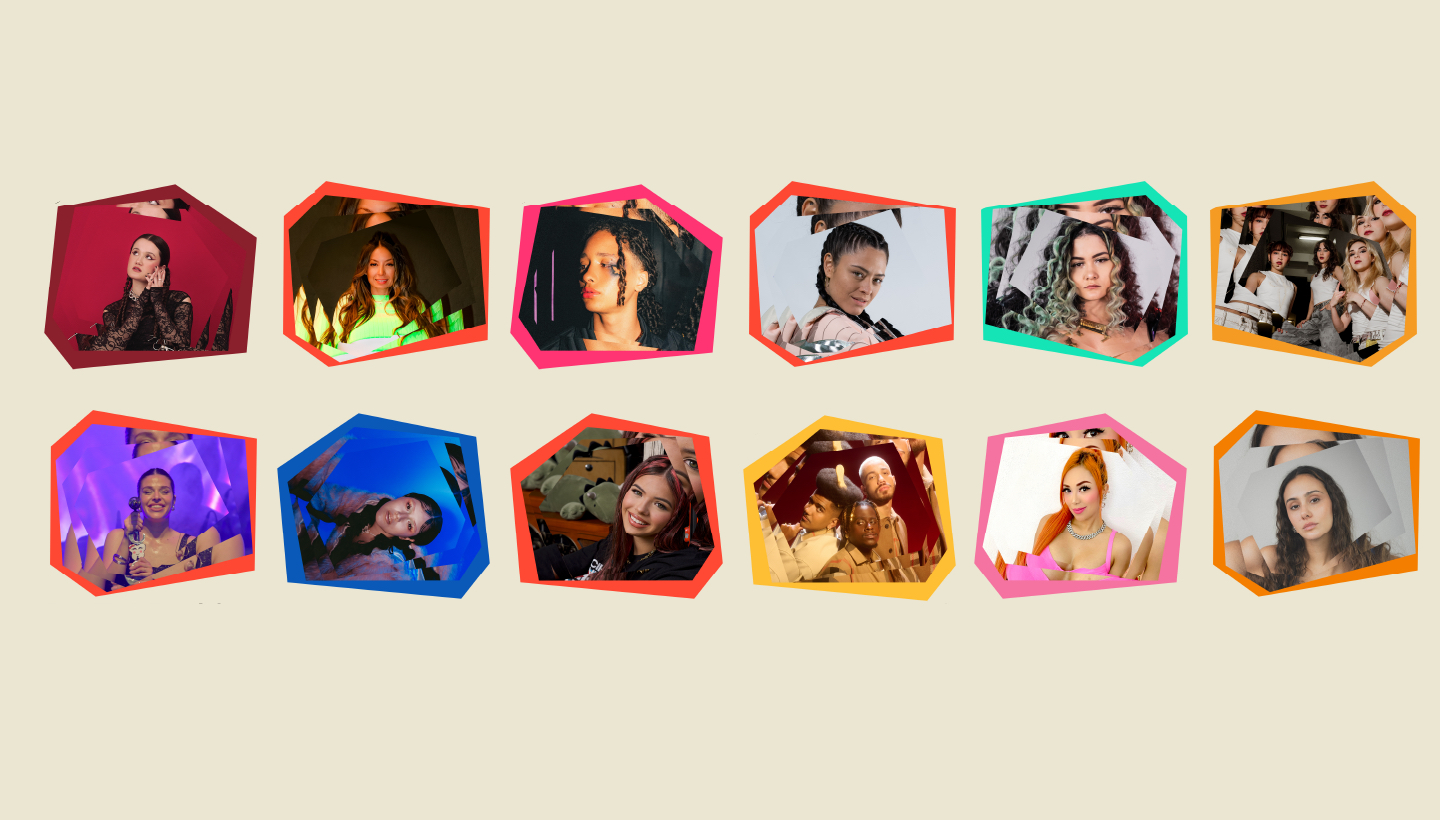
Ahora estamos lanzando la clase RADAR Latinoamérica del 2024. Con 12 artistas, la clase representa a México, Brasil, Colombia, Venezuela, Perú y Argentina. Estos artistas reflejan la rica variedad de estilos y géneros de la región, incluyendo el cuarteto argentino, la música mexicana, el funk brasileño y el reggaetón mexa, así como sonidos como el pop, el hip-hop, el rock y el R&B.

Como parte del programa, recibirán el apoyo de Spotify a través de una playlist dedicada y una ubicación editorial especial. Además, este año, Spotify se está asociando con Meta para proporcionarle a los artistas de RADAR orientación personalizada, capacitándolos para crear estrategias sociales efectivas y mejorar su presencia online. Esto será esencial para expandir el alcance y la participación de los artistas en las plataformas digitales.

Spotify también se está asociando con la plataforma de comunidad artista-fan sesh para ofrecer mentoría a cada artista. A través de sesh, que ayuda a los artistas a forjar conexiones más profundas con sus oyentes, construirán estrategias personalizadas para un mayor crecimiento y retención de su base de fans.

Sigue leyendo para conocer a estas estrellas en ascenso.

RADAR Mexico

CHOCA

En Spotify, el reguetón Mexa ha crecido más del 120% en su país de origen en el último año. Proveniente de la Ciudad de México, CHOCA está lista para llevar el género aún más lejos. La artista lanzó su carrera musical en 2021 con el lanzamiento de su primer sencillo, “Bluntsito, y ha continuado perfeccionando su flow, como lo demuestra su último single, “Bebe Ricota.

Delilah

La joven artista de Música Mexicana Delilah se ha hecho un nombre en los corridos tumbados, un subgénero de los corridos mexicanos. Fue la primera cantante mujer en unirse al sello discográfico de Natanael Cano, Los CT, y lanzó su primer sencillo, “Amor Perdido”, bajo el sello a principios de este año.

The Warning

La banda de rock con sede en Monterrey, The Warning, está compuesta por tres hermanas: Dany, Pau y Ale Villarreal. El grupo inicialmente causó sensación con una serie de lanzamientos independientes, abriendo camino para su álbum ERROR de 2022. Desde entonces, han compartido escenarios junto a leyendas del rock como Muse, Foo Fighters, y Guns N’ Roses.

Escucha nuestra playlist RADAR México para conocer a los próximos artistas a seguir del país.

RADAR Brazil

Os Garotin

La banda de Río de Janeiro Os Garotin fue formada por Anchietx, Leo Guima, y Cupertino. Los tres amigos (y artistas solistas) se han unido para mezclar soul brasileño, hip-hop y pop en un sonido que describen como R&B bailable. El trío llamó la atención por primera vez en 2023 con su EP debut, Só Vem, y actualmente se prepara para lanzar su álbum debut, OS GAROTIN DE SÃO GONÇALO.

MC NAHARA

MC NAHARA ha surgido como una de las principales voces femeninas del funk brasileño, con varios millones de seguidores en redes sociales. Más recientemente, colaboró con el referente del funk brasileño Djonga en su tema “Mexeu com a Mente, mientras que colaboraciones con el rapero MC Saci y el productor Wc no Beat están en el horizonte.

Xamuel

Con más de 4.5 millones de seguidores en las redes sociales, Xamuel es un joven artista brasileño originario de Rio Grande do Sul que comenzó su carrera en la escena de batallas de rap de la región. Después de que un video de una de sus batallas se volviera viral en 2022, Xamuel desarrolló el éxito en su single de éxito “Alguém Conseguiu Entender?, al que siguió su debut en un sello discográfico importante, “Sozinho.

Sumérgete en nuestra playlist RADAR Brasil para descubrir más talentos emergentes.

RADAR Andinos

Susana Cala
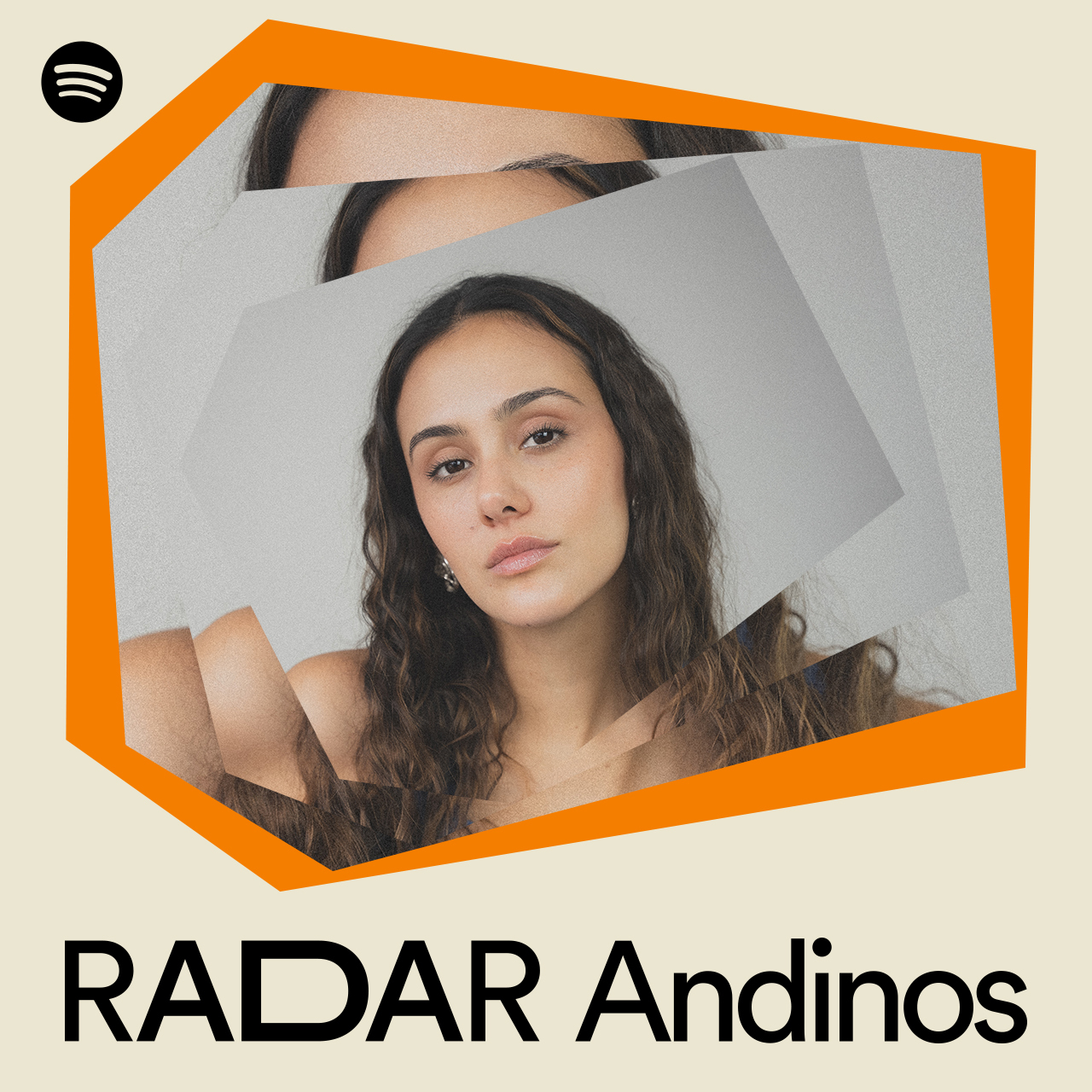
Susana Cala es una cantautora de Bogotá, Colombia. Después de componer canciones para renombrados artistas latinos como Morat, Andrés Cepeda, Sebastián Yatra, y Ximena Sariñana, lanzó su propia carrera como artista pop en 2021. Describe su estilo como bedroom pop y menciona a artistas como Julieta Venegas y La Oreja de Van Gogh como su inspiración.

Joaquina

La joven cantautora venezolano-estadounidense Joaquina es una promesa del pop latino. Se llevó el premio al Mejor Artista Nuevo en los Latin Grammys del 2023 por su EP debut, los mejores años (notas de diario), una colección de reflexiones poéticas de pop-rock sobre desamor, rabia y angustia adolescente.

Greccia

Greccia es una cantautora de Lima, Perú, que describe su estilo como una mezcla de dream pop, urbano alternativo y R&B. Inició su carrera musical hace poco más de un año con el lanzamiento de su primer sencillo, “aviéntate, y actualmente está trabajando en su primer álbum de estudio, que saldrá más tarde este año.

Echa un vistazo a las canciones de otros talentosos artistas en Colombia, Ecuador, Venezuela y Perú en nuestra playlist RADAR Andinos.

RADAR Al Sur

Magui Olave
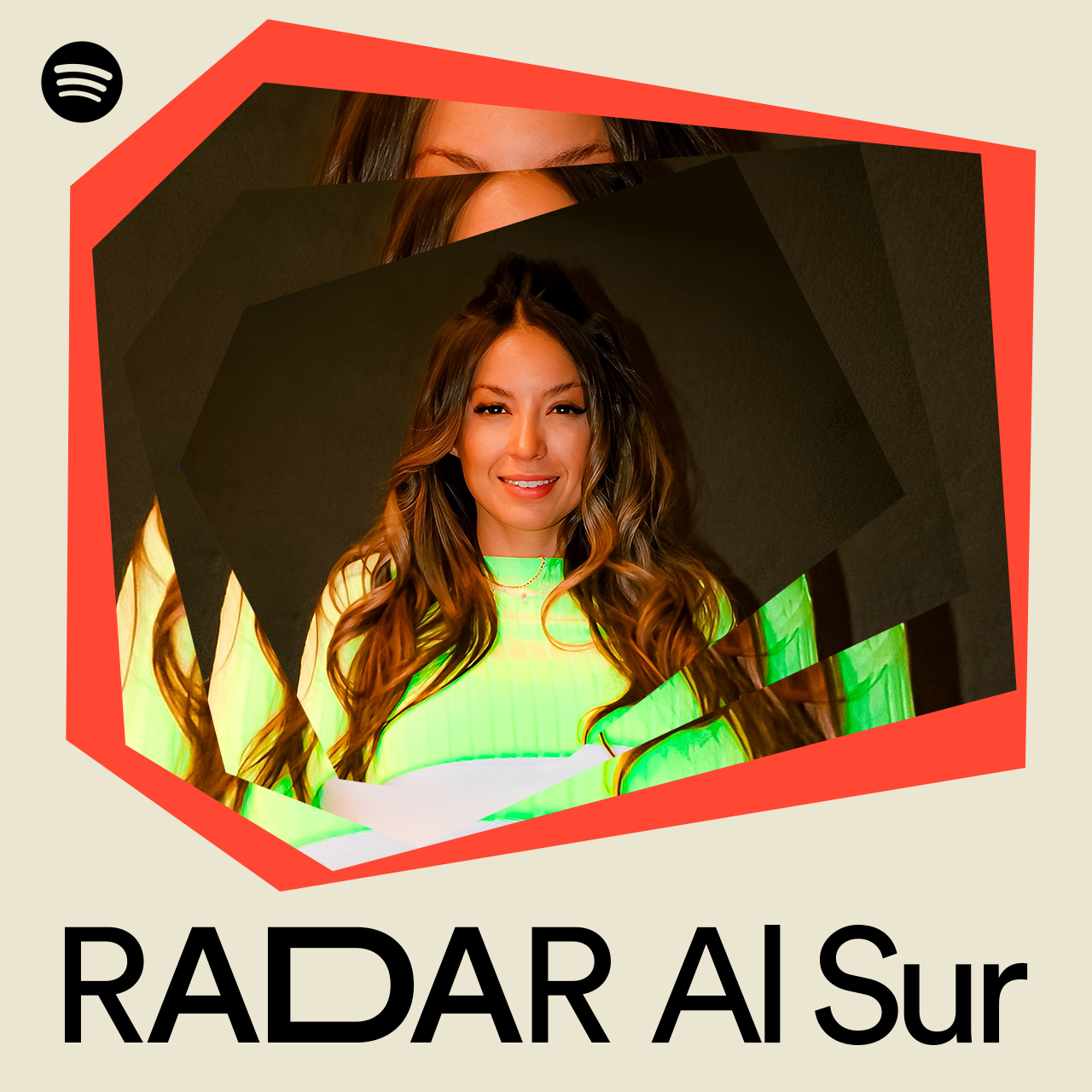
Magui Olave nació y creció en una familia de cuarteto en Córdoba, Argentina. Comenzó su carrera musical haciendo coros para sus primos, los cantantes de cuarteto argentinos Ulises Bueno y Rodrigo (también conocido como “El Potro”). Hoy en día, tiene varios álbumes de estudio en su haber.

Valentina Marquez

Valentina Marquez es una estrella en ascenso en el cuarteto argentino, siguiendo los pasos de su padre Lisandro Marquez, miembro de la banda de cuarteto Sabroso. Apenas dos años después de iniciar su carrera musical, ya ha acumulado casi 20 millones de streams en Spotify.

Eugenia Quevedo

Eugenia Quevedo es otra figura femenina prominente en el cuarteto argentino, habiendo aparecido en programas como Got Talent Argentina y La Voz Argentina (de la franquicia The Voice). Más recientemente, colaboró con el artista argentino Luck Ra en “OJALÁ, un tema de su exitoso álbum QUE NOS FALTE TODO.

Escucha nuestra playlist RADAR Al Sur para conocer más estrellas en ascenso de la parte de más al sur de Latinoamérica.

12 Artists, 6 Countries, Endless Talent: Meet the RADAR Latin America Class of 2024

From reggaeton to Música Mexicana, Latin artists are reshaping the rhythm of global music. Recent years have seen the emergence of groundbreaking talent from cultural hot spots like Mexico, Colombia, Argentina, Brazil, and Puerto Rico—and at their heels are more rising stars, ready to take the music to even greater heights.

Since 2020, Spotify has helped artists across the region chart their paths to stardom through RADAR, our global program to support emerging talent. Previous editions of the program have featured Latin hitmakers like Peso Pluma, Blessd, Ovy On The Drums, and Maria Becerra. Today, these power players arent just breaking records on Spotify—theyre breaking down barriers and bringing their music to a global audience.

Now we’re launching the RADAR Latin America class of 2024. Featuring 12 artists, the class represents Mexico, Brazil, Colombia, Venezuela, Peru, and Argentina. These artists reflect the region’s rich tapestry of styles and genres, including Argentine cuarteto, Música Mexicana, Brazilian funk, and reggaetón Mexa, as well as sounds like pop, hip-hop, rock, and R&B.

As part of the program, RADAR artists receive Spotify support through a dedicated playlist and special editorial placement. Additionally, this year, Spotify is teaming up with Meta to provide the class with personalized guidance, empowering them to create effective social strategies and enhance their online presence. This will be essential for expanding the artists’ reach and engagement on digital platforms.

Spotify is also partnering with the artist-fan community platform sesh to offer mentorship to each artist. Through sesh, which helps artists forge deeper connections with their listeners, they will build custom strategies for greater growth and retention of their fan bases.

Keep reading to get to know these rising stars.

RADAR Mexico

CHOCA

On Spotify, reggaetón Mexa has grown over 120% in its home country in the past year alone. Hailing from Mexico City, CHOCA is ready to take the genre even further. The artist launched her music career in 2021 with the release of her first single, “Bluntsito,” and has continued to fine-tune her flow, as evidenced by her latest single, “Bebe Ricota.”

Delilah

The young Música Mexicana artist Delilah has made a name for herself in corridos tumbados, a subgenre of Mexican corridos. She was the first female singer to join Natanael Cano’s record label, Los CT, and dropped her first single under the label, “Amor Perdido,” earlier this year.

The Warning

The Monterrey-based rock band The Warning is composed of three sisters: Dany, Pau, and Ale Villarreal. The group initially made waves with a series of independent releases, paving the way for their 2022 album ERROR. They have since graced stages alongside rock legends like Muse, Foo Fighters, and Guns N’ Roses.

Stream our RADAR México playlist to hear the country’s next wave artists to watch.

RADAR Brazil

Os Garotin

Rio de Janeiro-based band Os Garotin was formed by Anchietx, Leo Guima, and Cupertino. The three friends (and solo artists) have come together to blend Brazilian soul, hip-hop, and pop into a sound they describe as danceable R&B. The trio first gained attention in 2023 with their debut EP, Só Vem, and are currently preparing to release their debut album, OS GAROTIN DE SÃO GONÇALO.

MC NAHARA

MC NAHARA has emerged as one of the main female voices of Brazilian funk, with several million followers on social media. Most recently, she featured Brazilian funk mainstay Djonga on her track “Mexeu com a Mente,” while collaborations with rapper MC Saci and producer Wc no Beat are on the horizon.

Xamuel

Boasting more than 4.5 million followers on social media, Xamuel is a young Brazilian artist from Rio Grande do Sul who got his start in the region’s battle rap scene. After footage of one of his battle raps went viral in 2022, Xamuel developed the hit into his breakout single “Alguém Conseguiu Entender?” which he followed up with his major label debut single “Sozinho.”

Dive into our RADAR Brasil playlist to discover more emerging talent.

RADAR Andinos

Susana Cala

Susana Cala is a singer-songwriter from Bogotá, Colombia. After composing songs for renowned Latin artists such as Morat, Andrés Cepeda, Sebastián Yatra, and Ximena Sariñana, she launched her own career as a pop artist in 2021. She describes her sound as bedroom pop and cites artists like Julieta Venegas and La Oreja de Van Gogh as her inspiration.

Joaquina

The young Venezuelan American singer-songwriter Joaquina is one to watch in Latin pop. She took home the Best New Artist award at the 2023 Latin Grammys for her debut EP, los mejores años (notas de diario), a collection of poetic pop-rock reflections on heartbreak, rage, and teen angst.

Greccia

Greccia is a singer-songwriter from Lima, Peru, who describes her sound as a mix of dream pop, alternative urban, and R&B. She launched her music career just over a year ago with the release of her first single, “aviéntate,” and is currently working on her first studio album, arriving later this year.

Check out tracks from other talented artists in Colombia, Ecuador, Venezuela, and Peru in our RADAR Andinos playlist.

RADAR Al Sur

Magui Olave

Magui Olave was born and raised in a cuarteto family in Córdoba, Argentina. She got her start in music doing backup vocals for her cousins, Argentine cuarteto singers Ulises Bueno and Rodrigo (also known as “El Potro”). Today, she has several studio albums under her belt.

Valentina Marquez

Valentina Marquez is a rising star in Argentine cuarteto, having followed in the footsteps of her father Lisandro Marquez, a member of the cuarteto band Sabroso. Just two years into her music career, she has already accumulated nearly 20 million streams on Spotify.

Eugenia Quevedo

Eugenia Quevedo is another prominent female figure in Argentine cuarteto, having appeared on shows like Got Talent Argentina and La Voz Argentina (of The Voice franchise). Most recently, she collaborated with Argentine hitmaker Luck Ra on “OJALÁ,” a track from his chart-topping album QUE NOS FALTE TODO.

Stream our RADAR Al Sur playlist to hear more rising stars from the southernmost areas of Latin America.

Turn Up the Heat With Argentina’s and Brazil’s 2024 Songs of Summer

From December to March, as people across the Southern Hemisphere soak up the summer, music often emerges as a powerful representation of a region’s cultures and customs.

This summer, music in Argentina and Brazil reflected each country’s rich cultural diversity. From the infectious vibes of cuarteto to the catchy rhythms of cumbia and the far-reaching sounds of trap and funk music, Spotify served as the main stage for fans to discover and enjoy the hottest hits.

Now that the season has come to an end, we took a closer look at our data to uncover the trends driving streams on Spotify and, of course, which tracks brought the most heat.

Argentina

On Spotify, listeners in Argentina came in hot this summer. In fact, the creation of playlists with the word “verano” or “summer” in the title was up 70% compared to summer 2023, resulting in more than 25,000 user-generated playlists.

As for which beats were blasted the most, one artist reigned supreme. Luck Ra nabbed three of the top 10 Songs of Summer, with his and KHEAs hit track “HOLA PERDIDA” racking up more than 43 million streams on Spotify in less than two months. Also, his new album QUE NOS FALTE TODO was the first Argentine album to reach Spotify’s Top Global Debut Album chart.

These are the 10 tracks that Argentines streamed the most on Spotify this summer:

      1. HOLA PERDIDA” – KHEA, Luck Ra
      2. Una Foto Remix (feat. Emilia)” – Mesita, Nicki Nicole, Tiago PZK, Emilia
      3. QUE ME FALTE TODO” – Abel Pintos, Luck Ra
      4. La Morocha” – BM, Luck Ra
      5. Young Miko: Bzrp Music Sessions, Vol. 58” – Bizarrap, Young Miko
      6. Inocente” – Roze Oficial, Peipper
      7. La_Original.mp3” – Emilia, TINI
      8. ROZE | DJ TAO Turreo Sessions #22” – DJ Tao, Roze Oficial
      9. Exclusive.mp3” – Emilia
      10. LUNA” – Feid, ATL Jacob

Keep the party going with our Éxitos Argentina playlist.

Brazil

Our listeners in Brazil were also celebrating with temperature-raising tracks. On Spotify, the creation of playlists with the word “verão” or “summer” in the title was up 38% compared to summer 2023, resulting in more than 20,000 user-generated playlists.

With four of the top 10 Songs of Summer, Ana Castela captivated fans this season. Also known as the “Boiadeira” (Portuguese for “cowgirl”), the singer-songwriter fuses sertanejo, the Brazilian style of country music, with electronic sounds.

These are the 10 tracks that Brazilians streamed the most on Spotify this summer:

      1. Let’s Go 4Dj GBR, MC GH do 7, MC GP, MC PH, MC Ryan SP, Mc Davi, Mc Don Juan, Mc IG, Mc Kadu, Mc Luki, TrapLaudo
      2. Me Leva Pra Casa / Escrito Nas Estrelas / Saudade – Ao VivoLauana Prado
      3. POCPOCPEDRO SAMPAIO
      4. DEJA VU– Ana Castela, Luan Santana
      5. Barulho Do Foguete – Ao VivoZé Neto & Cristiano
      6. Tenho Que Me DecidirBorges, MC PH, Pedro Lotto, WEY, WIU
      7. Canudinho – Ao Vivo– Ana Castela, Gusttavo Lima
      8. Daqui pra SempreManu, Simone Mendes
      9. Dia de FluxoAgroPlay, Ana Castela, LUDMILLA
      10. Fronteira – Ao Vivo” – Ana Castela, Gustavo Mioto

Dive into our PURO CALDO DO VERÃO playlist to discover more hits.

A wave of nostalgia

Beyond the top hits, a notable summer trend spotted by our editorial team in Brazil was an uptick in local artists’ breathing new life into older hits.

To hear even more of the hottest sounds from around Latin America, check out our flagship playlist Viva Latino.

Aumente o Som com as Músicas do Verão de 2024 da Argentina e do Brasil

De dezembro a março, à medida que as pessoas em todo o Hemisfério Sul aproveitam o verão, a música surge frequentemente como uma representação poderosa das culturas e costumes de uma região.

Neste verão, a música na Argentina e no Brasil refletiu a rica diversidade cultural de cada país. Das vibrações contagiantes do cuarteto aos ritmos marcantes da cumbia e os sons abrangentes do trap e do funk, o Spotify serviu como palco principal para os fãs descobrirem e curtirem os sucessos mais quentes.

Agora que a temporada chegou ao fim, analisamos mais de perto nossos dados para descobrir as tendências que impulsionaram os streams no Spotify e, claro, quais músicas deixaram o clima mais quente.

Argentina

No Spotify, os ouvintes na Argentina chegaram com tudo nesse verão. Na verdade, a criação de playlists com a palavra “verano” (verão) no título aumentou 70% em relação ao verão de 2023, resultando em mais de 25.000 playlists criadas pelos usuários.

Quanto às batidas mais tocadas, um artista reinou supremo. Luck Ra conquistou três das 10 músicas mais escutadas no verão, com sua faixa de sucesso em colaboração com KHEA, “HOLA PERDIDA,” acumulando mais de 43 milhões de streams no Spotify em menos de dois meses. Além disso, seu novo álbum QUE NOS FALTE TODO foi o primeiro álbum argentino a alcançar o chart Top Global Debut Album do Spotify.

Estas são as 10 faixas que os argentinos mais esscutaram no Spotify neste verão: 

      1. HOLA PERDIDA” – KHEA, Luck Ra
      2. Una Foto Remix (feat. Emilia)” – Mesita, Nicki Nicole, Tiago PZK, Emilia
      3. QUE ME FALTE TODO” – Abel Pintos, Luck Ra
      4. La Morocha” – BM, Luck Ra
      5. Young Miko: Bzrp Music Sessions, Vol. 58” – Bizarrap, Young Miko
      6. Inocente” – Roze Oficial, Peipper
      7. La_Original.mp3” – Emilia, TINI
      8. ROZE | DJ TAO Turreo Sessions #22” – DJ Tao, Roze Oficial
      9. Exclusive.mp3” – Emilia
      10. LUNA” – Feid, ATL Jacob

Continue aproveitando o som com a nossa playlist Éxitos Argentina.

Brasil

Nossos ouvintes no Brasil também curtiram o verão com faixas que elevam as temperaturas. No Spotify, a criação de playlists com a palavra “verão” no título aumentou 38% em relação ao verão de 2023, resultando em mais de 20.000 playlists criadas pelos usuários.

Com quatro das 10 músicas mais escutadas no verão, Ana Castela conquistou os fãs nesta temporada. Também conhecida como “Boiadeira,” a cantora e compositora mistura sertanejo, o estilo country music brasileiro, com sons eletrônicos.

Estas são as 10 faixas que os brasileiros mais escutaram no Spotify neste verão:

      1. Let’s Go 4Dj GBR, MC GH do 7, MC GP, MC PH, MC Ryan SP, Mc Davi, Mc Don Juan, Mc IG, Mc Kadu, Mc Luki, TrapLaudo
      2. Me Leva Pra Casa / Escrito Nas Estrelas / Saudade – Ao VivoLauana Prado
      3. POCPOCPEDRO SAMPAIO
      4. DEJA VU– Ana Castela, Luan Santana
      5. Barulho Do Foguete – Ao VivoZé Neto & Cristiano
      6. Tenho Que Me DecidirBorges, MC PH, Pedro Lotto, WEY, WIU
      7. Canudinho – Ao Vivo– Ana Castela, Gusttavo Lima
      8. Daqui pra SempreManu, Simone Mendes
      9. Dia de FluxoAgroPlay, Ana Castela, LUDMILLA
      10. Fronteira – Ao Vivo” – Ana Castela, Gustavo Mioto

Mergulhe na nossa playlist PURO CALDO DO VERÃO para descobrir mais hits!

Uma onda de nostalgia

Além dos maiores sucessos do momento, uma tendência de verão notável identificada por nossa equipe editorial no Brasil foi o aumento de artistas locais dando nova vida a sucessos antigos.

Para curtir os sons mais quentes da América Latina, acesse a nossa playlist principal Viva Latino.

Sube la temperatura con las canciones del verano 2024 en Argentina y Brasil

De diciembre a marzo, cuando los ciudadanos del hemisferio sur disfrutan del verano, la música se convierte en una poderosa representación de las culturas y costumbres de cada región.

Este verano, la música en Argentina y Brasil reflejó la rica diversidad cultural de cada país. Desde las contagiosas vibraciones del cuarteto hasta los pegadizos ritmos de la cumbia y los sonidos del trap y la música funk, Spotify sirvió de escenario principal para que los fans descubrieran y disfrutaran de los éxitos más populares.

Ahora que la temporada ha llegado a su fin, hemos echado un vistazo más a nuestros datos para descubrir las tendencias que impulsan los streams en Spotify y, por supuesto, qué canciones trajeron más calor.

Argentina

En Spotify, los oyentes argentinos han entrado en calor este verano. De hecho, la creación de listas de reproducción con la palabra “verano” en el título aumentó un 70% en comparación con el verano de 2023, dando lugar a más de 25.000 listas de reproducción generadas por los usuarios.

En cuanto a los ritmos más escuchados, un artista reinó en la lista. El cuartetero Luck Ra se llevó tres de las 10 mejores canciones del verano, con su éxito “HOLA PERDIDA” junto a KHEA que acumuló más de 43 millones de reproducciones en Spotify en menos de dos meses. Además, su nuevo álbum QUE NOS FALTE TODO fue el primer álbum argentino en llegar a la lista Top Global Debut Álbum de Spotify.

Estas son las 10 canciones que más escucharon los argentinos en Spotify este verano:

      1. HOLA PERDIDA” – KHEA, Luck Ra
      2. Una Foto Remix (feat. Emilia)” – Mesita, Nicki Nicole, Tiago PZK, Emilia
      3. QUE ME FALTE TODO” – Abel Pintos, Luck Ra
      4. La Morocha” – BM, Luck Ra
      5. Young Miko: Bzrp Music Sessions, Vol. 58” – Bizarrap, Young Miko
      6. Inocente” – Roze Oficial, Peipper
      7. La_Original.mp3” – Emilia, TINI
      8. ROZE | DJ TAO Turreo Sessions #22” – DJ Tao, Roze Oficial
      9. Exclusive.mp3” – Emilia
      10. LUNA” – Feid, ATL Jacob

Seguí la fiesta con nuestra playlist Éxitos Argentina.

Brasil

Nuestros oyentes en Brasil también celebraron el verano con canciones que subieron la temperatura. En Spotify, la creación de listas de reproducción con la palabra “verão” o “verano” en el título aumentó un 38% en comparación con el verano de 2023, lo que dio lugar a más de 20.000 listas de reproducción generadas por los usuarios.

Con cuatro de las 10 mejores canciones del verano, Ana Castela cautivó a los fans esta temporada. También conocida como la “Boiadeira” (vaquera en portugués), la cantautora fusiona el sertanejo, el estilo brasileño de música country, con sonidos electrónicos.

Estas son las 10 canciones más escuchadas por los brasileños en Spotify este verano:

      1. Let’s Go 4” – Dj GBR, MC GH do 7, MC GP, MC PH, MC Ryan SP, Mc Davi, Mc Don Juan, Mc IG, Mc Kadu, Mc Luki, TrapLaudo
      2. Me Leva Pra Casa / Escrito Nas Estrelas / Saudade – Ao Vivo” – Lauana Prado
      3. POCPOC” – PEDRO SAMPAIO
      4. DEJA VU” – Ana Castela, Luan Santana
      5. Barulho Do Foguete – Ao Vivo” – Zé Neto & Cristiano
      6. Tenho Que Me Decidir” – Borges, MC PH, Pedro Lotto, WEY, WIU
      7. Canudinho – Ao Vivo” – Ana Castela, Gusttavo Lima
      8. Daqui pra Sempre” – Manu, Simone Mendes
      9. Dia de Fluxo” – AgroPlay, Ana Castela, LUDMILLA
      10. Fronteira – Ao Vivo” – Ana Castela, Gustavo Mioto

Sumérgete en nuestra lista de reproducción PURO CALDO DO VERÃO para descubrir más éxitos.

Ola de nostalgia

Más allá de los grandes éxitos, una tendencia notable del verano detectada por nuestro equipo editorial en Brasil fue el aumento de artistas locales que dan nueva vida a éxitos más antiguos.

Para escuchar aún más de los sonidos más candentes de toda América Latina, echa un vistazo a nuestra lista de reproducción destacada Viva Latino.

As Maiores Conclusões do Relatório Anual de Economia Musical do Spotify

No Spotify, acreditamos que os artistas merecem clareza no que diz respeito à economia do streaming de música – é por isso que publicamos dados que mostram o nosso impacto na indústria todos os anos. Essas informações estão no Loud & Clear, nosso relatório para artistas e profissionais da indústria que detalha a economia global do streaming, as partes envolvidas e os processos.

Hoje, divulgamos informações e dados novos e atualizados de Loud & Clear, incluindo números de 2023 que mostram progressos adicionais significativos em direção a uma indústria musical mais diversa e equilibrada. O panorama geral? O streaming continuou a criar mais espaço para mais artistas alcançarem o sucesso, demonstrando uma mudança real em todo o negócio.

Os dados mais recentes mostram que a indústria está menos concentrada do que nunca, com mais artistas tendo protagonismo e capacidade de viver da sua arte. No ano passado, o Spotify registrou o maior pagamento anual à indústria da música. E, pela primeira vez, o catálogo de artistas independentes e artistas assinados com gravadoras independentes representou cerca de metade do que toda a indústria gerou no Spotify em 2023.

Aqui estão os destaques do nosso relatório anual de economia da música.

Pagamentos recordes do Spotify

Esses pagamentos resultaram em receitas e crescimento recordes para os detentores de direitos em nome de artistas e compositores.

Mais dinheiro em todos os níveis

Os royalties do Spotify estão impulsionando a carreira de artistas em todos os estágios. E esses números representam apenas a receita gerada pelo Spotify. É provável que os artistas tenham gerado 4x essa receita de fontes de música registradas em geral, além da receita adicional com ingressos para shows e produtos. 

Um ano recorde para artistas independentes

Na verdade, esse é o valor mais alto que artistas independentes já geraram em um único varejista em um ano e representa um aumento de 4x desde 2017.

Os milionários inesperados

Na era do streaming, os charts não são grandes o suficiente para mostrar todos os artistas que estão fazendo sucesso. O gosto dos fãs é mais diversificado e um conjunto de royalties maior significa mais receita para uma gama mais ampla de artistas.

Crescimento na carreira artística

As carreiras não apenas começam no Spotify, elas crescem no Spotify. Continuamos comprometidos em ajudar artistas emergentes e profissionais a viverem de seu trabalho, ano após ano.

Para saber mais sobre nossos principais resultados, bem como o contexto da indústria em geral, relatórios adicionais e FAQs, acesse Loud & Clear.

Creators and Fans Celebrate Their Favorite Shows at the Spotify Podcast Festival in São Paulo

This weekend, creators are heading to São Paulo to celebrate storytelling at the Spotify Podcast Festival. Brazil is our second-largest podcast market for both listening and creating, and it’s filled with talented people using the medium to connect with others, share stories, and invent new scripted tales. 

The festival will help creators and fans engage in new ways. Many personalities from Spotify Original and Exclusive shows, like Mano a Mano, É nóia minha?, and Para dar nome às coisas, will host live recording sessions, along with creators from podcasts including Um Milkshake Chamado Wanda, Modus Operandi, Bom dia, Obvious, Nerdcast, PODDELAS, gostosas também choram com lela brandão, Os Sócios, Inteligência Ltda., and TICARACATICAST

Spotify is also working with the creators of Café da Manhã, PeeWeeCast, Thais Galassi, and Madame Broona’s Horoscopinho Semanal to host bonus sessions for fans, introducing them to new experiences that go beyond traditional podcast listening.

For the Record caught up with Natália Sousa and Mabê Bonafé, two podcast creators who are attending the festival, to learn more about their shows and what they are looking forward to most this weekend.

Natália is a journalist, writer, screenwriter, and the creative mind behind Para Dar Nome às Coisas. On her show, she shares honest stories about fear, failure, courage, starting over, pain, and more.

Mabê is a screenwriter, writer, and cohost of the podcast Modus Operandi. The supernatural show, which she cohosts with Carol Moreira, digs into stories about crime, serial killers, and supernatural cases.

How did you come up with the idea for your podcast?

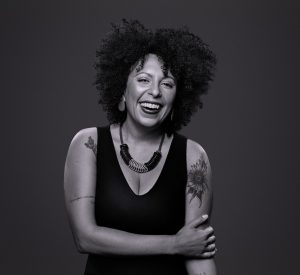
Natália Sousa looking at the camera laughing

Natália Sousa

Natália: The idea for the podcast started at a Carnaval barbecue. A close friend of mine suggested I do it, and my girlfriend, who works with visual design, loved the idea and we began to develop the concept. The funny thing is that that same week I had just failed a public reading of something I’d written, so I made an episode about failure. Then the podcast started to grow in a pretty crazy way. Feedback from listeners helped me realize that many could identify with the podcast.

Mabê: Carol and I were hooked on true crime documentaries! It all started with the documentary Making a Murderer, which tells the surreal story of a man wrongly imprisoned for 18 years who sues the state and is arrested again a short time later for a different crime. The documentary was full of twists and turns. People became obsessed, and so did we. The true crime genre has been around for a long time, but it seems to have gone through a boom since then, and more documentaries, series, books, and podcasts began to appear. 

We didn’t know other people that we could talk about it with, so in 2018 we decided to create the podcast to allow us to talk about these cases and docs that were emerging. It took a long time to create the podcast, so it only premiered in January 2020.

What are some ways you try to deepen engagement with your fans?

Natália: I really enjoy talking to listeners on social media. I use Instagram the most, and I always post the cover of the episode the day before to raise anticipation about the week’s theme. The other tool that both I, as the creator, and the listeners who follow the podcast love is Spotify’s Q&A box, which helps people to comment on what they think about that specific episode in the app itself. It’s done in an easy and quick way, which increases the chance of them commenting. It’s also encouraging for me to read how the episodes are doing.

Mabê: Over the years we have created a very strong community. We consume a lot of content and also have other common interests. I interact in live streams, in comments, in the entire exchange with the community that allows me to understand more about the audience. There are also the events I attend, such as lectures, literature, and podcast events, which are a great opportunity to interact. It’s even cooler because this is when we have direct interaction [with fans] and we can see the faces of the people who listen to us.

What’s the most challenging part of podcasting?

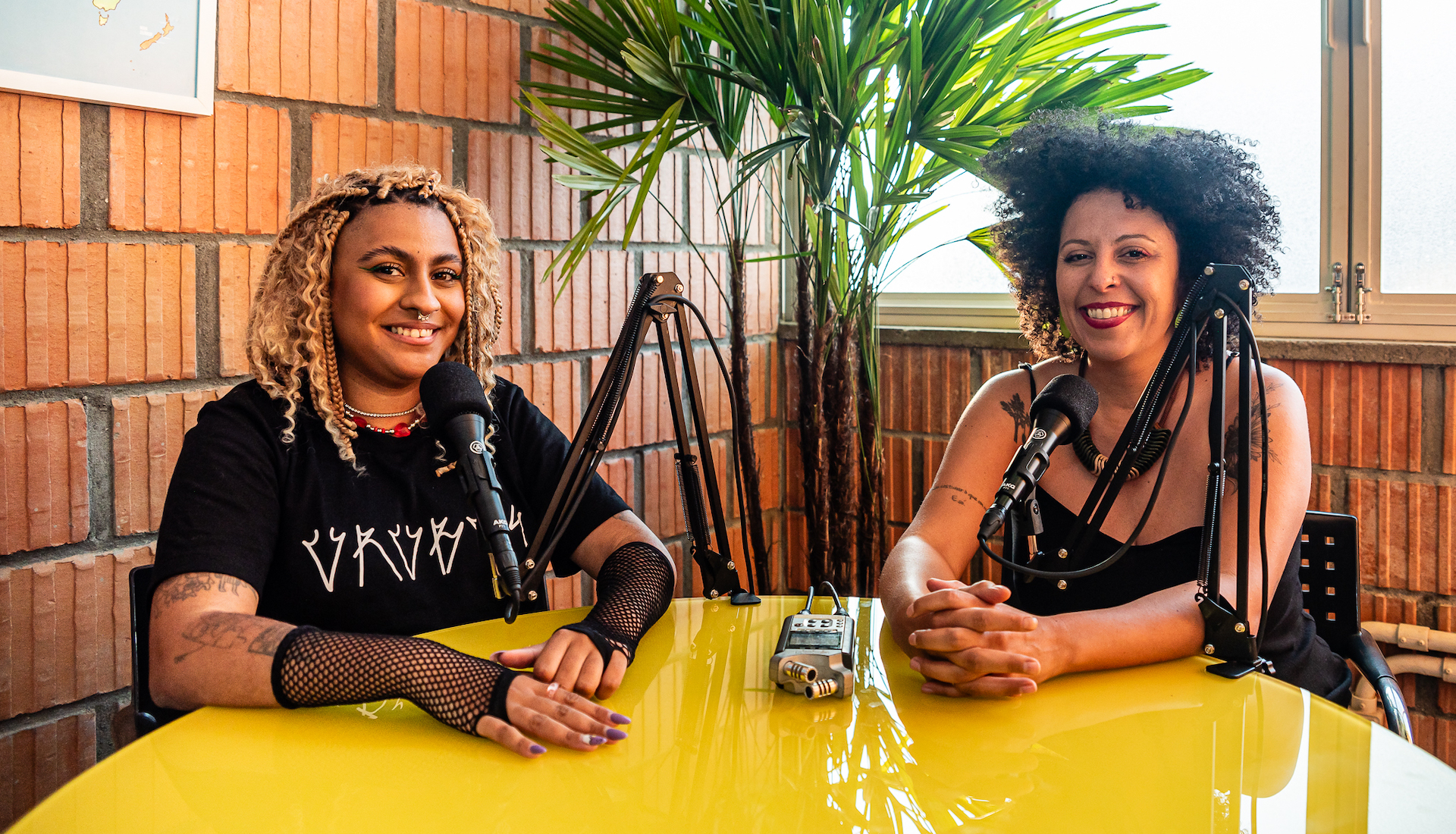
Mabé Bonafé and Carol Moreira posting in front of the camera

Mabé Bonafé and Carol Moreira

Natália: I guess for me it’s the creativity of coming up with new topics every week. Sometimes it comes easily, other times—not so much. Since I have an editor and a designer who take care of the other parts of the process, it’s up to me to come up with the stories. That’s the most exciting, but also the most challenging.

Mabê: Modus Operandi is a podcast that requires research and careful attention to content that takes time, organization, and production, and that alone is very challenging. But when it comes to podcasts in general, I think the hardest part is getting the structure right so that the episodes always come out correctly. Each episode has a script, artwork, time to record, time to edit, time to review, time to adjust, and all that needs to meet the logistics to ensure that it comes out as frequently as it should.

What’s the most rewarding?

Natália: I think one of the things I say most often is that I have no control over who will stay listening, but they stick around. We created a real community. I’m very grateful to my listeners because that’s the magic of the podcast. From day one I knew I wasn’t alone. It has been healing me and giving me purpose.

Mabê: Making a podcast is basically becoming the soundtrack to many moments in people’s lives, so I think this part is amazing! The number of times people say that we’re their companion on the way to school or work, or that we’re the motivating factor for them to clean their houses! I guess we do help them keep their houses cleaner, then! But seriously, in our case, I believe that shedding light on many cases where the victims have become just a footnote in the story or that the crime was reported through a prejudiced or sensationalist bias and being able to rethink our behaviors as a society is very rewarding.

What are you most looking forward to at the Spotify Podcast Festival?

Natália: It is definitely an opportunity for creators to see people from all over the country who support their work, cheer them on, and it gives them the chance to share how the podcast they created has become a part of their lives. Recording is a solitary moment most of the time—you never know how you’re going to reach people. But at times like this you realize the magic that happens when you turn on the microphone.

Mabê: Podcasting is a solitary activity. We’re recording, just the two of us in a studio, so when we meet people who listen to us in person, it’s a great feeling to be in closer contact. It’s always nice to hear everyone’s story and their relationship with our work. I’m really looking forward to this gathering!

Criadores e fãs comemoram seus programas preferidos no Festival de Podcasts do Spotify em São Paulo.

Neste fim de semana, grandes nomes da podosfera brasileira irão se reunir para celebrar a arte de contar histórias no Spotify Podcast Festival.  O Brasil é o nosso segundo maior mercado de podcasts, tanto em termos de ouvintes quanto de criadores, e está recheado de pessoas talentosas que usam essa mídia para se conectar com os outros, compartilhar histórias e inventar outras tantas mais. 

O festival permitirá que criadores e fãs se conectem de forma especial. Os talentos dos programas Originais e Exclusivos Spotify, como Mano a Mano, É nóia minha? e Para dar nome às coisas irão apresentar sessões ao vivo, ao lado de outros grandes nomes da podosfera como  Um Milkshake Chamado Wanda, Modus Operandi, Bom dia, Obvious, Nerdcast, PODDELAS, gostosas também choram com lela brandão, Os Sócios, Inteligência Ltda. e TICARACATICAST

O Spotify também se uniu aos criadores dos Café da Manhã, PeeWeeCast, Thais Galassi e Madame Broona do Horoscopinho Semanal para trazer sessões bônus para os fãs, apresentando novas experiências que vão além de só escutar os podcasts. 

O “For the Record” conversou com Natália Sousa e Mabê Bonafé – duas criadoras de podcasts que estão participando do festival – para saber mais sobre seus shows e o que mais esperam para este fim de semana.

Natália é jornalista, escritora, roteirista e a mente criativa por trás do Para Dar Nome às Coisas. Em seu programa, ela compartilha histórias honestas sobre medo, fracasso, coragem, recomeço, dor e muito mais.

Mabê é roteirista, escritora e co-apresentadora do podcast Modus Operandi. O programa sobre casos sobrenaturais, que ela apresenta com Carol Moreira, investiga histórias sobre crimes, serial killers e casos sobrenaturais.

Como surgiu a ideia do podcast? 

Natália Sousa looking at the camera laughing

Natália Sousa

Natália:  A ideia do podcast começou num churrasco  de Carnaval. Um amigo meu de infância sugeriu que eu fizesse e a minha namorada, que faz identidade visual gostou da ideia também, e começamos a estruturar. O curioso é que naquela mesma semana eu tinha fracassado numa leitura de algo que escrevi, então eu fiz um episódio sobre fracasso. Aí o podcast começou a crescer de um jeito muito maluco. E desde o primeiro dia eu entendi que as pessoas que estavam ali me escutando se identificavam com o podcast. 

Mabê: Eu e a Carol estávamos viciadas em documentários de true crime! Tudo começou com o documentário Making a Murderer, que conta a história surreal de um homem preso injustamente por 18 anos, que processa o Estado e é preso de novo pouco tempo depois por um crime diferente. O documentário era cheio de reviravoltas. As pessoas ficaram obcecadas, e nós também. O gênero de true crime existe há muito tempo, mas parece que a partir daí foi um boom, e começaram a surgir mais documentários, séries, livros e podcasts. 

A gente não conhecia outras pessoas para falar sobre isso, daí em 2018 decidimos criar o podcast para falar sobre esses casos e docs que estavam surgindo. Nós demoramos muito para colocar o podcast no ar, ele só veio em janeiro de 2020.

Quais são algumas das maneiras pelas quais você tenta interagir com seus fãs, talvez usando o Spotify para ferramentas de podcaster, como enquetes e perguntas e respostas?

Natália: Eu gosto muito de trocar com os ouvintes pelas redes sociais. O Instagram é o que eu mais uso. Eu sempre divulgo a capa do episódio um dia antes para estimular a expectativa sobre o tema da semana. Outra ferramenta que tanto eu, como criadora, quanto os ouvintes, que acompanham o podcast, amamos é a caixa de perguntas do Spotify, que é uma ferramenta direcionada, que ajuda a pessoa a comentar o que ela achou sobre aquele episódio específico no próprio app, de forma mais fácil e rápida, o que aumenta a chance da pessoa fazer. Para mim também é encorajador ler como os episódios chegam. 

Mabê: Ao longo desses anos criamos uma comunidade muito forte. Consumimos diversos conteúdos e também temos outros gostos em comum. Interajo em lives, nos comentários, nessa troca toda com a comunidade que proporciona entender mais sobre a audiência . Também existem os eventos que participo, como palestras, eventos literários e de podcast, que são uma ótima oportunidade de interagir (com os fãs), e é ainda mais legal, porque é quando a gente tem o contato físico e vê a carinha das pessoas que nos ouvem.

Qual a parte mais desafiadora de ter um podcast? 

Mabé Bonafé and Carol Moreira posting in front of the camera

Mabé Bonafé and Carol Moreira

Natália:  Acho que para mim é a criatividade de pensar em novos temas toda semana. Tem épocas que flui mais fácil, em outras menos. Por ter um editor e uma design que cuidam das outras etapas do processo, a criação das pautas fica comigo. É a mais deliciosa, mas a mais desafiadora também. 

Mabê: O Modus Operandi é um podcast que exige uma pesquisa e cuidado no conteúdo que demanda tempo, organização e produção e isso por si só já é bem desafiador. Mas falando de podcasts no modo geral, acho que a parte mais difícil é acertar na organização para que os episódios sempre saiam corretamente. Cada episódio tem roteiro, tem arte, tem tempo para gravação, tempo para edição, tempo para revisão, tempo para ajustar e tudo isso precisa atender uma logística que garanta que ele saia na frequência desejada.

Qual a parte mais gratificante de ter um podcast? 

Natália: Acho que uma das coisas que eu mais digo é que eu não tenho controle nenhum de quem vai ficar, mas ela ficam. Você cria uma comunidade de verdade. Eu sou muito grata aos meus ouvintes porque essa é a magia do podcast, desde o primeiro dia eu senti que não estava sozinha. Isso foi me curando e me dando sentido.

Mabê: Produzir um podcast é basicamente se tornar a trilha sonora de muitos momentos da vida das pessoas, então creio que essa parte é incrível! A quantidade de vezes que as pessoas dizem que somos a companhia delas no trajeto para a escola ou trabalho, ou que somos o fator motivador para que limpem suas casas! Acho que ajudamos a manter as casas mais limpas, então! Hahaha Mas falando sério, no caso do Modus, creio que jogar luz sobre muitos casos onde as vítimas se tornaram apenas uma nota de rodapé na história ou que o crime foi noticiado através de um viés preconceituoso ou sensacionalista e conseguir repensar os nossos comportamentos enquanto sociedade é gratificante.

Por que você está animado para se reunir com seus fãs no Festival de Podcasts do Spotify?

Natália: Sem dúvida é a oportunidade de ver pessoas de todo o Brasil que acompanham seu trabalho, torcem por você, e estão ali para contar como o podcast que você criou faz parte da vida delas. Gravar é um momento solitário na maior parte do tempo, você nunca sabe como vai chegar nas pessoas, mas em momentos como esse você percebe a magia que acontece quando liga o microfone.

Mabê: O podcast é uma atividade meio solitária, estamos lá gravando só nós duas em um estúdio, então quando encontramos uma galera que consome fisicamente já dá uma sensação muito gostosa desse contato direto, é sempre bom ouvir a história de cada um e sua relação com o que produzimos. Tô muito ansiosa pra esse encontro!

São Paulo Restaurant and Culinary School Gastronomia Periférica Is Our Newest Space for Underrepresented Podcasters

While it’s easier than ever to create a podcast, it’s still a process. Gaining access to gear, recording studios, and editing resources is difficult for anyone, especially if you’re part of a marginalized community. But removing barriers can increase accessibility, and that’s why we started our Spotify for Podcasters initiative Making Space. Aiming to elevate underrepresented creators, we partner with local businesses in marginalized communities to make studio-quality podcasting gear available for free. 

Over the past year, we’ve joined forces with local inclusive businesses—Greenville, South Carolina–based plant store Savereign, Gainesville, Florida–based café Curia on the Drag, and Atlanta-based plant shop/cafe Nourish Botanica—to provide safe places for storytellers to create and help build a more diverse ecosystem of podcast creators.

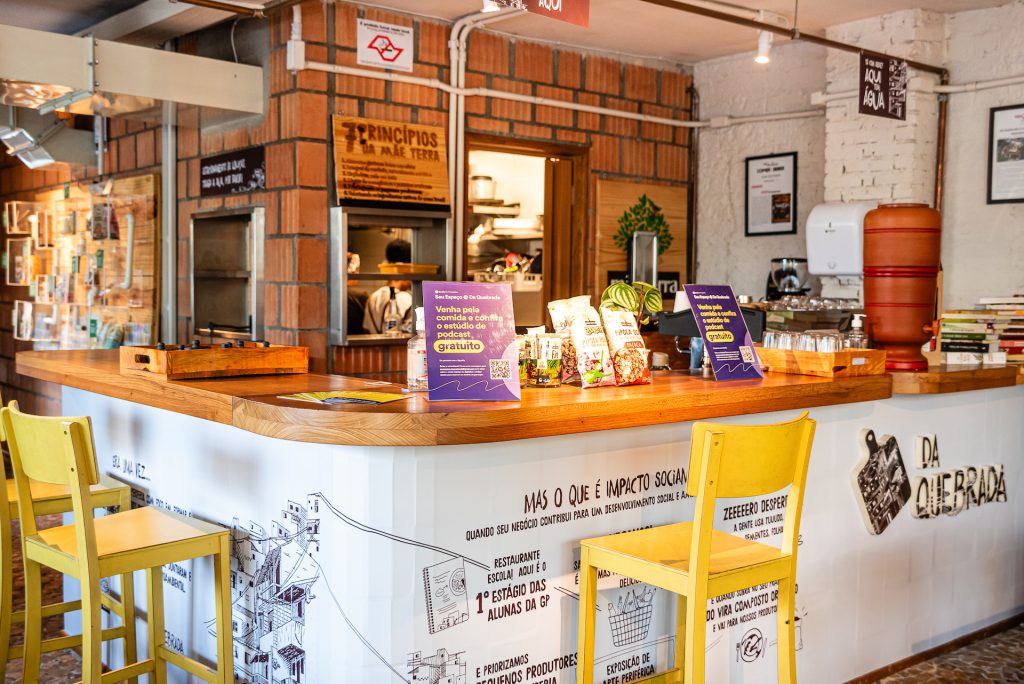
But this month, we’re heading to Brazil and bringing our Making Space initiative to creators outside the U.S. for the first time. We’re inaugurating Seu Espaço, located in São Paulo, as the country’s first fully equipped podcast studio for creators. Even better, recording time can be reserved for free by established and aspiring podcasters alike. To make this a reality, we partnered with and housed the studio in restaurant and culinary school Da Quebrada – Gastronomia Periférica, a community-oriented business that seeks to transform the lives of people on the outskirts of the city through plant-based gastronomy.

“Spotify is constantly seeking ways to support new and emerging voices, and this free studio is an example of how we are making podcasting accessible to anyone, anywhere,” said Barbara Zamberlan, Spotify’s Creator Partnerships Lead in Brazil. “We want to encourage more creators to try podcasting and provide them with a safe place for their voices to be heard, contributing to the diversification of the podcasting ecosystem.” 

To learn more about the restaurant’s mission and what excited its team most about offering a creator studio within its walls, For the Record spoke with Gastronomia Periférica chef and cofounder Edson Leite.

Can you tell us a little bit about the philosophy behind Da Quebrada – Gastronomia Periférica?

Gastronomia Periférica is a socially-oriented business. We make money by directly impacting people’s lives in positive ways. In addition to being a restaurant, Da Quebrada – Gastronomia Periférica is a culinary school, and our students are paid interns while they’re enrolled here. 

Gastronomia Periférica also runs several other spaces throughout Brazil, providing gastronomy training for people from the outskirts—mostly Black men and women, as well as mothers.

What are some of the ways you serve the community?

What I’m most proud of with Gastronomia Periférica is how it’s affected the real transformation of life in the outskirts. I think that when we feel good, we do good. Nowadays, we can point to the east and south zones of São Paulo and say, “We’ve changed the reality of these neighborhoods by promoting and providing professional training.”

Why is it important for there to be an accessible podcasting hub in São Paulo?

Da Quebrada is a quilombo, a denomination for communities of Black enslaved peoples who resisted the slavery regime that prevailed in Brazil for over 300 years. We live in opposing territory, but we bring an aquilombamento—a spirit of bringing Black people together—with Spotify and this studio so people have access. We want people from the outskirts to understand that they can be anywhere, even in a podcast that was created with first-class equipment. And with Seu Espaço, we want them to feel like they’re in a space that embraces them. We want to give the opportunity for those voices to be amplified. Hopefully we’ll get a real sense of that impact when we see a lot of Black creators from the favelas using the place and saying, “Check out my podcast on Spotify, I’ve recorded it in a place where I felt truly at home.”

This Making Space location was made possible by the Creator Equity Fund, a multi-year investment that showcases and elevates underrepresented artists and creators through new and existing initiatives. To check available recording times for Seu Espaço, click here.

Restaurante e Escola de Culinária de São Paulo Gastronomia Periférica é nosso mais novo espaço para podcasters sub-representados

Embora seja mais fácil do que nunca criar um podcast, ainda é um processo. Ter acesso a equipamentos, estúdios de gravação e recursos de edição é difícil para qualquer pessoa, especialmente se você faz parte de uma comunidade marginalizada. Mas a quebra de barreiras pode aumentar a acessibilidade, e é por isso que iniciamos nossa iniciativa Spotify for Podcasters, Making Space. Com o objetivo de promover criadores sub-representados, fazemos parcerias com empresas locais em comunidades marginalizadas para disponibilizar gratuitamente equipamentos de podcasting com qualidade de estúdio.

No ano passado, unimos forças com empresas locais inclusivas – a loja de plantas Savereign, com sede em Greenville, Carolina do Sul, e o café Curia on the Drag, com sede em Gainesville, Flórida, e a loja de plantas/café com sede em Atlanta, Nourish Botanica — para oferecer locais seguros para os contadores de histórias criarem e ajudarem a construir um ecossistema mais diversificado de criadores de podcast.

Mas este mês estamos indo para o Brasil e tornando o Making Space global. Localizado em São Paulo, inauguramos o Seu Espaço como o primeiro estúdio de podcast totalmente equipado para criadores do país. Melhor ainda, o período de gravação pode ser reservado gratuitamente por podcasters estabelecidos e aspirantes. Para tornar isso realidade, firmamos parceria e abrigamos o estúdio no restaurante escola Da Quebrada – Gastronomia Periférica, um negócio social que busca transformar a vida das pessoas da periferia da cidade por meio da gastronomia vegetal.

“O Spotify está sempre procurando maneiras de ajudar a nutrir vozes novas e emergentes, e este estúdio gratuito é um exemplo de como estamos tornando o podcasting possível para qualquer pessoa, em qualquer lugar”, diz Barbara Zamberlan, líder de parcerias com criadores no Brasil. “Queremos encorajar mais criadores a experimentar o podcasting e oferecer a eles um lugar seguro para que suas vozes sejam ouvidas, tornando o ecossistema de podcaster mais diversificado.”

Para saber mais sobre a missão do restaurante e o que mais empolgou sua equipe em oferecer um estúdio de criação dentro de seu espaço, For the Record conversou com o chef e cofundador do Gastronomia Periférica, Edson Leite.

Você pode nos contar um pouco sobre a filosofia do Da Quebrada – Gastronomia Periférica?

A Gastronomia Periférica é um negócio social. A gente ganha dinheiro impactando diretamente a vida das pessoas. Esse lugar é um restaurante escola Gastronomia Periférica, onde temos as nossas alunas estagiando – e recebendo para estar aqui. A Gastronomia Periférica tem vários outros espaços em São Paulo e pelo Brasil inteiro, de formação em gastronomia para pessoas periféricas – em sua maioria, mulheres pretas, mães, e homens pretos periféricos.

Quais são algumas das maneiras pelas quais você serve a comunidade?

O que mais me orgulha dentro Gastronomia Periférica é a transformação real e local da vida na quebrada. Eu acho que quando a gente consegue estar bem, a gente consegue fazer bem. A gente consegue hoje, por exemplo, olhar para a Zona Leste e Sul de São Paulo e falar: “nós mudamos essa realidade”, porque a gente conseguiu promover formação profissional. 

Por que é importante que haja um hub de podcasting acessível em São Paulo?

O Da Quebrada é um quilombo, uma denominação para comunidades de povos negros escravizados que resistiram ao regime escravista que prevaleceu no Brasil por mais de 300 anos. A gente vive em território inimigo, mas a gente traz um aquilombamento – um espírito de unir os negros – junto com o Spotify, com o estúdio, dentro desse espaço, para que se tenha acesso. Para que as pessoas da periferia entendam que a gente pode estar em qualquer lugar, inclusive dentro de um podcast, usando equipamentos de primeira linha, em um lugar que nos acolhe. É um bagulho diferentão, real. É foda. Queremos dar a oportunidade para que a voz da pessoa periférica seja ecoada. A gente vai ter a real noção disso quando a gente ver vários pretos favelados e pretas faveladas ocupando o lugar e falando: o meu podcast tá no Spotify, e eu gravei dentro de um lugar onde eu me senti em casa.

Making Space faz parte do Creator Equity Fund, um investimento plurianual que mostra e eleva artistas e criadores sub-representados por meio de iniciativas novas e existentes. Para conferir os horários de gravação disponíveis do Seu Espaço, clique aqui.

Spotify Advertising Kicks Off Spotify Sparks in Brazil to Bring Marketers and Listeners Closer Together

Audiences worldwide are tuned into digital audio at record rates, and Brazil is no different. Our platform already reaches more than half of the Brazilian online population each week. More than one in two Brazilians online use Spotify at least weekly, making Spotify the most-used digital audio platform in the country. When it comes to finding a deeply immersed and engaged audience, advertisers in the market don’t need to look far. 

Plus, Spotify has long been bringing audio advertising into the modern age with tools like Spotify Ad Studio and Spotify Ad Analytics. Our leading tech innovations help us deliver impact for advertisers and drive growth for creators and publishers. Our connection to culture helps brands reach listeners on their most trusted ad platform. 

But since not all brands fully understand the opportunities they have to join Spotify’s ecosystem, we recently launched Spotify Sparks. This summit is designed to educate companies on why they should turn to Spotify to reach the most engaged audiences and leverage our culture-shaping content for meaningful advertising opportunities. Brazil has proven to be perfect ground, so we made São Paulo Spotify Sparks’ first stop.