
Tag: creators

Spotify rockea el fin de semana con el Festival EQUAL en Buenos Aires

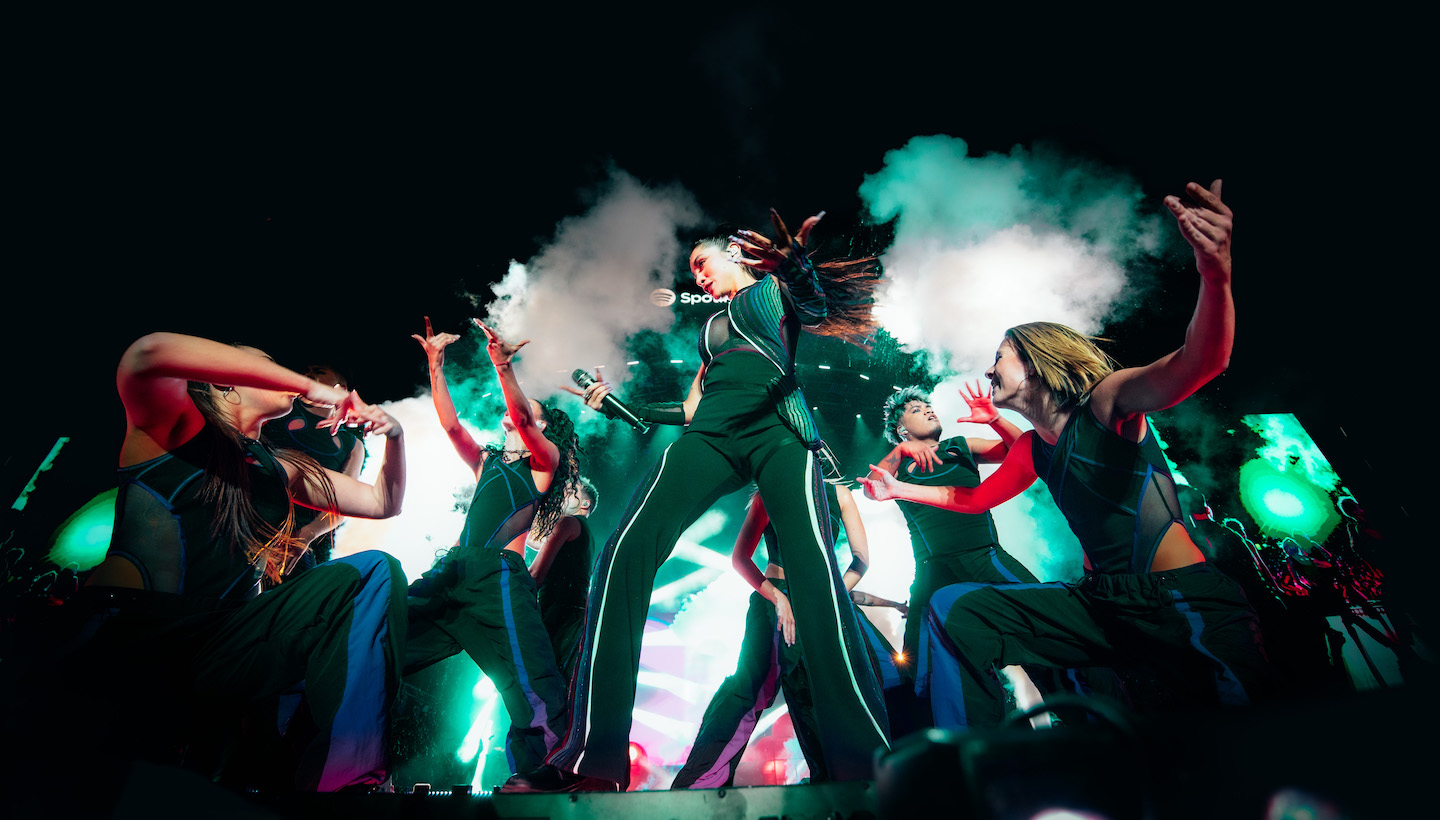
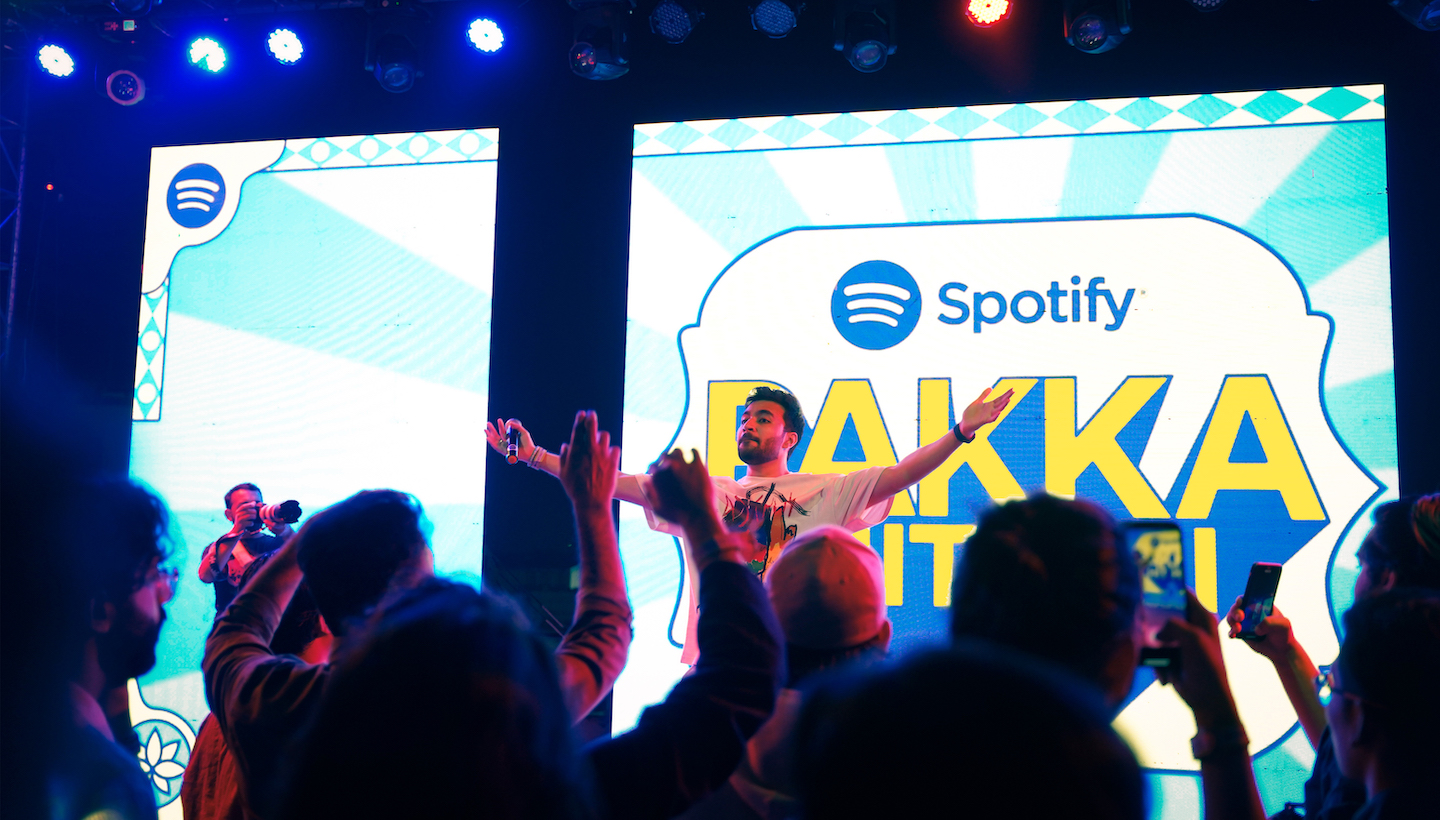
concert performance at Festival EQUAL

En Argentina la semana pasada se reunieron artistas, podcasters, fanáticos y luminarias de la industria en el muy esperado Festival EQUAL de Spotify para celebrar la creatividad y el talento que las mujeres aportan a la escena de la música y los podcasts. El evento es una extensión de nuestro programa EQUAL, cuyo objetivo es contribuir a la equidad de género en la industria musical amplificando y celebrando el trabajo de las creadoras de todo el mundo.

Comenzamos el festival con un evento de dos días en el C Complejo Art Media, que incluyó paneles y presentaciones específicamente dirigidos a mujeres creadoras y artistas, y concluyó con un concierto con entradas agotadas como ningún otro.

Eventos lanzamiento con industria y creadores

“Con el Festival EQUAL, Spotify ha encontrado una oportunidad para mostrarle al país y al mundo lo que los artistas argentinos están generando en la industria”, destacó Bel Aztiria, Global Head EQUAL para Spotify, antes de los paneles y presentaciones.. 

“Lo que comenzó como una idea en aquel entonces es hoy una realidad. Nos emociona saber que Spotify está a punto de celebrar un hito sin precedentes en el país al reunir a más de 20.000 personas en un solo lugar con un único objetivo común: celebrar el talento de las mujeres argentinas” remarcó Carolina Martin, Artists & Label Partnerships Spotify Cono Sur

Los asistentes escucharon un panel moderado por Carolina y Bel que contó con Barbi Recanati, Sivina Moreno, Juliana Gattas, y Julieta Laso como speakers. Las mujeres compartieron sus sentimientos, ideas y perspectivas sobre el recorrido de las mujeres en la industria local.

Spotify también celebró un Festival de Podcast EQUAL para creadores de podcasts para que las mujeres pudieran compartir sus conocimientos sobre cómo desarrollar carreras de podcasting y promocionar los avances que han logrado en la industria. En el escenario, las creadoras de ConchaPodcast recibieron a Moria Casán hablando sobre el lanzamiento de su podcast Spotify Original, La One.

En otra sesión, Momi Giardina, Mica Vazquez, Marti Benza, y Martu Ortiz, creadoras de LUZU TV, uno de los principales canales de streaming en Argentina, hablaron sobre cómo celebrar el empoderamiento femenino y cuáles son las oportunidades para seguir dando visibilidad a las mujeres en su industria.

Para cerrar el día, Jacinta de Oromí, creadora del podcast TIPO, Marian Soler, creadora del  podcast Cebando Flores, and Buera, creadora del podcast ¿estás?, subieron al escenario para compartir sus tips y recomendaciones para la creación de contenido.

Spotify Rocks the Weekend With the Festival EQUAL in Buenos Aires

Last week in Argentina, artists, podcasters, fans, and industry luminaries came together for Spotify’s highly anticipated Festival EQUAL to celebrate the creativity and talent that women bring to the music and podcast scenes. The event is an extension of our EQUAL program, which aims to contribute to gender equity in the music industry by amplifying and celebrating the work of women creators around the world. 

We kicked off the festival with a two-day event at the C Complejo Art Media venue that included panels and presentations specifically geared toward women creators and artists and concluded with a sold-out concert unlike any other.

Kicking off with industry events for creators

“With the Festival EQUAL, Spotify has found an opportunity to show the country and the world what Argentine artists are generating in the industry,” Bel Aztiria, Global Head, EQUAL for Spotify, noted ahead of the panels and presentations. 

“What started as an early idea back then is today a reality. We are excited to know that Spotify is about to celebrate an unprecedented milestone in the country by bringing together more than 20,000 people in one place with a single common goal: to celebrate the talent of Argentine women,” remarked Carolina Martin, Artists & Label Partnerships, Spotify Southern Cone.

Attendees listened to a panel moderated by Carolina and Bel that included Barbi Recanati, Silvina Moreno, Juliana Gattas, and Julieta Laso as speakers. The women shared their feelings, ideas, and perspectives on the journey of women in local industry.

Spotify also held an EQUAL Podcast Festival for podcast creators so that women could share wisdom on building podcasting careers and tout advancements they’ve made in the industry. Onstage, the creators of ConchaPodcast hosted Moria Casán to discuss the launch of her Spotify Original podcast, La One.

In another session, Momi Giardina, Mica Vazquez, Marti Benza, and Martu Ortiz, creators from top-streaming Argentinian channel LUZU TV, talked about celebrating women empowerment and what the opportunities are to keep women visible in their industry. 

To close the day, Jacinta de Oromí, creator of the podcast TIPO; Marian Soler, creator of the podcast Cebando Flores; and Buera, creator of the podcast ¿estás?; took the stage to share their tips and recommendations for creating content.

Here’s All the Artists, Creators, and Athletes You Can Blend with on Spotify

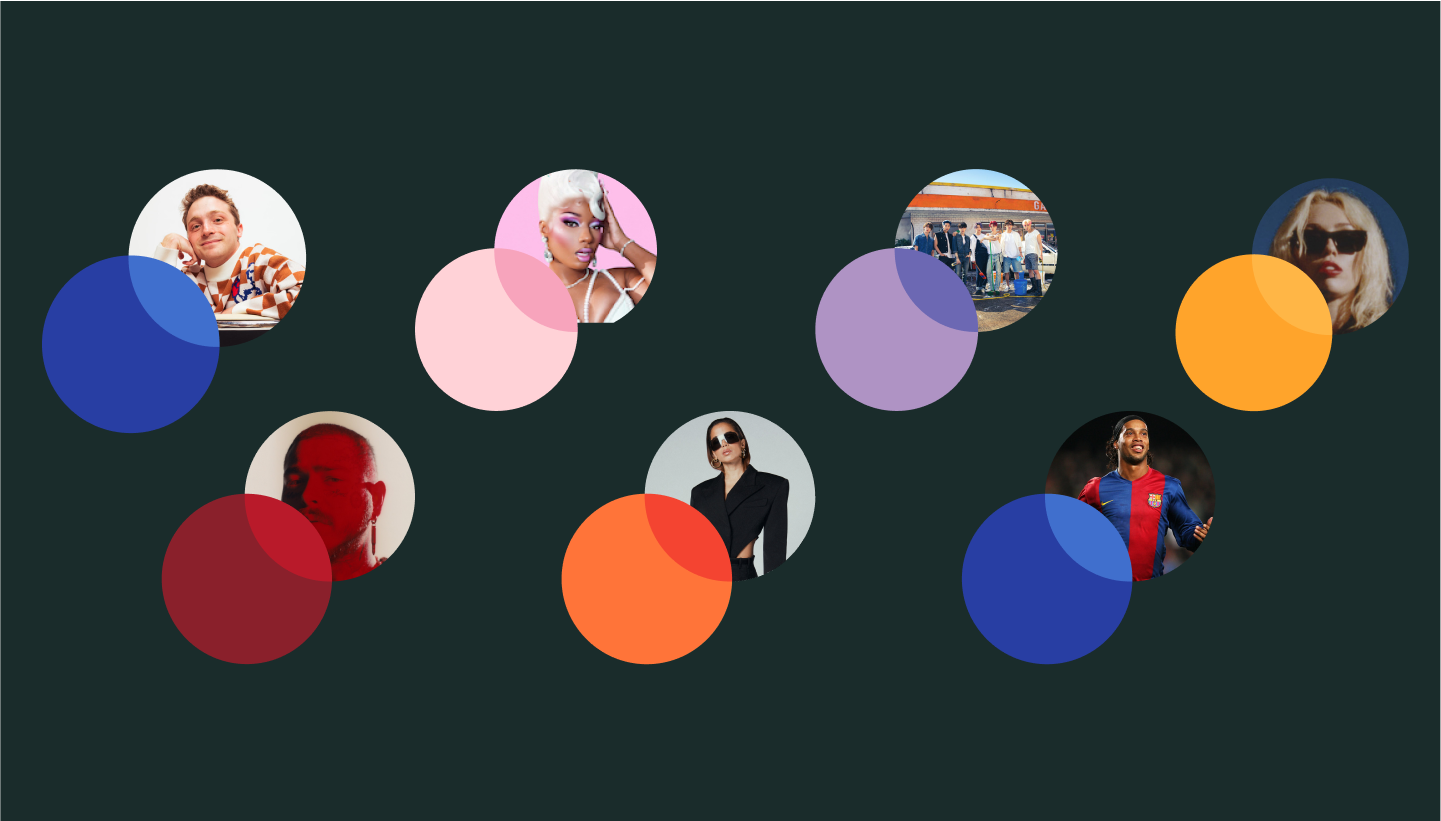
In 2021, Spotify took bonding over music to the next level with Blend, our shared social listening experience that combines the different tastes of friends and families, as well as fans and artists, into one. Whether you’re creating a Blend with your best friend, favorite musical artist, FC Barcelona player, or digital creator, you’re sure to receive a personalized playlist that merges your musical tastes to create something everyone can enjoy.

There’s now plenty of artists, athletes, and creators to Blend with on Spotify, and you can find the full list below. To create your own Blend with one of them, simply click the link in their name—and then let us do the rest. You’ll also receive a taste-match score and the songs that bring you two together.

Artists:

Athletes:

Creators:

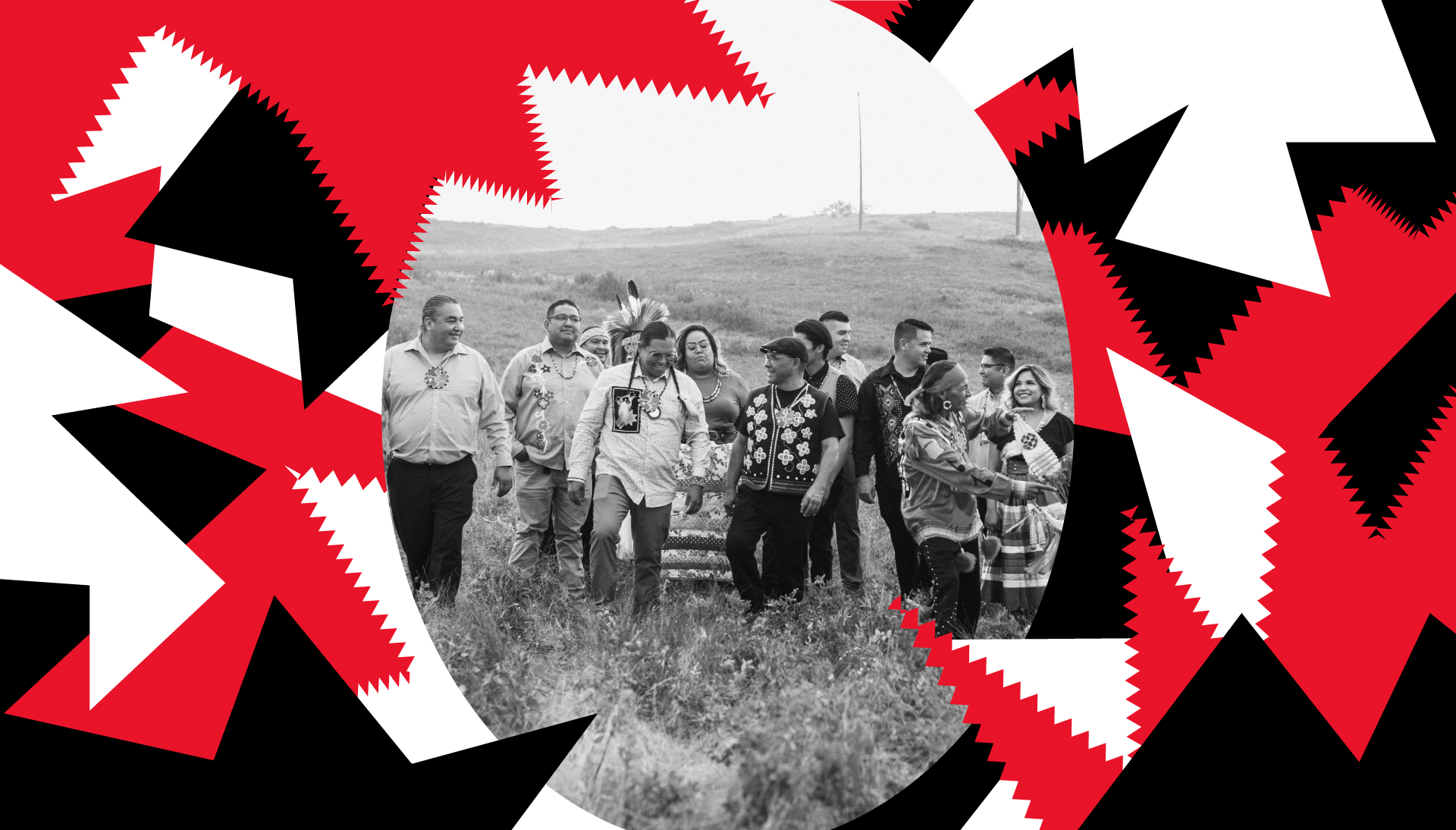
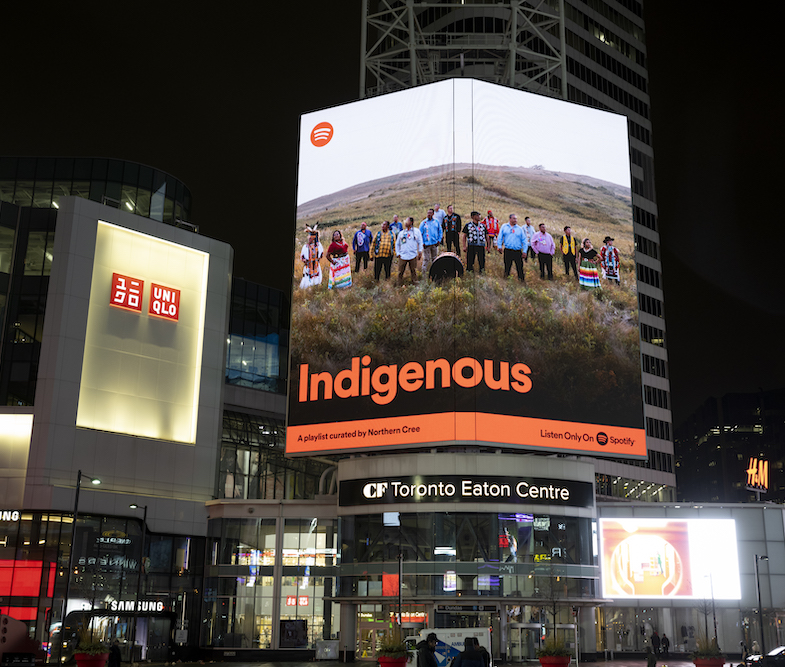
‘CAN You Hear Me’ Spotlights Northern Cree, a Legendary Canadian Powwow Act Preserving Indigenous Culture Through Music

In celebration of Canadian artistry, For the Record recently launched CAN You Hear Me, a series championing the music, unique talent, and diverse cultures found in the Great White North—from the jazz bars in Québec to the dance clubs in Ontario, all the way to the powwows in the west.

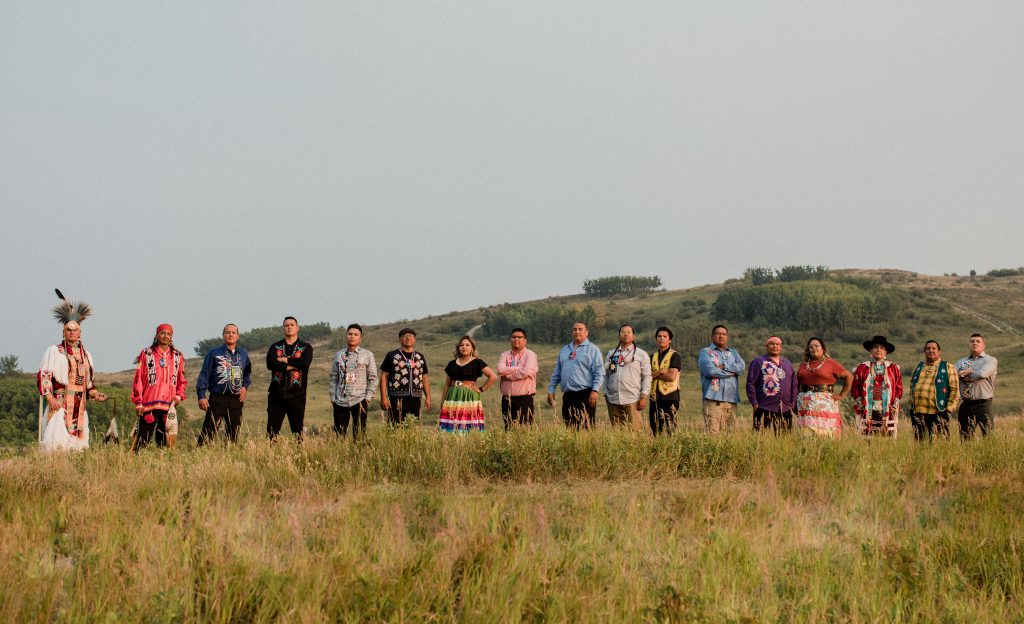
Next up in our series is Northern Cree, a powwow and round dance act based in Maskwacis, Alberta. Widely regarded as one of the best acts in powwow music, the group was formed in 1982 by the Wood brothers—Steve, Randy, Charlie, and Earl of the Saddle Lake Cree Nation. Today, most of its 15 members originate from all across the Treaty 6 territory and are members of the Cree Nation.

Forty years in, the legendary act has recorded dozens of albums—and their influence has reached far and wide. The DJ Shub track “Indomitable” featuring the band was selected by Sacha Baron Cohen as the theme song to his Showtime series, Who Is America?, while M.I.A. and Santigold sampled Northern Cree for their 2008 song “Get It Up.”

Since 2002, Northern Cree has been nominated for nine Grammy Awards and three Juno Awards. In 2017, the collective made history when it became the first powwow group to perform at the Grammy Awards ceremony in Los Angeles. Most recently, they played at the 2023 Juno Awards ceremony alongside Aysanabee in Edmonton, Alberta. 

For the Record spoke with Steve Wood and his son Joel Wood to discuss powwow traditions, their greatest inspirations, and the importance of preserving Indigenous history and culture through music.

What are some of the traditional elements of powwow music and dance? How do these come through in your music?

The instruments are created from things that are natural and land-based. The music’s vocals and lyrics are connected spiritually to our history and ancestors. The drum is referred to as “the heartbeat of Mother Earth,” and that is what connects all human beings to one another, everything living on the planet, and the earth itself. The outfits—or regalia—reflect our history, spirituality, and cultural teachings. These are also created from objects that are land-based, such as plant and animal life.

This type of music is so different when you’re able to hear it in a live setting, because you can really feel the energy. We often hear from people who are standing around the drum or near the drum or in the area that you can feel the energy that’s being made there—it’s doing something to them. If we’re doing that, if we’re making people feel good, then we’re doing our job.

How has Spotify helped you expand your music to a broader audience or connect with other artists?

Spotify has helped us reach audiences, within the borders of Turtle Island [North America] and all over the world, that have never heard our type of music before. It helps connect our group to various First Nations communities, as well as other communities in Canada and the U.S. 

Spotify has also played a part in enabling mainstream artists to sample our music, which has led to collaborations that create a new, unique sound. 

Who are some fellow Canadian artists that have inspired you? How about Indigenous artists from areas around the world?

Our biggest influences are our grandfathers and fathers, who used to play or create this type of music in our homes when we were children. Another one of our biggest influences is Ms. Buffy Sainte-Marie. Whenever we cross paths, we affectionately refer to her as “Mom,” and she refers to us as her “boys.” 

There’s also the late great Gord Downie of The Tragically Hip, whom we had the pleasure of opening for on Canada Day in Trafalgar Square in London. He was one awesome musician, not to mention an extraordinary human being. Other spectacular musicians that have influenced Northern Cree are Robbie Robertson, as well as Pat Vegas and his First Nations band Redbone.

Can you speak to why it’s so important to preserve Indigenous cultures and traditions and pass those down to future generations?

Passing down our culture helps us in maintaining our language, which is something that we’re really striving to hold on to as First Nations peoples. Everything is rooted in language for us—our identity, culture, histories, ceremonies, and where we come from.

One of the ways that our young people, and even other people, are picking up our language is through music. Having our music out there sends a message to our young people. They can aspire to pick up a guitar or a fiddle, or play the piano. So, if we can spread our language amongst our people—or even further—that’s a good thing for our people in general.

When they see what we’re doing—performing at the Grammys, at the Junos, at powwows in various parts of the country—it sends a message that they can believe in who they are, where they come from, their culture, their identity, and most importantly, their language. They can be who they are, they don’t have to emulate anyone else, and they can still aspire to great things. 

That’s one of the biggest messages that we hope to send not only to our young people, but people in general.


Check out Northern Cree’s latest album, Ôskimacîtahowin: A New Beginning, to experience the power of powwow.

Latin American Creators Show Off Their Creativity With Video Podcasts

Many podcast hosts are getting up close and personal with fans in a new way—with video. Video podcasts introduce an extra dimension of interactivity and closeness, allowing listeners to watch facial reactions or take notice of a host’s environment. Some creators are even excited about getting dressed up and showing off their fashion-forward “lewks.”

The shift toward video podcasts is occurring around the world, and in the Latin American market, specifically, a few fan favorites are bringing this new layer to their shows.

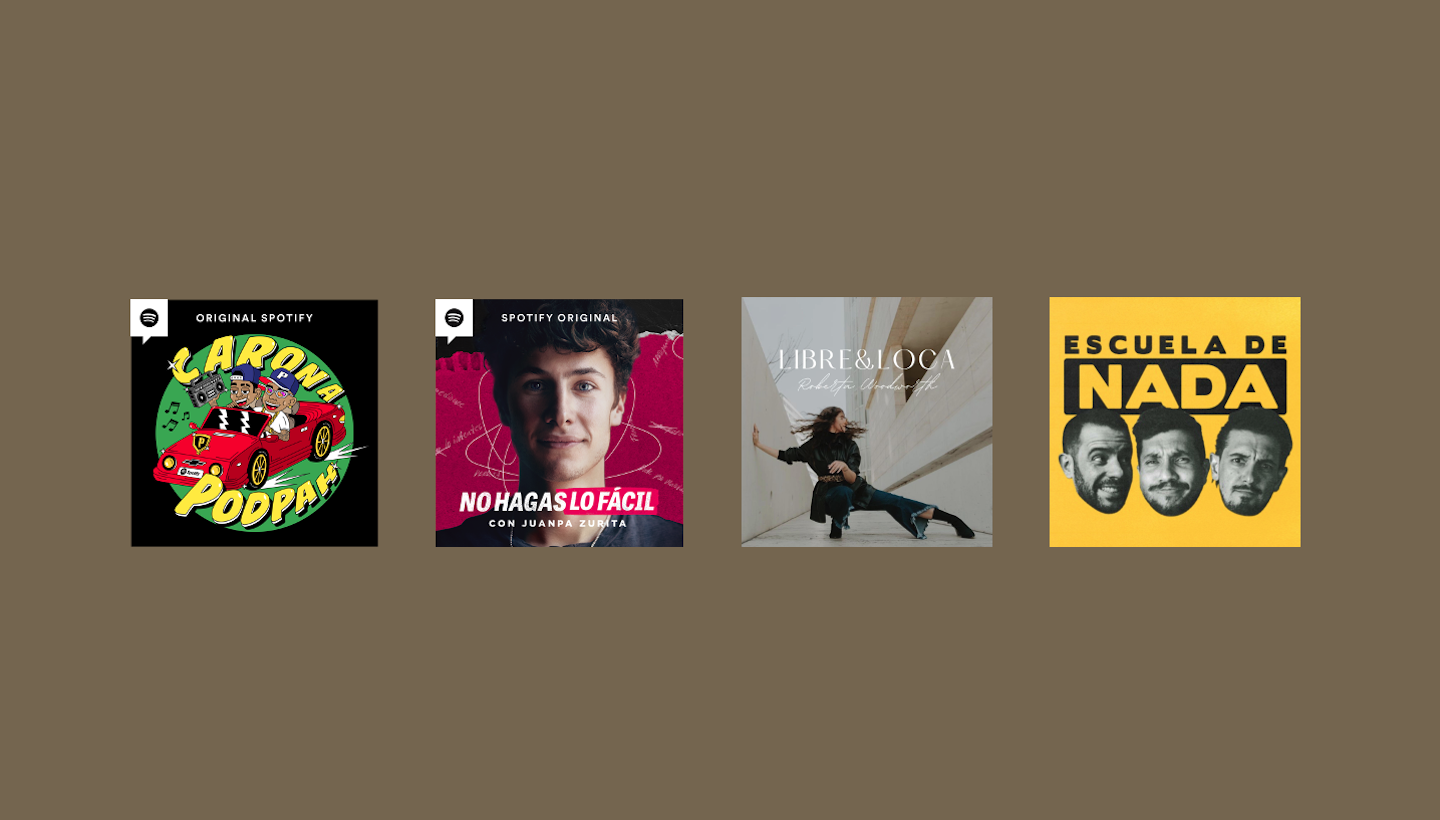
Mexican creator Roberta Woodworth, whose podcast LIBRE&LOCA reflects on intimate and personal topics like self-love and heartbreak, is one of those creators currently experimenting with video in her newest season. The show Escuela de Nada, which is made by three Venezuelan friends based in Mexico, is also embracing video as a new way to connect with listeners. And then there’s multifaceted Mexican creator Juanpa Zurita, who introduced video for Season 2 of his Spotify Original podcast, No Hagas Lo Fácil.

Meanwhile, some new podcasts are incorporating video from the get-go. The Brazilian Spotify Original podcast Carona Podpah, featuring Igor Cavalari (known informally as Igão) and Thiago Marques (known as Mítico) from the popular podcast Podpah, premieres on Spotify June 7 and will include video for each of its weekly episodes. The show follows the hosts as they interview guests inside a car, making video an essential part of the podcast.

We caught up with Libre & Loca host Roberta, No Hagas Lo Fácil host Juanpa, Escuela de Nada founder and cohost Chris Andrade, and Carona Podpah hosts Igor and Thiago to learn how video is changing their podcast game.

What excites you most about introducing video to your podcast?

Igor Cavalari and Thiago Marques: Podpah started as a video podcast and the public has always enjoyed that aspect of it a lot—we were the most-listened-to podcast on Spotify in Brazil in 2022 and the 24th globally. Video is fundamental to our show format because we have entertainment as a background for everything we produce—whether we talk about cooking, soccer, or music. When a platform as relevant as Spotify is interested in a partnership with us for a video podcast, it shows us and the market that the product still has a lot to be explored.

Roberta Woodworth: My podcast is very intimate, and I think video invites the listener to get closer, reflect, and empathize even more with these “intimate, universal” topics we cover in Libre & Loca.

Juanpa Zurita: It was something my community asked me for in every episode of last season. So it makes me very happy that we made it for the second season! Listening is nice, but nothing compares to seeing. I think the connection and the dynamic of the podcast is more intimate than before. And people are happy, which makes me very happy!

Chris Andrade: Escuela de Nada, being an improvised comedy podcast, draws on the power of interaction in its videos with its fans. Being able to react to jokes and see the response of the followers has been a change that has excited us a lot.

How has video influenced the way you approach each episode?

Igor and Thiago: Video gives us freedom to create more and more. There are challenges—Carona Podpah involves filming in a tight space as we take our guests inside the car and learn more about the songs that have marked their lives—but that doesn’t hinder us from trying new things.

Roberta: I’m very expressive, and being on camera reminds me that the whole world is going to see my face. That in itself makes everything more human, organic, and real. I am no longer just a voice that accompanies you. I am a person.

Juanpa: There was a drastic change to our set to give it the NHLF look and feel we wanted. We also had to reinvent the intros of the episodes, and I’m really proud of the result.

Chris: Video has led us to have a new type of continuity and closeness with our fans. By being able to see and hear us as hosts, we’re noticing that the engagement from fans is much higher.

How is video helping you connect with your fans?

Igor and Thiago: The main characteristic of a video podcast is that the audience can experience reactions. What we like about having the video feature is that our audience will be able to follow the podcast as if they were with us in the car seeing everything that happened. Video makes the program more dynamic and allows us to establish a greater connection—not only with our guests, but with those on the other side of the screen.

Roberta: It brings us much closer because people not only hear what I think and feel, but also see it. And I talk so much about emotions, so it’s very interesting how that connection becomes deeper.

Juanpa: There’s something very special about body language, and you can’t feel that if you can’t see it. I also want to thank our fans for all the love during Season 1 and for everyone’s insistence on us using video. Without them we wouldn’t have made it. 

Chris: Video has helped us further expand and disseminate our content to a social media platform where video is dominant. Each person has their own way of consuming content, and without a doubt, the video adds a lot to us and brings a lot of value to the new generations.

Criadores latino americanos mostram sua criatividade com podcasts em vídeo

Muitos apresentadores de podcast estão se aproximando dos fãs de uma nova maneira: por meio do vídeo. Os podcasts em vídeo oferecem uma uma dimensão extra de interatividade e proximidade, permitindo que os ouvintes observem as reações ou prestem atenção no ambiente onde o apresentador está. Alguns criadores estão até animados em se vestir e mostrar seus melhores looks. 

A mudança para podcasts em vídeo está ocorrendo em todo o mundo e, especificamente no mercado latino americano, alguns dos podcast favoritos do público estão trazendo essa nova camada para seus programas. 

A criadora mexicana Roberta Woodworth, cujo podcast  LIBRE&LOCA traz temas íntimos e pessoais, como amor próprio e mágoas, é uma dessas criadoras que está fazendo experiências com vídeo em sua mais nova temporada. O programa Escuela de Nada, criado por três amigos venezuelanos radicados no México, também está adotando o vídeo como uma nova maneira de se conectar com os ouvintes. E há ainda o criador mexicano multifacetado Juanpa Zurita, que introduziu o vídeo na segunda temporada de seu podcast original do Spotify, No Hagas Lo Fácil.

Enquanto isso, alguns podcasts já estão usando o recurso de vídeo desde o início. O podcast brasileiro Spotify Original Carona Podpah, com Igor Cavalari (Igão) e Thiago Marques (Mitico) do Podpah, estreia no Spotify em 7 de junho e incluirá vídeos em seus episódios semanais. O programa acompanha os apresentadores enquanto eles entrevistam convidados dentro de um carro, tornando o vídeo uma parte essencial do podcast.

Conversamos com Roberta, apresentadora do Libre & Loca, Juanpa, apresentador do No Hagas Lo Fácil, Chris Andrade, fundador e co-apresentador da Escuela de Nada, e Igão e Mitico, anfitriões do Carona Podpah, para saber como o vídeo está revolucionando seus podcasts. 

O que mais o empolga na ideia de ter o recurso de vídeos em seu podcast?

Igão & Mitico:O Podpah nasceu como um podcast em vídeo e o público sempre gostou muito desse aspecto – fomos o podcast mais ouvido no Spotify no Brasil em 2022 e o 24º em todo o mundo. O vídeo é fundamental para o formato do nosso programa porque temos o entretenimento como pano de fundo de tudo o que produzimos – seja falando sobre culinária, futebol ou música. Quando uma plataforma tão relevante como o Spotify se interessa por uma parceria conosco para um podcast em vídeo, isso mostra para nós e para o mercado que o produto ainda tem muito a ser explorado.

Roberta Woodworth: Meu podcast é muito íntimo e acho que o vídeo convida o ouvinte a se aproximar, refletir e ter ainda mais empatia com esses tópicos “íntimos e universais” que abordamos no Libre & Loca.

Juanpa Zurita: Foi algo que minha comunidade me pediu em todos os episódios da última temporada. Por isso, fico muito feliz por termos conseguido isso para a segunda temporada! Ouvir é bom, mas nada se compara a ver. Acho que a conexão e a dinâmica do podcast são mais íntimas do que antes. E as pessoas estão felizes, o que me deixa muito feliz!

Chris Andrade: A Escuela de Nada, por ser um podcast de comédia improvisada, usa o poder da interação em seus vídeos com os fãs. Poder reagir às piadas e ver a resposta dos seguidores foi uma mudança que nos empolgou muito.

Como o vídeo influenciou a maneira como vocês conduzem cada episódio?

Igão & Mitico: O vídeo nos dá liberdade para criar mais e mais. Existem alguns desafios, como por exemplo, o Carona Podpah envolve filmar em um espaço apertado, pois levamos nossos convidados para dentro do carro enquanto conversamos sobre as músicas que marcaram suas vidas – mas isso não nos impede de tentar coisas novas.

Roberta: Sou muito expressiva, e estar diante das câmeras me faz lembrar que o mundo inteiro verá meu rosto. Isso, por si só, torna tudo mais humano, orgânico e real. Não sou mais apenas uma voz que o acompanha. Sou uma pessoa.

Juanpa: Houve uma mudança drástica em nosso cenário para dar a ele o visual e a sensação de NHLF que queríamos. Também tivemos que reinventar as introduções dos episódios e estou muito orgulhoso do resultado.

Chris: O vídeo nos levou a ter um novo tipo de continuidade e proximidade com nossos fãs. Como podemos nos ver e ouvir como apresentadores, estamos percebendo que o interesse dos fãs é muito maior.

Como o vídeo está ajudando você a se conectar com seus fãs?

Igão & Mitico: A principal característica de um podcast em vídeo é que o público pode testemunhar as reações. O que gostamos em ter o recurso de vídeo é que nosso público poderá acompanhar o podcast como se estivesse conosco no carro, vendo tudo o que está acontecendo. O vídeo torna o programa mais dinâmico e nos permite estabelecer uma conexão maior, não apenas com nossos convidados, mas com quem está do outro lado da tela.

Roberta: Isso nos aproxima muito mais porque as pessoas não apenas ouvem o que penso e sinto, mas também o veem. E eu falo muito sobre emoções, então é muito interessante como essa conexão se torna mais profunda.

Juanpa: Há algo muito especial na linguagem corporal que você não pode sentir se não puder ver. Também quero agradecer aos nossos fãs por todo o carinho durante a primeira temporada e pela insistência de todos em usarmos o vídeo. Sem eles, não teríamos conseguido.

Chris: O vídeo nos ajudou a expandir e disseminar ainda mais nosso conteúdo em uma plataforma de mídia social em que o vídeo é dominante. Cada pessoa tem sua própria maneira de consumir conteúdo e, sem dúvida, o vídeo agrega muito para nós e traz muito valor para as novas gerações.

Creadores Latinoamericanos Muestran Su Creatividad con Video Podcasts

Muchos presentadores de podcasts están acercándose de una nueva manera con los fans, a través del video. Los video podcasts introducen una dimensión adicional de interactividad y cercanía, permitiendo a los usuarios ver reacciones faciales o notar el ambiente del presentador. Algunos creadores incluso están entusiasmados por vestirse y mostrar sus mejores looks de moda.

El cambio hacia los video podcasts está ocurriendo en todo el mundo y en el mercado latinoamericano específicamente, algunos favoritos de los fans están incorporando esta nueva capa en sus programas.

Roberta Woodworth, creadora mexicana cuyo podcast LIBRE&LOCA reflexiona sobre temas íntimos y personales como el amor propio y el desamor, es una de esas creadoras que está experimentando actualmente con el video en su nueva temporada. El programa Escuela de Nada, creado por tres amigos venezolanos en México, también está adoptando el video como una nueva forma de conectarse con los oyentes. Y claro, está el versátil creador mexicano Juanpa Zurita, quien presentó en video la segunda temporada de su podcast original de Spotify, No Hagas Lo Fácil.

Mientras tanto, algunos nuevos podcasts están incorporando el video desde el principio. El podcast original brasileño Carona Podpah de Spotify, protagonizado por Igor Cavalari (conocido informalmente como Igão) y Thiago Marques (conocido como Mítico) del popular podcast Podpah, se estrenará en Spotify el 7 de junio e incluirá video en cada uno de sus episodios semanales. El programa sigue a los anfitriones mientras entrevistan a invitados dentro de un automóvil, convirtiendo el video en una parte esencial del podcast.

Nos encontramos con Roberta, presentadora de Libre & Loca, Juanpa, presentador de No Hagas Lo Fácil, Chris Andrade, fundador y coanfitrión de Escuela de Nada, e Igor y Thiago, anfitriones de Carona Podpah, para conocer cómo el video está cambiando su forma de hacer podcasts.

¿Qué es lo que más te entusiasma de incorporar el video a tu podcast?

Igor Cavalari y Thiago Marques: Podpah comenzó como un  video podcast y al público siempre le gustó mucho ese aspecto; fuimos el podcast más escuchado en Spotify en Brasil en 2022 y el 24º a nivel mundial. El video es fundamental para nuestro formato de programa porque tenemos el entretenimiento como trasfondo de todo lo que producimos, ya sea que hablemos de cocina, fútbol o música. Cuando una plataforma tan relevante como Spotify está interesada en asociarse con nosotros para un podcast en video, nos muestra a nosotros y al mercado que el producto aún tiene mucho por explorar.

Roberta Woodworth: Mi podcast es muy íntimo y creo que el video invita al escucha a acercarse, reflejarse y empatizar todavía más con estos temas “íntimos universales” que tocamos en Libre&Loca.

Juanpa Zurita: Era algo que mi comunidad me pedía en todos los episodios de la temporada pasada. Así que me pone muy contento que lo logramos para la segunda! Escuchar es lindo pero nada se compara con ver. Creo que la conexión y la dinámica del podcast es más íntima que antes. Y la gente está feliz, lo cual me hace muy feliz!

Chris Andrade: Escuela de Nada al ser un podcast de comedia improvisada se nutre del poder de interacción en sus video con sus fans, poder reaccionar a chistes y ver la respuesta de los seguidores ha sido un cambio que nos ha emocionado mucho.

¿Cómo ha influenciado el video la forma en que abordas cada episodio?

Igor y Thiago: El video nos da libertad para crear más y más. Hay desafíos: Carona Podpah implica filmar en un espacio reducido mientras llevamos a nuestros invitados dentro del automóvil y conocemos más sobre las canciones que han marcado sus vidas, pero eso no nos impide probar cosas nuevas.

Roberta: Tengo que tener súper presente que soy muy expresiva y ahora todo el mundo va a ver mis caras. Pero eso lo hace todo más humano, orgánico y real. Ya no solo soy una voz que te acompaña, soy una persona.

Juanpa: Hubo un cambio drástico en nuestro set para darle el look and feel que queríamos de NHLF. Además tuvimos que reinventar las intros de los episodios y la verdad estoy muy orgulloso del resultado.

Chris: Complementando la respuesta anterior, el video nos ha llevado a tener una fluidez y cercanía con todos nuestros fans. Es una realidad que al poder ver y escuchar a tus hosts el engage es muchísimo más alto.

¿Cómo te ayuda el video a conectarte con tus fans?

Igor y Thiago: La principal característica de un podcast en video es que la audiencia puede experimentar reacciones. Lo que nos gusta de tener la función de video es que nuestra audiencia podrá seguir el podcast como si estuvieran con nosotros en el automóvil viendo todo lo que sucede. El video hace que el programa sea más dinámico y nos permite establecer una conexión mayor, no solo con nuestros invitados, sino también con aquellos al otro lado de la pantalla.

Roberta: Nos acerca mucho más porque la gente no solo escucha lo que pienso y siento, sino que también lo ve. Y hablo mucho de emociones, así que es muy interesante cómo esa conexión se vuelve más profunda.

Juanpa: Sin duda el video ha permitido conectar más con todos! Hay algo muy especial en el lenguaje corporal que no puedes sentir si no lo ves. También quiero agradecer por todo el amor a la temporada 1 y la insistencia de todos por tener video porque sin ustedes no lo hubiéramos logrado. Esto es por y para ellos!

Chris: El video nos ha ayudado a expandir y difundir aún más nuestro contenido en una plataforma de redes sociales donde el video es dominante. Cada persona tiene su forma de consumir contenido y, sin duda, el video nos aporta mucho y agrega mucho valor a las nuevas generaciones.

Spotify Turns Up the Volume in Pakistan With Events and Music Campaigns

an artist performs on stage at a concert event

Two years ago, we introduced Spotify to listeners in Pakistan. Since the launch, we’ve worked with the country’s artists to expand their reach and share their music with new fans worldwide—and now we’re taking things to a new level.

March marked the first anniversary of our EQUAL women’s empowerment program in Pakistan, with singer Tina Sani as the Ambassador of the Month. RADAR, which highlights emerging artists from all around the world, also recently made its debut in Pakistan, featuring Taha G up first. He’s at the top of the RADAR Pakistan playlist, and Spotify worked with the singer to create a mini-documentary that spotlights his life and career.

In addition to bringing these programs to the region, we’re finding unique ways—from Masterclasses to cricket campaigns to local playlists—to connect with artists. 

Lending artists support with a Masterclass in Lahore

Our music industry experts were ready to share their knowledge during a Spotify for Artists Masterclass event in Lahore, PK. “We hosted at the historical Haveli Barood Khana mansion, and used this opportunity to educate and share information on music streaming trends and new product features with the burgeoning music industry in the region,” shared Khan FM, Artist and Label Partnerships Manager for Pakistan, Sri Lanka, and Bangladesh. Renowned Coke Studio music producer, curator and artist Zulfiqar Jabbar Khan shared his perspective on the Pakistani music industry with an audience that included more than 150 artists and their teams. 

Podcaster Wrapped Celebrates Podcast Creators and Their Fans in 2022

Earlier this week we revealed 2022 Wrapped, our annual campaign that brings creators and fans together around a shared love of all things audio. And to accompany it, we launched Podcaster Wrapped for creators. 

Podcaster Wrapped is our way to recognize achievements across our podcast creator ecosystem and offer a unique peek into user behavior and listening trends from the past year. And what a year it was! We were blown away by the amount of podcast content created: It would take you over 1,500 years to listen to every minute of the 25 million+ podcast episodes published in 2022. 

As we look back at all the meaningful moments that made up 2022—the milestones, big wins, and one-of-a-kind connection that brings creators and fans together—it’s clear there’s a lot to celebrate. 

More for listeners and creators to love

This year, we saw a more than 50% increase in podcast consumption. Over half of the billions of hours of content played in 2022 was newly published since January.

Meanwhile, we continued to build innovative tools that enable podcasters to create, grow, and monetize their content in new ways. We brought video podcasts to creators in over 180 markets so that listeners can enjoy a visual complement to content and creators have a new way to reach and connect with their fans. We also made it easier for creators to sound better with a new audio enhancement feature, and we expanded our interactivity capabilities by making Q&A and Polls available to creators around the world.

Getting to know you

We launched our first-ever Fan Study for podcasters, giving creators insights into fan behavior so they can make more informed decisions about how to grow their show. Through Fan Study, we learned things like fans who follow your podcast will listen to four times the number of episodes, and Gen Z’s podcast discovery is growing at twice the rate of other generations.  

We elevated dozens of emerging podcasters from around the world with programs like RADAR Podcasters and Sound Up, which both aim to spotlight up-and-coming creators and provide them with support to grow their audiences.

Near and far

And we continued to see that podcasts are truly global. Podcaster Wrapped showed us that the majority of podcasts published are listened to in more than one country, and we’re seeing impressive creation growth in Central and South America, specifically Colombia, Argentina, Guatemala, Ecuador, and Costa Rica. These countries saw a more than 50% increase in new shows created between 2021 and 2022. The top markets in terms of shows published are the U.S., Brazil, Mexico, Indonesia, and India. 

We love seeing creators grow and hit their strides, and we’ll continue to build programs and tools to help podcasters of all kinds find success in 2023 and beyond.

Despedimos a Casa Spotify Medallo con una fiesta de reggaetón y presentamos Sonido Perpetuo, un estudio de grabación para artistas emergentes de Medellín

a photo of a performance on stage with a crowd cheering

A un mes de que Casa Spotify Medallo abriera sus puertas, celebramos la culminación del proyecto con el mejor talento de Medellín y sus fieles seguidores. El 3 de noviembre, Spotify llevó el perreo a las calles del distrito creativo de Medellín, Perpetuo Socorro, al invitar a más de 1200 fanáticos a bailar los éxitos de  Feid, Ryan Castro, Blessd, Farina, Sky Rompiendo, y Nath.

La noche de Perreo Perpetuo comenzó con la presentación de Juan Sinatra, elegido entre varios artistas que visitaron la residencia creativa durante el pasado mes. 

La fiesta siguió al ritmo de Blessd, que hizo bailar al público con tracks de su nuevo álbum Siempre Blessd. Esta fiesta fue la primera vez que se escucharon muchos de sus nuevos temas, y también interpretó algunos de sus famosos éxitos como “Medallo” y “Tendencia Global“.

Más tarde los fans disfrutaron de un set de Nath, artista RADAR Andinos, con hits como “Pasajero”. La inigualable Farina, quien visitó Casa Spotify Medallo como embajadora del programa EQUAL, subió la energía del show con éxitos como “Bendecido” y “Trakatá” 

Ryan Castro prendió la fiesta con hits como “Jordan” y “Monastery“. Antes de despedirse,  sorprendió a los fans invitando a Farina a unirse para el track “Fiesta“. El ritmo no paró cuando el productor Sky Rompiendo se apoderó de las consolas  para poner a todos a perrear. 

Finalmente, como acto principal para la noche, Feid salió al escenario para cantar hits como “Normal” y “Prohibidox” de más reciente álbum, FELIZ CUMPLEAÑOS FERXXO.

Sonido Perpetuo, un estudio de grabación para artistas emergentes de Medellín

Aunque Casa Medallo ha llegado a su fin, todavía hay mucho más para Medellín. Corporación Perpetuo Socorro, Comfama y Spotify se asocian para proporcionar a la ciudad un estudio de grabación público para fortalecer y elevar el ecosistema musical y de audio de Medellín. A través de esta iniciativa, el talento artístico y creativo local tendrá un mejor acceso a las herramientas que necesitan.  

El estudio, que llevará el nombre de Sonido Perpetuo, abrirá sus puertas a mediados de enero del próximo año en el distrito creativo Perpetuo Socorro, un ecosistema dedicado a las economías creativas y culturales de la ciudad.

Sonido Perpetuo será el primer estudio público de la ciudad que brindará una experiencia profesional a los creadores de Medellín. Esto permitirá continuar con el legado de la “ciudad de la eterna primavera” en la industria de la música.

La marca de ropa TRUE, creada por la diseñadora Daniela Valencia, también se une a esta iniciativa, por medio de una colección con Spotify. Las utilidades en la venta de las prendas serán destinadas al montaje del estudio. 

“En Spotify nos sentimos orgullosos de colaborar con empresas y organizaciones para apoyar a creadores emergentes de Medellín”, dijo Mia Nygren, directora general para Spotify en Latinoamérica. “Nos emociona construir sobre esta iniciativa para celebrar a esta vibrante comunidad e impulsar a una nueva generación de talento colombiano.”  

Mientras cerramos las puertas de la Casa Medallo, estamos abriendo las de Sonido Perpetuo, y dejando una infraestructura pública que ayudará a los creadores de audio de la ciudad.

Presentamos una serie de Spotify Singles con el flow del reggaetón paisa

Medellín es un hub para la producción de música urbana, por lo que resulta natural que lancemos una serie especial de Spotify Singles con algunos de los artistas que visitaron Casa Spotify Medallo. Escúchalos a continuación. 

Ovy on the Drums, conocido por sus colaboraciones con Karol G, presentó “Empeliculados” junto a artistas emergentes ZARAMAY y Elniko Arias.

Nath, artista RADAR Andinos, sorprendió a sus fans con “El Mood”, un track de fiesta con flow de reggaetón característico de Medellín.

El legendario Ryan Castro lanzó “Nadie nos Vio” junto a DJ LuianMambo Kingz. El track sigue un beat pesado de reggaetón y rimas características del auto proclamado “cantante del ghetto”.

Andy Rivera ofreció un remix de su propia canción “Espina de Rosa” en una versión más acústica y con un piano que le da vida a la balada. 

Por último, pero no menos importante, Farina lanzó una canción de perreo suave, “La HP“, que captura todo su flow y personalidad magnética. 

Si buscás más, descubre los sonidos de Medellín en nuestra playlist FINO 


The Philippines Keeps the Conversation Going as Podcast Popularity Rises

a graphic image showing the cover art for 8 filipino podcasts

The power of podcasts continues to grow as Filipinos both home and abroad regularly tune in to laugh, learn, and listen to a wide range of local voices. From the weekly stories of love in Barangay Love Stories and touching tales of life in Dear MOR: The Podcast to all things astrology at Charot Readings with Macoy Dubs & Show Suzuki and the intimate conversations found in skypodcast, the Philippines is a hotbed of local audio talent, and listeners can’t get enough.

Whether the topic is hugots in life or getting a quick comedy fix, Spotify podcasts in the Philippines have seen more than 60% growth in listenership over the last 12 months, with local shows leading the charge.

“We are thrilled that our growing range of Spotify podcasts entertains Filipinos and connects them to creators and content,” said Carl Zuzarte, Spotify’s Head of Studios for Southeast Asia. “This serves as a motivation for us to continuously innovate and uplift creativity in the Philippines.”  

As part of Spotify’s first Creator Mixdown in the Philippines earlier this month, a panel of creators from top Spotify-hosted shows MavLine on Me, Paano ba Ito, and Ang Walang Kwentang Podcast gathered in Manila to talk about the future of Filipino programming, the importance of championing creative local audio, and creating a community through shared experiences.

a photo of participants sitting on stage speaking at a spotify panel

“It’s important to us that our podcasts sound—and feel—like a conversation among best friends,” said Antoinette Jadaone, who cohosts Ang Walang Kwentang. “When we did the podcast, it started out as a creative outlet, and people started listening, even those we don’t know. And eventually it became a community. Even if you’re a listener, you find a friend in a podcaster.”

The panelists were also in agreement that partnering with Spotify is key to amplifying the voices of Filipino talent across the country and the world.

“I think it’s really an awesome opportunity,” shared Mavy Legaspi, cohost of MavLine on Me. “You get to see a different perspective on public figures or growing creators in the Philippines that gives us a platform to reveal more of ourselves.”

With this tremendous growth in listenership, we can expect more shows on the way as Filipino creators start sharing both their creative visions and their opinions knowing that there will be more than enough people eager to listen.

Find out what everyone’s talking about by joining Kryz and Slater as they talk about life, relationships, and family in skypodcast.

Sounds of Africa: Creators Bring the Continent to Life on Spotify

a graphic image showing all the artists and podcast cover arts that are part of the sounds of africa creator campaign

May 25 marks Africa Day, which recognizes the creation of the African Union and offers a chance to reflect on the progress that has been made across the continent since 1963. To commemorate the occasion, Spotify is celebrating local voices through the new Sounds of Africa campaign.

The continent is home to an incredible array of talented individuals who are sharing their unique creativity, storytelling, and sounds with the world. So from social media to on-platform efforts, this campaign spotlights emerging African talent in music and podcasting. 

“African creators are doing amazing things in the music and audio content creation space. Moreover, the stories of this crop of creatives are helping others find their passions and their voices,” said Jocelyne Muhutu-Remy, Spotify’s Managing Director for Sub-Saharan Africa. 

 “They’re teachers, friends, and companions on people’s daily commute. They’re ambassadors for the continent, sharing the sounds of Africa. And, at Spotify, we are committed to helping them do just that,” Jocelyne added. 

Spotify also announced the creation of the Africa Podcast Grant to help highlight voices from the continent. The $100,000 fund is open to 10 creators, and they can be up-and-coming or established. This fund aims to amplify underrepresented stories and perspectives in podcasting.

As a part of Sounds of Africa, Spotify is highlighting six African artists and six African podcasters through a digital-first campaign to drive users to their various Spotify pages. For the Record caught up with each creator to learn more about what Africa Day means to them.

Feyikemi Abudu and Jola Ayeye: I Said What I Said podcast

I Said What I Said Podcast poster

“Africa Day, for us, is a day to celebrate Africans and people of African descent all over the world. It allows us to celebrate our growing cultural impacts on the globe while highlighting our diversity in different elements of art, music, fashion, food, and culture. We should always pay homage to Africans who stand out and who have made an effort to place Africa on the map. It should be a time to celebrate the champs of African creatives, businesses, and people across the continent.”

Joan, Kibz, Nyamita, and Owen: The Sandwich Podcast

The Sandwich Club podcast poster

“Africa Day reminds us of the sense of individuality that we have been able to achieve as a continent and celebrates the uniqueness of our African culture. This is also an opportunity for different creators to interact. This brings us unity, which we have always celebrated and will always continue to celebrate each and every day.”

Eli Mwenda and Oscar Koome: Mantalk.ke podcast 

Mantalk.ke Podcast Poster

Africa Day for us is a time of African renaissance, African celebration, and people celebrating a continent that is rich with culture and wildlife.”

Taymesan: Tea With Tay podcast 

Taymesan: Tea With Tay podcast poster

“Africa Day is for celebrating Africa’s heritage and cultural impact on the world while highlighting our uniqueness and diversity, expressed through music, art, craft, advocacy, and fashion.

“It is also very important to recognize outstanding Africans whose efforts have served to place Africa on the global map. The triumphs of African creatives, leaders of industry, and pioneers from across the continent must be celebrated as a reminder of how special we are.”

Nicole Engelbrecht: True Crime South Africa podcast 

True Crime South Africa poster

“For me, Africa Day is about celebrating the immense pool of talent we have on this continent. Whether it’s singing or podcasting, Africans have amazing stories to tell through their art, and I think Africa Day provides us with a platform for more people to hear and celebrate our uniqueness.”

Gugulethu Nyatsumba: After School Is After School with Sis G.U podcast 

Gugulethu Nyatsumba: After School Is After School with Sis G.U podcast poster

Africa Day is a day where we get to celebrate our continent’s rich cultural identity and our many different heritages. To me, it’s a day where I get to be that much prouder of my roots, my people, and my continent. I try my best to learn something new about this beautiful environment I live in.” 

LADIPOE

LADIPOE poster

“To be honest, I feel like every day is Africa Day. But I’m grateful that it’s now a day that we’re using to celebrate the fact that there are 54 countries that make up this continent and that so much can be achieved when we move in one accord. It’s really something to celebrate.

“I feel like I became a much better writer when I began to tell the stories of my people and myself within my country and within my continent because there’s no place like Africa. The stories are a way to connect with the people. So when I sing ‘how far with Lagos on a Monday/traffic is as bad as the news on the front page/judging by my salary/I might as well be unpaid,’ trust me, the people who are living where I live understand what I’m talking about.”

Preyé

Preyé poster

“As an artist, Africa Day means reflecting on all the influences the continent has given me. There is so much raw talent here, and the range of sounds is crazy. The more I become a student of my art, the more I see how the diversity of the sounds I’m drawn to—everything from jazz to soul, funk, and folk—end up bringing me right back to this continent. 

“Living in, and listening to, Africa already affects the kinds of rhythms I come up with. When I grew up as a kid, I loved the sound of Nollywood, and the drama of it. The soundtrack literally tells you the whole story because it’s so vivid. There’s also the fact that there are so many languages here. Every language is its own song, and hearing all Nigeria’s languages has definitely influenced my melodies and harmonies—the flow, the inflections, cadences, and the drops. 

“I try to incorporate sounds from my part of Nigeria specifically, like the drum patterns, chanting vocals, and Pidgin English. My dad is from Okrika in the south of Nigeria, and my Mom is Igbo in the southeast, so I grew up hearing their languages, and they each have their own unique eclectic sound that I bring to my own music.”

Nikita Kering’

Nikita Kering' poster

“Africa Day is a time to celebrate each and every thing that comes from Africa. We have literally anything here. Very beautiful, very rich and bold. And I feel like it’s just a day to share it with the world because that sort of energy should never be contained.

“The music coming out of Africa is rich. It is bold. It is colorful. It is dramatic. And the more you listen to it, I think the more you get hooked. So I just hope that listeners can intentionally take the time to soak in the beauty that comes from here. It’s just amazing. And it’s always changing and developing into something because there are so many different tribes, cultures, and sounds from different parts of Africa that sound nothing like each other. But they all come together and sound so beautiful.”

Nomfundo Moh

Nomfundo Moh poster

“Africa Day is a special day to celebrate African pride and how diverse and unique we are.

“My music is dominated by various drums, which are symbolic of African sounds, and there’s use of vernacular on my lyrical content to invite different Africans in listening to my music.”

Zoë Modiga

Zoë Modiga poster

“Africa Day to me is such a symbolic reminder for us to reconnect with who we are as Africans and the African diaspora. 

“Our continent shows off its affluence with a plethora of resources, cultures, stories, beliefs, people, ways of living, ways of thinking, and music. All that we are makes us an abundant people who give the world so much soul, depth, character, and excitement. Though we have conquered many adversities and continue to be faced with many, we are such a gift to the global ecosystem. We are the heartbeat. 

“I would say my music represents a lot of what our constantly evolving, vast, modern sounds and stories are. Thematically, my music seeks to celebrate the human story, the Black experience, and the African glory that we are. It explores how we connect generations and explore new ideas without ever losing the essence of who we are. The perspective of life I share celebrates our diverse selves while using English and my mother tongue, isiZulu, to awaken healing, joy, and spirit. There is an inspired way my music expresses a melting pot of soundscapes while allowing the indigenous knowledge systems and sounds to take center stage.”


Now that you’ve had a chance to hear from these creators, check out the African Heat playlist on Spotify.